


The European Parliament has officially backed a significant restriction on the use of lead in fishing tackle, a move poised to dramatically reduce the environmental contamination caused by this toxic heavy metal. The decision, made in the coming weeks, marks a crucial victory for conservationists and public health advocates who have long campaigned against the pervasive pollution stemming from lead fishing weights. This legislative action comes after a spirited debate, with one political group attempting to block the measure, arguing against the availability of alternatives and the necessity of such a ban.
Background: The Pervasive Threat of Lead in Fishing
Lead, a highly toxic heavy metal, has been a persistent pollutant in aquatic environments for decades, primarily due to its widespread use in fishing weights, also known as sinkers. These weights are essential for casting fishing lines to greater depths and distances, making them an indispensable tool for many anglers. However, their historical composition has been overwhelmingly lead-based due to its density, malleability, and low cost.
The environmental toll of this ubiquitous material is staggering. It is estimated that approximately 4,800 tonnes of lead are released into the European environment annually through fishing tackle alone. This continuous leaching of lead from lost or discarded fishing weights contaminates rivers, lakes, and coastal waters, posing a severe threat to aquatic ecosystems and the wildlife that inhabits them.
The Scientific Case Against Lead Tackle
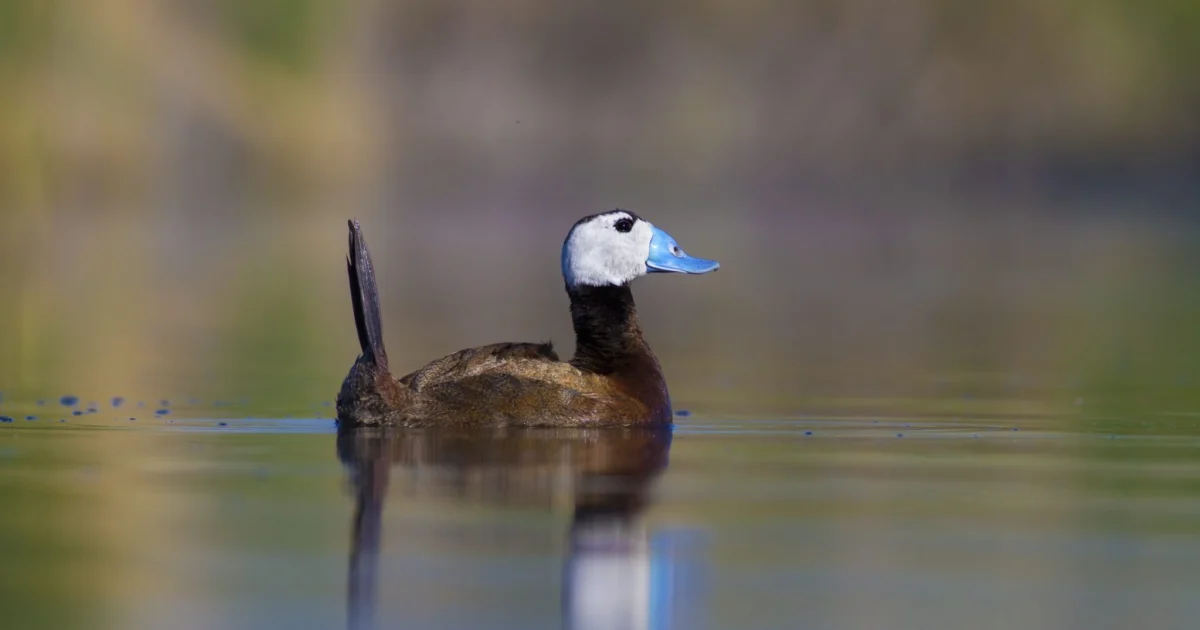
Numerous scientific studies have unequivocally demonstrated the detrimental effects of lead poisoning on wildlife. Birds, in particular, are highly vulnerable. They often mistake lead fishing weights for grit, which they ingest to aid digestion. This lead then enters their bloodstream, leading to a cascade of debilitating health issues, including neurological damage, reproductive failure, and ultimately, death. The White-headed duck, an iconic species often found in wetland habitats, is just one example of many bird species susceptible to lead poisoning from contaminated environments.
Beyond avian populations, lead contamination also affects fish, amphibians, and other aquatic organisms. It can disrupt their growth, development, and reproductive cycles. Furthermore, the bioaccumulation of lead in the food chain means that even predatory birds and mammals, including humans who consume fish from contaminated waters, can be exposed to its toxic effects. Lead poisoning in humans can lead to serious health problems, particularly affecting the nervous system, kidneys, and reproductive system. The cumulative impact on both biodiversity and human health has been a growing concern for environmental agencies and public health organizations across the continent.

Legislative Journey: From Proposal to Parliament
The European Commission, recognizing the severity of the lead pollution issue, proposed a restriction on lead in fishing tackle. This proposal aimed to address the significant environmental and health risks associated with lead contamination. The legislative process, however, is rarely straightforward, and this proposal faced opposition.
The Patriots for Europe (PfE Group) lodged an objection to the restriction, a move that brought the proposal before the European Parliament for a definitive vote. The group’s argument centered on a perceived lack of sufficient evidence regarding the availability of suitable lead-free alternatives and the necessity of a complete ban. This stance was met with strong criticism from environmental advocates and many parliamentarians, who viewed it as an attempt to obstruct a vital environmental protection measure.
The European Parliament’s eventual decision to reject this objection and support the restriction proposal signals a clear political will to tackle lead pollution. This vote represents a significant step forward in the EU’s commitment to environmental stewardship and the protection of its citizens from toxic substances.
The Details of the New Restriction
The adopted restriction, expected to come into force in the coming weeks, introduces a phased ban on the sale of lead fishing tackle weighing less than 1 kilogram. The transition periods for this ban will vary depending on the specific type of fishing gear, ranging from six months to five years. This phased approach is designed to allow manufacturers and retailers sufficient time to adapt to the new regulations and to develop and market viable alternatives.
Crucially, the restriction also includes a ban on the use of these lead fishing weights in commercial fishing operations. This is a significant development, as commercial fishing activities often involve large-scale operations where lost tackle can contribute substantially to environmental lead deposition.
The "Recreational Fishing Loophole" and Calls for Further Action
Despite the progress made, the current restriction contains a notable loophole that has drawn sharp criticism from conservationists. The proposal does not ban the use of lead fishing weights in recreational fishing. This is a critical point, as recreational angling is widely recognized as the primary source of lead pollution from fishing tackle. A significant portion of the lead fishing tackle already on the market, and therefore readily available to recreational anglers, will remain usable under the current legislation.

This oversight has led to urgent calls for Member States to go above and beyond the adopted EU restriction. Environmental advocates are urging national governments to implement their own, more comprehensive bans on the use of lead in recreational fishing. They argue that without such national-level action, the full potential of the EU’s restriction will not be realized, and the ongoing damage to wildlife and human health will persist.
Marion Bessol, Nature Conservation Policy Officer, articulated this concern clearly: "MEPs saw through a baseless attempt to derail this restriction and listened to the facts. That matters, because we’re talking about 4,800 tonnes of lead entering our environment every year, a well-documented poison that is toxic for humans and wildlife alike. But this vote is only half the job. As it stands, the recreational fishing loophole means most lead tackle already on shelves can keep being used, so Member States now have to close that gap nationally."
Broader Implications and Future Prospects
The European Parliament’s decision on lead fishing tackle is part of a larger trend towards stricter environmental regulations across the European Union. It demonstrates a growing recognition of the interconnectedness of environmental health, biodiversity, and human well-being.
The success of this restriction, particularly in overcoming political opposition, is likely to bolster confidence in the EU’s ability to enact meaningful environmental legislation. It also sets a precedent for future environmental challenges. Bessol’s statement regarding the upcoming scrutiny of a lead ammunition restriction further highlights this point, suggesting that the Parliament is prepared to tackle other significant sources of lead pollution.
The effectiveness of the lead fishing tackle restriction will ultimately depend on its rigorous implementation by Member States. The onus is now on national governments to address the recreational fishing loophole and ensure that the spirit of the EU’s decision translates into tangible environmental protection. The ongoing monitoring of lead levels in aquatic environments and wildlife populations will be crucial in assessing the long-term impact of this legislative action.
Supporting Data and Context
- Annual Lead Release: Approximately 4,800 tonnes of lead are released into the European environment each year from fishing tackle.
- Toxicity of Lead: Lead is a potent neurotoxin and a persistent environmental pollutant, impacting both wildlife and human health.
- Vulnerable Species: Birds are particularly susceptible to lead poisoning, often mistaking lead weights for grit.
- Bioaccumulation: Lead can accumulate in the food chain, posing risks to apex predators and humans.
- Recreational Fishing Dominance: Recreational angling is considered the primary source of lead pollution from fishing tackle.
- EU Legislative Process: The restriction was proposed by the European Commission, debated in the European Parliament, and required a vote to overcome objections.
Official Responses and Expert Opinions
The European Parliament’s vote has been widely welcomed by environmental organizations. The clear rejection of the objection lodged by the Patriots for Europe group underscores the scientific consensus on the dangers of lead pollution.
Marion Bessol of BirdLife Europe emphasized the importance of the vote while also highlighting the remaining challenges: "MEPs saw through a baseless attempt to derail this restriction and listened to the facts. That matters, because we’re talking about 4,800 tonnes of lead entering our environment every year, a well-documented poison that is toxic for humans and wildlife alike. But this vote is only half the job. As it stands, the recreational fishing loophole means most lead tackle already on shelves can keep being used, so Member States now have to close that gap nationally. And with the lead ammunition restriction soon heading to Parliament for scrutiny, MEPs have already shown us they know how to tell real science from political noise."
This sentiment reflects a broader understanding that while legislative progress is vital, effective implementation and continued vigilance are essential for achieving meaningful environmental change. The call for Member States to implement stricter national regulations on recreational fishing underscores the collaborative effort required between EU institutions and individual countries to safeguard the environment.
The inclusion of financial support acknowledgments from the European Commission for organizations like Stichting BirdLife Europe highlights the EU’s commitment to funding initiatives that promote conservation and environmental protection across the continent. This collaborative approach, combining legislative action with the support of dedicated NGOs, is crucial for addressing complex environmental issues like lead pollution. The ongoing efforts to address lead in ammunition further signal a comprehensive strategy by European policymakers to mitigate the widespread environmental and health impacts of this persistent toxic substance.

