


By Diane Burroughs
Published On: Jan 2, 2026
Last updated on: Apr 20, 2026
For many bird owners, observing their avian companions during a molt can be a period of heightened concern. The natural process of feather replacement, while essential for health and flight, often presents with symptoms that mimic the early stages of feather destructive behavior (FDB), a common and distressing issue in captive birds. This article provides a comprehensive guide for discerning between the normal discomforts of molting and the warning signs that may necessitate professional intervention, emphasizing proactive care and informed decision-making.
The Biological Imperative of Molting: A Detailed Overview
Molting is a fundamental biological process for birds, involving the systematic shedding of old, worn feathers and their replacement with new ones. This cyclical event is critical for maintaining healthy plumage, which is vital for insulation, waterproofing, flight, and social signaling. While the exact timing and duration vary significantly among species, most pet birds undergo at least one major molt annually, often influenced by seasonal changes, photoperiod (daylight length), nutrition, and hormonal cycles.
The process is far more complex than simply feathers falling out. Each new feather, or pin feather, emerges encased in a keratin sheath, much like a straw. As these new feathers grow, they push through the skin, and the blood supply within the shaft nourishes their development. Once fully grown, the blood supply recedes, and the keratin sheath flakes off, often appearing as fine, dandruff-like dust. This emergence and maturation process can be inherently irritating and itchy, akin to human hair growing back after a shave or a skin rash.
- Types of Molts: Birds can experience different types of molts throughout their lives. The "juvenile molt" occurs as young birds replace their first set of downy or immature feathers with adult plumage. "Annual molts" are typically complete molts, replacing all body and flight feathers, while "partial molts" may involve only specific feather tracts. The intensity and discomfort can vary with each type.
- Hormonal Influence: Molting is largely regulated by hormones, particularly thyroid hormones, which respond to environmental cues like light cycles. Disruptions in these cycles, common in indoor birds exposed to artificial lighting, can lead to abnormal molting patterns, such as a prolonged or incomplete molt, further exacerbating discomfort.
- Energy Demands: Feather production is metabolically intensive. Feathers are approximately 90% protein, and their growth requires a significant redirection of the bird’s nutritional resources. This high demand means that birds undergoing a molt require optimal nutrition to support new feather growth without compromising other bodily functions.
Identifying Normal Molt Discomfort: What to Expect
During a normal molt, birds often exhibit a range of behaviors that, while appearing intense, are part of the natural process of feather care. These behaviors are usually transient and responsive to the bird’s overall environment and needs.
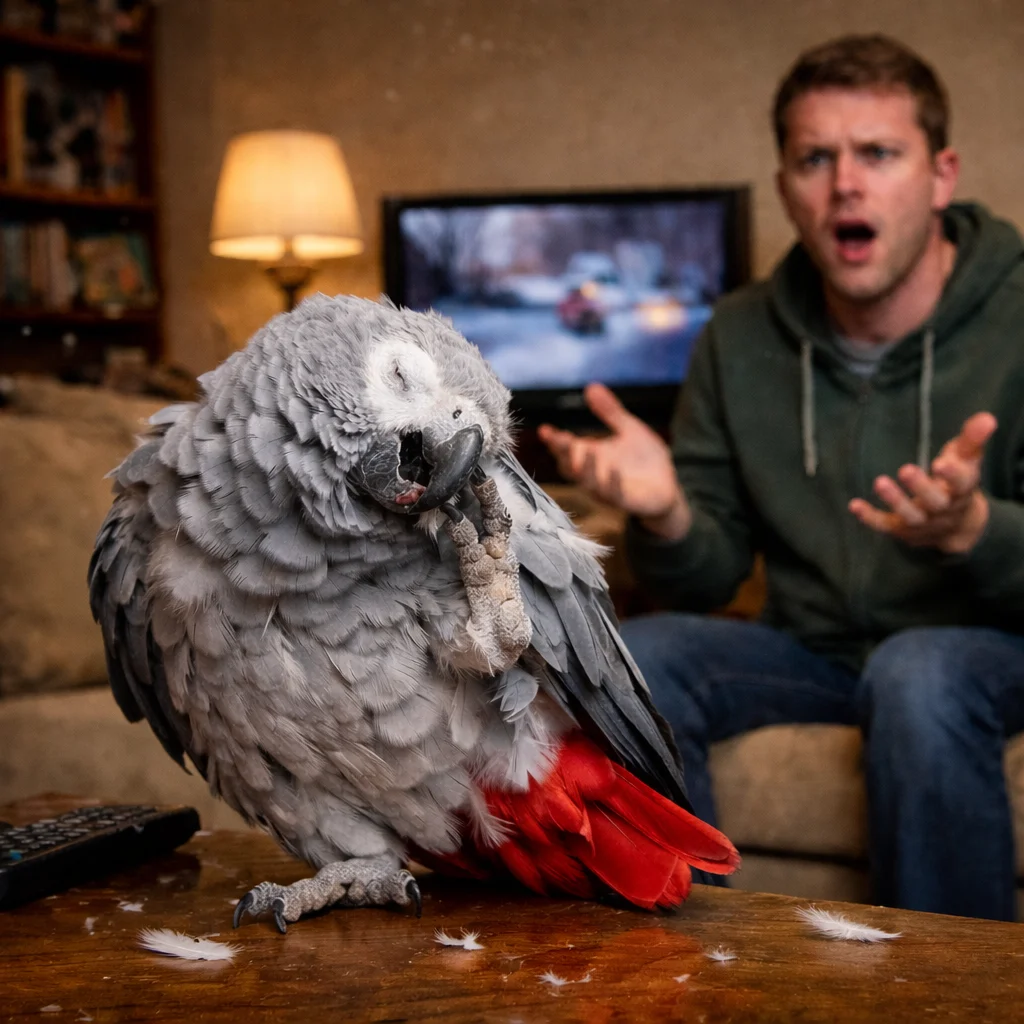
- Increased Preening and Scratching: It is common for birds to preen more frequently and vigorously during a molt. They use their beaks to break down the keratin sheaths of new pin feathers, a process known as "preening out the pins." This action can look quite intense, involving head scratching, vigorous body preening, and even nibbling at the base of feathers to relieve itching. The goal is to remove the irritating sheaths and allow the new feathers to unfurl.
- Irritability and Reduced Tolerance: Due to the constant itching and discomfort, some birds may become noticeably more irritable or "grumpy." They might be less tolerant of handling, more prone to nipping, or simply prefer to be left alone. This is often a temporary personality shift that resolves once the most intense phase of the molt passes.
- Mild Fluffing and Rest: Birds may appear slightly fluffed up more often, especially during rest periods, as they manage discomfort. They might also spend more time resting or sleeping, conserving energy for the metabolically demanding feather growth.
- Visible Pin Feathers and Feather Dust: A clear sign of molting is the presence of numerous pin feathers, particularly around the head, neck, and chest. The environment around the cage will also likely show increased feather dust and shed feather fragments.
- Intermittent Focus: While a bird might engage in intense preening sessions, these are typically interspersed with other normal activities like eating, playing, vocalizing, and interacting with their environment or owner. The bird can "disengage" from preening when stimulated by other activities.
When Discomfort Becomes Concerning: Red Flags for Feather Destructive Behavior
The line between intense molting discomfort and the onset of feather destructive behavior (FDB) can be subtle, making early detection crucial. FDB encompasses a range of behaviors, from excessive preening and feather pulling to self-mutilation, and can have profound impacts on a bird’s health and welfare.
- Fixation and Repetition: The primary red flag is fixation. If a bird repeatedly focuses on one specific area, to the exclusion of other activities, or exhibits continuous, obsessive preening and picking, it warrants concern. Unlike normal molting, where discomfort shifts as different feathers grow, FDB often involves persistent attention to a particular spot.
- Feather Damage and Bald Patches: While a normal molt results in shed feathers, FDB leads to actual damage to the feathers. This can manifest as chewed or frayed feather tips, broken shafts, or the complete absence of feathers in certain areas, creating bald patches that are not filling in with new growth. These bald areas are typically symmetrical and often occur on the chest, legs, or under the wings—areas the bird can easily reach.
- Skin Irritation and Lesions: Excessive picking or plucking can lead to skin irritation, redness, scabs, and even open wounds. Any bleeding, raw skin, or visible trauma to the skin underneath the feathers is a serious indicator that the behavior has escalated beyond normal preening.
- Behavioral Withdrawal or Distress: A bird engaging in FDB may appear withdrawn, agitated, or distressed. They might exhibit other stress behaviors such as pacing, screaming, or repetitive movements. Unlike the temporary grumpiness of a molt, this distress can be persistent.
- Inability to Disengage: If the bird cannot be easily distracted from its preening or picking by food, toys, or social interaction, it signals a deeper issue. The behavior becomes compulsive, overriding normal drives.
The Role of Nutrition in Feather Health and Molt Management
Nutrition is a cornerstone of avian health, and its importance is amplified during the metabolically demanding molting process. A diet deficient in key nutrients can exacerbate molting discomfort, delay feather growth, and even contribute to the development of FDB.
- Protein: As feathers are primarily protein, an adequate intake of high-quality protein is essential. Deficiencies can lead to stunted, poorly formed, or fragile feathers, and a prolonged molt. Excellent sources include formulated pellets, cooked lean meats, legumes, and eggs.
- Vitamin A: Crucial for epithelial tissue health, including skin and feather follicles. A deficiency can result in hyperkeratosis, leading to dry, flaky skin and abnormal feather growth, making the molt significantly more irritating. Sources include dark leafy greens (kale, spinach), carrots, sweet potatoes, and formulated pellets.
- Essential Fatty Acids (Omega-3 and Omega-6): These fats are vital for skin elasticity, feather sheen, and reducing inflammation. They contribute to a healthy lipid barrier in the skin, preventing dryness and irritation. Good sources include flaxseed, chia seeds, walnuts (in moderation), and certain bird-specific supplements.
- B Vitamins: Involved in numerous metabolic processes, including protein synthesis and energy production. Deficiencies can impact overall vitality and the efficiency of feather growth.
- Minerals (Zinc, Copper, Calcium): Zinc is particularly important for skin health and feather pigmentation. Calcium is essential for overall bone health and can influence various physiological processes.
Many "rough molts" or unusually intense periods of discomfort are often the first visible signs of chronic dietary inadequacies. Birds maintained on seed-only diets, for instance, are highly susceptible to these deficiencies, making their molts a far more arduous and irritating experience. Transitioning to a high-quality, formulated pellet diet, supplemented with fresh fruits, vegetables, and appropriate healthy fats, is paramount for supporting healthy molting and preventing future issues.
Proactive Strategies: What Owners Can Do Right Now
The goal during a bird’s molt is twofold: reduce immediate irritation and prevent the escalation of discomfort into chronic feather destructive behavior. A calm, consistent, and supportive approach yields the best results.
- Increase Bathing and Humidity: Regular bathing helps to soften the keratin sheaths of pin feathers, making them easier to preen and reducing itchiness. Offer daily showers, misting, or a shallow dish of water. Increasing ambient humidity, especially in dry climates, can also significantly alleviate skin dryness.
- Provide Nutritional Support: Ensure your bird is receiving a premium, balanced diet. Consider adding a bird-safe omega-3 supplement or foods rich in Vitamin A during the molting period. Consult with an avian vet for specific dietary recommendations.
- Gentle Pin Feather Assistance: For birds that tolerate it, carefully and gently breaking the sheaths of fully grown, dry pin feathers (especially on the head and neck, which are hard for the bird to reach) can provide immense relief. Never pull on or break a pin feather with a blood supply (the base will appear dark or reddish).
- Enrichment and Distraction: A stimulated bird is less likely to fixate on discomfort. Provide a variety of engaging toys, foraging opportunities, and regular social interaction. Rotate toys frequently to maintain interest.
- Maintain Routine and Reduce Stress: Birds thrive on predictability. Keep daily routines consistent and minimize sudden changes or stressors in their environment. A calm household contributes to a calmer bird.
- Adequate Sleep: Ensure your bird gets 10-12 hours of uninterrupted sleep in a quiet, dark environment. Proper rest supports recovery and overall health.
What Helps and What Often Backfires: Expert Perspectives
Support for a molting bird requires careful consideration. While well-intentioned, some actions can inadvertently worsen the situation or even encourage FDB.
-
What Tends to Help:
- Consistent Positive Reinforcement: Reward calm behavior and engagement with toys or food, especially if the bird is showing signs of disengaging from intense preening.
- Environmental Stability: A predictable and safe environment reduces overall stress, which can be a trigger for FDB.
- Observation and Responsiveness: Close monitoring allows owners to identify patterns and respond appropriately to the bird’s specific needs during the molt.
- Providing Chewing Opportunities: Offering safe chew toys can redirect oral fixation away from feathers.
-
What Often Backfires:
- Punishment or Scolding: Attempting to scold or punish a bird for excessive preening or picking will only increase stress and anxiety, potentially intensifying the undesirable behavior. The bird is not acting "badly" but responding to discomfort or an underlying issue.
- Over-Focusing on the Behavior: Constantly drawing attention to the bird’s preening can inadvertently reinforce the behavior, as the bird may interpret it as a form of attention, even if negative.
- Drastic Environmental Changes: Sudden changes to the cage setup, diet, or routine during an already stressful molt can heighten anxiety.
- Ignoring the Problem: Hoping the issue will resolve itself is a common pitfall. Early intervention is key to preventing FDB from becoming a chronic, deeply ingrained habit.
Avian behavior specialists and veterinarians consistently emphasize that effective support means observing closely and responding with practical, science-backed steps that reduce irritation and stress, rather than amplifying them.
When to Seek Professional Veterinary Care
While many molting concerns can be managed at home with informed care, certain signs unequivocally warrant immediate veterinary attention. Delaying professional evaluation can lead to worsening conditions and more complex treatment.
- Persistent Bald Patches or Open Skin: Any areas where feathers are completely missing and the skin is visible, especially if not filling in with new feathers, or if the skin is broken, red, or bleeding, are serious indicators.
- Lethargy, Weakness, or Behavioral Changes: If your bird appears unusually quiet, weak, stays fluffed up for extended periods, squints, has half-closed eyes, or exhibits a significant change in appetite or droppings, these are signs of illness that require urgent veterinary assessment.
- Clear Feather Pulling or Damage: If you witness your bird actively pulling out healthy feathers, or if existing feathers show clear signs of chewing, breakage, or damage that goes beyond normal preening, it’s time for a vet visit.
- Signs of Self-Mutilation: Any behavior involving the bird harming its own skin or body parts is a medical emergency.
- Lack of Improvement: If despite implementing supportive measures, the intense scratching, preening, or concerning behaviors persist or worsen over a period of weeks, professional help is necessary.
An avian or exotics veterinarian can rule out underlying medical conditions (e.g., parasites, bacterial/fungal infections, organ disease, allergies), assess nutritional status, and help develop a comprehensive management plan for FDB, which often involves a multi-faceted approach addressing medical, environmental, and behavioral components.
Broader Implications and Long-Term Prevention
Feather destructive behavior is one of the most common and challenging behavioral issues encountered in captive psittacine birds, affecting an estimated 10-15% of the population, though prevalence varies by species. Untreated FDB can lead to chronic skin infections, pain, significant welfare concerns, and a diminished quality of life for the bird. For owners, it can be a source of considerable stress, financial burden, and emotional distress.
Preventing FDB starts long before a problematic molt. It involves a commitment to providing an optimal environment year-round:
- Species-Appropriate Diet: A high-quality pelleted diet supplemented with fresh foods is fundamental.
- Environmental Enrichment: A stimulating environment with varied toys, foraging opportunities, and social interaction.
- Appropriate Light Cycles: Mimicking natural light cycles (10-12 hours light, 10-12 hours dark) is crucial for hormonal balance.
- Regular Veterinary Check-ups: Annual health exams can detect subtle issues before they escalate.
- Humidity and Bathing: Consistent access to bathing and appropriate humidity levels.
- Stress Reduction: A calm, predictable home environment.
By understanding the nuances of avian molting and diligently observing their birds, owners can differentiate between normal discomfort and the critical warning signs of FDB. Early intervention, guided by both responsible home care and professional veterinary advice, is the most effective path to ensuring the long-term health and well-being of these remarkable companions.
Frequently Asked Questions
- Can plucking start before feathers look damaged? Yes. Early plucking may involve pulling out whole feathers, leaving surrounding feathers looking normal at first. The key is observing the behavior itself – the repeated, focused pulling, rather than just the appearance of damage.
- How long should I watch before worrying? Watch patterns over weeks, not hours. Normal molt discomfort shifts or improves; plucking becomes repetitive and focused. If a concerning behavior persists for more than 1-2 weeks despite supportive home care, or if any skin damage is noted, consult a vet.
- Can molting look fine one day and worse the next? Yes. Molting discomfort often comes in waves, with some days being more intense than others. Concern arises when behavior steadily intensifies or fixates over time, rather than fluctuating.
- What’s the real red flag? Fixation – repeated, compulsive focus on one spot that cannot be interrupted by normal activities like eating, resting, or play. This suggests the behavior has become more than just a response to transient discomfort.
References
- Chen et al., 2020. Frontiers in Physiology.
- Cooper & Harrison, 1994. Avian Medicine.
- Merck Veterinary Manual, 2024.
- Additional research from peer-reviewed avian veterinary journals and behavioral science publications.
Meet Diane Burroughs, LCSW – licensed psychotherapist, ABA-trained behavior specialist, and founder of UnRuffledRx. With 30+ years of hands-on experience, Diane helps bird owners distinguish normal behavior from real problems using calm, science-backed care.

