


Published On: Dec 21, 2025
Last updated on: Dec 21, 2025
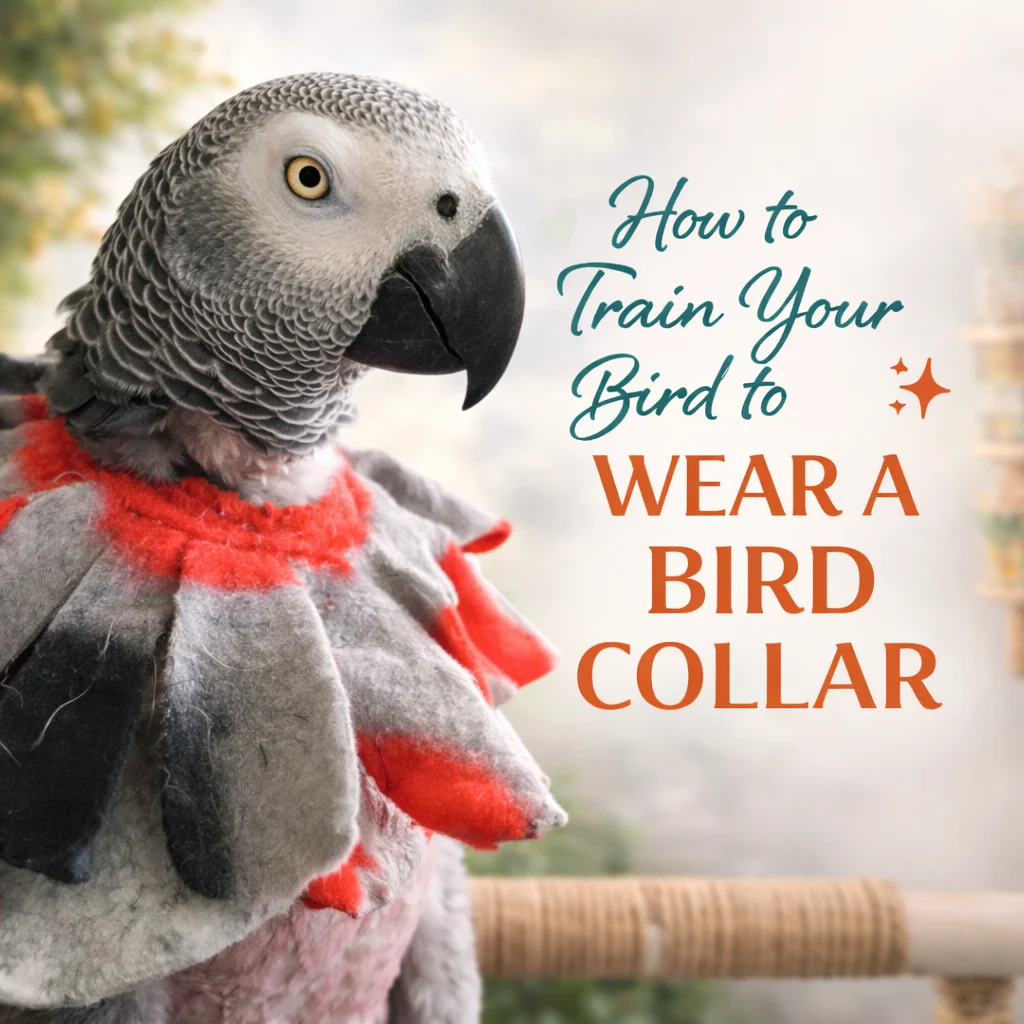
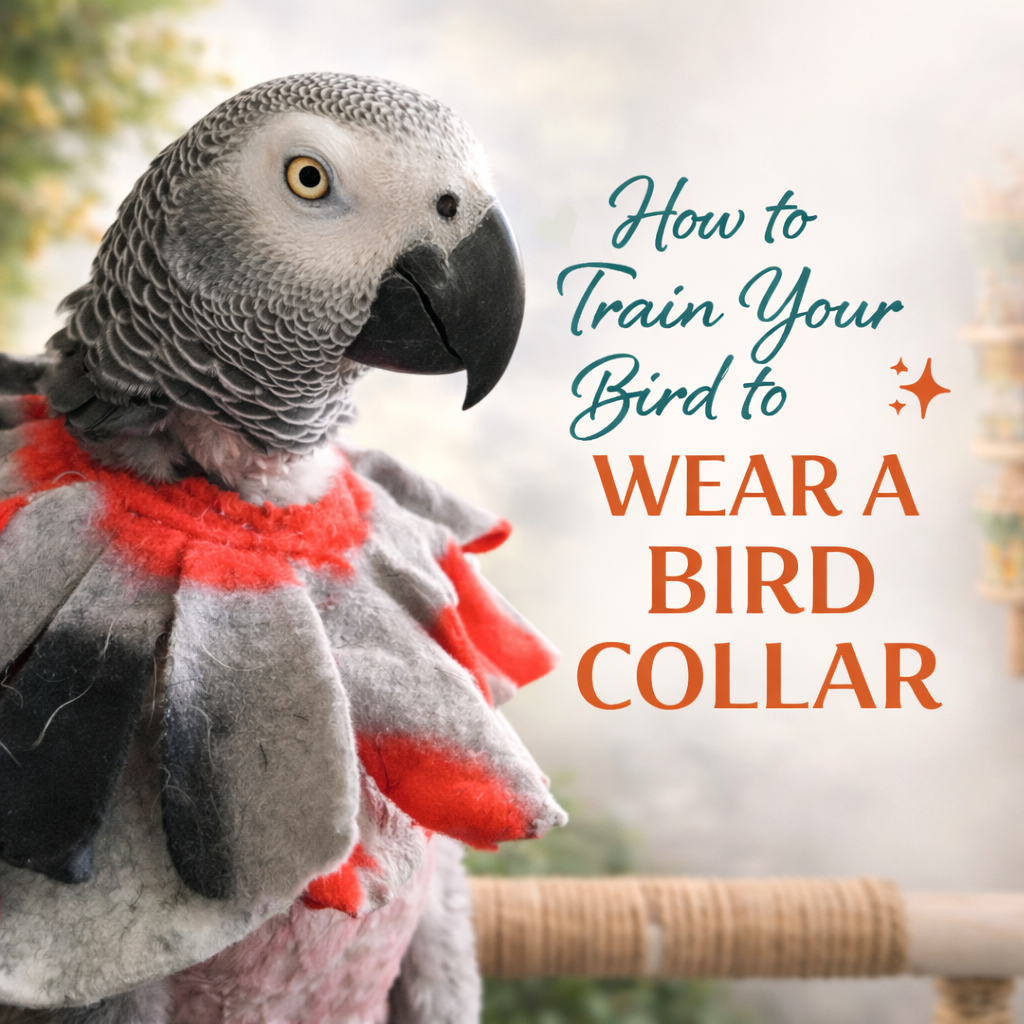
The question of whether birds can safely wear collars is frequently posed by concerned avian caretakers, and the concise answer is affirmative – birds can indeed wear collars safely, provided they are introduced judiciously and applied for appropriate clinical or behavioral reasons. This seemingly straightforward inquiry often arises not from a desire for aesthetic adornment, but from a critical need to intervene in escalating situations such as severe feather plucking, self-mutilation leading to skin damage, or other forms of self-inflicted injury that risk the bird’s health and welfare. This analysis will not overstate the capabilities of collars or present them as a panacea but will instead offer a detailed framework for understanding their role, managing expectations, and implementing their use in a manner that supports the bird’s well-being without causing undue stress.
Understanding Feather Destructive Behavior (FDB) in Avian Species
Feather destructive behavior (FDB), encompassing plucking, chewing, and barbering, is a complex and prevalent issue among captive psittacines and other avian species. It is a multifactorial problem, meaning it rarely stems from a single cause, but rather a confluence of medical, environmental, and behavioral factors. Data from avian veterinary practices indicate that FDB affects a significant portion of the pet bird population, with some studies suggesting prevalence rates as high as 10-15% in certain species like African Greys and Cockatoos. The consequences of FDB can range from cosmetic feather damage to severe skin lacerations, infections, and chronic self-mutilation, posing substantial risks to the bird’s overall health and quality of life.
- Medical Etiologies: Underlying medical conditions are often primary drivers of FDB. These can include parasitic infestations (e.g., mites, giardia), bacterial or fungal infections, organ disease (liver, kidney), endocrine disorders, nutritional deficiencies (particularly vitamin A and calcium imbalances), heavy metal toxicities, allergies, and chronic pain. A thorough veterinary examination, including blood work, feather and skin biopsies, and imaging, is crucial to rule out or identify these physiological causes.
- Environmental Factors: Suboptimal living conditions contribute significantly to stress and subsequent FDB. Inadequate cage size, lack of environmental enrichment (toys, foraging opportunities, perches of varying textures), poor diet, insufficient humidity, exposure to irritants (smoke, strong odors), and improper lighting cycles (lack of sufficient dark hours for rest) can all trigger or exacerbate plucking.
- Behavioral and Psychological Drivers: Beyond physical ailments, psychological distress plays a critical role. Boredom, loneliness, anxiety, fear, hormonal fluctuations (especially during breeding season), lack of consistent routine, and attention-seeking behaviors can all manifest as FDB. Birds are highly intelligent and social creatures, and their captive environment often fails to meet their complex psychological needs, leading to maladaptive coping mechanisms.
Most owners arrive at the consideration of a collar after exhausting a range of initial interventions, including dietary adjustments, enhanced enrichment, routine modifications, nutritional supplements, topical sprays, and extended periods of watchful waiting. When these measures fail to mitigate the escalating damage, the focus invariably shifts to more direct protective strategies.
The Critical Juncture: When Avian Collars Become Indispensable
Not every instance of feather plucking necessitates a collar. Mild, seasonal plucking or damage that is responding positively to environmental and behavioral modifications, particularly when the skin remains intact, generally does not warrant such an intervention. The primary concern is not the collar itself, but rather the rate and severity of feather or skin damage, and whether it is progressing faster than current management strategies can safely control.
Avian collars serve as a vital protective measure when physical intervention is paramount. They are not a form of punishment or a shortcut to addressing underlying issues but rather a temporary, yet critical, tool designed to interrupt the cycle of self-mutilation, allow for physical healing, and provide a window for caretakers and veterinary professionals to diagnose and treat the root causes of FDB.
- Indications for Collar Use: Collars are typically recommended during periods of active feather destruction, especially when the bird is barbering down to the skin, creating open wounds, or engaging in repetitive plucking loops that reinforce the damaging habit. They are also invaluable during post-surgical recovery, wound healing, or in situations of heightened anxiety where direct access to vulnerable skin or feathers poses an immediate risk.
- Benefits of Proper Implementation: When introduced and managed correctly, bird collars significantly reduce the incidence of physical injury, slow the rehearsal of destructive habits, and afford owners crucial time to implement comprehensive management plans. These plans often involve a multi-pronged approach addressing diet optimization, environmental enrichment, medical treatment of underlying conditions, and targeted behavioral modification therapies. The immediate physical protection offered by a collar can alleviate acute stress for both the bird and its owner, allowing for a more deliberate and effective long-term strategy.
Conversely, adding an intervention like a collar without a clear and pressing need can introduce unnecessary stress for the bird. If plucking is mild, seasonal, or demonstrably improving with existing enrichment and routine changes, and critically, if the skin is undamaged, a collar may be counterproductive. In such cases, refining existing strategies or seeking further diagnostic clarity might be more beneficial than layering on a new tool. The principle here is that "more" is not always "better"; sometimes, the most effective approach is to optimize what is already working.
Common Misconceptions and Strategic Approaches
Well-intentioned mistakes are common in the challenging journey of managing FDB. One frequent error is attempting to overhaul every aspect of the bird’s environment and routine simultaneously. Rapid, sweeping changes can be profoundly overwhelming for birds, which thrive on predictability and stability. Collars are most effective when integrated into a plan that features slow, predictable adjustments, allowing the bird to adapt incrementally rather than being plunged into an entirely new and potentially stressful situation.
Another pitfall is uncritically adopting advice from online forums without considering the unique context of one’s own bird. While peer support and shared experiences can be valuable, birds are highly individualistic creatures. What proved effective for one bird may be entirely unnecessary or even detrimental to another. A "time check" – assessing when and under what circumstances the plucking occurs – can often provide more meaningful insights into potential triggers than simply copying someone else’s solution. Comprehensive veterinary consultation ensures that any intervention, including collar use, is tailored to the specific needs and health status of the individual bird.
A Step-by-Step Protocol for Safe Collar Introduction and Training
The successful application of an avian collar hinges far more on the methodical training process than on the collar itself. The overarching objective is not to force immediate acceptance but to guide the bird towards regulation and adaptation while learning to navigate this new physical appendage. This requires immense patience, consistent positive reinforcement, and a keen awareness of the bird’s stress signals.
The following steps outline a systematic approach to desensitization and training, aiming to minimize trauma and maximize acceptance:
-
Initial Exposure (No Pressure): For the first 1-3 days, simply allow the bird to see the collar from a safe distance, placed within its visual field but not in its immediate environment. The goal here is to normalize its presence, teaching the bird that the collar is not an imminent threat. Avoid any direct interaction or attempts to bring the collar closer during this phase.
-
Integrating into Routine: Over the subsequent 1-2 days, integrate the collar into routine activities without forcing interaction. For instance, lay the collar on your shoulder or nearby surface during regular feeding, cleaning, or interaction times. This subtle integration builds further familiarity, making the collar a passive part of the bird’s daily landscape.
-
Inviting Exploration: Once familiarity is established, place the collar within reach, allowing the bird to investigate it on its own terms. Curiosity should be encouraged over coercion. If the bird approaches, sniffs, or pecks at the collar, offer praise and a high-value treat. This positive association reinforces the idea that the collar is safe and potentially rewarding.
-
Building Tolerance to Touch: While engaging in training sessions (e.g., target training, step-up commands), gently and briefly work on handling the bird’s wings, shoulders, and torso. This helps build a foundational tolerance to touch in the areas where the collar will eventually rest. Always keep these interactions short, positive, and end on a successful note, even if it’s minimal progress.

-
Preparing the Environment: Before the first fitting, make essential adjustments to the bird’s cage environment to ensure safety and accessibility. Lower perches to reduce the risk of falls and make food and water bowls easily accessible, perhaps even placing them directly on the cage floor or at lower levels. Remove any potential entanglement hazards within the cage.
-
First Supervised Fitting: When both the bird and owner are adequately prepared and calm, gently fit the collar. This initial fitting should be for a short duration, typically 1-3 hours, during which the bird must be under constant, close supervision. Observe for signs of distress, difficulty eating/drinking, or impaired movement. Awkward movements, attempts to remove the collar, and general investigation are normal initial reactions. Ensure the collar fits snugly enough to prevent removal but not so tightly as to restrict breathing or circulation.
-
Gradual Increase in Wear Time: Incrementally increase the wear time in 30-60 minute intervals, observing the bird’s adaptation. This gradual approach allows the bird to build the physical strength and coordination required to comfortably carry and maneuver with the collar. Consistent positive reinforcement (treats, praise) during and after successful wear periods is crucial.
-
Restoring Cage Configuration: As the bird’s tolerance and confidence improve, slowly return perches and bowls to their usual positions. Some birds, especially those that are naturally more nervous, may require additional assistance and patience in relearning how to perch, climb, eat, and drink with the collar on. Patience and continued support during this phase are paramount.
The process of training a bird to wear a collar is a testament to the owner’s dedication and the bird’s resilience. It’s normal for owners to feel nervous, second-guess their decisions, or worry about causing further stress. Both birds and their owners typically undergo an adjustment period. When approached as a supportive bridge to protect feathers and skin while comprehensive solutions are being implemented, collars can be an invaluable tool, not a setback, in the journey toward avian health and well-being.
Broader Implications and Future Directions
The thoughtful application of avian collars reflects a broader evolution in avian veterinary medicine and behavioral science. It underscores a growing understanding that companion birds require highly specialized care that addresses their complex physiological and psychological needs. The strategic use of collars highlights the intersection of medical intervention, behavioral modification, and responsible pet ownership.
Beyond immediate applications, the discussion around avian collars prompts further research into alternative deterrents, advanced materials for collar design (e.g., lighter, more flexible, bird-friendly materials), and enhanced behavioral therapies that might reduce the reliance on physical barriers. Furthermore, it emphasizes the critical need for continued education among bird owners regarding early detection of FDB, preventative measures, and the importance of prompt veterinary consultation. By empowering owners with knowledge and effective tools, the welfare of captive avian populations can be significantly improved, allowing these magnificent creatures to live healthier, more enriched lives.
Diane Burroughs, an authority with over 30 years of experience working with birds and their owners, specializes in anxiety-driven behaviors and feather destructive disorders. Her methodology integrates principles of behavior science with practical, real-world care strategies.
TAGS: #BirdCollars #FeatherPlucking #BirdBehavior #AvianHealth #PetBirdCare #VeterinaryMedicine #BirdWelfare

