


The University of Massachusetts Chan Medical School (UMass Chan) is currently facing intense scrutiny following the release of internal records and federal reports detailing a series of controversial experiments involving the deliberate infection of animals with parasitic organisms. The research, led by Professor Raffi Aroian, has come under fire from animal welfare advocates and regulatory bodies alike due to a documented history of protocol violations, including instances of animal neglect and the use of substantial federal funding for procedures that critics argue have limited translational value for human medicine.
According to data retrieved from the National Institutes of Health (NIH) and various regulatory filings, the Aroian laboratory has been the recipient of approximately $20.5 million in federal grants since 1998. Currently, the laboratory operates with two active NIH grants valued at roughly $1.4 million. These funds are dedicated to studying soil-transmitted nematodes—parasites that affect hundreds of millions of people globally—yet the methodology employed has raised significant ethical questions regarding the treatment of hamsters, mice, and rats used as biological incubators.
Detailed Methodology of Parasitic Infection Research
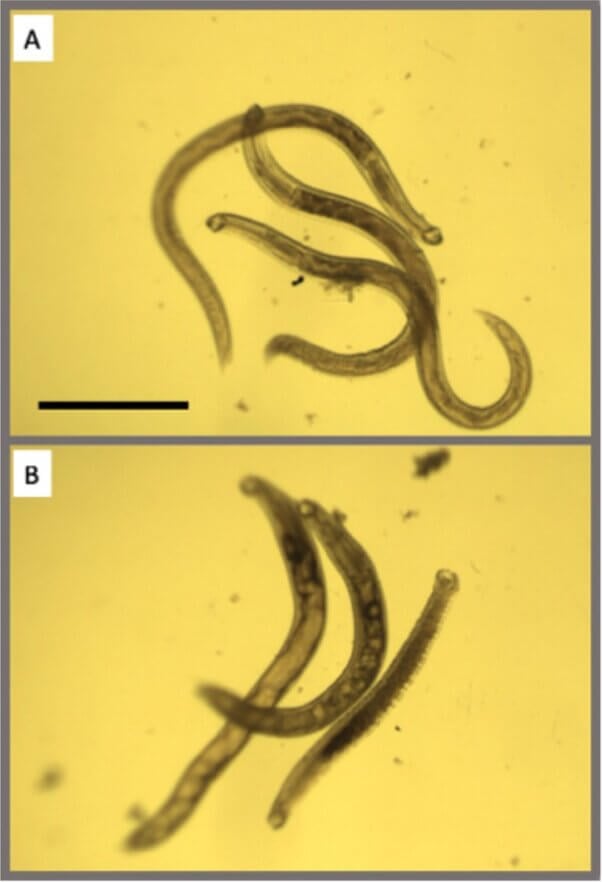
The core of Dr. Aroian’s research involves the lifecycle of parasites such as hookworms, whipworms, and roundworms. These organisms are known for their ability to embed themselves in the intestinal lining of their hosts, leading to chronic blood loss, tissue inflammation, and nutrient deficiencies. To facilitate these studies, the laboratory utilizes several different animal models, each subjected to specific infection protocols.
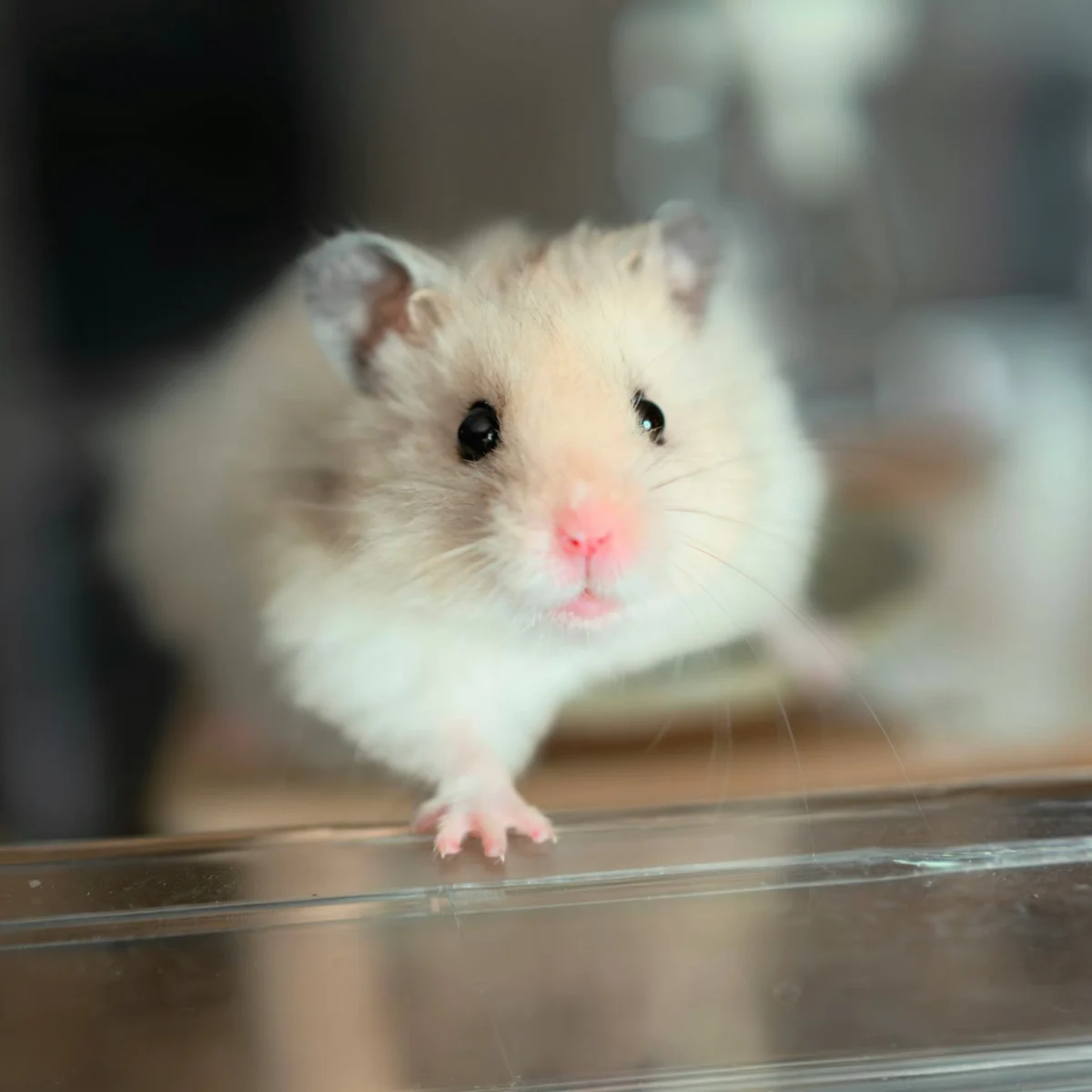
In the hamster models, researchers inject the animals with hookworm larvae. To ensure the parasites successfully colonize the host, the hamsters are often administered repeated doses of immunosuppressive drugs. This suppression of the natural immune response allows the hookworms to thrive and feed on the animal’s blood for extended periods, typically ranging from 12 to 19 days. At the conclusion of the incubation period, the hamsters are euthanized so that their intestines can be harvested and the adult hookworms collected for further study or for the infection of subsequent subjects.
The mouse models are primarily used to study whipworms. Similar to the hamster protocols, these mice are often immunocompromised to allow the parasites to reach maturity. Over several weeks, the whipworms cause significant intestinal inflammation and physical discomfort. Once the parasites reach the adult stage, the mice are killed.
The rat models serve a different primary function: the maintenance of a steady supply of parasitic larvae. In these "passage" experiments, six-week-old rats are injected with between 500 and 1,000 larvae. As the parasites reproduce within the rats, new larvae are expelled through the animals’ feces. Laboratory staff collect this waste, process it, and use the harvested larvae to infect new groups of animals in other experimental arms.

Chronology of Regulatory Violations and Institutional Oversight
The controversy surrounding the Aroian lab is not limited to the nature of the experiments themselves but extends to a documented pattern of negligence and failure to adhere to federal animal welfare regulations. In early 2024, a series of incidents prompted intervention from both the UMass Chan Institutional Animal Care and Use Committee (IACUC) and federal authorities.
In April 2024, an internal audit revealed that hamsters in the Aroian laboratory were being kept in solitary confinement. This practice was in direct violation of the approved research protocols, which generally require social housing for social species unless a specific scientific justification is approved. The IACUC subsequently mandated that Dr. Aroian revise his protocols to establish strict parameters for when individual caging is permissible. This incident was formally reported to the NIH’s Office of Laboratory Animal Welfare (OLAW).
A more severe incident occurred just over a month later, in May 2024. During a process where hamsters were being moved to new cages for the purpose of fecal collection, two animals were inadvertently left in their original enclosures. These hamsters remained without access to water for approximately 16 hours. Following the discovery of this oversight, the school’s animal care committee reported the event to the NIH, and the U.S. Department of Agriculture (USDA) issued a citation to UMass Chan for a violation of the Animal Welfare Act.
In response to these recurring issues, the UMass Chan animal care committee took the unusual step of placing the Aroian laboratory under mandatory supervision for a period of six months. Such a measure is typically reserved for laboratories demonstrating a persistent inability to maintain standard operating procedures or those with significant gaps in staff training and oversight.
Financial Analysis and Federal Funding
The scale of the investment in these experiments has become a focal point for those questioning the priorities of federal research spending. Since 1998, the $20.5 million allocated to Dr. Aroian’s work has been distributed through various NIH branches, primarily the National Institute of Allergy and Infectious Diseases (NIAID).
The two currently active grants, which total $1.4 million, are focused on the discovery of broad-spectrum agents to treat soil-transmitted nematodes. While the goal of eradicating these parasites in human populations is a high public health priority, critics point to the "translational gap"—the frequent failure of results in animal models to replicate in human clinical trials. Data suggests that more than 90% of basic research involving animals fails to lead to human treatments, often because of the physiological differences between species and the artificial nature of laboratory-induced infections.
Broader Institutional Context at UMass Chan
The issues identified in the Aroian laboratory are part of a broader pattern of criticism leveled at UMass Chan Medical School. Advocacy groups, most notably People for the Ethical Treatment of Animals (PETA), have previously highlighted the work of other researchers at the institution.
Among those cited is Matt Gounis, whose research involves inducing strokes in dogs to test medical devices and procedures. Reports indicate these experiments involve invasive surgeries and periods of food deprivation. Another researcher, Heather Gray-Edwards, has been scrutinized for her work with animals bred to develop neurodegenerative diseases. Her research involves monitoring animals as they experience seizures and cognitive decline, with some reports alleging that pain relief was withheld to avoid interfering with experimental data.
These combined reports have painted a picture of an institution that, despite its prestige, struggles with the ethical implications and regulatory requirements of high-volume animal research.
Scientific Critique and the Move Toward Alternatives
The scientific community is increasingly divided on the utility of animal models for parasitic research. Critics of the Aroian protocols argue that the experiments are fundamentally flawed for several reasons:
- Species Specificity: The parasites used in these animal models are often not the same species that infect humans, meaning the biological interactions and drug responses may differ significantly.
- Environmental Factors: Animals kept in barren laboratory cages and on restricted diets possess gut microbiomes that are vastly different from those of humans in endemic areas. These differences can alter how an infection develops and how a host responds to treatment.
- Lifecycle Replication: Laboratory conditions often fail to replicate the complex lifecycle of parasites as they occur in the wild, leading to data that may not be applicable to real-world scenarios.
As a result of these limitations, there is a growing movement toward "New Approach Methodologies" (NAMs). These include the use of human intestinal organoids—"organs-on-a-chip"—which can be infected with human-specific parasites to study disease progression and drug efficacy in a way that more accurately reflects human biology. Additionally, advanced computer modeling and in-silico simulations are being developed to predict how various compounds interact with parasitic proteins.
Implications for Public Policy and Research Ethics
The ongoing situation at UMass Chan reflects a larger national debate regarding the transparency and accountability of NIH-funded research. As public awareness of animal welfare issues grows, there is increasing pressure on academic institutions to transition away from animal-intensive research toward modern, human-relevant technologies.
For UMass Chan, the mandatory supervision of the Aroian lab and the recent USDA citations represent a significant blow to its reputation. The school now faces the challenge of reconciling its mission of medical advancement with the ethical requirements of animal stewardship. Observers suggest that the institution may need to undergo a comprehensive review of its oversight systems to prevent further lapses in care and to ensure that federal funds are being utilized in the most scientifically robust and ethically sound manner possible.
The outcome of the six-month mandatory supervision period for the Aroian laboratory will likely serve as a benchmark for how the university intends to handle future compliance issues. Meanwhile, the call for a shift toward non-animal research methods continues to gain momentum among scientists and the general public alike.

