


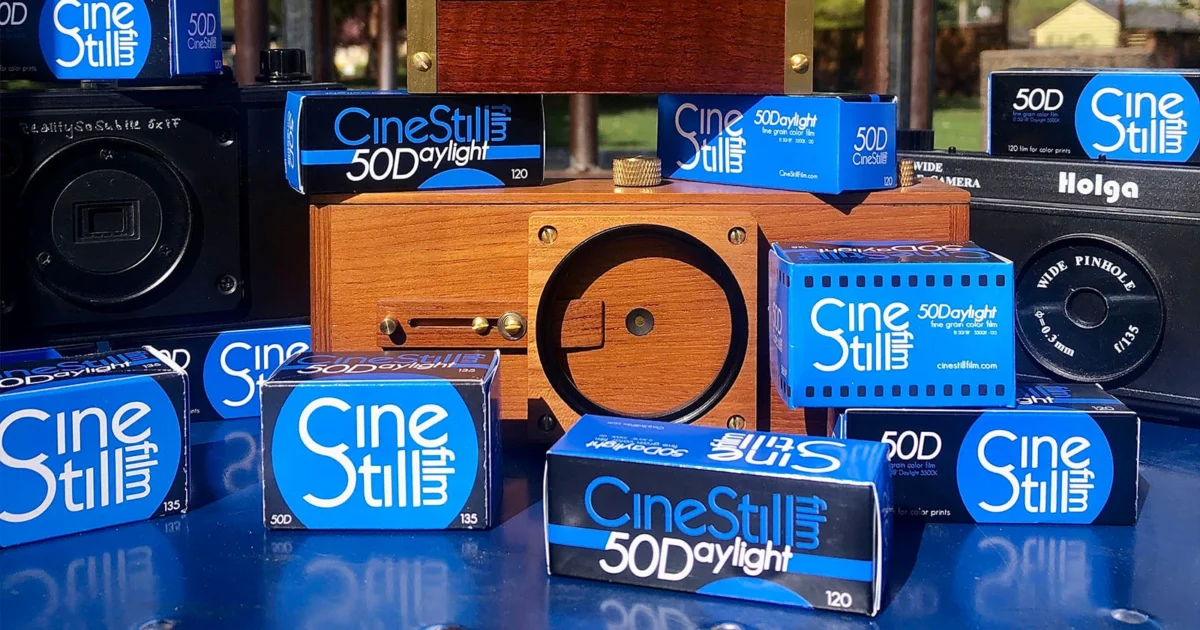
The landscape of contemporary analog photography is often dominated by a handful of legendary names, yet beneath the surface of high-speed emulsions like CineStill 800T and the versatile 400D lies a specialized tool that has quietly earned the respect of professional colorists and fine-art photographers alike. CineStill 50D, a daylight-balanced color negative film, represents a unique bridge between the high-octane world of Hollywood motion picture production and the deliberate, frame-by-frame world of still photography. While it frequently takes a backseat to its more "viral" siblings, 50D offers a technical profile—defined by its exceptionally fine grain and pastel-leaning color palette—that is increasingly relevant in an era where photographers are seeking a distinct departure from the hyper-saturated digital look.
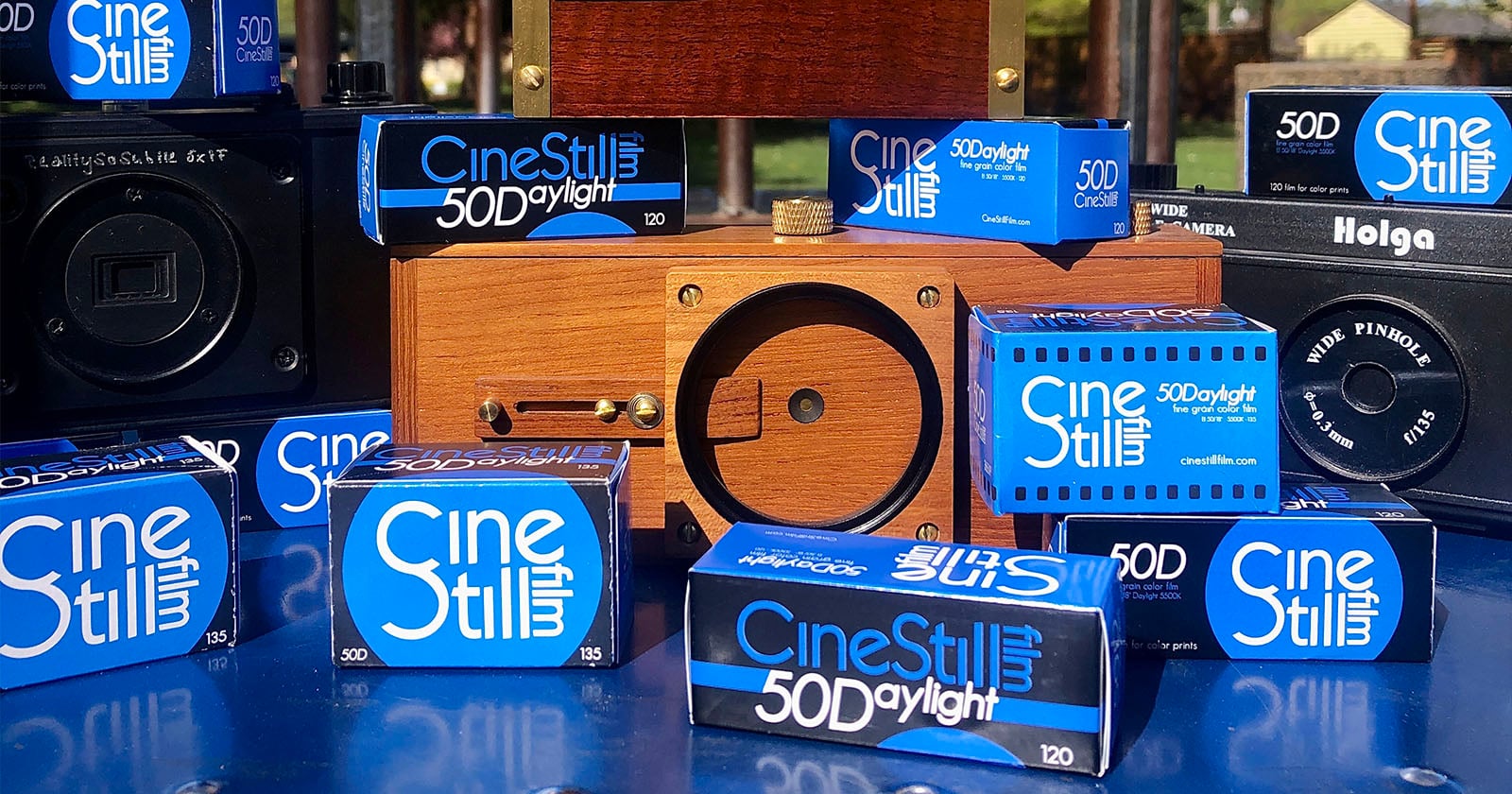
The Genesis of an Emulsion: From Hollywood to the Darkroom
CineStill 50D is not a ground-up invention but rather a sophisticated repurposing of Kodak Vision3 50D, a color negative motion picture film known technically as Kodak 5203 (in 35mm) or 7203 (in 16mm). For decades, the Vision3 family has been the gold standard for cinematic storytelling, used in countless Academy Award-winning productions. However, the use of this film in standard still cameras was historically prohibited by a specific component known as the "Remjet" layer.
The Remjet, or Removable Jet-black layer, is a carbon-backed coating applied to the base of motion picture film. In the context of cinema, where film must travel through a camera at 24 frames per second, the Remjet serves three critical functions: it acts as a lubricant to prevent mechanical jams, it dissipates static electricity caused by high-speed friction, and it serves as an anti-halation layer to prevent light from reflecting off the camera’s internal components back into the emulsion. While essential for cinema, the Remjet layer is a catastrophe for standard photographic laboratories. If processed in a standard C-41 machine, the carbon backing flakes off, contaminating the chemistry and potentially destroying both the machinery and any other film being processed simultaneously.
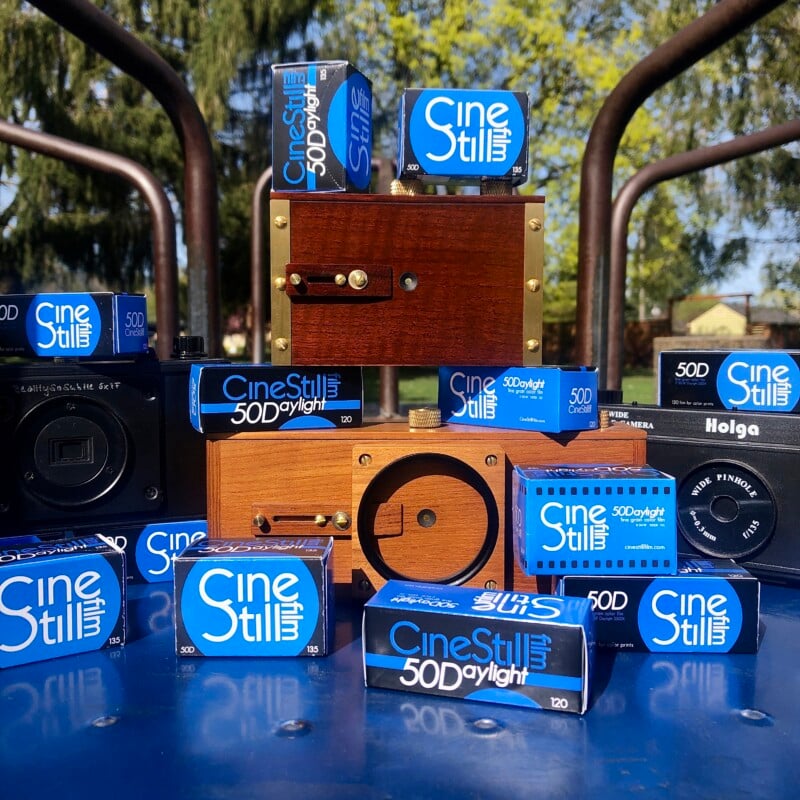
CineStill’s primary innovation, and the reason for the "conversion" process, involves the pre-removal of this Remjet layer before the film is spooled into 35mm canisters or 120 rolls. This allows the film to be safely processed by any standard lab using C-41 chemistry, effectively democratizing a cinematic aesthetic that was previously the exclusive domain of those with access to specialized ECN-2 motion picture labs.
A Chronology of the CineStill Evolution
The rise of CineStill 50D is part of a broader timeline involving the resurgence of analog media over the last decade.

- Early 2010s: As traditional film stocks like Kodak’s Ektachrome were being discontinued, a void opened in the market for specialized emulsions. Founders of CineStill began experimenting with the chemical removal of Remjet to bring the superior dynamic range of motion picture film to the still photography market.
- 2012–2013: CineStill 800T (Tungsten-balanced) was launched, becoming an instant sensation for its "neon-glow" halation effects. This success paved the way for the introduction of a daylight-balanced counterpart.
- 2016: CineStill 50D was officially introduced in 35mm format, followed by 120 medium format versions. It was marketed as the "sharpest color film in the world," leveraging the naturally fine grain of low-ISO motion picture stock.
- 2020–Present: Amidst a global "film renaissance," CineStill 50D has seen increased adoption by wedding and portrait photographers who value its "pastel" look, which competes directly with professional staples like Kodak Portra 160 and Kodak Ektar 100.
Technical Specifications and the Halation Phenomenon
At its core, CineStill 50D is an ISO 50 film, making it one of the "slowest" color films currently in production. This low sensitivity requires ample light, typically provided by bright daylight or high-powered studio strobes, but the trade-off is a level of detail and lack of grain that rivals digital sensors.
One of the most defining characteristics of CineStill 50D—and a direct result of the Remjet removal—is "halation." Because the anti-halation Remjet layer is missing, bright points of light can pass entirely through the film, strike the camera’s pressure plate, and bounce back into the red-sensitive layer of the emulsion. This creates a distinct, diffuse red glow or "halo" around highlights. While some purists view this as a technical flaw, many modern photographers utilize it as a creative signature, adding a dreamlike, ethereal quality to images that digital filters struggle to replicate authentically.

Furthermore, the film is noted for its exposure latitude. Derived from the Vision3 family, which was designed to hold detail in both extreme highlights and deep shadows for post-production grading, 50D can handle significant overexposure without losing detail. This makes it an exceptionally forgiving film for those working in high-contrast environments.
Comparison with Market Competitors: The "Portra" Alternative
In the professional market, CineStill 50D occupies a niche between Kodak Portra 160 and Kodak Ektar 100. While Ektar is famous for its intense saturation and high contrast (often preferred for landscapes), and Portra is beloved for its warm, golden skin tones, 50D offers a middle ground.

Data from user tests and laboratory scans indicate that 50D produces a softer, more pastel color palette. Its saturation is noticeably lower than Ektar, providing a more "naturalistic" or "documentary" feel. Interestingly, many photographers have noted that 50D produces skin tones that are more accurate and less "red-shifted" than Portra in certain lighting conditions, making it a viable, albeit niche, choice for high-end portraiture and fashion editorials.
The Chemistry of Cross-Processing: C-41 vs. ECN-2
A critical point of discussion within the analog community is the development process of CineStill 50D. Though it is marketed for C-41 processing, it remains natively an ECN-2 (Eastman Color Negative) film. Developing 50D in C-41 chemistry is technically a form of cross-processing.

Industry experts and specialized labs, such as Blue Moon Camera and Machine, note that the results differ slightly depending on the chemistry used. When processed in the "intended" ECN-2 chemistry, the film exhibits slightly more vivid colors and a broader tonal range. When cross-processed in C-41, the contrast is slightly increased, and the saturation is dampened, contributing to the "pastel" look that many users find desirable. This versatility allows photographers to "tune" the film’s output based on their choice of laboratory and development method.
Challenges in the Digital Workflow: The Scanning Hurdle
Despite its many advantages, CineStill 50D presents unique challenges during the scanning and post-production phase. Because the film base of motion picture stock differs from traditional still film (like Kodak Gold or Fuji Superia), automated scanners often struggle to balance the colors correctly.

Initial raw scans of 50D frequently exhibit a yellow or greenish color cast. In other instances, if the scanner’s software attempts to over-correct for the daylight balance, the images can appear excessively blue or "cold." Photographers and lab technicians emphasize that 50D requires a more "hands-on" approach to color correction during the scanning process. Once the initial color cast is neutralized, the film reveals its true potential: a neutral, high-fidelity image that serves as an excellent canvas for further editing.
Broader Industry Impact and Market Implications
The continued relevance of CineStill 50D highlights a significant shift in the photography industry. As digital cameras become increasingly homogenized in their output, the demand for "organic" and "imperfect" media has surged. The inclusion of 50D in a photographer’s kit is often a deliberate choice to slow down the creative process.
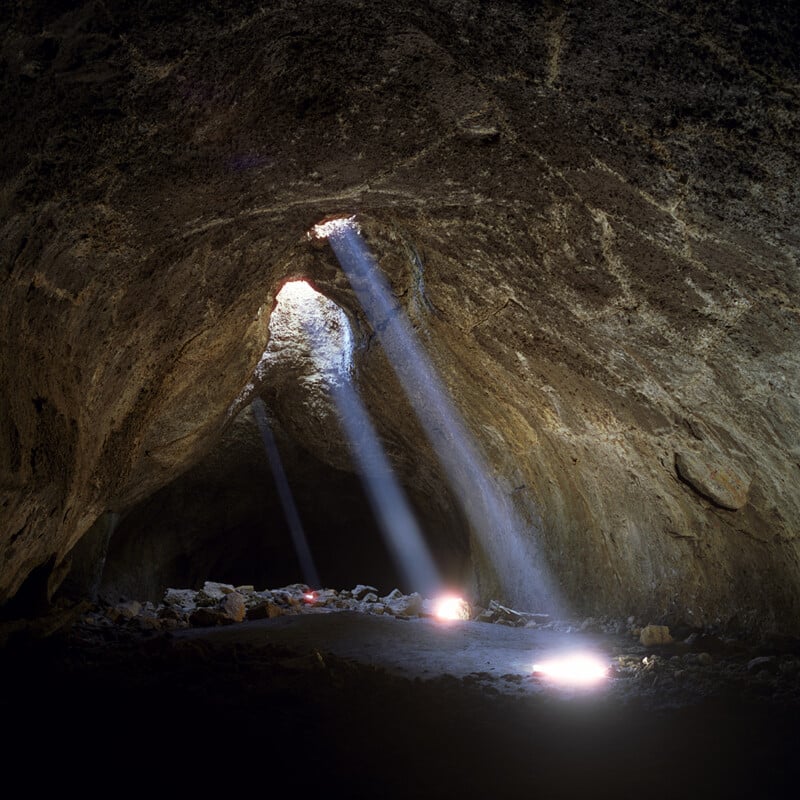
The low ISO of 50D has also made it a favorite for niche applications:
- Pinhole Photography: The slow speed allows for the long exposure times necessary for pinhole cameras, which lack traditional lenses and shutters.
- Long Exposure Landscapes: Photographers can use 50D to blur water or clouds without always needing heavy Neutral Density (ND) filters, even in daylight.
- Cinematic Stills: For photographers attempting to recreate the look of specific films shot on Vision3 stock (such as Dunkirk or Once Upon a Time in Hollywood), 50D provides the most authentic starting point available.
The success of CineStill has also sparked a wave of competitors. Other "boutique" film brands have begun offering their own versions of Remjet-free motion picture film, leading to a more competitive and diverse market. This competition has been beneficial for consumers, ensuring that even as traditional film prices rise, there are high-quality, professional-grade alternatives to the standard "big box" brands.

Conclusion: The Case for the Slow Roll
While CineStill 800T will likely remain the brand’s flagship due to its high-speed versatility and dramatic night-time performance, CineStill 50D stands as a testament to the beauty of subtlety. It is a film that demands intentionality—requiring the photographer to seek out the light and carefully consider their composition.
For the analog community, 50D is more than just a repurposed roll of movie film; it is a tool that brings the technical excellence of the silver screen to the palm of the hand. As the film industry continues to navigate supply chain challenges and fluctuating costs, the presence of specialized emulsions like 50D ensures that the medium remains not just a nostalgic hobby, but a sophisticated and evolving art form. Whether used for its fine grain, its unique halation, or its cinematic pedigree, CineStill 50D remains a vital, if under-appreciated, pillar of the modern film revival.

