


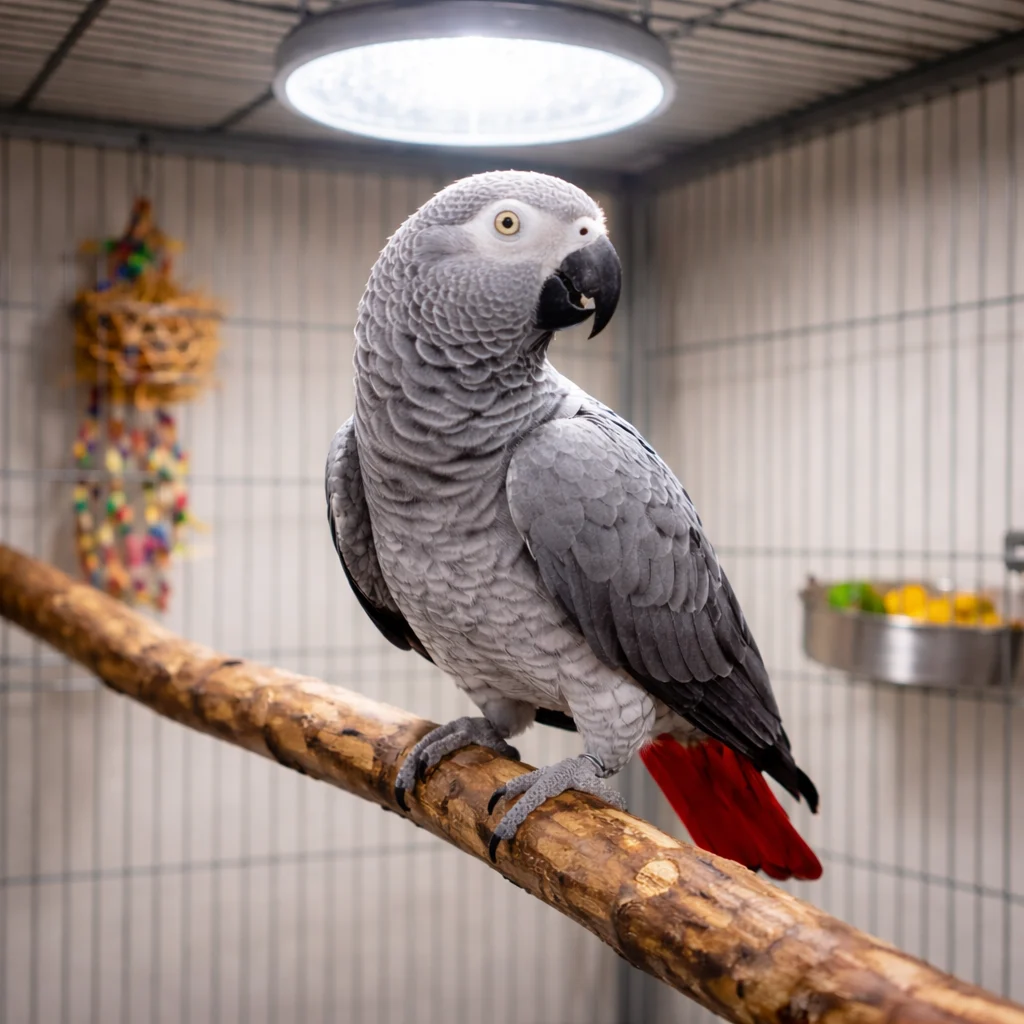
The Silent Threat: Winter’s Impact on Avian Physiology
For many indoor birds, winter brings a stark reduction in exposure to natural sunlight. While seemingly benign, this environmental change disrupts a fundamental biological process vital for avian health. Birds, like many other vertebrates, synthesize vitamin D3 in their skin when exposed to specific wavelengths of UVB light. This vitamin D3 is then metabolized into its active hormonal form, calcitriol, which is essential for the efficient absorption of dietary calcium from the gut. Without sufficient UVB exposure, this critical pathway falters, leading to a diminished capacity to utilize calcium, regardless of how calcium-rich their diet might be.
This physiological shift can manifest in various ways, often subtly at first. Owners might notice a slight weakening of perch grip, an increase in seemingly innocuous behaviors like excessive feather shredding, or a general dullness in feather quality. Activity levels may decrease, and some birds might exhibit increased irritability or a "shorter fuse." These initial signs are often dismissed as typical seasonal changes or minor behavioral quirks, but avian wellness educators, such as Diane Burroughs, LCSW, emphasize that such changes are neither normal nor safe. A healthy indoor bird should maintain consistent strength, coordination, feather quality, and stable behavior year-round. Any deviation, particularly during winter, should prompt a thorough evaluation of their light and nutritional regimen.
Unpacking the Biochemistry: The Vitamin D3-Calcium Connection
The intricate relationship between UVB light, vitamin D3, and calcium is central to avian health. In nature, birds spend considerable time outdoors, basking in sunlight. The UVB radiation (specifically wavelengths between 290 and 315 nanometers) penetrates the skin and converts a precursor molecule, 7-dehydrocholesterol, into pre-vitamin D3. This pre-vitamin D3 then isomerizes into vitamin D3, which is transported to the liver and kidneys for further hydroxylation, ultimately forming calcitriol. Calcitriol acts as a hormone, regulating calcium and phosphorus levels in the blood by enhancing calcium absorption in the intestines, promoting calcium reabsorption in the kidneys, and facilitating calcium release from bones when blood levels are low.
Calcium itself is a cornerstone of avian physiology, far beyond just bone strength. It plays critical roles in:
- Skeletal Integrity: Forming strong bones and beaks.
- Muscle Function: Essential for muscle contraction, including the vital heart muscle.
- Nerve Transmission: Facilitating nerve impulse conduction.
- Blood Clotting: A crucial factor in the coagulation cascade.
- Eggshell Formation: Absolutely vital for female birds, where deficiencies can lead to egg-binding and other reproductive complications.
When vitamin D3 levels are insufficient, dietary calcium simply passes through the digestive system largely unabsorbed. To maintain critical functions like heartbeat and muscle movement, the bird’s body resorts to a dangerous compensatory mechanism: drawing calcium directly from its bones. This process, known as bone resorption, can continue silently for weeks or even months, progressively weakening the skeletal structure until overt symptoms of deficiency become apparent. By this stage, bone strength may already be dangerously compromised, making immediate intervention crucial.
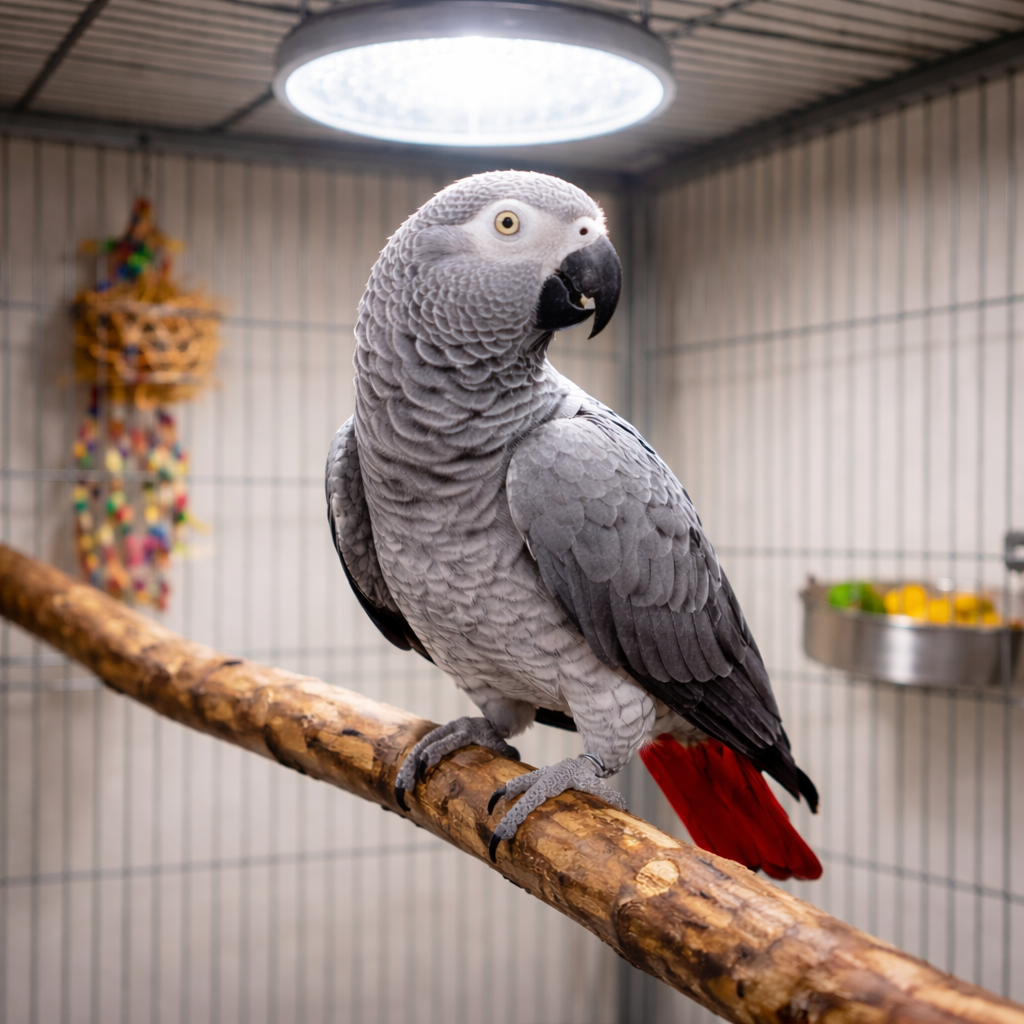
Recognizing the Warning Signs: A Chronology of Deficiency
The progression of calcium and vitamin D3 deficiency in birds often follows a predictable pattern, moving from subtle indicators to severe, life-threatening conditions. Recognizing these signs early is paramount for effective intervention.
-
Subtle Behavioral Shifts (Early Stage):
- Weaker Perch Grip/Sliding: One of the earliest indicators. The bird may struggle to hold firmly onto perches, sometimes sliding or needing to readjust its grip more frequently. This reflects early neuromuscular weakness.
- Increased Irritability or Reactivity: Mineral imbalances, particularly calcium and magnesium, can heighten nervous system excitability, leading to a shorter temper, more aggressive responses, or general agitation.
- Excessive Shredding/Preening: While often attributed to boredom, increased shredding of toys or feathers can sometimes be a sign of underlying discomfort or stress related to nutritional imbalances.
- Lower Activity Levels: A general reduction in enthusiasm for play, flying, or exploration, often dismissed as "being tired."
-
Physical Manifestations (Intermediate Stage):
- Dull or Poor Quality Feathers: Low vitamin D3 impacts feather follicle integrity. Feathers may appear dull, brittle, or show stress bars. Molting may be delayed or abnormal.
- Reduced Flight Strength/Shorter Flights: As muscle strength diminishes, flight duration and power decrease. The bird may struggle to gain altitude or maintain sustained flight.
- Changes in Posture: A slouched or less alert posture compared to their usual bright, upright stance.
- Mild Tremors or Instability: Occasional, subtle trembling, especially in the legs, or slight unsteadiness when perching.
-
Critical Health Emergencies (Advanced Stage):
- Falling or Loss of Balance: As bone and muscle weakness progresses, the bird may fall from perches or lose balance frequently.
- Severe Tremors or Seizure-Like Episodes: These are grave indicators of severe neurological impairment due to critically low calcium levels. Immediate veterinary intervention is required.
- Fractures: Severely demineralized bones become brittle and prone to spontaneous fractures, even from minor impacts or everyday activities.
- Egg-Binding (for females): Inability to pass an egg due to insufficient calcium for uterine contractions or proper eggshell formation. This is a life-threatening emergency.
- Splayed Legs: Particularly in young birds, severe calcium deficiency can lead to skeletal deformities.
Beyond Pellets: The Crucial Role of Usable Calcium
A common misconception among bird owners is that feeding a high-quality pellet diet, supplemented with vegetables and even a cuttlebone, is sufficient to prevent calcium deficiency. While these dietary components provide calcium, their efficacy hinges on the bird’s ability to absorb and metabolize it. As avian wellness educator Diane Burroughs points out, "Calcium only works if your bird can absorb it. Without UVB light, your bird can’t make vitamin D3. Without vitamin D3, the calcium in food simply passes through the body instead of strengthening bones and supporting nerves and muscles."
This highlights a critical distinction: providing calcium is not the same as providing usable calcium. Simply offering more pellets, additional cuttlebones, or generic calcium supplements will not rectify the problem if the fundamental mechanism for absorption – vitamin D3 synthesis via UVB exposure – is missing. In fact, excessive calcium supplementation without adequate D3 can sometimes lead to other mineral imbalances or even toxicity. The solution lies in addressing the root cause: the "light problem."

Proactive Measures: Safeguarding Your Bird’s Health
Addressing winter-induced calcium deficiency requires a multifaceted approach focused on both environmental enrichment and dietary management.
-
Implementing Proper UVB Lighting:
- Type of Lamp: Specialized avian UVB lamps are crucial. These come in various forms, including compact fluorescent bulbs, linear fluorescent tubes, and mercury vapor lamps. Compact and linear fluorescents are suitable for smaller enclosures, while mercury vapor lamps provide both UVB and heat, ideal for larger aviaries.
- Placement and Distance: UVB output diminishes significantly with distance. Lamps should be placed within the manufacturer’s recommended distance (often 6-18 inches) from the bird’s favorite perching spots, without any glass or plastic barriers that block UVB rays.
- Timer Use: A consistent photoperiod is important. UVB lights should be on for 10-12 hours daily, mimicking natural daylight cycles.
- Regular Replacement: UVB bulbs lose their UVB output long before they burn out. Most manufacturers recommend replacing them every 6-12 months, even if they still appear to be working.
- Full Spectrum Beyond UVB: While UVB is critical, full-spectrum lighting (including UVA, visible light, and some IR) also contributes to overall well-being, enhancing color perception and mood.
-
Optimizing Dietary Calcium and D3:
- Balanced Diet: A high-quality pelleted diet should form the foundation, providing a balanced array of nutrients.
- Calcium-Rich Foods: Supplement with calcium-rich vegetables like kale, collard greens, broccoli, and spinach (in moderation due to oxalates). Offer cooked bone (e.g., from chicken), and certain nuts/seeds in moderation.
- Calcium-to-Phosphorus Ratio: Maintaining an ideal calcium-to-phosphorus ratio (typically 1.5:1 to 2:1) is crucial, as excess phosphorus can inhibit calcium absorption.
- Vitamin D3 Supplementation (Veterinarian Guidance): In cases where UVB exposure is impossible or insufficient, a veterinarian may recommend a specific vitamin D3 supplement. It is crucial not to self-medicate with human vitamin D supplements, as avian requirements differ, and overdose can be toxic. Water-soluble D3 can be an option but must be carefully dosed.
-
The Importance of Avian Veterinary Care:
- Regular Check-ups: Annual or semi-annual veterinary examinations are essential, particularly for indoor birds. These check-ups can help identify early signs of nutritional deficiencies.
- Diagnostic Testing: If deficiency is suspected, a vet can perform blood tests to measure calcium and vitamin D3 levels.
- Emergency Care: For birds exhibiting severe symptoms like tremors, seizures, or paralysis, immediate emergency veterinary care is non-negotiable.
Expert Consensus and Future Implications
The understanding of avian nutrition and environmental needs has evolved significantly. Avian veterinarians and wildlife biologists widely agree that proper UVB lighting is not merely a luxury but a fundamental requirement for the health of most indoor pet bird species. Dr. Susan O’Malley, a prominent avian veterinarian, often states, "We wouldn’t keep a reptile without appropriate lighting, and birds are no different in their need for UVB to synthesize vital nutrients." This consensus underscores a broader shift in pet care towards mimicking natural environments as closely as possible.
The implications of this knowledge extend beyond individual pet birds. It encourages manufacturers to develop more effective and accessible avian lighting solutions, and for pet retailers to provide accurate information and appropriate products. For bird owners, it places a clear responsibility to educate themselves and implement proactive strategies to prevent preventable conditions. As global awareness of animal welfare grows, ensuring the physiological needs of companion animals, including their light and nutritional requirements, becomes an ethical imperative. The focus on "usable calcium" and the recognition of "winter light loss" as a physiological problem, not a mere seasonal quirk, represent crucial steps forward in promoting long-term avian wellness. The continued efforts of educators like Diane Burroughs are instrumental in bridging the gap between scientific understanding and practical pet care, empowering owners to provide optimal environments for their feathered friends.

