


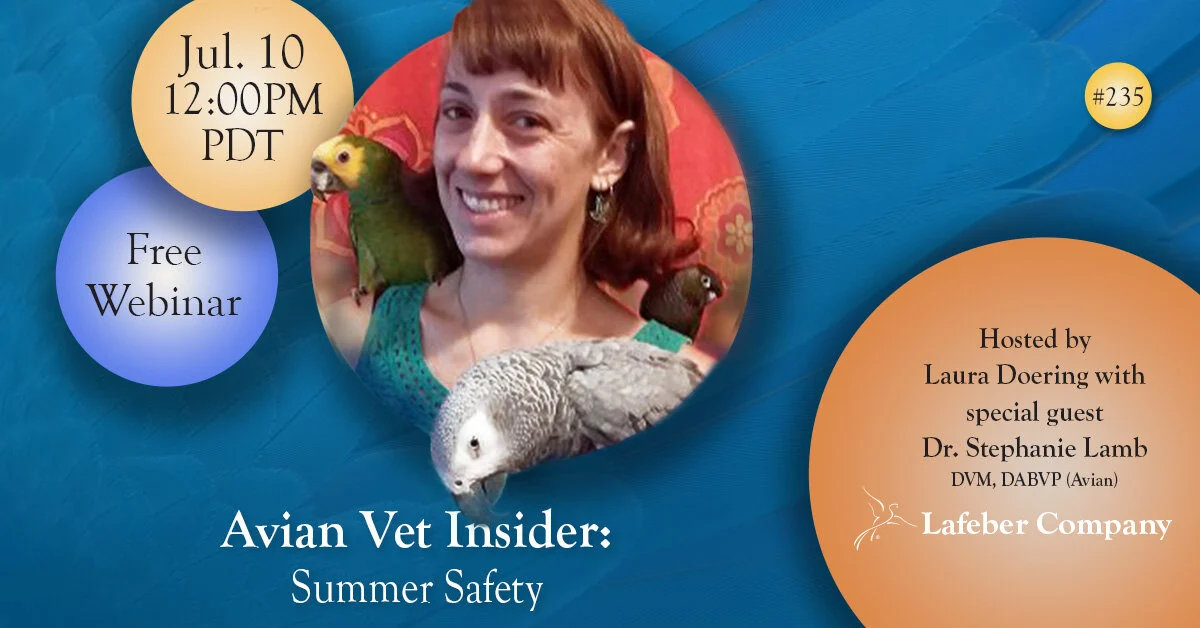
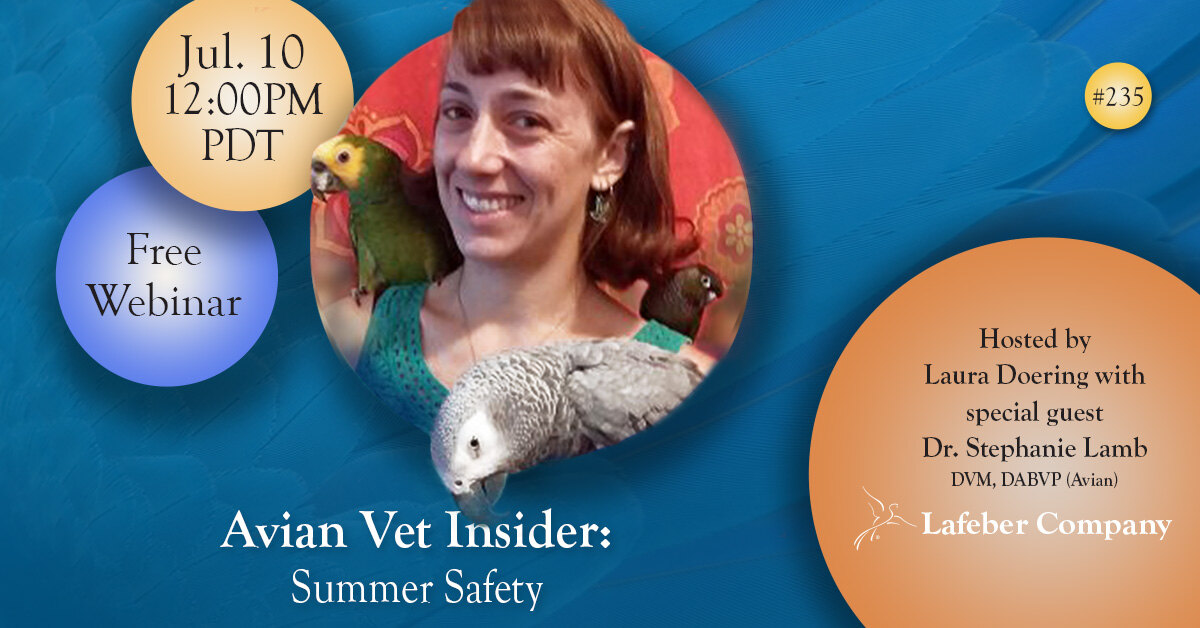
The impending arrival of warmer temperatures underscores the vital importance of proactive pet care, a message central to the upcoming "Avian Vet Insider – Summer Safety" webinar scheduled for Friday, July 10, 2026. This critical online event, presented by board-certified avian veterinarian Dr. Stephanie Lamb, DVM, DABVP (Avian Practice), aims to equip bird owners with essential knowledge and practical strategies to ensure the well-being of their feathered companions throughout the summer months. Commencing at 12:00 p.m. PDT, with an emphasis on participants verifying their local time zones, the webinar is particularly timely given the concurrent observance of National Pet Hydration Month, a key focus area of the presentation.
The Avian Vet Insider Series: A Commitment to Pet Bird Health Education
The "Avian Vet Insider" series, from which this webinar originates, stands as a cornerstone initiative dedicated to advancing the health and welfare of pet birds through expert-led educational content. Organized by leading voices in avian nutrition and care, the series consistently brings together renowned veterinary professionals to address pertinent topics, bridging the gap between cutting-edge veterinary science and practical home care. These webinars serve as invaluable resources for both seasoned bird enthusiasts and novice owners, offering accessible, evidence-based advice that directly impacts the quality of life for avian pets. The July 10, 2026 installment, focusing on summer safety, represents a strategic response to seasonal challenges that historically lead to an increase in avian health emergencies. The series’ commitment extends beyond immediate problem-solving, fostering a culture of preventative care and informed pet ownership that is crucial for the long-term health of exotic birds.
The Criticality of Summer Safety for Avian Companions
Summer, while often associated with leisure and outdoor activities, presents a unique set of physiological and environmental challenges for pet birds. Unlike many mammalian pets, birds possess a highly efficient respiratory system and a faster metabolic rate, making them exceptionally susceptible to heat stress and heatstroke. Their inability to sweat, coupled with their feather insulation, means they rely heavily on panting and evaporative cooling, which can quickly lead to dehydration and overheating in high temperatures or humid conditions. Veterinary clinics frequently report a noticeable surge in heat-related avian emergencies during peak summer months, with incidents ranging from mild heat exhaustion to fatal heatstroke. Data from a 2024 survey of avian veterinary practices indicated a 25-30% increase in heat-related presentations during July and August compared to cooler months, underscoring the severity of these seasonal risks.
Beyond direct heat exposure, summer brings other potential hazards. Increased outdoor time for pet birds, while enriching, necessitates careful supervision to prevent escapes, encounters with predators, or exposure to environmental toxins such as pesticides, herbicides, or fertilizers used in gardens. Open windows and doors, a common feature of summer living, can pose significant escape risks, while unsecured screens might not withstand a determined bird. Furthermore, the use of fans, air conditioning, and misters, while beneficial for cooling, must be implemented carefully to avoid drafts or over-misting that could lead to respiratory issues or chilling. Dr. Lamb’s webinar is poised to meticulously unpack these diverse threats, offering a holistic view of summer safety that extends beyond mere temperature control.
Focus on Hydration: A Deep Dive into National Pet Hydration Month
The timing of the "Avian Vet Insider – Summer Safety" webinar during July’s National Pet Hydration Month is no mere coincidence; it is a deliberate and strategic alignment designed to maximize awareness of a fundamental aspect of avian health. National Pet Hydration Month serves as an annual reminder for all pet owners about the critical role water plays in maintaining their animals’ physiological functions, from temperature regulation and nutrient transport to waste elimination and organ function. For birds, proper hydration is paramount. Their rapid metabolism means they cycle through water more quickly than many other animals, and even a slight decrease in fluid intake can have profound effects on their health.
Dr. Stephanie Lamb is expected to elaborate extensively on the specific physiological needs of birds concerning hydration. She will likely discuss how various species, depending on their natural habitats (e.g., desert birds vs. rainforest birds), may exhibit different hydration requirements and coping mechanisms. Crucially, the webinar will delve into recognizing the subtle yet critical signs of dehydration in birds. These can often be difficult for owners to detect until the condition is advanced. Expected indicators to be covered include:
- Lethargy and Weakness: A bird that is unusually quiet, listless, or has difficulty perching.
- Sunken Eyes: A noticeable recession of the eyes into their sockets.
- Dry Mucous Membranes: A lack of moisture around the beak or inside the mouth.
- Increased Panting: While normal for cooling, excessive or prolonged panting can indicate overheating and dehydration.
- Changes in Droppings: Small, dry, or excessively liquid droppings, or a lack of urination (urates being the white part of bird droppings) can signal dehydration.
- Loss of Skin Elasticity: Though harder to assess in birds, a gentle pinch of the skin (e.g., on the leg) might show slow return to normal.
- Decreased Appetite and Thirst: Paradoxically, severely dehydrated birds may lose the desire to eat or drink.
Beyond identification, Dr. Lamb will provide actionable strategies for ensuring optimal hydration. These practical tips will likely include: offering multiple water sources in the cage, using ceramic or stainless steel bowls that are easy to clean and sanitize daily, ensuring water is fresh and cool (especially during hot spells), and considering the addition of electrolyte solutions under veterinary guidance for birds exhibiting early signs of stress or illness. The integration of hydrating foods, such as fresh fruits and vegetables with high water content (e.g., watermelon, cucumber, leafy greens), will also be a key discussion point, presented as a supplemental measure rather than a replacement for fresh water.
Expert Insight: The Role of Dr. Stephanie Lamb, DVM, DABVP (Avian Practice)
The selection of Dr. Stephanie Lamb to lead this crucial webinar underscores the commitment to delivering authoritative and evidence-based information. Dr. Lamb’s credentials as a DVM (Doctor of Veterinary Medicine) are foundational, but her distinction as a DABVP (Avian Practice) signifies a higher level of specialization and expertise. DABVP stands for Diplomate of the American Board of Veterinary Practitioners, and "Avian Practice" indicates that she has undergone rigorous additional training, extensive case experience, and passed a demanding examination process to become board-certified in the care of birds. This certification is a testament to her profound knowledge of avian physiology, pathology, pharmacology, surgery, and preventative medicine across a wide range of avian species.
Owners seeking advice for their unique feathered companions often find general veterinary advice insufficient. Board-certified avian veterinarians like Dr. Lamb possess an unparalleled depth of understanding regarding species-specific needs, common ailments, and the subtle indicators of distress in birds. Her insights are not merely theoretical; they are grounded in years of clinical practice and a dedication to advancing avian welfare. Attendees of the webinar can anticipate not just a recitation of facts but a nuanced discussion informed by real-world experience, offering practical, actionable advice that can be immediately applied to their pets’ care routines. Her ability to translate complex veterinary concepts into understandable language will be invaluable for the diverse audience.
Broader Implications and Preventative Care
The educational outreach exemplified by the "Avian Vet Insider – Summer Safety" webinar has broader implications for both individual pet welfare and the collective responsibility of the pet-owning community. Proactive preventative care, as championed by this event, stands in stark contrast to reactive emergency interventions. By empowering owners with knowledge about summer risks and hydration needs, the webinar aims to significantly reduce the incidence of preventable illnesses and injuries. This translates directly into improved quality of life for pet birds, mitigating unnecessary suffering and discomfort.
From an economic perspective, investing time in preventative education can yield substantial savings for pet owners. Emergency veterinary visits for heatstroke or severe dehydration can be costly, often involving intensive care, fluid therapy, and extended hospitalization. A single emergency visit can easily surpass the cost of preventative measures, not to mention the emotional distress caused by a pet’s critical condition. Educational initiatives like Dr. Lamb’s webinar serve as a cost-effective alternative, promoting habits that foster long-term health and reduce the likelihood of expensive crises.
Beyond the immediate scope of summer safety, the webinar reinforces the fundamental principles of responsible pet ownership. It highlights that owning an exotic pet, such as a bird, requires a commitment to continuous learning and adaptation to their specific needs, which can vary significantly with environmental changes. It encourages owners to view their role as stewards of their pets’ health, actively seeking information and implementing best practices. This educational model contributes to a more informed and engaged pet-owning demographic, ultimately elevating standards of animal welfare across the board. The information shared will not only cover direct heat risks but likely touch upon broader environmental considerations such as proper cage placement to avoid direct sun exposure, the benefits of misters or bird baths for cooling and feather health, and the importance of monitoring water temperature.
Logistical Details and Registration
The "Avian Vet Insider – Summer Safety" webinar is scheduled for Friday, July 10, 2026, at 12:00 p.m. Pacific Daylight Time (PDT). Given the global or widespread nature of online audiences, participants are strongly encouraged to utilize the provided time zone converter link (https://www.timeanddate.com/worldclock/converter.html) to accurately determine the corresponding start time in their respective locations. This proactive measure ensures that no interested party misses out on the live broadcast.
The event will be hosted on the Zoom webinar platform, known for its robust capabilities in facilitating interactive online presentations. To secure participation, prospective attendees must register in advance via the dedicated link: https://us02web.zoom.us/webinar/register/WN_HFBTTMyITByTDwuACEkvQg. Upon successful registration, participants will receive a confirmation email containing unique access details for the webinar. The platform typically offers features such as live Q&A sessions, allowing attendees to pose questions directly to Dr. Lamb, and may include options for closed captioning or post-event access to a recording for those unable to attend live. These logistical arrangements are designed to maximize accessibility and engagement, ensuring the critical information reaches as wide an audience as possible.
The "Avian Vet Insider – Summer Safety" webinar with Dr. Stephanie Lamb represents an indispensable opportunity for pet bird owners to proactively safeguard their companions against the inherent challenges of the summer season. By focusing on critical aspects such as heat stress prevention and comprehensive hydration strategies, this event promises to empower attendees with the knowledge necessary for responsible and compassionate avian care. The collective commitment to ongoing education, as embodied by this webinar, is fundamental to fostering healthier, happier lives for pet birds worldwide.

