


The plight of free-roaming animal populations in rural America remains a significant challenge for animal welfare organizations, as evidenced by a recent intervention in southeastern Virginia. Representatives from People for the Ethical Treatment of Animals (PETA) and their Community Animal Project (CAP) have successfully facilitated the rescue and rehabilitation of two kittens, now named Kylian and Leo, who were suffering from severe medical neglect. The intervention highlights the complex intersection of community outreach, veterinary scarcity in rural regions, and the critical importance of low-cost spay and neuter services.
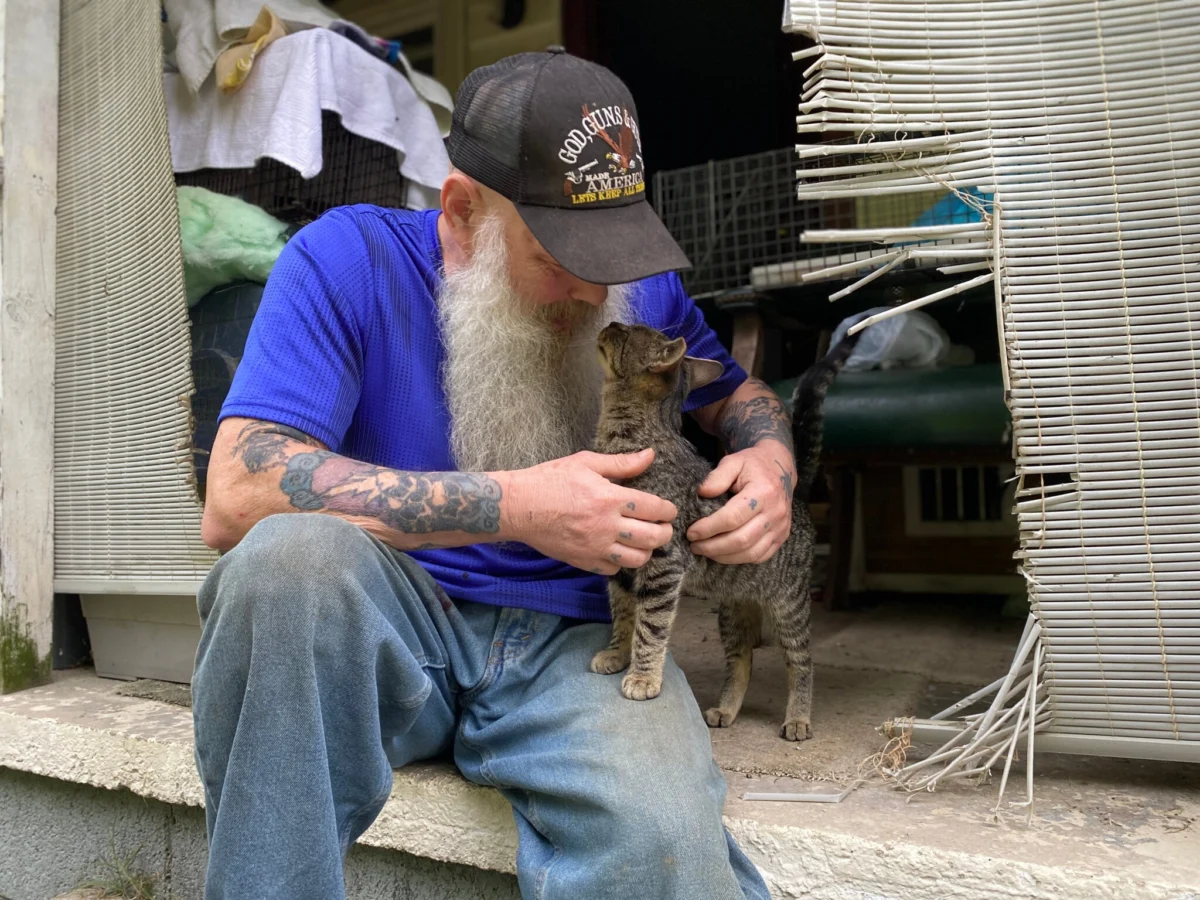
The rescue operation began when CAP fieldworkers encountered a resident in rural Virginia who had been attempting to manage a growing colony of free-roaming cats on his property. While the individual expressed a clear affinity for the animals, the lack of accessible veterinary resources and the rapid reproductive cycle of the feline population had led to a situation that was no longer sustainable. This case underscores a common phenomenon in rural animal welfare: the transition from well-intentioned feeding to "overwhelmed caregiving," where the sheer number of animals outstrips the guardian’s ability to provide adequate medical care and population control.
The Scope of the Rural Feline Overpopulation Crisis
The situation in southeastern Virginia is a microcosm of a larger national issue. According to data from the American Society for the Prevention of Cruelty to Animals (ASPCA) and the Humane Society of the United States, there are an estimated 30 to 40 million community cats across the country. In rural areas, this problem is often exacerbated by "veterinary deserts"—geographic regions where residents must travel significant distances to access even basic medical services for animals.
In this specific instance, PETA’s CAP team sought to establish a rapport with the local guardian rather than pursue punitive measures. This approach is part of a broader strategy known as community-supported sheltering and outreach, which focuses on providing resources to pet owners in underserved areas to prevent animal suffering before it reaches a terminal stage. By gaining the guardian’s trust, fieldworkers were able to initiate a comprehensive plan to stabilize the local cat population.
Chronology of the Intervention and Medical Rescue
The intervention unfolded over several weeks, beginning with a assessment of the cats living on the property. The following timeline details the progression of the rescue:
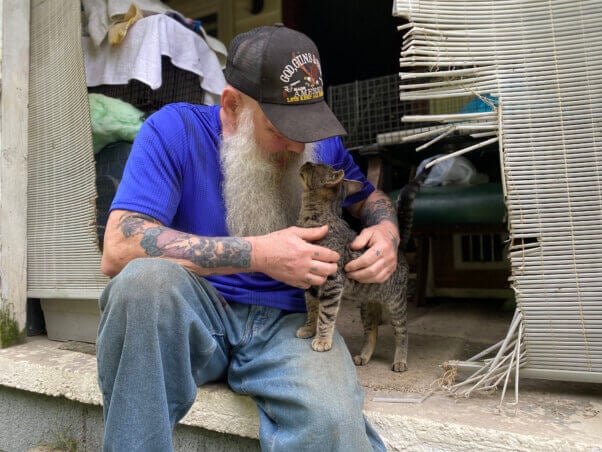
- Initial Assessment and Trust Building: CAP fieldworkers identified the property as an area of need. They met with the guardian, who was struggling to feed and monitor several dozen cats.
- Population Control Measures: PETA deployed one of its mobile clinics to the site. Several adult cats were trapped, transported, and subsequently spayed or neutered. During these visits, the cats also received essential vaccinations and treatment for common parasites.
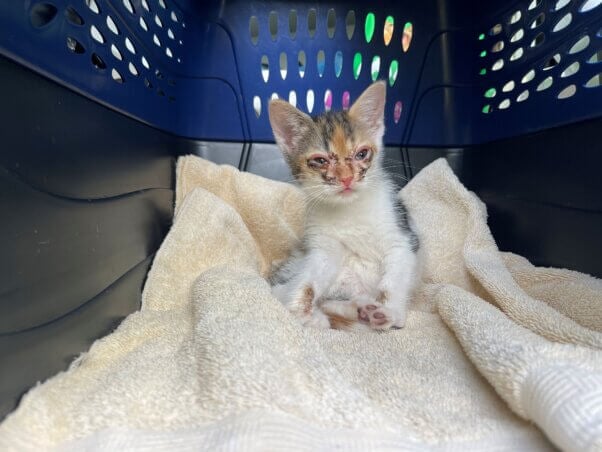
- Identification of Critical Cases: During the ongoing sterilization efforts, the guardian alerted fieldworkers to a six-week-old calico kitten, later named Leo. The kitten was suffering from a severe upper respiratory infection (URI).
- Relinquishment of Leo: Recognizing the severity of the kitten’s condition—which included ocular discharge so thick her eyes were at risk of permanent damage—the guardian voluntarily relinquished custody to PETA to ensure she received life-saving medical intervention.
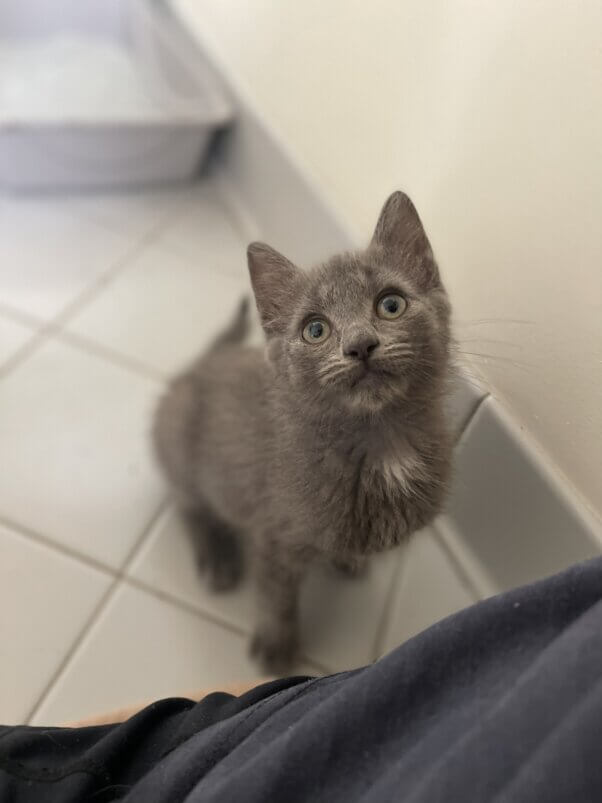
- The Rescue of Kylian: Within 48 hours of Leo’s rescue, the guardian contacted CAP via their emergency pager. A second kitten, a seven-week-old gray male named Kylian, was exhibiting labored breathing and signs of a secondary pneumonia-like infection. He was also surrendered to the CAP team.
- Rehabilitation and Foster Care: Both kittens were moved from immediate clinical care to a specialized foster home environment where they could be monitored around the clock.
Medical Analysis: The Impact of Upper Respiratory Infections
The medical condition of Kylian and Leo is typical of kittens born into unmanaged colonies. Feline Upper Respiratory Infection complex is a highly contagious disease primarily caused by Feline Herpesvirus-1 or Feline Calicivirus. In a controlled environment, these infections are manageable; however, in rural colonies, they are often fatal for kittens.
Leo’s condition was particularly acute. Untreated URIs in kittens frequently lead to conjunctivitis and corneal ulcers. If the eyelids remain sealed by discharge for extended periods, the resulting infection can lead to the rupture of the globe, necessitating enucleation (surgical removal of the eye). Through aggressive antibiotic treatment and topical ophthalmic medications provided by PETA’s veterinary staff, Leo’s eyesight was preserved.
Kylian’s case presented different challenges. His "Darth Vader-like" breathing, as described by fieldworkers, indicated significant congestion in the upper and lower airways. Such conditions in neonatal kittens can lead to rapid dehydration and death. The intervention of CAP provided the necessary nebulization and systemic antibiotics required to clear his respiratory tract.
The Role of PETA’s Community Animal Project (CAP)
PETA’s Community Animal Project operates as a front-line resource in some of the most impoverished areas of Virginia and North Carolina. The project’s data for recent years indicates a high volume of community engagement. In 2023 alone, PETA reported that its mobile clinics performed over 11,000 spay and neuter surgeries, many of them free of charge or at a highly subsidized rate for residents in rural counties.
The CAP philosophy centers on the idea that animal suffering is often a byproduct of poverty and lack of education rather than intentional cruelty. By providing sturdy doghouses, straw bedding, food, and medical care to animals who would otherwise have nothing, the project aims to improve the baseline of animal welfare in the region. The rescue of Kylian and Leo serves as a primary example of how field presence allows for the identification of vulnerable animals who would otherwise perish unnoticed.
Behavioral Rehabilitation and the "Bonded Pair" Dynamic
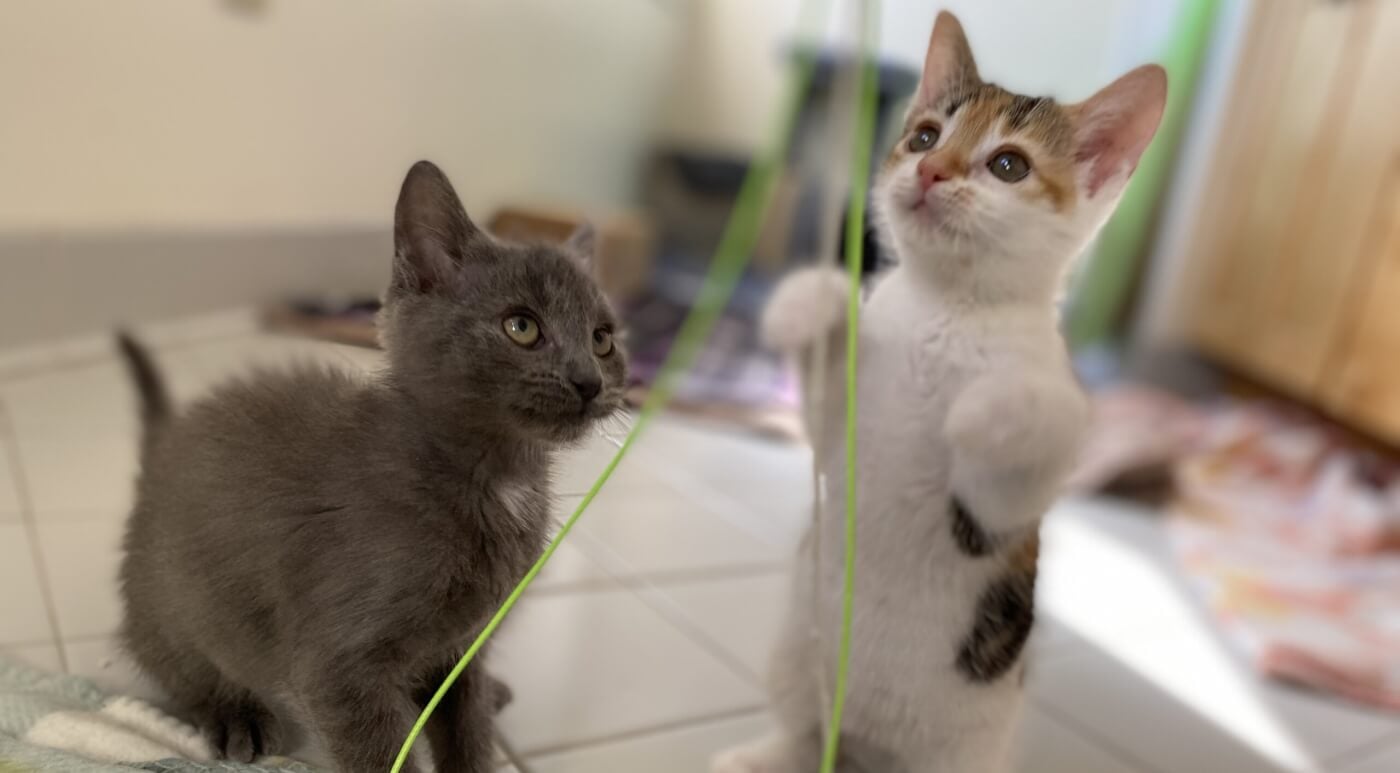
A significant aspect of the kittens’ recovery was their social interaction. After their initial medical stabilization, the two kittens were housed together in a foster home. Animal behaviorists often recommend that kittens be raised in pairs, especially when they have survived early-life trauma or illness.
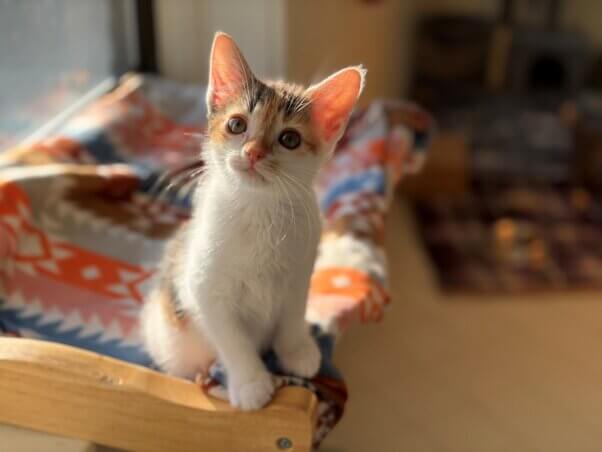
Observation by foster caregivers noted that Leo and Kylian provided each other with essential social grooming and "play therapy," which accelerated their physical recovery. This bond has led PETA to designate the duo as a "bonded pair," meaning they will be placed for adoption together. The synergy between the two has transformed them from lethargic, sickly infants into active, socialized kittens ready for a domestic environment.
Broader Implications and Official Responses
The successful recovery of these kittens has sparked discussions regarding the necessity of increased funding for mobile veterinary units. While local shelters in rural Virginia are often at or over capacity, mobile clinics like those operated by PETA provide a "pre-shelter" intervention that reduces the burden on municipal systems.
In a statement reflecting on the project’s mission, PETA representatives emphasized that the goal is not merely to rescue individual animals but to change the trajectory of the communities they serve. "Our fieldworkers are on the ground every day in places where there are no other options for animals," the organization noted. "The rescue of Kylian and Leo is a testament to what can happen when we work with the community rather than against it."
The guardian of the kittens, while remaining anonymous to protect his privacy, expressed relief that the animals were receiving care he was unable to provide. His cooperation allowed PETA to continue the sterilization of the remaining cats on his property, effectively ending the cycle of birth and death for that specific colony.
Conclusion and Path to Adoption
As of July 2026, Kylian and Leo have been cleared by veterinary professionals and are fully vaccinated and neutered. They represent a victory for community-based animal rescue. Their journey from the brink of blindness and respiratory failure in a rural yard to a state of health highlights the efficacy of targeted animal welfare interventions.
The search for a permanent home for the pair is currently underway. PETA’s adoption criteria for the duo emphasize an indoor-only environment where they can remain together. This case remains a prominent example of how direct action, medical expertise, and community trust can intersect to save lives in the most underserved regions of the country. For those interested in the welfare of rural animal populations, the story of Kylian and Leo serves as both a cautionary tale of the dangers of overpopulation and a hopeful blueprint for future outreach efforts.

