



The global fashion landscape is facing a renewed wave of scrutiny as People for the Ethical Treatment of Animals (PETA) unveils a high-profile advocacy campaign timed to coincide with the highly anticipated sequel to the 2006 cinematic classic, The Devil Wears Prada. Leveraging the cultural iconography of the film’s formidable protagonist, Miranda Priestly, the advocacy group has produced a sophisticated spoof advertisement designed to pressure luxury fashion houses—most notably Prada—into expanding their ethical mandates beyond the existing bans on animal fur. The campaign, which features a meticulously crafted parody of the film’s high-stakes editorial environment, signals a strategic shift in animal rights activism, moving from the successful "fur-free" movement toward a broader "animal-skin-free" industry standard.
The centerpiece of the campaign is a video produced in collaboration with creative director Chris Carl. The advertisement recreates the frantic atmosphere of a fictional fashion magazine office, evocative of the "Runway" offices portrayed in the original film. In the spoof, employees are depicted in a state of high-intensity panic as a terse memo circulates from a steely, unseen editor. The directive is absolute: fashion made from animal skins is no longer permissible. The video portrays staff members frantically hiding wool sweaters, tearing leather swatches from mood boards, and discarding snakeskin shoes in a desperate attempt to comply with the new editorial vision. The ad concludes with the tagline, "A change of heart could change everything," serving as both a message of hope and a direct challenge to the industry’s leadership.
The Strategic Timing of the Campaign
The timing of PETA’s initiative is a calculated move to capitalize on the resurgence of The Devil Wears Prada in the public consciousness. Following the announcement of a sequel currently in development by Disney and Hulu, which is expected to see the return of original cast members, the cultural relevance of the franchise has reached a new peak. By placing the advertisement in theaters across the United States—including major markets like New York City, the setting of the film—PETA aims to reach an audience that is both engaged with fashion culture and increasingly conscious of ethical consumption.
Historically, the 2006 film played a significant role in cementing the public image of the high-fashion editor as a gatekeeper of cultural standards. PETA’s decision to subvert this image suggests that the modern "gatekeepers" of fashion must now prioritize sustainability and animal welfare to remain relevant. The campaign functions as a form of cultural intervention, aiming to redefine what is considered "in vogue" by associating animal-free materials with the prestige and authority of the film’s legendary editor.
From Fur-Free to Skin-Free: A Chronology of Fashion Reform
To understand the context of this new campaign, it is necessary to examine the evolution of animal welfare standards within the luxury sector. For decades, the "anti-fur" movement was the primary focus of fashion-related activism. This movement reached a tipping point between 2017 and 2020, when a domino effect occurred among the world’s most prestigious brands.
In 2017, Gucci made headlines by announcing it would no longer use fur, a move that was quickly followed by Versace, Michael Kors, and Burberry. In May 2019, the Prada Group—which includes brands like Miu Miu, Church’s, and Car Shoe—officially announced that it would stop using fur in its collections starting with the Spring/Summer 2020 season. This decision was made in collaboration with the Fur Free Alliance, a coalition of more than 50 animal protection organizations.

However, PETA argues that the "fall of fur" was merely the beginning of a necessary industry-wide overhaul. The current campaign specifically targets leather, wool, and "exotic" skins, such as those from crocodiles and ostriches. While many consumers view leather and wool as standard byproducts or renewable resources, PETA’s investigations aim to challenge these perceptions by highlighting the systemic cruelty and environmental degradation associated with their production.
Investigative Findings and Animal Welfare Concerns
The advocacy group’s push for a ban on all animal skins is supported by a series of undercover investigations conducted by various PETA entities over the last decade. These reports have documented conditions in various sectors of the global supply chain, providing a factual basis for the group’s demands.
In the leather industry, investigations have highlighted the treatment of cattle in major exporting countries. Reports have documented instances of calves being branded and cows being subjected to harsh conditions before slaughter. Beyond the welfare of the animals, the leather industry is also under fire for its environmental impact. The tanning process often involves heavy metals such as chromium, which can lead to significant water pollution and health risks for workers in regions with lax environmental regulations.
The wool industry has similarly faced scrutiny. PETA’s "Australian Wool Exposé" and subsequent investigations in South America have documented the practice of "mulesing"—a controversial procedure where skin is removed from a sheep’s hindquarters to prevent flystrike—as well as instances of rough handling during the shearing process. Despite the development of "Responsible Wool Standards" by industry bodies, PETA maintains that the only truly ethical solution is a total transition to plant-based or synthetic alternatives.
Furthermore, the luxury market’s demand for "exotic" skins has come under intense fire. Investigations into crocodile farms in Vietnam and ostrich slaughterhouses in South Africa have revealed the methods used to obtain skins for high-end handbags and accessories. The reports describe a process where animals are kept in confined spaces before being subjected to methods of slaughter that PETA characterizes as inherently inhumane.
The Rise of Next-Gen Materials and Market Trends
PETA’s campaign is not merely a critique of existing practices but also a promotion of the burgeoning "Next-Gen Materials" sector. The group advocates for the use of organic cotton and innovative vegan leathers derived from plants. The market for these materials is currently experiencing exponential growth, driven by both ethical concerns and the sustainability mandates of major fashion conglomerates.
According to market research, the global vegan leather market was valued at approximately $33 billion in 2021 and is projected to reach over $66 billion by 2030. This growth is fueled by the development of high-performance alternatives made from pineapples (Piñatex), mushrooms (Mylo), grapes, and recycled plastics. Brands like Stella McCartney have been pioneers in this space, demonstrating that luxury products can be created without the use of animal derivatives.
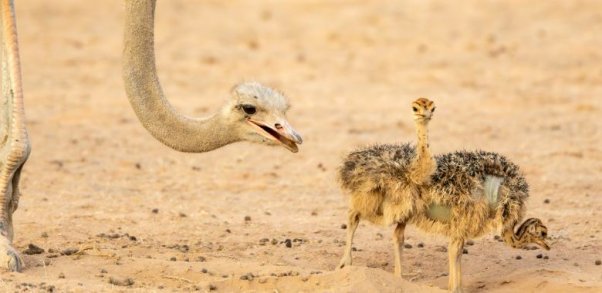
The campaign also draws on scientific data regarding animal sentience to appeal to the consumer’s empathy. PETA cites behavioral studies showing that cows are social animals capable of forming deep bonds and experiencing grief, that sheep exhibit complex social structures and can recognize human faces, and that ostriches are highly protective parents. By humanizing these animals, the campaign seeks to shift the consumer’s perspective from seeing a "product" to seeing a sentient being.
Potential Industry Implications and Reactions
While Prada and other luxury brands have not yet issued formal responses to PETA’s latest theater-based ad campaign, the industry is undoubtedly feeling the pressure. The "S" in ESG (Environmental, Social, and Governance) criteria has become a critical metric for investors, and animal welfare is increasingly categorized as a social and environmental risk.
If major brands were to adopt a "no animal skins" policy, it would represent the most significant shift in the history of the garment industry. Such a move would require a total restructuring of supply chains and a massive investment in material science. However, industry analysts suggest that as Gen Z and Millennial consumers—who prioritize ethics and sustainability—gain more purchasing power, brands may have little choice but to adapt.
PETA’s decision to target the Prada Group specifically is likely due to the brand’s namesake connection to the film and its position as a trendsetter in the luxury space. If Prada were to concede to these demands, it would likely trigger another "domino effect" similar to the fur ban of 2017-2019.
Conclusion: A New Standard for the Runway
The "Miranda" spoof campaign marks a sophisticated evolution in advocacy, utilizing high-production values and pop-culture resonance to deliver a serious message about the future of fashion. By challenging the industry’s reliance on leather, wool, and exotic skins, PETA is attempting to rewrite the rules of the "Runway."
As The Devil Wears Prada 2 moves closer to its release date, the conversation surrounding the ethics of the fashion industry is expected to intensify. Whether the industry will follow the lead of PETA’s fictionalized editor and declare "that’s all" to animal skins remains to be seen. However, with the rise of sustainable alternatives and an increasingly informed global consumer base, the pressure for a "change of heart" in the halls of high fashion has never been greater. The campaign serves as a reminder that in the world of fashion, the only thing truly permanent is change—and that change is increasingly leaning toward a more compassionate and animal-free future.

