


Bringing a parrot into your home introduces a vibrant, intelligent, and often boisterous companion, but it also ushers in a significant responsibility: ensuring their safety within an environment not naturally designed for them. While the excitement of selecting a suitable cage, acquiring enriching toys, and bonding with your new avian family member is paramount, overlooking critical safety measures can lead to tragic consequences. Parrots, with their inherent curiosity and exploratory nature, are unfortunately ill-equipped to navigate the myriad hazards present in a typical human dwelling, making diligent "parrot-proofing" an absolute necessity for every owner.
The Unique Vulnerabilities of Avian Companions
Parrots are far from ordinary pets; their physiology, intelligence, and instinctual behaviors make them uniquely susceptible to common household dangers. Unlike many mammals, birds possess an incredibly efficient, yet delicate, respiratory system that makes them highly vulnerable to airborne toxins. Their rapid metabolism also means they process ingested toxins quickly, often leading to acute and severe reactions. Furthermore, their powerful beaks, evolved for cracking nuts and excavating nests, become tools for investigation in a domestic setting, leading them to chew on anything from electrical cords to toxic substances. This combination of factors necessitates a proactive and thorough approach to home safety, transforming your living space into a secure sanctuary for your feathered friend.
The Imperative of Parrot-Proofing: A Proactive Approach
The concept of parrot-proofing extends beyond a one-time sweep; it’s an ongoing commitment that requires vigilance from all household members. Avian veterinarians and animal welfare organizations consistently emphasize that prevention is the cornerstone of parrot care, far outweighing the effectiveness of reactive measures once an incident occurs. Implementing a robust safety protocol before your parrot even steps foot in its new home is crucial. This includes not only physical modifications to the environment but also establishing clear safety protocols for everyone interacting with the bird. Knowing basic parrot emergency care and having an avian veterinarian’s contact information readily available are non-negotiable aspects of responsible parrot ownership.
Key Hazard Zones and Mitigation Strategies
Electrical Hazards: The Hidden Danger
Parrots are inveterate chewers, a natural behavior essential for maintaining beak health and, in the wild, for modifying their tree hollow nests. In a domestic setting, this instinct can turn deadly when directed at electrical cords and outlets. Exposed wiring, even if seemingly benign, can be gnawed through, leading to severe electrical burns, internal organ damage, or fatal electrocution. According to data from pet insurance companies, electrical injuries, while less common than some other types of accidents, can be among the most severe and costly to treat.
To mitigate this risk, all electrical cords in areas accessible to your parrot must be either completely hidden, encased in chew-proof conduits (such as PVC piping or specialized cable protectors), or elevated beyond reach. Unused electrical outlets should be covered with child-proof caps. Owners should regularly inspect all accessible electrical equipment for signs of chewing and immediately repair or replace damaged items. Even a mild zap can be traumatic and cause lasting health issues, making thorough cord management a top priority.
Air Quality: A Silent Killer for Sensitive Lungs
The avian respiratory system, designed for high-altitude flight and efficient oxygen exchange, is exquisitely sensitive to airborne pollutants. What might be a minor irritant to humans can be lethal to a parrot. This particular vulnerability earned canaries their historical role as "sentinels" in coal mines, detecting dangerous gases before they affected miners.
Numerous household products and activities can release toxic fumes:
- Polytetrafluoroethylene (PTFE) or Teflon: Overheated non-stick cookware, stain-resistant fabrics, and some self-cleaning ovens release microscopic particles that cause "Teflon flu" (PTFE toxicosis), rapidly leading to severe respiratory distress, hemorrhage, and death in birds. Symptoms can appear within minutes of exposure.
- Aerosol Sprays: Air fresheners, hairsprays, deodorants, perfumes, and cleaning sprays contain volatile organic compounds (VOCs) that are highly irritating and toxic to avian lungs.
- Smoke and Fumes: Cigarette, cigar, or vape smoke, fireplace smoke, burning candles (especially scented ones), incense, and fumes from burnt food or overheated oils can all cause severe respiratory illness or death.
- Carbon Monoxide (CO): This odorless, colorless gas, often produced by faulty heating systems or appliances, is particularly dangerous.
- Cleaning Products: Ammonia-based cleaners, bleach, oven cleaners, and even many "natural" cleaners can emit harmful fumes.
The recommendation from avian experts is clear: avoid using any scented products, aerosols, or non-stick cookware in a home with parrots. If such products must be used, ensure the parrot is in a separate, well-ventilated area, preferably with an air purifier, and only returned once the air has completely cleared. Installing carbon monoxide and smoke detectors is essential for both human and avian safety.
Accidental Ingestion: The Beak’s Curious Reach
Parrots explore their world with their beaks, meaning anything within reach is a potential target for nibbling or ingestion. Many common household items and foods are highly toxic to birds.
Toxic Foods: A range of human foods are dangerous, including chocolate, avocado (persin toxin), alcohol, caffeine, fruit pits (containing cyanide), onions, garlic, mushrooms, rhubarb, and xylitol (an artificial sweetener found in many sugar-free products). Even small quantities can cause severe gastrointestinal distress, neurological problems, or organ failure.
Toxic Plants: While many houseplants are harmless, a significant number are toxic if ingested. Common examples include lilies, azaleas, philodendrons, poinsettias, daffodils, sago palm, dieffenbachia, ivy, aloe vera, and certain types of ferns. Symptoms range from oral irritation to severe organ damage. Owners must research every plant in their home and remove any identified as toxic, opting for parrot-safe alternatives like spider plants, African violets, or certain herbs.
Medications and Chemicals: Human and other pet medications, cleaning supplies, pesticides, and cosmetics present extreme hazards. Even a small pill can be a fatal dose for a parrot. These items must be stored securely in locked cabinets.
Heavy Metals: Zinc and lead are common culprits in avian toxicity. Lead can be found in old paint, stained glass, fishing weights, and some antique toys. Zinc can be present in galvanized cages, some toys, cage clips, and even certain dietary supplements. Ingestion can lead to neurological symptoms, anemia, and organ damage. A study published in Veterinary Clinics of North America: Exotic Animal Practice highlighted zinc toxicity as a prevalent issue, often stemming from galvanized cage materials and "bird-safe" toys that were, in fact, unsafe. Owners should opt for stainless steel cages and toys made from known bird-safe materials.
Small Objects: Jewelry, coins, staples, paper clips, and other small items can cause impaction or heavy metal poisoning if swallowed. All such items must be kept out of reach.
Environmental Traps: Doors, Windows, and Reflective Surfaces
The freedom of flight is a parrot’s natural state, but an unsecured home can quickly turn this into a flight to danger.
Escape Risk: Open doors and windows are primary escape routes. A parrot that flies outside faces immediate threats from predators, traffic, and the inability to find food or water. Retrieving an escaped parrot is incredibly challenging and often unsuccessful. To prevent escapes, install secure screens on all windows in rooms where your parrot has out-of-cage access. Make it a strict household rule that no doors or windows are opened when the parrot is out of its cage, and visitors must be thoroughly briefed. Keeping interior doors closed also prevents access to unsupervised areas and can avert injuries from doors being accidentally shut on perching birds.
Collision Risk: Windows and mirrors pose an invisible threat. Parrots, especially those new to a home or experiencing a moment of panic, may not perceive these transparent or reflective surfaces, leading to high-speed collisions. These impacts can cause concussions, broken bones, internal injuries, or even death. Data suggests millions of wild birds die annually from window collisions; pet birds face similar risks indoors. Covering mirrors with fabric or applying decals to large windows can help birds perceive these barriers.
Cage and Toy Safety: The Primary Enclosure
A parrot’s cage is its primary sanctuary, but it can also harbor dangers if not properly chosen and maintained.
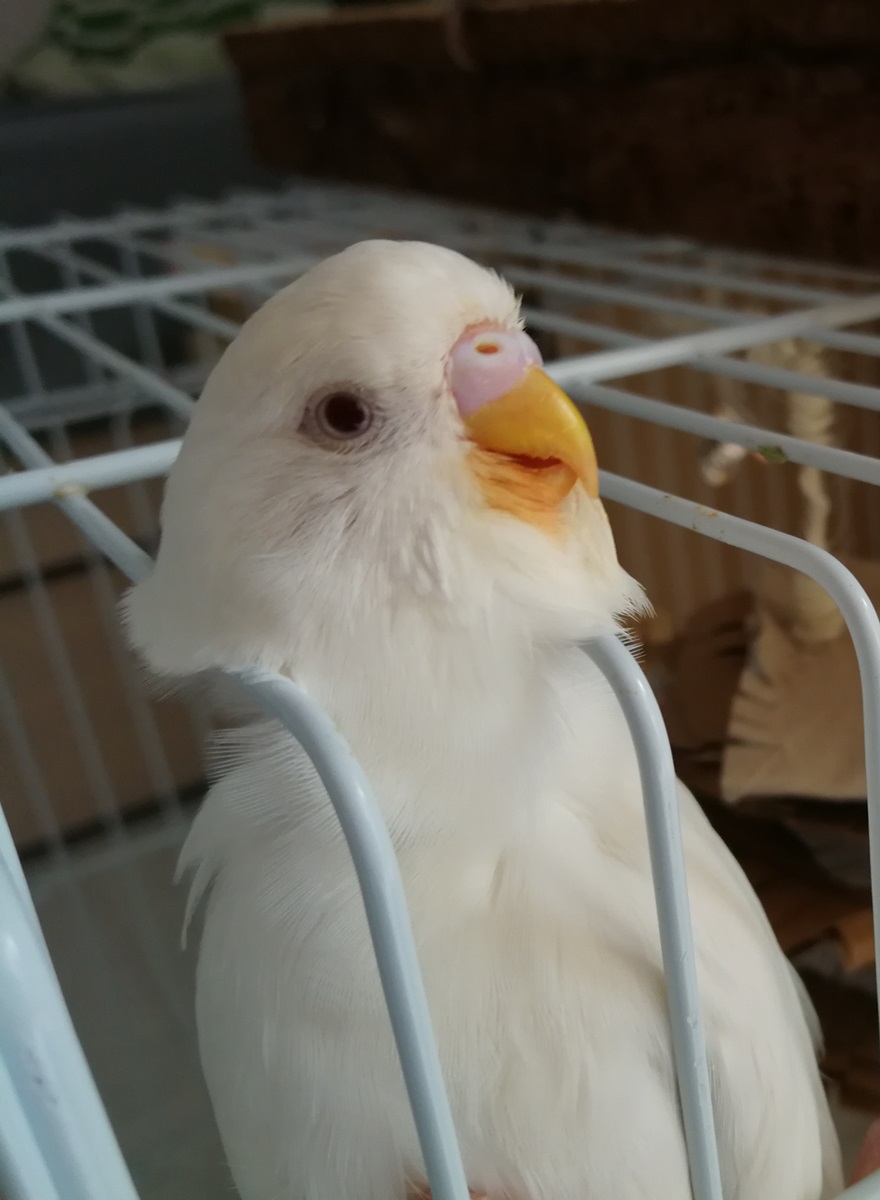
Cage Selection: The cage must be appropriately sized for the species, allowing the bird to fully extend its wings and move comfortably. Critically, bar spacing must be narrow enough to prevent the parrot from sticking its head through, which can lead to strangulation. Many smaller parrots, like budgies, have suffered severe injuries or fatalities due to overly wide bar spacing. The material should be durable, non-toxic stainless steel, avoiding galvanized wire which can leach zinc.
Maintenance and Inspection: Cages should be regularly inspected for rust, broken bars, or loose components. Large parrots, with their powerful beaks, can damage flimsy cages over time. Any rust or damage necessitates immediate repair or replacement.
Toy Safety: Toys are vital for enrichment but must be chosen with extreme care. Many commercially available toys can pose risks:
- Unsafe Materials: As mentioned earlier, zinc and lead can be found in some metal components. Wood should be untreated and bird-safe (e.g., pine, willow, apple, eucalyptus, but avoid cherry, oak, or plum). Fabric toys should be made of natural fibers and regularly checked for loose threads that can entangle a bird’s toes or neck, leading to strangulation or loss of circulation.
- Design Flaws: Toys with small bells that have clappers, open links in chains, or narrow gaps can trap a parrot’s beak, tongue, or feet. The ScienceDirect study cited in the original article highlighted cases of severe injury and death from poorly designed toys.
- Wear and Tear: Heavily damaged toys should be removed. Sharp edges, splintered wood, or broken plastic can cause injury. Owners can often repurpose undamaged parts to create new, safe toys.
Household Furniture and Appliances: Unseen Dangers
The home is filled with nooks and crannies that appeal to a parrot’s natural instinct to explore and, particularly when hormonal, to find dark, enclosed spaces resembling nesting sites.
Crushing and Entrapment: Reclining chairs, rocking chairs, and sofa beds can tragically crush a parrot if it is perched or hiding within the mechanism. Similarly, a bird can become trapped behind or under heavy furniture, inside open drawers, cupboards, or even appliances like washing machines, dryers, dishwashers, or ovens. Before sitting on or closing any furniture or appliance, always visually confirm your parrot’s whereabouts. Blocking off tempting hiding spots behind furniture or securing drawers can prevent these accidents.
Hot Surfaces: Stove tops, space heaters, and even lamps can cause severe burns if a parrot lands on them. Supervise closely in kitchens and ensure heating elements are covered or inaccessible.
Water Hazards: A Drowning Risk
While many parrots enjoy bathing, unsupervised access to open water sources can quickly turn fatal. Parrots have a natural curiosity towards water, but their ability to gauge depth and escape from smooth, deep containers is limited.
Toilets: Uncovered toilets are a significant drowning hazard, especially for smaller parrots. The smooth sides make it difficult for them to climb out. Always keep toilet lids down in a parrot-friendly home.
Sinks and Bathtubs: Running taps, filled sinks, and bathtubs can also pose a risk. Never leave a parrot unattended in a bathroom with open water sources.
Aquariums and Vases: Fish tanks without secure hoods, large vases filled with water, or buckets of cleaning solution are all potential drowning sites. Ensure aquariums are covered and other water containers are inaccessible.
Interspecies Interactions: The Peril of Other Pets
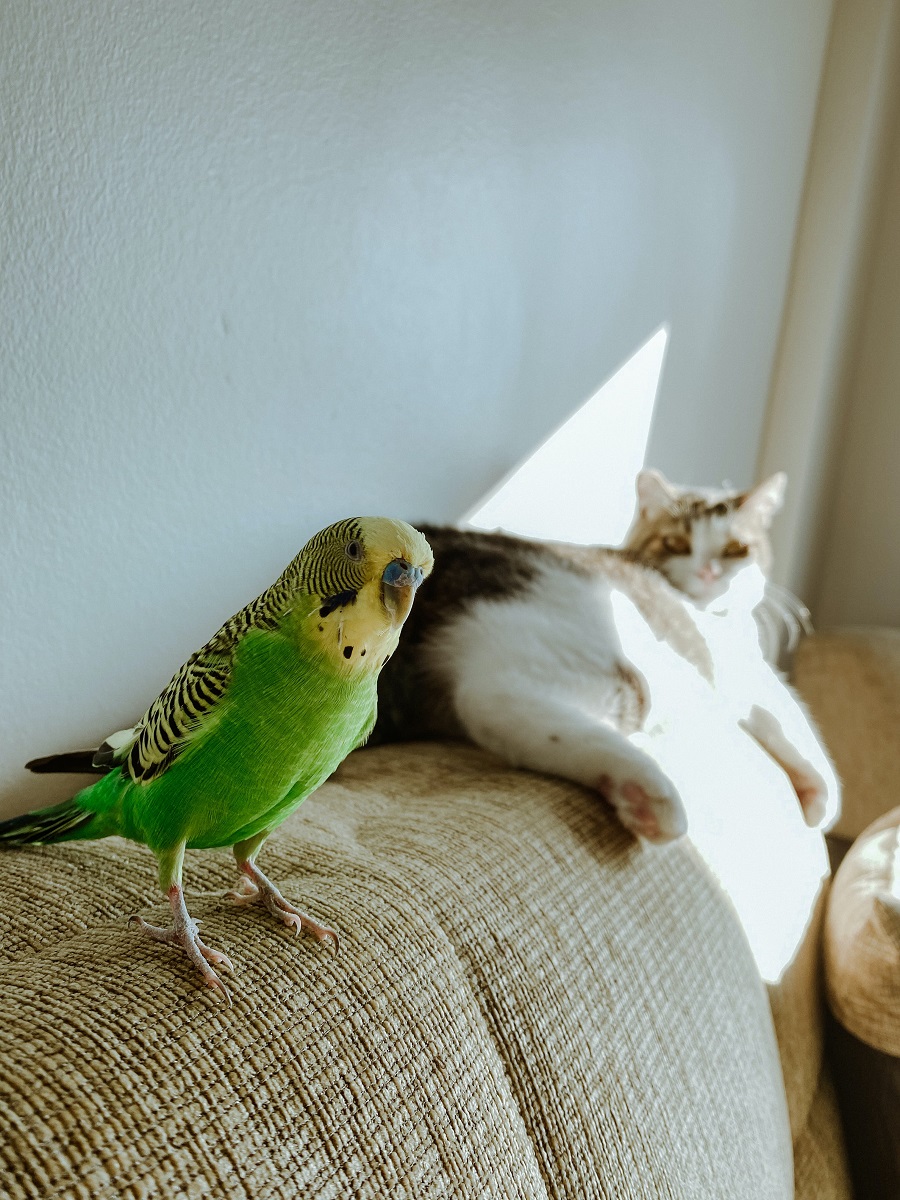
One of the most consistently stressed safety rules by avian experts is the absolute separation of parrots from other household pets, regardless of how "well-behaved" those pets may seem.
Predatory Instincts: Dogs, cats, ferrets, and even some rodents possess natural predatory instincts. A parrot’s sudden movement, flight, or squawk can trigger these instincts, leading to an attack. Even a playful swat from a cat can result in severe injury.
Bacterial Infections: Cat saliva, in particular, carries Pasteurella multocida, a bacterium that is highly virulent to birds. Even a minor scratch or bite from a cat can introduce this bacterium, leading to a rapid and often fatal septicemia (blood poisoning) in a parrot within hours or days. Dogs can also carry dangerous bacteria.
Accidental Injuries: Beyond direct attacks, accidental injuries are a concern. A dog or cat might inadvertently step on, roll over, or crush a small parrot.
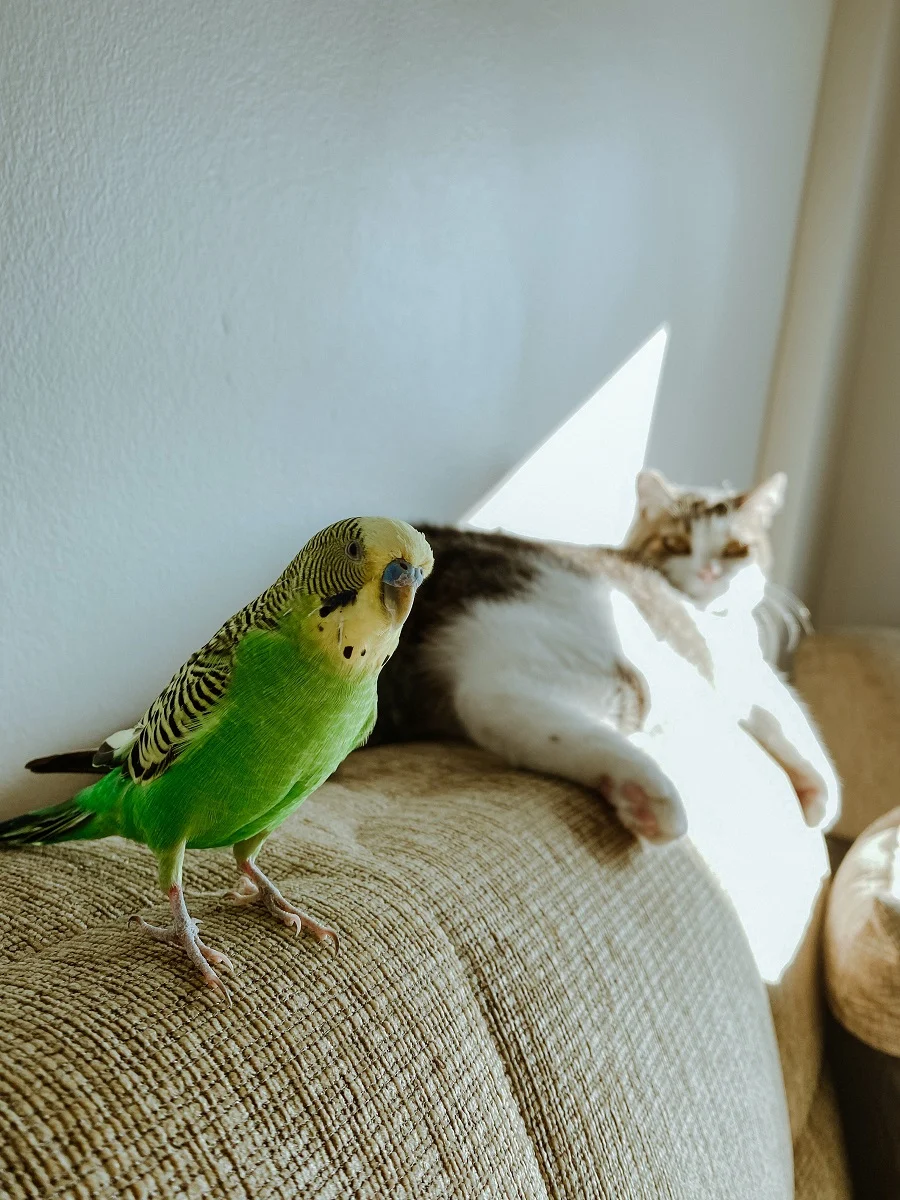
While the imagery of different species coexisting peacefully is appealing, the risks for a fragile parrot are simply too high. Responsible ownership dictates maintaining a strict physical separation between parrots and other pets to prevent any potential interaction, accidental or intentional.
Beyond the Checklist: Cultivating a Culture of Safety
Establishing a safe environment for your parrot is an ongoing process that extends beyond these specific hazard points. It requires a holistic approach to pet care and household management.
Emergency Preparedness
Having an emergency plan is crucial. This includes knowing the location and contact information of the nearest avian veterinarian, having a basic avian first-aid kit (including styptic powder for bleeding, sterile gauze, vet wrap, and a small flashlight), and understanding fundamental emergency care procedures, such as how to safely restrain your bird or identify signs of distress.
Family Education and Vigilance
Every member of the household, including children and regular visitors, must be fully aware of parrot safety protocols. Consistent adherence to rules regarding open doors, food sharing, and interactions with other pets is vital. A lapse in vigilance by even one person can compromise the bird’s safety.
Constant Supervision
When your parrot is outside its cage, direct and constant supervision is the ultimate safety measure. This allows you to immediately intervene if the bird shows interest in a dangerous item or attempts to access an unsafe area. Never leave a free-roaming parrot unattended.
Routine Inspections
Make a habit of regularly inspecting your parrot’s cage, toys, and the rooms it has access to. Check for wear and tear, potential new hazards, or items that might have been inadvertently left within reach.
Conclusion
Parrot ownership is a deeply rewarding experience, offering companionship, intellectual engagement, and endless entertainment. However, this privilege comes with a profound responsibility to protect these intelligent and delicate creatures from the inherent dangers of a human home. By understanding their unique vulnerabilities and diligently implementing comprehensive safety measures, owners can create a secure, enriching environment where their feathered companions can thrive. The commitment to "parrot-proofing" is not merely a checklist but a fundamental aspect of compassionate and responsible avian stewardship, ensuring a long, healthy, and happy life for your cherished parrot.

