


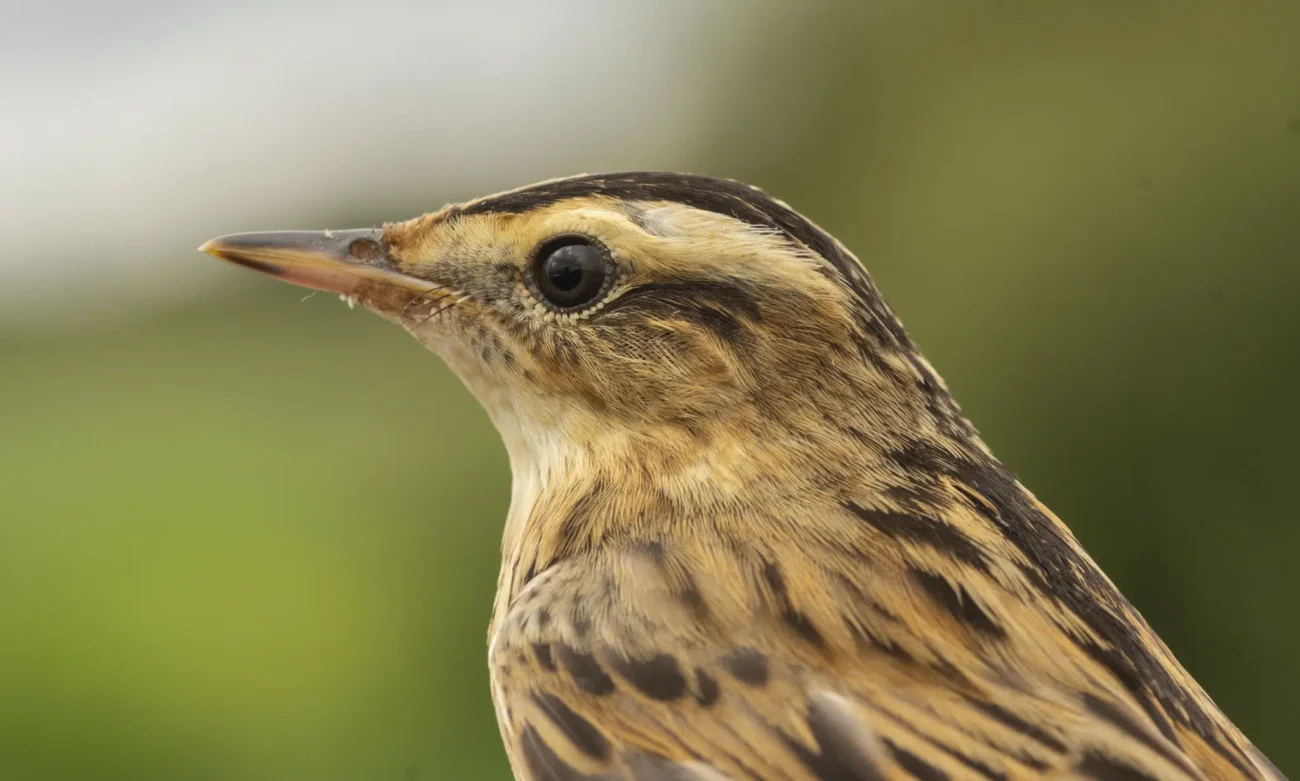
Europe on the Brink: Urgent Action Needed to Safeguard Vital Biodiversity Hotspots
July 6, 2026 – In an era defined by escalating global extinction rates, a strategic and targeted approach to nature conservation is no longer a recommendation but an imperative. For decades, conservation organizations, most notably BirdLife International, have pioneered the identification of critical habitats for the world’s avian populations through the designation of Important Bird and Biodiversity Areas (IBAs). These IBAs have now evolved to form the bedrock of a global standard in conservation: Key Biodiversity Areas (KBAs). These KBAs represent the planet’s most significant locations for the survival of unique species and ecosystems, and a recent comprehensive assessment of Europe’s KBA network has revealed a profound opportunity to bolster conservation efforts and protect the continent’s rich natural heritage.
The findings of a scoping exercise, spearheaded by the KBA Secretariat and supported by the NaturaConnect project, paint a stark yet hopeful picture. While Europe boasts a substantial number of designated KBAs, many are considered "legacy sites," their designation based on data collected during their initial identification as IBAs. This means that a significant portion of these vital areas may not be fully aligned with the rigorous criteria outlined in the current KBA Standard. The report underscores that a mere 21.9% of Europe’s existing KBAs currently meet these updated criteria. However, the potential for expansion and refinement is immense: a staggering 74.5% of these existing sites could qualify for KBA status if comprehensive, up-to-date assessments are undertaken.
Beyond the refinement of existing sites, the research highlights an even more substantial opportunity: the identification of over 12,000 protected areas across Europe that likely meet KBA criteria but have yet to receive official recognition. This untapped potential could dramatically expand the scope of global conservation efforts on the continent. Currently, 186 species are recognized as meeting KBA criteria in Europe, with birds comprising over 56% of this total, accounting for 142 qualifying species. A full assessment of these potential KBAs would broaden the recognition to encompass over 4,000 species, many of them critically endangered birds and other unique flora and fauna, significantly enhancing the continent’s contribution to global biodiversity targets.
The Genesis of Key Biodiversity Areas: From IBAs to a Global Standard
The evolution of the KBA concept is deeply intertwined with the long-standing work of BirdLife International and its global network of national partners. The IBA program, initiated in the 1970s, aimed to identify and protect areas of critical importance for bird populations. Over time, it became evident that the principles and methodologies developed for IBAs were applicable to a wider range of species and ecosystems. This led to the establishment of the Key Biodiversity Area Partnership, which expanded the focus to encompass all terrestrial, freshwater, and marine species and their habitats.
The KBA Standard, developed through extensive consultation with scientific experts and conservation practitioners, provides a standardized framework for identifying sites that are crucial for the persistence of biodiversity. This standard includes specific criteria for species, ecosystems, and habitat types, ensuring a consistent and robust approach to KBA identification worldwide. The transition from IBAs to KBAs represents a maturation of conservation science and practice, acknowledging the interconnectedness of ecosystems and the need for a holistic approach to safeguarding biodiversity.

A Scoping Exercise Reveals Untapped Potential
The recent scoping exercise, conducted by the KBA Secretariat and funded by the NaturaConnect project, was designed to provide a clear picture of the current state of KBA identification in Europe and to identify key areas for future action. The methodology involved a detailed review of existing KBA data, an analysis of protected area designations, and an assessment of the potential for new sites to meet KBA criteria.
The report’s findings are a wake-up call for European nations and conservation bodies. The significant gap between the current number of recognized KBAs and the number that could potentially qualify highlights a critical need for investment and coordinated effort. The implications of this underestimation are far-reaching, impacting everything from national conservation policy to international funding mechanisms and the achievement of global biodiversity targets.
Supporting Data: The Scale of the Opportunity
- Existing KBAs: Out of Europe’s current KBAs, only 21.9% definitively meet the established KBA Standard criteria.
- Potential Qualification: A substantial 74.5% of existing KBAs possess the potential to meet KBA criteria with further comprehensive assessments.
- Undiscovered KBAs: Over 12,000 protected areas across Europe are estimated to qualify as global KBAs but remain unrecognized.
- Species Diversity: The number of species recognized as meeting KBA criteria in Europe could increase from 186 to over 4,000, dramatically broadening the conservation focus.
- Avian Significance: Birds currently constitute over 56% of all species that qualify sites as KBAs in Europe, underscoring their historical and ongoing importance in this designation process.
Chronology of KBA Development in Europe
- 1970s onwards: BirdLife International and its partners begin identifying Important Bird Areas (IBAs) across Europe, laying the groundwork for systematic biodiversity conservation.
- Early 2000s: The concept of Key Biodiversity Areas (KBAs) emerges, building upon the IBA framework to encompass a broader range of species and ecosystems.
- 2013: The KBA Partnership is formally established, aiming to create a globally consistent system for identifying and designating KBAs.
- 2018: The KBA Standard is published, providing the definitive criteria for KBA identification.
- 2020s: Efforts intensify across Europe to transition from IBAs to KBAs and to identify new KBAs.
- 2026 (July): The KBA Secretariat, funded by NaturaConnect, releases a scoping report highlighting the significant untapped potential for KBA designation across Europe.
National Coordination Groups: Building Momentum for KBA Updates
Recognizing the urgent need for action, efforts are already underway across Europe to update and expand the KBA network. A crucial element of this process involves the establishment of KBA National Coordination Groups (NCGs). These collaborative bodies, comprising experts from governmental agencies, research institutions, conservation organizations, and other relevant stakeholders, are instrumental in driving the identification, validation, and conservation of KBAs at the national level.
BirdLife International, as a core member of the KBA Partnership, is actively supporting the formation of these NCGs. Countries such as Spain, Italy, and Greece have already successfully established these crucial coordination mechanisms. Furthermore, Denmark, Germany, and France have expressed strong interest in forming their own NCGs, indicating a growing political and scientific will to embrace this vital conservation agenda. This widespread engagement signifies a positive trend towards a more coordinated and effective approach to biodiversity protection across the continent.

Implications for Conservation and Policy
The implications of a comprehensive and up-to-date KBA network in Europe are profound and far-reaching. The availability of accurate, data-driven maps identifying these critical areas will serve as an invaluable tool for decision-making across multiple sectors:
- Governmental Policy: National governments can strategically direct conservation funding, prioritize land-use planning, and inform the designation and management of protected areas. This is particularly critical for achieving the ambitious targets set by the Global Biodiversity Framework, which aims to protect 30% of the planet’s land and sea by 2030.
- Private Sector Investment: Businesses can integrate KBA data into their environmental impact assessments and corporate social responsibility strategies, ensuring that development projects minimize their impact on critical biodiversity hotspots. This can also guide responsible investment in areas crucial for ecosystem services.
- Financial Institutions: Lenders and investors can utilize KBA information to assess the biodiversity risks associated with their portfolios and to direct finance towards projects that contribute to biodiversity conservation.
- Conservation Organizations: NGOs and research institutions can leverage KBA data to focus their conservation efforts, monitor the effectiveness of interventions, and advocate for stronger policy protections.
The identification of these key sites translates directly into a more informed and efficient allocation of resources, maximizing the impact of conservation spending. It provides a scientific basis for prioritizing actions, ensuring that efforts are concentrated where they will yield the greatest benefits for species and ecosystems.
A Call to Action: Securing Europe’s Natural Legacy
The report released by the KBA Secretariat serves as a powerful testament to the significant potential that lies within Europe’s existing protected areas and landscapes. While the path toward updating KBA networks has been initiated, the findings underscore that much more concerted effort is required. The urgency of the global biodiversity crisis demands immediate and decisive action.
The continued identification and rigorous assessment of Key Biodiversity Areas are not merely scientific exercises; they are essential components of a global strategy to prevent further biodiversity loss and to ensure the resilience of ecosystems upon which human well-being depends. The legacy of IBAs has provided a strong foundation, but the transition to a comprehensive KBA network requires sustained commitment from governments, international organizations, and civil society alike.
By embracing the insights from this scoping exercise and actively supporting the establishment and work of KBA National Coordination Groups, Europe can significantly enhance its contribution to global biodiversity conservation. The future of countless species, including the iconic aquatic warbler depicted, and the health of the ecosystems they inhabit, depend on the timely and effective implementation of these vital conservation strategies. The opportunity to safeguard our most precious natural treasures and the biodiversity they support is now, and the time for decisive action is upon us.
For those seeking further details on this critical initiative, the full report can be accessed at: https://www.keybiodiversityareas.org/resource/scoping-of-kbas-across-europe.

