


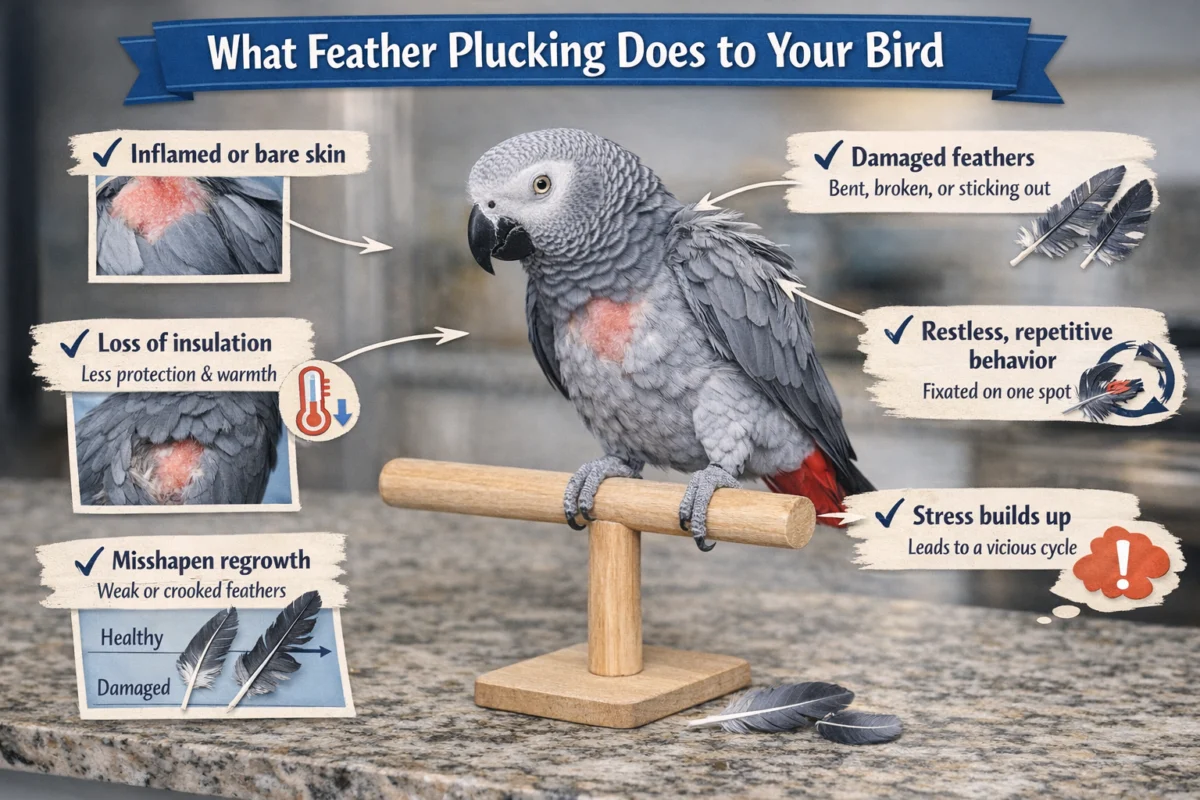
Feather plucking in pet birds represents a significant welfare concern, often manifesting as a complex behavioral anomaly rather than a simple grooming issue. When owners observe a sudden increase in loose feathers on the cage floor, or a bird exhibiting repetitive focus on a particular body area, it signals a critical moment for intervention. Early detection is paramount, as this behavior, if left unaddressed, can escalate from cosmetic feather damage to severe self-mutilation, posing substantial health risks and diminishing the bird’s quality of life. Distinguishing between normal physiological processes like molting and preening, and the destructive patterns of plucking, is the foundational step in addressing this challenging condition.
Understanding the Spectrum: Molting, Preening, Plucking, and Mutilation
The first critical distinction for bird owners to make is between normal feather maintenance and pathological plucking. These behaviors exist on a continuum, each with distinct characteristics and implications for avian health.
- Molting: A Natural Cycle of Renewal
Molting is a physiological process where birds naturally shed old or damaged feathers and grow new ones. This occurs periodically, typically once or twice a year, influenced by factors such as species, age, hormones, and environmental conditions like photoperiod. During a molt, feathers usually fall out gradually and symmetrically across the body, with new "pin feathers" emerging. Pin feathers are characterized by their waxy keratin sheath, which birds carefully preen away. The process is generally non-destructive to the skin or developing feathers. - Preening: Essential Feather Maintenance
Preening is a daily, normal behavior vital for maintaining feather health, insulation, and waterproofing. A bird will methodically use its beak and tongue to clean, realign, and smooth feathers across its entire body, often distributing preen oil from the uropygial gland. Normal preening is calm, deliberate, and spans various body parts, leaving feathers intact and well-organized. It is a crucial component of avian hygiene and well-being. - Feather Plucking: A Destructive Deviation
In contrast to molting and preening, feather plucking is an abnormal, self-destructive behavior. It is characterized by the bird intensely focusing on specific areas, using its beak to dig, chew, snap, or pull out feathers. Unlike molting, plucking results in damaged feathers, broken shafts, or patches of bare skin. The behavior is often repetitive, obsessive, and concentrated on particular regions that the bird can reach, such as the chest, legs, wings, or back, while head feathers typically remain untouched due to inaccessibility. This behavior is not random; it is a response to an underlying physical or psychological distress. - Self-Mutilation: A Severe and Urgent Condition
The most severe manifestation of self-destructive behavior is self-mutilation. This goes beyond feather damage, with the bird actively harming the skin beneath the feathers. The behavior is intensely focused, often leading to raw, irritated, or bleeding wounds. Self-mutilation is a medical emergency requiring immediate veterinary intervention to prevent infection, significant blood loss, and systemic complications. It indicates extreme distress and a profound breakdown in the bird’s coping mechanisms.
The Multifaceted Etiology of Feather Plucking
Feather plucking rarely has a single cause; rather, it typically arises from a complex interplay of medical, environmental, and behavioral factors. Avian veterinarians and behaviorists emphasize a holistic approach to diagnosis, as neglecting any potential contributing factor can hinder successful treatment.
- Medical Causes: The Primary Consideration
Approximately 80% of feather plucking cases are believed to have an underlying medical component. A thorough veterinary examination is therefore the critical first step.- Infections: Bacterial, fungal, viral (e.g., Psittacine Beak and Feather Disease – PBFD, Polyomavirus), and parasitic infections (e.g., mites, giardia) can cause intense itching and discomfort, leading birds to pluck.
- Allergies: Similar to humans, birds can suffer from environmental allergies (dust, mold, pollen) or food allergies, manifesting as skin irritation and subsequent plucking.
- Nutritional Deficiencies: Diets high in seeds and low in essential nutrients (e.g., Vitamin A, calcium, essential fatty acids) are a common culprit. Poor nutrition can lead to dry, itchy skin and weak feather quality, prompting plucking.
- Systemic Diseases: Liver disease, kidney disease, hypothyroidism, or other metabolic disorders can affect skin and feather health, inducing discomfort.
- Pain: Arthritis, internal injuries, tumors, or even poorly fitting leg bands can cause localized pain, prompting a bird to pluck at the affected area.
- Heavy Metal Toxicity: Exposure to lead, zinc, or other heavy metals can lead to a range of symptoms, including neurological issues and skin irritation, contributing to plucking.
- Environmental Causes: The Captive Environment Challenge
The captive environment often falls short of replicating a bird’s natural habitat, leading to stress and plucking.- Inadequate Humidity: Many exotic bird species originate from humid environments. Dry indoor air can lead to dry, itchy skin, stimulating plucking.
- Poor Air Quality: Exposure to cigarette smoke, aerosols, harsh cleaning chemicals, or even cooking fumes can irritate a bird’s respiratory system and skin.
- Lack of UV Light: Full-spectrum UV lighting is crucial for Vitamin D synthesis, which impacts calcium metabolism and overall health. Its absence can contribute to health issues that manifest as plucking.
- Inappropriate Caging: A cage that is too small, lacks varied perches, or offers no privacy can be a significant source of stress.
- Lack of Bathing Opportunities: Regular bathing or misting helps maintain feather and skin hygiene, preventing dryness and irritation.
- Behavioral and Psychological Causes: The Mind-Body Connection
Even in the absence of obvious medical or environmental issues, psychological factors can drive plucking, particularly in highly intelligent and social species like African Grey Parrots, Cockatoos, and Macaws.- Boredom and Lack of Enrichment: Birds are intelligent, curious creatures requiring constant mental and physical stimulation. A sterile environment lacking toys, foraging opportunities, or interaction can lead to chronic boredom, manifesting as self-destructive behavior.
- Stress and Anxiety: Changes in routine, new pets, moving homes, owner absence, or even perceived threats can induce stress, which birds may cope with by plucking.
- Sexual Frustration: Hormonal surges during breeding season, especially in single birds without a mate or appropriate outlets, can lead to frustration and plucking.
- Attention-Seeking Behavior: If plucking elicits a strong reaction from owners, birds can learn to use it as a means to gain attention, inadvertently reinforcing the behavior.
- Separation Anxiety: Birds form strong bonds with their human companions. Prolonged absence or perceived abandonment can trigger anxiety and plucking.
- Learned Behavior: In multi-bird households, one bird may learn to pluck by observing another.
The Progression of Plucking: A Chronological Perspective
Feather plucking typically follows a discernible progression, underscoring the importance of early intervention.
- Phase 1: Subtle Onset and Early Signs
Initially, owners might notice increased preening intensity, a bird spending an unusual amount of time on a particular feather group, or small, scattered feather debris that appears damaged rather than cleanly shed. The feathers might look chewed, bent, or have broken barbs. At this stage, the skin underneath is usually intact, but the bird’s focus on one area is a key indicator. - Phase 2: Established Habit and Visible Feather Loss
As the behavior becomes more entrenched, visible feather loss occurs, leading to bare patches on the bird’s body. The skin may start to show signs of irritation, redness, or dryness from constant manipulation. The plucking becomes more frequent and harder to interrupt. The bird may also exhibit other stress behaviors such as pacing, screaming, or repetitive movements. - Phase 3: Chronic Condition and Potential Self-Mutilation
In chronic cases, the feather follicles can become permanently damaged, leading to abnormal feather regrowth (e.g., ingrown feathers, dystrophic feathers) or complete cessation of feather growth in affected areas. The skin may become thickened, scarred, or prone to secondary bacterial or fungal infections. At this severe stage, the bird is at high risk of self-mutilation, actively creating open wounds on its skin, which can lead to significant pain, hemorrhage, and life-threatening infections.
Diagnostic Protocols: Identifying the Root Cause

A systematic diagnostic approach is crucial for effectively managing feather plucking. Avian veterinarians emphasize that treatment without proper diagnosis is often futile.
- Initial Veterinary Examination: A comprehensive physical examination is the starting point. This includes palpation, auscultation, and a thorough visual inspection of the bird’s feathers, skin, and overall body condition.
- Blood Work: A complete blood count (CBC) and biochemistry panel can reveal underlying infections, inflammation, organ dysfunction (liver, kidney), and nutritional deficiencies.
- Fecal Analysis: Microscopic examination of feces can detect parasitic infections (e.g., giardia) or bacterial imbalances.
- Feather and Skin Biopsies: Microscopic examination of plucked feathers and skin samples can identify specific pathogens (viruses, bacteria, fungi) or reveal structural abnormalities in feather follicles.
- Viral Testing: PCR tests for specific avian viruses like PBFD and Polyomavirus are often recommended, especially for certain species.
- Heavy Metal Screening: Blood tests for lead and zinc toxicity are common, given birds’ propensity to chew on household items containing these metals.
- Allergy Testing: Though less common and often challenging in birds, some vets may explore dietary elimination trials or specific allergy tests.
- Radiography (X-rays) and Endoscopy: These imaging techniques can help identify internal masses, organ enlargement, or foreign bodies that might be causing pain or discomfort.
- Environmental and Behavioral Assessment: A detailed history from the owner regarding the bird’s diet, cage setup, daily routine, social interactions, and any recent changes is invaluable. A behavioral specialist may be consulted for further observation and assessment.
Intervention Strategies: A Multi-Modal Approach
Successful intervention for feather plucking almost always requires a multi-modal strategy, addressing all identified contributing factors. There is rarely a "silver bullet" solution.
- Addressing Medical Issues: Any underlying medical condition must be treated first. This might involve antibiotics for bacterial infections, antifungals, antiparasitics, dietary supplements for deficiencies, or medications for organ dysfunction.
- Environmental Modification:
- Humidity: Using humidifiers or daily misting can alleviate dry skin.
- Air Quality: Eliminating environmental irritants like smoke, aerosols, and scented products is crucial.
- Lighting: Providing full-spectrum UV-B lighting for several hours a day can improve Vitamin D synthesis and overall well-being.
- Cage Enhancement: Upgrading to a larger cage, adding varied perches of different textures and diameters, and providing private areas can reduce stress.
- Bathing: Regular opportunities for bathing or misting are essential for feather and skin health.
- Behavioral Enrichment: This is often the most significant component of long-term management for non-medical cases.
- Foraging Opportunities: Hiding food in puzzle toys or paper encourages natural foraging behaviors, engaging the bird mentally and physically.
- Destructible Toys: Providing a constant supply of safe, destructible toys (e.g., untreated wood, natural fibers) allows birds to channel their chewing instincts constructively.
- Social Interaction: Daily, positive interaction with owners, including training sessions, can strengthen bonds and reduce anxiety.
- Visual and Auditory Stimulation: Providing a view outside, playing appropriate music, or avian-specific DVDs can enrich the environment.
- Training: Positive reinforcement training can build confidence, provide mental stimulation, and create a stronger bond.
- Dietary Adjustments: Transitioning from a seed-heavy diet to a high-quality, species-appropriate pelleted diet supplemented with fresh fruits, vegetables, and greens is fundamental. Specific supplements, like Omega fatty acids or Vitamin A, may be prescribed by a veterinarian.
- Pharmacological Interventions: In severe cases, or when anxiety is a major component, veterinarians may cautiously prescribe psychoactive medications (e.g., anti-anxiety drugs, antidepressants). These are typically used as a temporary aid in conjunction with environmental and behavioral modifications, not as standalone solutions.
- Physical Barriers: Elizabethan collars (e-collars) or protective vests may be used temporarily to prevent self-mutilation while underlying causes are being addressed and skin heals. These are short-term solutions due to their impact on a bird’s mobility and quality of life.
Implications and Broader Impact
Feather plucking has profound implications for a bird’s health, welfare, and the owner’s experience.
- Health Implications: Chronic plucking can lead to persistent skin irritation, secondary bacterial or fungal infections, permanent follicle damage, and compromised insulation, making the bird susceptible to hypothermia. Self-mutilation risks severe injury, blood loss, and life-threatening systemic infections.
- Welfare Implications: A bird that plucks is a bird under chronic stress. This significantly reduces its quality of life, preventing it from performing natural behaviors, engaging socially, and living comfortably. It often reflects a profound mismatch between the bird’s innate needs and its captive environment.
- Owner Responsibility: Managing a plucking bird is a long-term commitment requiring significant financial investment in veterinary care, specialized diets, enrichment items, and often, considerable time and emotional dedication. It highlights the ethical responsibilities of pet ownership, emphasizing the need for informed decisions before acquiring an exotic bird.
- Research and Awareness: The prevalence of feather plucking (estimated to affect 10-15% of captive psittacines, with higher rates in specific species like African Greys and Cockatoos) underscores the need for ongoing research into avian behavior, welfare, and species-specific care requirements. Public awareness campaigns are crucial to educate potential owners about the complexities of caring for these intelligent and sensitive animals.
Prevention and Proactive Care
The best approach to feather plucking is prevention. This involves providing a stimulating, appropriate environment from the moment a bird enters a home. This includes:
- Offering a varied, nutritionally complete diet.
- Ensuring adequate cage size and enrichment from day one.
- Providing regular social interaction and training.
- Maintaining appropriate environmental conditions (humidity, lighting).
- Scheduling regular veterinary check-ups to catch any health issues early.
In conclusion, avian feather plucking is a complex and serious condition requiring diligent observation, comprehensive diagnostic work, and a multi-faceted intervention strategy. It serves as a stark reminder that these intelligent and sensitive creatures thrive when their intricate physical, emotional, and environmental needs are met. Early recognition and proactive, informed intervention are crucial to transforming a bird’s life from one of chronic distress to one of well-being and contentment.

