


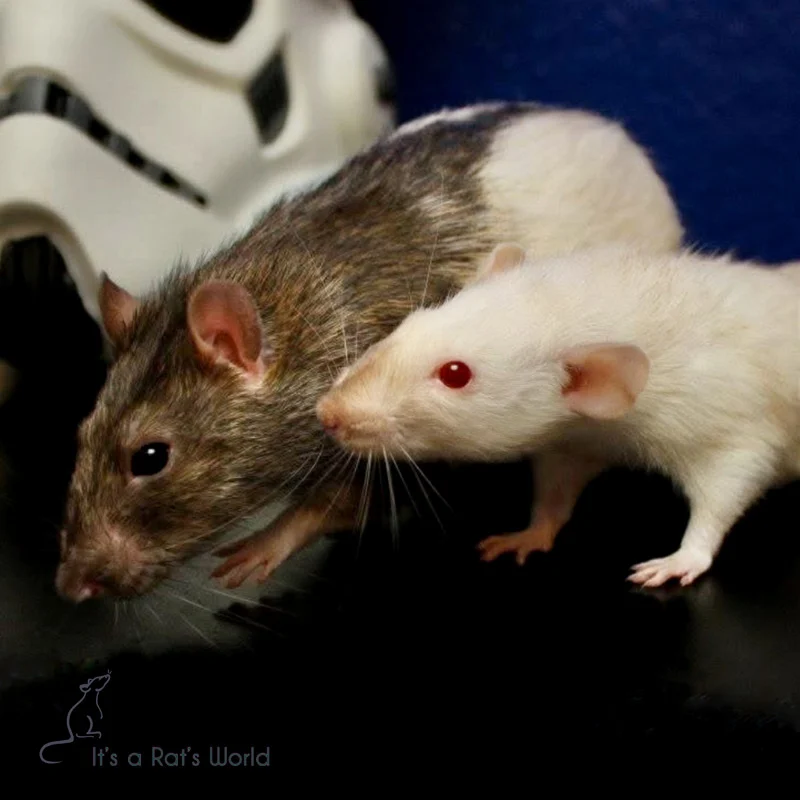
Prospective pet owners often face a common dilemma when selecting domestic rats (Rattus norvegicus): whether to adopt males or females. While both sexes share the same species-specific intelligence, sociability, and capacity for bonding with humans, they possess distinct biological, behavioral, and physiological differences that can influence a guardian’s daily care routine. Understanding these nuances—ranging from hormonal maturation to scent profiles—is essential for providing optimal husbandry and ensuring long-term compatibility within a household.
Physiological Distinctions and Growth Patterns
The most immediate difference between the sexes is physical size and development. Male rats are generally larger, typically reaching weights between 450 and 650 grams, with body lengths spanning 10 to 12 inches, excluding the tail. In contrast, female rats are more diminutive, usually weighing between 350 and 450 grams and measuring 9 to 10 inches. However, these averages are subject to significant individual variance based on genetics, diet, and early-life health.

Beyond stature, the integumentary system reveals a notable gender-based distinction: sebaceous gland activity. Intact males produce a higher concentration of skin oils, commonly referred to as "buck grease." This yellowish, waxy substance is a natural byproduct of testosterone levels. In some cases, this accumulation can lead to mild skin irritation or a noticeable odor. Conversely, females typically possess softer fur, as their oil production is significantly lower. Clinical observation suggests that when a male rat undergoes a neuter, the decrease in testosterone leads to a marked reduction in buck grease, often resulting in a softer coat and a decrease in the distinct musky odor associated with unneutered males.
Olfactory Profiles and Sensory Differences
An often-overlooked aspect of rat ownership is the specific scent profile associated with each sex. Anecdotal evidence from long-term keepers, supported by veterinary observations, suggests that intact males and females possess chemically distinct aromas. Intact males are frequently described as emitting a scent reminiscent of toasted grain or warm corn tortillas, a result of their specific pheromonal output.
Females, by contrast, are often noted for a lighter, more floral, or "grape-like" scent. This sensory difference is significant enough that experienced keepers can often distinguish between the sexes solely through olfactory cues. While some owners find these natural odors neutral, the "buck grease" of an unneutered male can become pungent if not managed through proper habitat hygiene. It is important to distinguish between a rat’s natural scent and the odor of ammonia caused by improper cage maintenance. A well-maintained environment, regardless of the sex of the rats, should remain largely odorless.
Behavioral Maturation and Social Dynamics
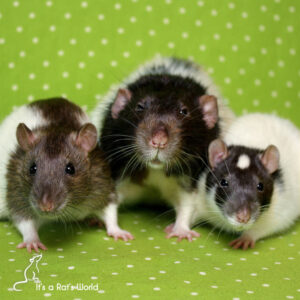
The timeline of behavioral development is a critical factor for prospective owners. Rats typically reach physical puberty between 6 and 8 weeks of age. However, social maturity—the phase where hierarchical roles and territorial behaviors solidify—tends to occur later. While some literature suggests this occurs at 5 to 6 months, many breeders and rescue organizations observe the onset of "social adolescence" between 6 and 9 months.
During this window, male rats may exhibit increased agitation or territorial aggression. This is a period where males may test the boundaries of their cage-mates or even their human handlers. While outright aggression is relatively rare, it is a documented behavior that requires attentive supervision. In contrast, female rats are generally more consistent in their social demeanor, though they do experience estrus cycles every four to five days. During these cycles, females may display increased activity levels or restlessness.
The social hierarchy within a group of rats also influences the ease of introductions. Males, particularly those that have not been neutered, are often more prone to territorial displays when new individuals are introduced to an existing group. This does not preclude them from forming tight-knit bonds, but it does necessitate a more gradual and carefully managed introduction process. Females are frequently reported to be more adaptable in group settings, though individual personality remains the most significant predictor of social success.

The Medical Implications of Spaying and Neutering
The decision to sterilize a pet rat is often driven by both behavioral management and long-term health optimization. The medical benefits of spaying and neutering are well-documented in veterinary literature.
For females, the primary medical incentive for spaying is the drastic reduction of hormone-dependent pathologies. Intact female rats have a very high statistical probability of developing mammary tumors and reproductive tract diseases, such as uterine or ovarian cysts and infections. Studies indicate that spaying females at a young age—ideally between 3 and 4 months—can significantly lower the incidence of these neoplasms, thereby potentially extending the animal’s lifespan.
For males, the primary reasons for neutering are behavioral and preventative. Neutering is an effective intervention for curbing hormonally driven aggression, reducing territorial urine marking, and eliminating the accumulation of buck grease. Furthermore, neutering removes the risk of testicular cancer and can prevent the formation of vesical proteinaceous plugs, a common ailment in aging or mobility-impaired males.
Risk Mitigation and Responsible Ownership
Regardless of the sex chosen, prospective owners must prioritize the prevention of unplanned litters. The reproductive capacity of domestic rats is extraordinary, with gestation periods as short as 21 to 23 days and litters often ranging from 8 to 18 offspring.
If an owner intends to keep mixed-sex groups, sterilization of one or both sexes is mandatory. It is a common misconception that housing males and females in separate cages is sufficient; determined rats have been known to breach cage barriers, and even through wire, pregnancy can occur. Responsible guardianship dictates that the risk of an "oops" litter must be eliminated through surgical intervention or strictly segregated housing environments.
Analysis of Suitability
The perception that one sex is inherently "better" or "cuddlier" than the other is largely unsupported by data; instead, these traits are highly individualistic. While males may grow to be more sedentary in their later years—leading to the "lazy potato" trope—this is a result of age and metabolic changes rather than an innate gender trait. Similarly, while females are often perceived as more energetic, many spayed females display the same calm, affectionate temperaments as their male counterparts.

The choice between male and female rats should be based on an owner’s capacity to manage specific needs. Those who prefer a pet that is generally more laid back and less prone to territorial display might find neutered males to be a suitable match. Those who prefer a smaller, typically more active companion with a lower risk of territorial behavior may gravitate toward females.
Ultimately, both sexes offer a high degree of social intelligence and emotional capacity. The most successful rat-keeping experiences occur when the owner provides a stimulating, clean, and socially appropriate environment that accounts for the specific developmental stages of the animal. Whether adopting males or females, the focus should remain on the individual rat’s health, social needs, and the owner’s commitment to long-term veterinary care. By understanding the biological and behavioral realities of the species, owners can foster deep, rewarding, and lasting relationships with these highly intelligent animals.

