


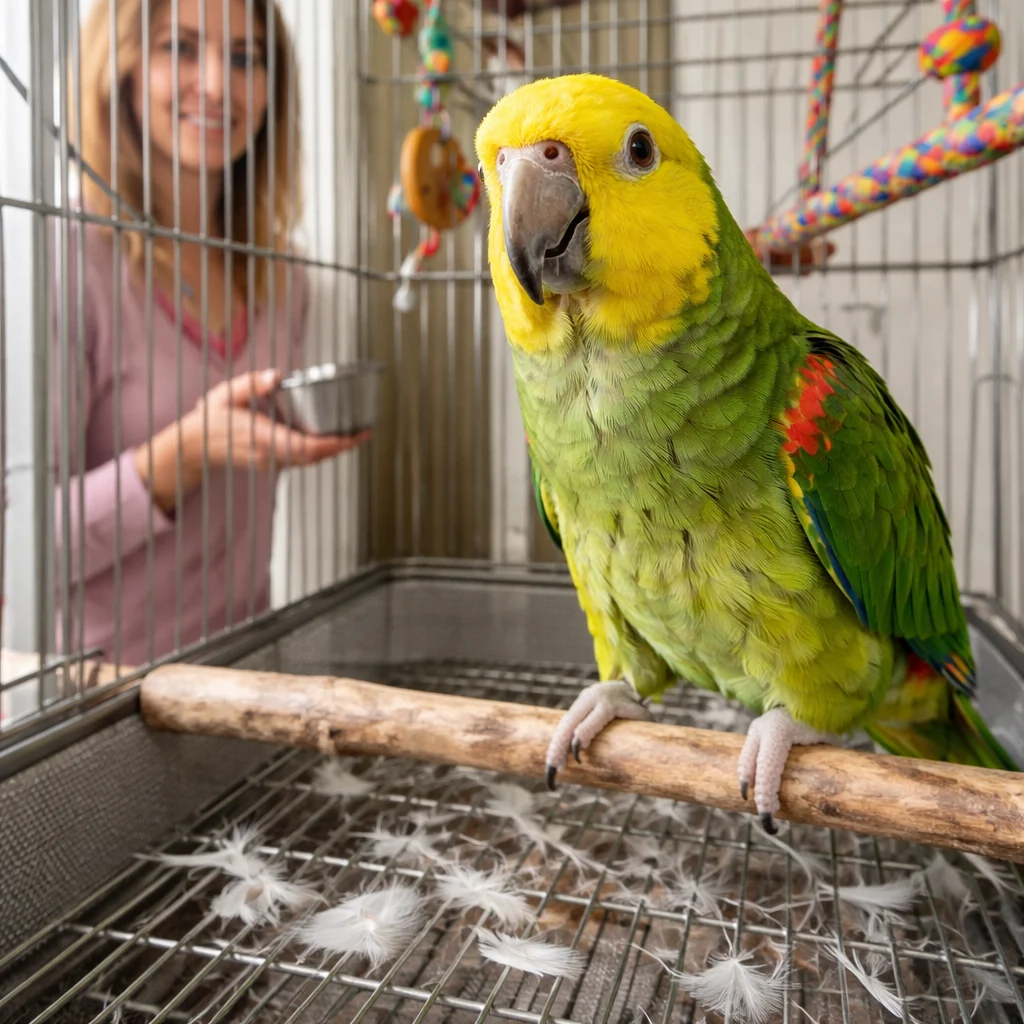
The unexpected discovery of a substantial quantity of feathers on a companion bird’s cage floor often triggers immediate alarm among owners, prompting concerns ranging from natural physiological processes to serious health or behavioral issues. While a floor covered in feathers can indeed be a symptom of underlying distress, it is crucial for owners to understand the distinctions between a healthy, natural molt and pathological feather loss, such as plucking or self-mutilation. Accurate identification is the first step toward ensuring the bird’s well-being and determining if veterinary intervention is necessary.
The Biological Imperative: Understanding Avian Molting
Molting is a fundamental biological process for all birds, wherein old, worn, or damaged feathers are periodically shed and replaced with new ones. This cyclical renewal is essential for maintaining optimal flight, insulation, waterproofing, and camouflage. The frequency, duration, and extent of molting vary significantly among species, influenced by factors such as age, season, diet, photoperiod (light exposure), reproductive status, and overall health.
Typically, a complete molt occurs once a year, often after the breeding season, but some species may undergo partial molts more frequently. The process is hormonally regulated, primarily by the thyroid gland, which responds to environmental cues like changing day length. During a molt, birds may appear somewhat dishevelled, with patchy feathering, and often exhibit reduced energy levels or increased irritability due to the significant physiological demands of growing new feathers. This period requires a substantial expenditure of energy and nutrients, particularly protein and amino acids, which are the building blocks of feathers.
Key Indicators of a Healthy Molt:
Upon closer inspection, feathers shed during a normal molt present distinct characteristics. The "quill," or calamus, which is the hollow base of the feather shaft that was embedded in the skin, will appear smooth, clean, and often slightly pointed. This indicates that the feather has naturally detached from the follicle. Owners may also observe white, flaky material, known as feather dander, which is the shed keratinous sheath that encases new "pin feathers" as they emerge. These pin feathers, resembling small, sharp spikes, are new feathers still developing within their protective sheath, rich in blood supply. As they mature, the sheath disintegrates, and the bird preens it away, allowing the feather to unfurl. The presence of numerous pin feathers, particularly on the head and neck, is a definitive sign of active molting.
Pathological Feather Loss: The Complexities of Plucking and Self-Mutilation
In stark contrast to natural molting, pathological feather loss, commonly referred to as feather plucking, feather destructive behavior (FDB), or self-mutilation, is a serious concern that indicates an underlying medical, environmental, or behavioral problem. This condition involves the bird intentionally damaging or removing its own feathers, leading to bare patches, skin irritation, and potentially open wounds. Unlike molting, which is a regenerative process, plucking is destructive and can severely compromise a bird’s health and welfare.
Distinguishing Features of Plucked Feathers:
A crucial diagnostic step involves examining the morphology of fallen feathers. Feathers that have been plucked often exhibit signs of trauma: the quill may be jagged, chewed, bent, or fractured. The tip of the quill might appear bloody or ragged, indicating that the feather was forcefully ripped from the follicle. In some cases, the feather may be completely absent from a follicle, while the quill remains embedded in the skin, or the feather shaft itself may be broken midway. The presence of bare skin without new pin feathers emerging, particularly in areas accessible to the bird’s beak or feet, is a strong indicator of plucking.
Etiological Spectrum of Feather Destructive Behavior:
The causes of FDB are multifaceted and often interconnected, requiring a comprehensive diagnostic approach. They can generally be categorized into medical, environmental, nutritional, and behavioral/psychological factors.
-
Medical Causes: A thorough veterinary examination is paramount to rule out underlying medical conditions. These can include:
- Infections: Bacterial, fungal (e.g., Candida), or viral infections (e.g., Psittacine Beak and Feather Disease – PBFD, Polyomavirus) affecting the skin or feather follicles.
- Parasites: External parasites such as mites or lice, or internal parasites like Giardia, can cause intense itching and lead to over-preening or plucking.
- Systemic Diseases: Liver disease, kidney disease, thyroid imbalances, or other metabolic disorders can manifest as poor feather quality or skin irritation.
- Toxicity: Exposure to heavy metals (e.g., lead, zinc) or other environmental toxins can cause systemic illness that includes feather abnormalities.
- Allergies: Environmental allergens or dietary sensitivities can induce pruritus (itching) and subsequent plucking.
- Pain: Localized pain from injuries, arthritis, or internal masses can lead to a bird focusing excessively on the painful area.
-
Environmental Causes: The captive environment plays a significant role in avian welfare. Suboptimal conditions can induce stress and frustration, leading to FDB.
- Lack of Enrichment: Boredom, lack of appropriate toys, foraging opportunities, or social interaction can result in redirecting natural behaviors (like preening) into destructive habits.
- Inadequate Cage Size: A cage that is too small restricts movement and opportunities for exercise, contributing to stress.
- Poor Air Quality: Dry air, smoke, strong scents, or dust can irritate skin and respiratory tracts.
- Inappropriate Lighting: Lack of full-spectrum UV light can disrupt circadian rhythms and hormonal balance.
- Stressors: Sudden changes in routine, new pets, loud noises, or perceived threats can trigger anxiety and plucking.
-
Nutritional Causes: A balanced diet is fundamental to feather health.
- Deficiencies: Inadequate intake of essential nutrients, such as Vitamin A, Vitamin E, essential fatty acids (Omega-3 and Omega-6), calcium, and specific amino acids (e.g., methionine, lysine), can lead to poor feather quality, skin issues, and an increased propensity for plucking.
- Imbalanced Diet: Diets primarily composed of seeds, lacking the diversity of fresh fruits, vegetables, and a high-quality pelleted base, are common culprits.
-
Behavioral and Psychological Causes: These factors are particularly complex and often require a multidisciplinary approach involving an avian veterinarian and a behavior specialist.
- Anxiety and Stress: Birds are highly sensitive creatures, and chronic stress from their environment or social interactions can manifest as FDB.
- Boredom and Frustration: Intelligent species, particularly parrots, require constant mental stimulation. A lack of engagement can lead to obsessive behaviors.
- Attention-Seeking: If a bird learns that plucking elicits a strong reaction from its owner, it may continue the behavior to gain attention.
- Reproductive Hormones: Hormonal fluctuations, especially during breeding season, can increase irritability, territoriality, and sometimes lead to plucking.
- Learned Behavior: Once initiated, FDB can become a compulsive habit that is difficult to break, even if the initial trigger is removed.
Diagnostic Chronology and Expert Insights
When an owner observes feather loss, a systematic approach is recommended, starting with initial observations at home and progressing to professional veterinary consultation if concerns persist.
Step 1: The Initial "Feather Forensics" (Owner Assessment)
As detailed by avian behavior specialist Diane Burroughs, founder of UnRuffledRx®, a preliminary "shaft test" on a fallen feather can provide immediate clues. If the quill is smooth and clear, indicative of natural shedding, and accompanied by bird dander, it points towards a molt. Conversely, a chewed, jagged, or bloody quill strongly suggests plucking.
Step 2: The "Mist & Part" Test (Visual Skin Examination)
Lightly misting the bird with plain water or a veterinarian-approved aloe vera spray can flatten the feathers, allowing for better visualization of the skin. Gently parting the feathers can reveal whether new pin feathers are actively emerging (signaling a molt) or if the skin is bare, red, irritated, or traumatized (indicating plucking).
Step 3: Species-Specific "Hot Spots" (Pattern Recognition)
Behavioral plucking often follows predictable patterns depending on the species due to anatomical accessibility and species-specific sensitivities.
- African Greys: Frequently target feathers under their wings or on their inner thighs. These birds are highly intelligent and sensitive, often succumbing to stress or boredom.
- Cockatiels: Commonly pluck feathers on their shoulders or the center of their chest. Their relatively smaller size and propensity for anxiety can contribute to FDB.
- Cockatoos: Exhibit plucking on the chest, belly, and even the head. Their powerful beaks and dexterity with their feet allow them to reach areas inaccessible to many other species, making them particularly adept at self-mutilation. They are also known for their intense need for social interaction and can suffer greatly from loneliness or lack of stimulation.
It is important to note that in a normal molt, head feathers typically appear as "spikes" (pin feathers) rather than totally bare, raw, or scratched skin.
Step 4: Comprehensive Avian Veterinary Examination (Professional Diagnosis)
If the initial owner assessment suggests plucking, or if the bird exhibits any other signs of illness (lethargy, changes in appetite, discharge), immediate consultation with an avian veterinarian is crucial. The vet will conduct a thorough physical examination and may recommend a battery of diagnostic tests, including:
- Blood work: Complete Blood Count (CBC) and biochemistry panel to assess overall health, organ function, and potential infections.
- Feather and Skin Biopsy/Scraping: To identify parasites, bacterial, or fungal infections.
- Infectious Disease Testing: PCR tests for common avian viruses like PBFD and Polyomavirus.
- Radiographs (X-rays): To detect internal abnormalities, heavy metal toxicity, or organomegaly.
- Dietary Review: A detailed history of the bird’s diet to identify nutritional deficiencies.
- Environmental Audit: Discussion of the bird’s living conditions, social interactions, and daily routine.
Avian veterinarians and behavior specialists underscore that early detection and intervention are critical. Chronic plucking can lead to secondary skin infections, follicular damage preventing future feather growth, and severe psychological distress for the bird.
Management and Intervention Strategies
The treatment approach for feather loss depends entirely on the underlying cause.
For Healthy Molting:
- Nutritional Support: Ensure a high-quality, balanced diet rich in protein, essential fatty acids, and vitamins. Supplementation, if deemed necessary by a vet, can support feather growth.
- Hydration: Regular misting or providing opportunities for bathing can help soften feather sheaths, making it easier for the bird to preen off the old keratin and unfurl new feathers.
- Reduced Stress: Maintain a stable environment and minimize stressors, as molting is already a taxing period.
For Feather Plucking (FDB):
Addressing FDB typically requires a holistic, multi-pronged strategy.
- Medical Treatment: If an underlying medical condition is identified, specific treatments (antibiotics, antifungals, antiparasitics, dietary changes) will be initiated.
- Environmental Enrichment: This is often a cornerstone of behavioral therapy.
- Foraging Opportunities: Provide toys and puzzles that encourage natural foraging behaviors.
- Variety of Perches: Offer different textures and diameters to stimulate foot health and provide mental engagement.
- Adequate Cage Size: Ensure the bird has sufficient space for movement and flight.
- UV Lighting: Install full-spectrum avian lighting to support hormonal balance and psychological well-being.
- Social Interaction: Provide appropriate levels of interaction, whether with human companions or compatible avian partners (under careful supervision).
- Behavioral Modification: Working with an avian behaviorist can help identify triggers and implement positive reinforcement techniques to redirect plucking behaviors. This might involve increasing positive attention for non-plucking behaviors or training alternative activities.
- Dietary Adjustments and Supplements: Beyond general nutrition, specific supplements like Omega-3 fatty acids can improve skin and feather health. Topical soothing agents, such as veterinarian-approved aloe vera sprays or anti-itch solutions, may provide temporary relief from skin irritation.
- Pharmacological Interventions: In severe, refractory cases, and always under strict veterinary guidance, medications such as antidepressants or anxiolytics may be considered to help manage compulsive plucking behaviors. These are typically used as part of a broader behavioral and environmental management plan.
- Avian Collars: In extreme cases of self-mutilation or to allow feathers to regrow, a protective collar may be necessary, but this should be a temporary measure and always managed by a veterinarian.
Broader Implications and Owner Responsibility
The prevalence of feather destructive behavior in captive parrots highlights critical aspects of avian welfare. It serves as a potent indicator of unmet needs within the captive environment. From an avian welfare perspective, chronic plucking diminishes a bird’s quality of life, compromising its physical health and psychological well-being. The implications extend to the owner, who faces emotional distress, significant financial costs for veterinary care, and the ongoing commitment required to manage a complex behavioral issue.
Research continues to explore the intricate interplay of genetics, environment, nutrition, and psychology in FDB. Experts like Diane Burroughs advocate for "behavior-first" protocols, emphasizing that understanding and modifying the bird’s environment and routine are often the most effective and sustainable solutions. This involves a proactive approach to avian care, focusing on preventative measures that meet the complex needs of intelligent, social birds.
Ultimately, the distinction between a healthy molt and pathological feather loss is more than a mere diagnostic exercise; it is a call to action for responsible bird ownership. By equipping themselves with knowledge and seeking professional guidance when necessary, owners can ensure their feathered companions thrive, rather than just survive, in their care.

