


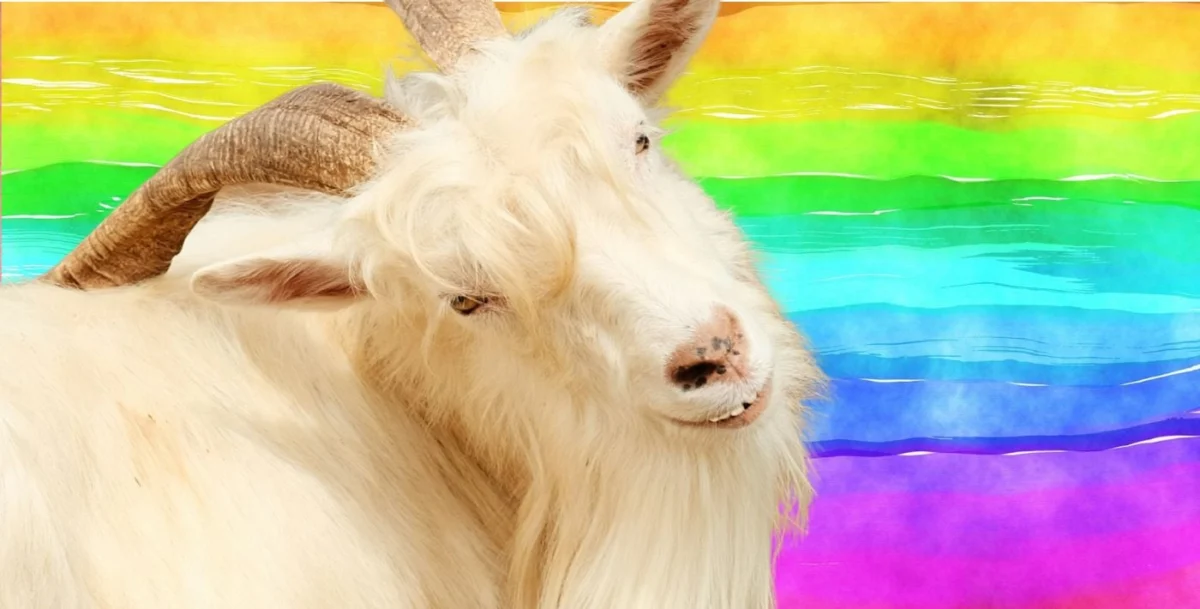
The global luxury toy and retail icon FAO Schwarz has officially announced its decision to ban mohair from all products, joining a rapidly expanding coalition of major international brands rejecting the material. This decisive corporate policy shift arrived mere hours before animal rights organization PETA (People for the Ethical Treatment of Animals) was scheduled to stage a high-profile demonstration outside the flagship FAO Schwarz store in New York City, where activists planned to protest using a towering, symbolically blood-stained teddy bear prop.
The inclusion of FAO Schwarz marks a significant milestone in an ongoing corporate accountability movement that has steadily reshaped the textile, fashion, and toy manufacturing industries. The toy retailer now stands alongside prominent global corporations such as Adidas, Columbia Sportswear, Gap Inc., UNIQLO, and Zara, all of which previously severed ties with the mohair industry following harrowing exposés detailing widespread animal cruelty.
Background Context and the Genesis of the Crisis
The widespread corporate rejection of mohair traces its roots back to damning investigative work conducted by PETA Asia. Investigators targeted South Africa, the undisputed epicentre of the global mohair industry, which accounts for more than half of the world’s total mohair production. Angora goats, prized for the silky, durable, and lustrous fleece they produce, are farmed extensively across the arid regions of the Eastern Cape. However, the multi-million-dollar industry’s operational practices remained largely obscured from public view until undercover operatives documented the daily realities inside shearing sheds and breeding farms.
The resulting investigative footage revealed a systemic culture of violence, rough handling, and profound neglect. Because commercial mohair shearers are compensated based on the volume of fleece they harvest rather than an hourly wage, workers are heavily incentivized to prioritize speed above animal welfare. This piece-rate compensation model translates directly into a chaotic, brutal shearing process where animals routinely suffer physical trauma.
Chronology of Abuse: Inside the Shearing Sheds
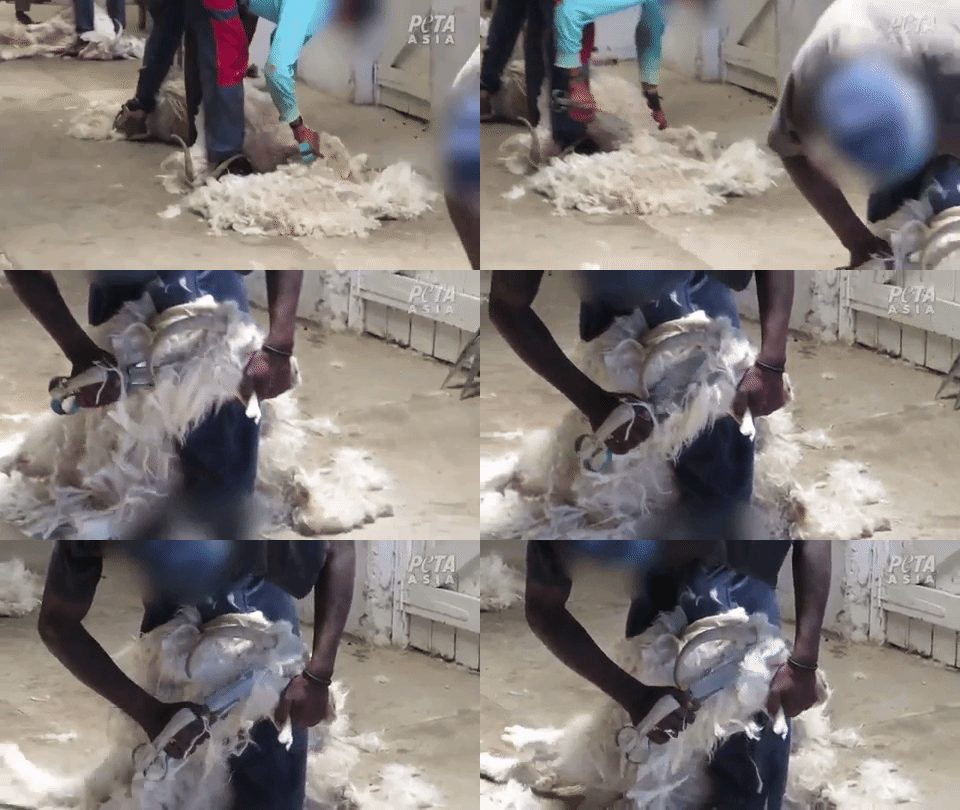
Documented evidence gathered across multiple South African farms exposed a disturbing continuum of mistreatment from shearing to slaughter. According to the findings, workers routinely subjected angora goats to gratuitous violence. Investigators recorded instances where shearers lifted terrified animals entirely off the concrete flooring by their tails—a practice veterinary experts warn can easily fracture the delicate bones of the spinal column and cause permanent nerve damage.
In cases where goats struggled or attempted to escape the disorienting shearing process, workers were filmed physically sitting on the animals to subdue them, exerting dangerous amounts of pressure on their ribcages and internal organs. Furthermore, documentation showed workers casually picking up and throwing goats across rooms, as well as violently pinning them down.
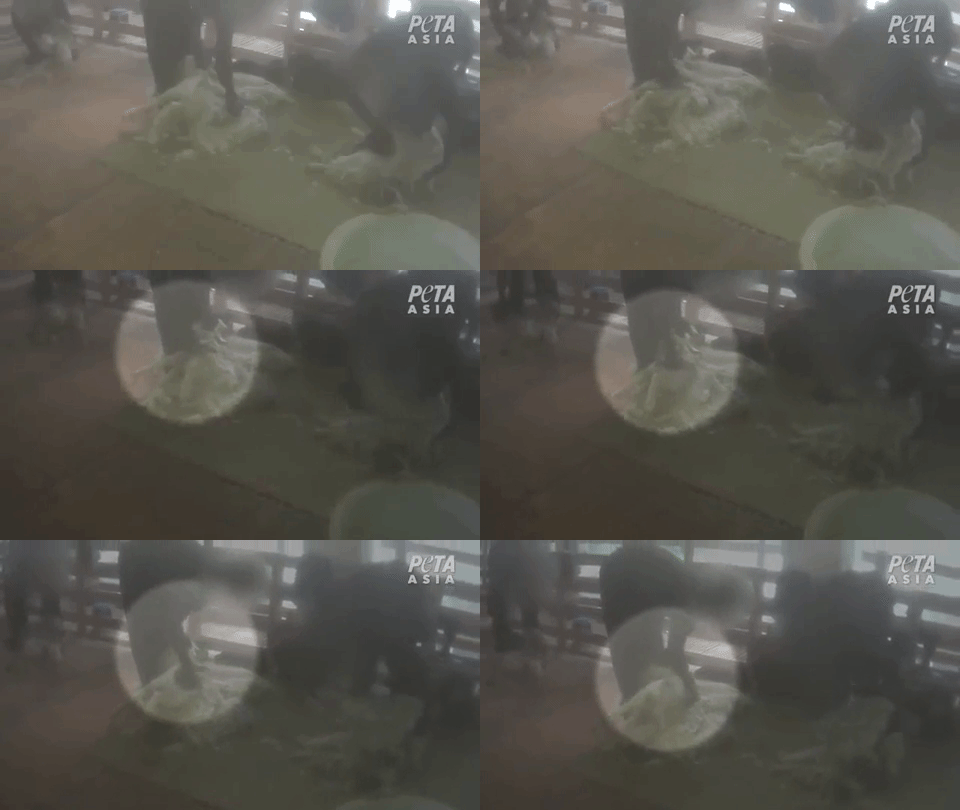
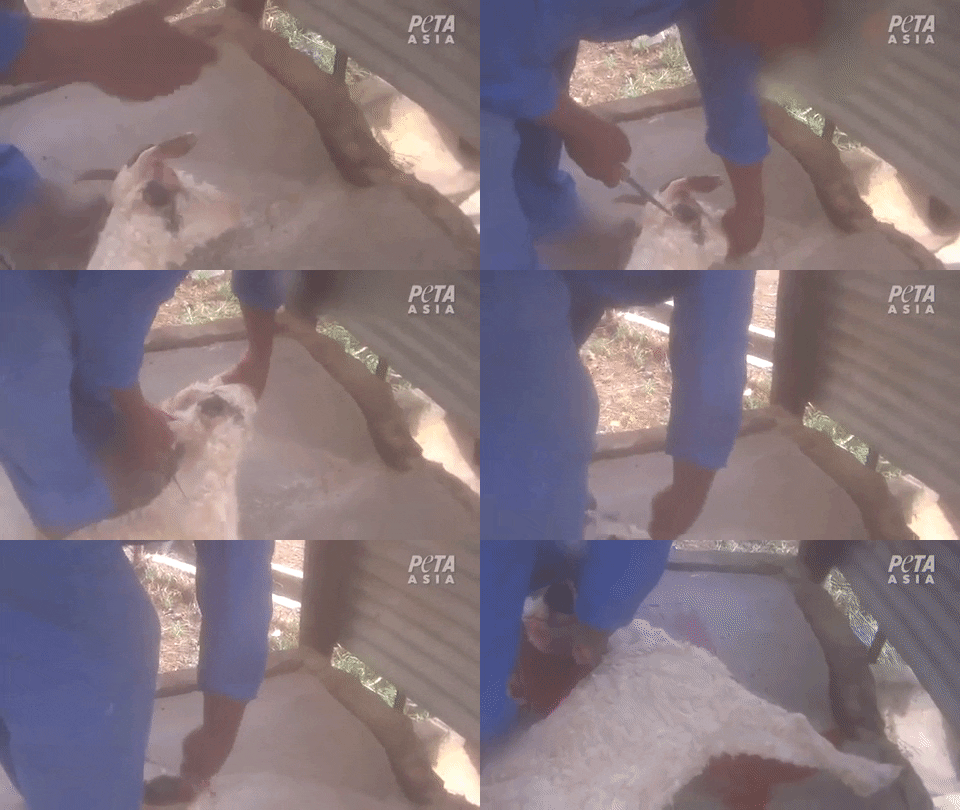
The mistreatment extended beyond adult animals to vulnerable kids experiencing their first shearing season. Footage captured young goats crying out in palpable fear as they were handled roughly. In addition to shearing trauma, workers utilized pliers to forcefully punch sharp metal identification needles through the sensitive cartilage of the goats’ ears, inducing intense, acute pain. One South African farmer interviewed during the investigations admitted on record that the goats "scream terribly" during these routine mutilations.
The Lifecycle of an Angora Goat: Profit Over Welfare
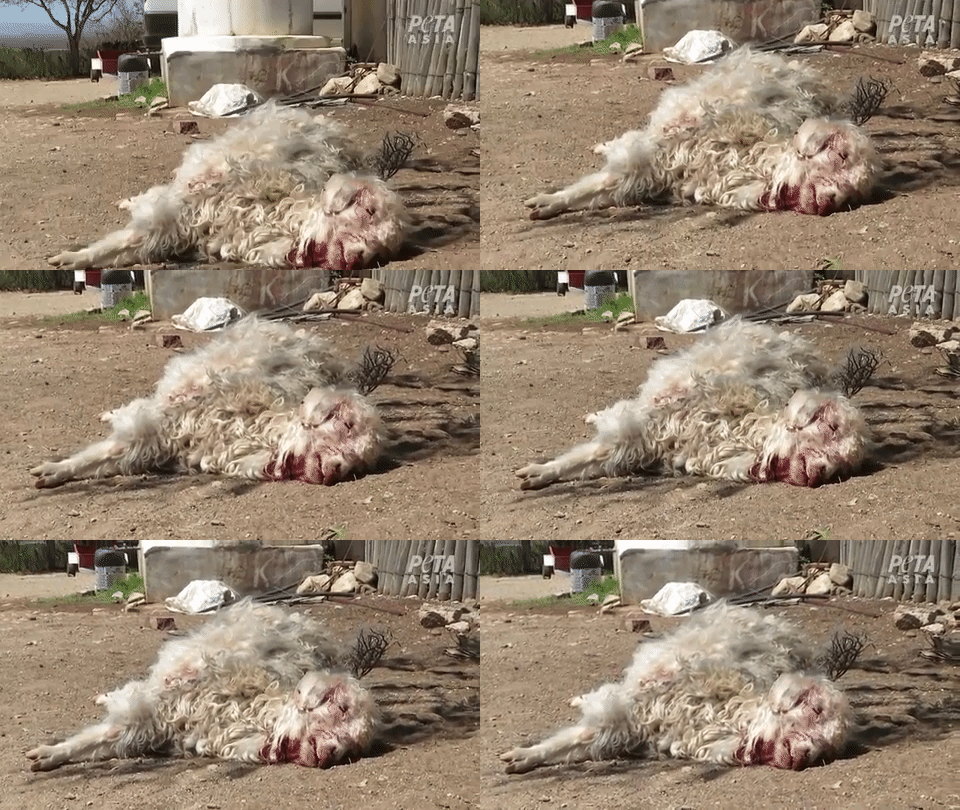
Beyond the immediate trauma of the shearing shed, the investigation shed light on the bleak trajectory of an angora goat’s lifespan. Once an animal’s wool production begins to decline with age—rendering it economically unprofitable to the farmer—it is systematically culled. This often occurs years, or even decades, before the goat reaches its natural life expectancy of roughly 12 to 15 years.
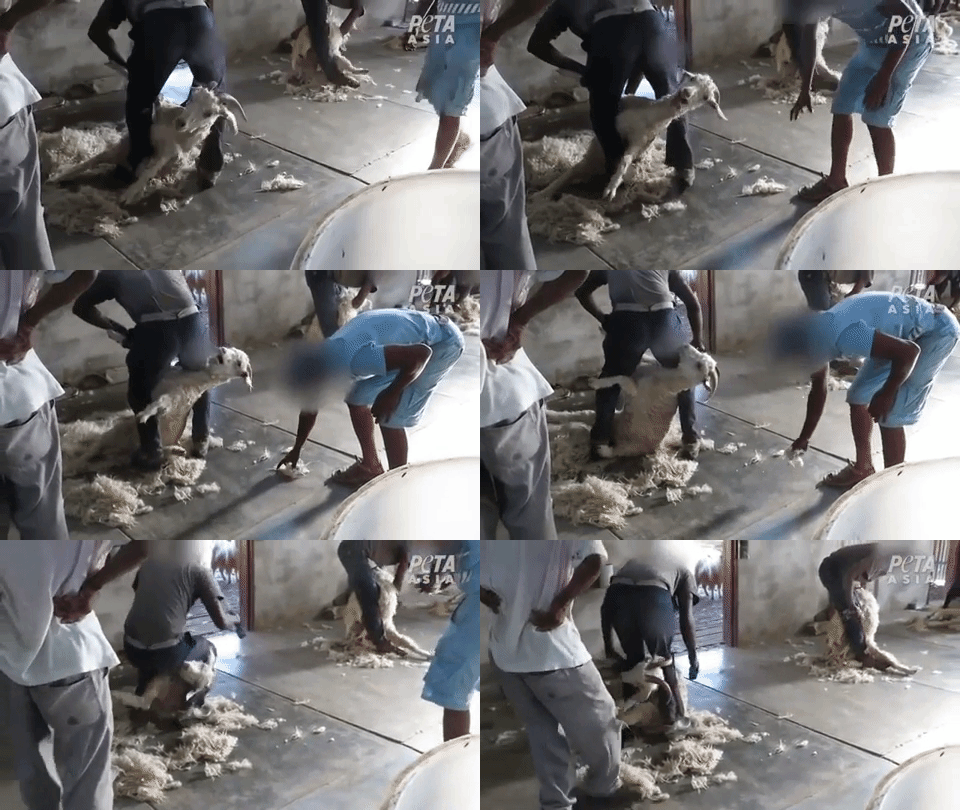
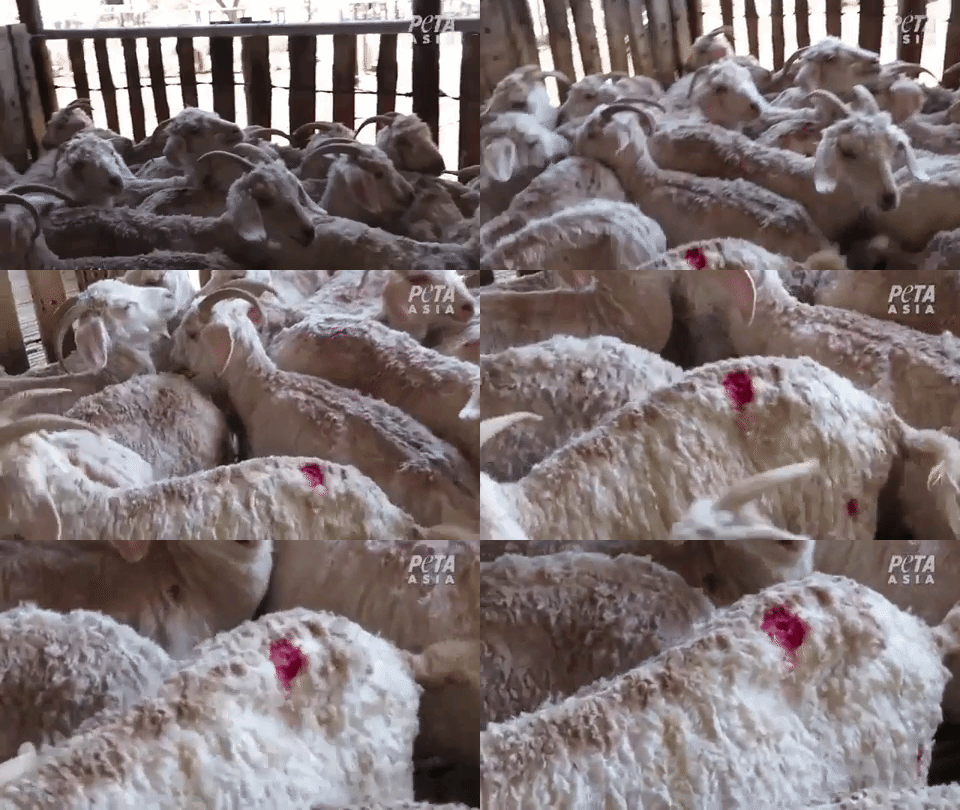
Footage from the exposés depicted workers cutting the throats of spent goats, effectively ending their lives in facilities that lacked humane stunning protocols typical of regulated slaughterhouses. Because shearers rushed through their tasks with electric clippers, the goats’ skin was frequently lacerated, leaving them bleeding and untreated on the shearing floor while workers immediately moved on to the next animal.
The Ripple Effect Across Global Retail
The release of these graphic exposés catalyzed an unprecedented wave of corporate self-reflection and consumer backlash. As the video evidence circulated globally, animal welfare advocates mobilized targeted pressure campaigns against major multinational retailers that utilized mohair in sweaters, winter garments, blankets, yarn, and plush children’s toys.

The corporate domino effect began shortly after the initial PETA Asia releases. Athletic apparel giant Adidas was among the first major brands to evaluate its supply chain and institute a comprehensive ban. Soon after, outdoor apparel leader Columbia Sportswear, retail giant Gap Inc., fast-fashion pioneer Zara, and Japanese casual wear staple UNIQLO followed suit. Each company issued statements emphasizing their commitment to ethical sourcing and animal welfare, gradually stigmatizing mohair as a liability-heavy material inconsistent with modern corporate social responsibility (CSR) standards.
The FAO Schwarz Demonstration That Almost Was
The momentum reached a dramatic peak in New York City. Organizers with PETA had finalized preparations for a disruptive, highly visible protest directly outside the iconic FAO Schwarz retail location. The centerpiece of the planned demonstration was a massive, custom-made teddy bear covered in simulated blood, designed to draw immediate visual attention to the fact that mohair is frequently utilized in the manufacturing of high-end plush toys and children’s goods.
However, recognizing the mounting public relations risk and the imminent reputational damage of hosting a major animal rights protest at their flagship store, FAO Schwarz executives capitulated shortly before the demonstration commenced. The retailer officially communicated its decision to ban mohair entirely from its product lines, prompting organizers to pivot the planned protest into a celebratory victory rally while maintaining pressure on remaining holdouts in the toy and textile industries.
Implications for the Global Mohair Market
The rapid contraction of the consumer market for mohair has dealt a severe economic blow to producers, particularly in South Africa. Mohair growers and industry trade groups have historically defended their livelihoods, arguing that the exposés represented isolated incidents rather than standard industry practices. In the wake of the initial investigations, the Mohair South Africa organization attempted to introduce the Responsible Mohair Standard (RMS) in collaboration with global textile organizations, aiming to certify farms that met specific animal welfare benchmarks.
Despite these efforts to reform and regulate the supply chain, the compounding loss of major corporate buyers has severely depressed global demand. Retailers increasingly find that the reputational risks associated with animal cruelty exposés far outweigh the commercial benefits of offering luxury animal-fiber products. Consumer preference has increasingly shifted toward synthetic alternatives and cruelty-free plant-based fibers that mimic the texture of mohair without ethical compromises.
Next Targets in the Corporate Accountability Campaign
With FAO Schwarz and other retail titans successfully persuaded to abandon the controversial fiber, animal rights organizations have immediately turned their attention to remaining corporate holdouts. PETA and its international affiliates have launched subsequent campaigns targeting major legacy brands, including heritage toy manufacturer Steiff. Activists are urging consumers and shareholders alike to pressure Steiff into following the industry standard set by FAO Schwarz, Adidas, and Zara by immediately halting the sale of mohair-based products.
As consumer awareness regarding supply chain ethics continues to mature, the trajectory of the mohair industry serves as a stark case study in the power of corporate accountability. What began as undercover investigative journalism has transformed into a sweeping industry standard, proving that public exposure of cruelty can dismantle centuries-old commodity markets within a matter of years.

