


Georgia, a state renowned for its abundant natural beauty and diverse ecosystems, is home to a fascinating array of raptor species. From the mountainous north to the coastal plains, these birds of prey play a crucial role in maintaining ecological balance. However, the classification and identification of these majestic creatures can often lead to confusion. This article delves into the world of hawks in Georgia, clarifying their taxonomic relationships, exploring the various species found within the state, and providing detailed insights into their identification, distribution, and ecological significance.

The Avian Tapestry of Georgia
Georgia’s geography is as varied as its wildlife. With approximately 100 miles of coastline dotted with barrier islands and estuaries, a significant portion of the Okefenokee Swamp—the largest swamp in the United States—and the majestic Blue Ridge Mountains in the northeast, the state offers a multitude of habitats. These diverse environments, ranging from dense forests to open wetlands and mountain ranges, support a rich biodiversity, including a notable population of birds of prey.
According to eBird, a popular citizen science platform for bird observations, Georgia ranks 32nd in the United States for the total number of recorded bird species, with an impressive 438 species documented. Within this impressive avian catalog, the raptors, commonly known as birds of prey, capture the imagination with their keen eyesight, powerful talons, and aerial prowess. Understanding the distinctions between different types of hawks and their place within broader avian families is key to appreciating their ecological roles.
Decoding the Accipitridae Family: Hawks, Eagles, and Kites
The term "hawk" is often used broadly, leading to common misconceptions. To understand the specific types of hawks found in Georgia, it is essential to navigate their scientific classification. The order Accipitriformes encompasses most birds of prey. Within this order, the family Accipitridae is a large and diverse group that includes hawks, eagles, and kites. Further refinement leads to the subfamily Accipitrinae, which is often referred to as the "true hawks." This subfamily is further divided into several genera, including Accipiter, Microspizias, Erythrotriorchis, Megatriorchis, and Circus.
For the purpose of this exploration, we will also include members of the genus Buteo, commonly known as buzzard-hawks or simply "buteo hawks." While not strictly classified as "true hawks" within the Accipitrinae subfamily, they are widely recognized and referred to as hawks due to their similar hunting strategies and ecological niches.
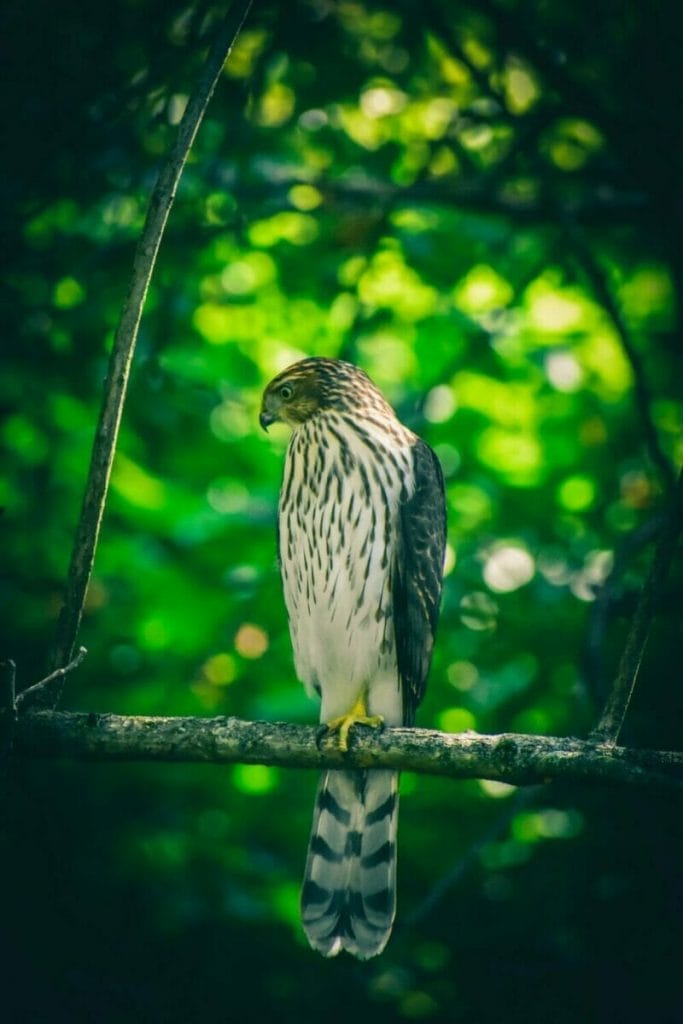
Georgia is home to a significant number of these raptor species, with observations reported by birdwatchers across the state. By examining the species documented by eBird and other ornithological resources, we can gain a comprehensive understanding of Georgia’s hawk population.
Georgia’s Hawks: A Detailed Look
Georgia’s diverse habitats support a variety of hawk species, each with unique characteristics and ecological roles. Here, we explore some of the most commonly observed and ecologically significant hawks in the Peach State.
Red-shouldered Hawk (Buteo lineatus)
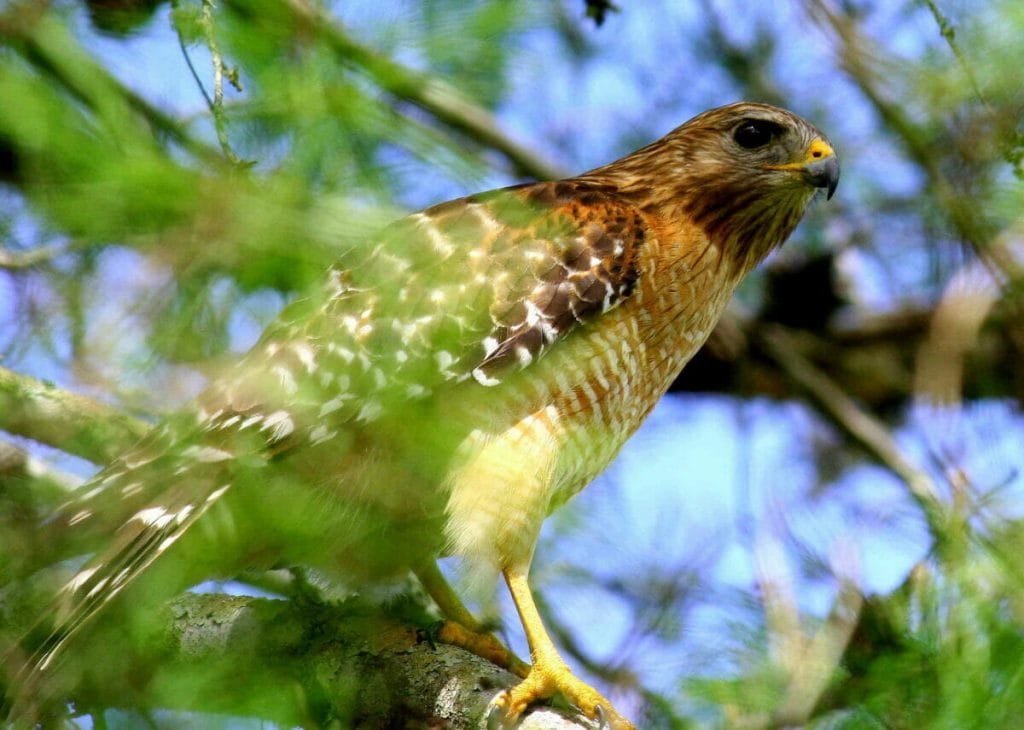
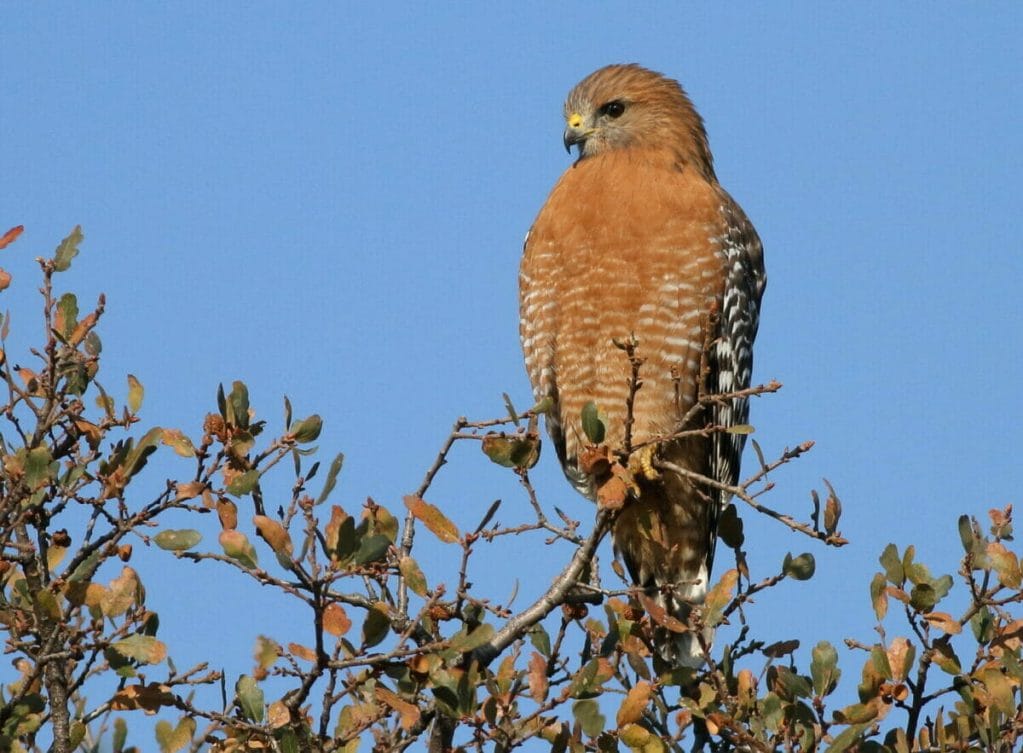
The Red-shouldered Hawk is a striking resident of Georgia, known for its distinctive rufous (reddish-brown) coloring that adorns its breast and head, extending across its shoulders. The undersides of its wings and tail display beautiful black and white checks, providing an easily recognizable pattern.
- Identification and Size: Adult Red-shouldered Hawks are medium-sized raptors. They typically measure between 16.9 and 24.0 inches in length, with a wingspan ranging from 37.0 to 43.7 inches. Their weight usually falls between 17.1 and 27.3 ounces. The bold barring on their wings and tail, combined with their reddish underparts, makes them stand out. Juvenile birds are more mottled brown and can be confused with other species, but their size and shape remain characteristic.
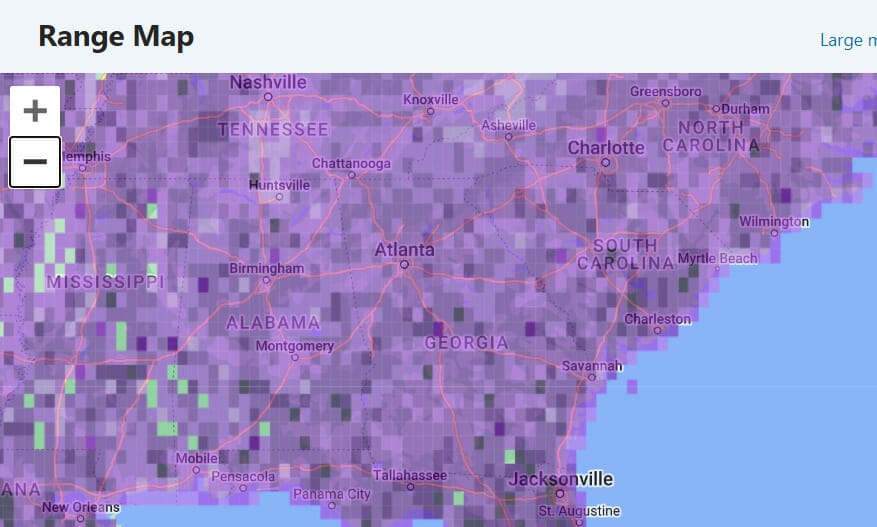
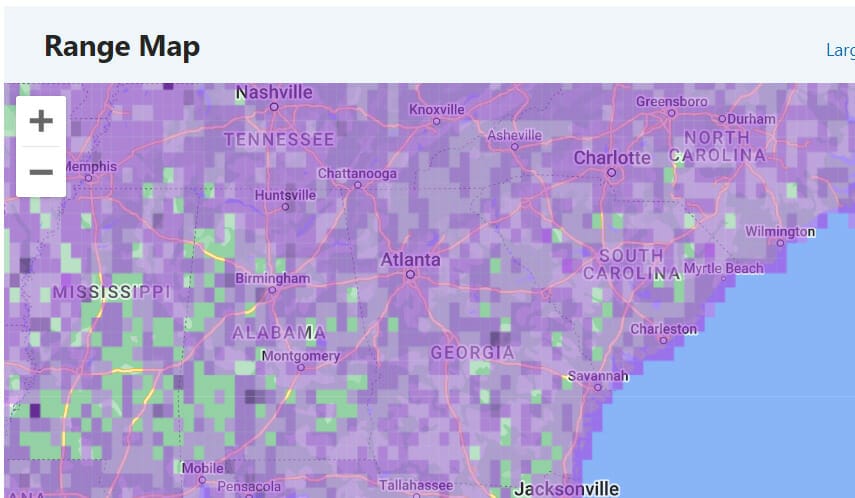
- Distribution: This species is a year-round resident throughout Georgia. Its preferred habitat includes mature forests, especially those with access to water such as swamps, river bottoms, and bottomland hardwoods. Their presence is widespread across the state, from the mountains to the coast, wherever suitable forest cover and foraging grounds are available.
- Ecological Role and Interesting Facts: Red-shouldered Hawks are adept hunters, preying on small mammals like mice and voles, as well as amphibians, reptiles (particularly snakes), and other small birds. Their hunting strategy often involves perching in dense foliage and ambushing prey. An interesting fact about this species is their preference for forest environments, which provides them with both hunting opportunities and protective cover for nesting. Their vocalizations, a series of sharp, piercing calls, are a common sound in Georgia’s woodlands.
Cooper’s Hawk (Accipiter cooperii)
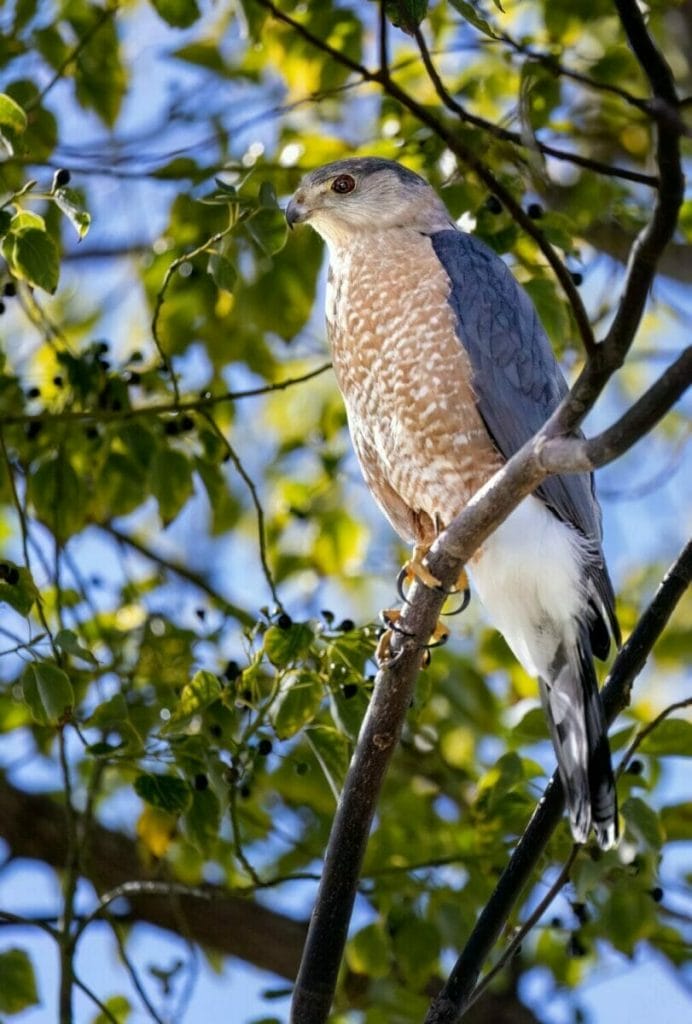
The Cooper’s Hawk is a medium-sized hawk recognized for its agility in pursuing prey through dense woodlands. It is a member of the Accipiter genus, known for their short, broad wings and long tails, adaptations for maneuverability.
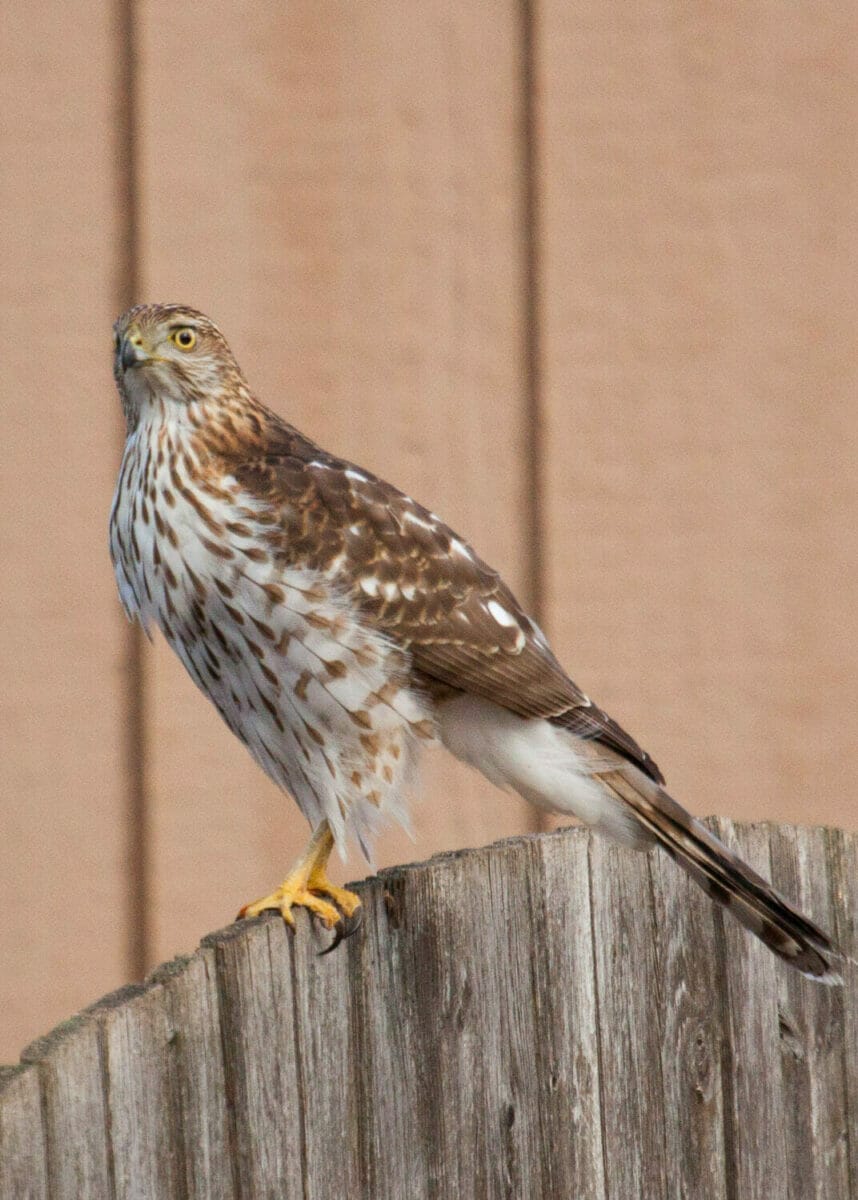
- Identification and Size: Adult Cooper’s Hawks exhibit a dark gray dorsal side with an orangish-red barring on their chest and a paler belly. Females are noticeably larger than males, a common trait in accipiters. Juvenile birds are typically brown with streaks on their undersides, and their eyes often appear a striking, staring yellow or orange. Adults have red eyes.
- Length: 14.6 – 17.7 inches
- Wingspan: 24.4 – 35.4 inches
- Weight: 7.8 – 24 ounces
- Distribution: While migratory in some parts of North America, the Cooper’s Hawk is a resident species in Georgia, observed throughout the year. They favor deciduous and mixed woodlands, often nesting in the canopy. Their presence is widespread, though they may be less frequently observed due to their preference for dense forest cover.
- Ecological Role and Interesting Facts: Cooper’s Hawks are formidable predators, specializing in hunting medium-sized birds, such as robins, jays, and even smaller woodpeckers. They employ a rapid, direct flight pattern and are known for their ability to navigate complex forest environments with remarkable speed and precision. Their hunting technique involves a swift chase, often culminating in the hawk killing its prey with its powerful talons through a crushing grip.
Sharp-shinned Hawk (Accipiter striatus)
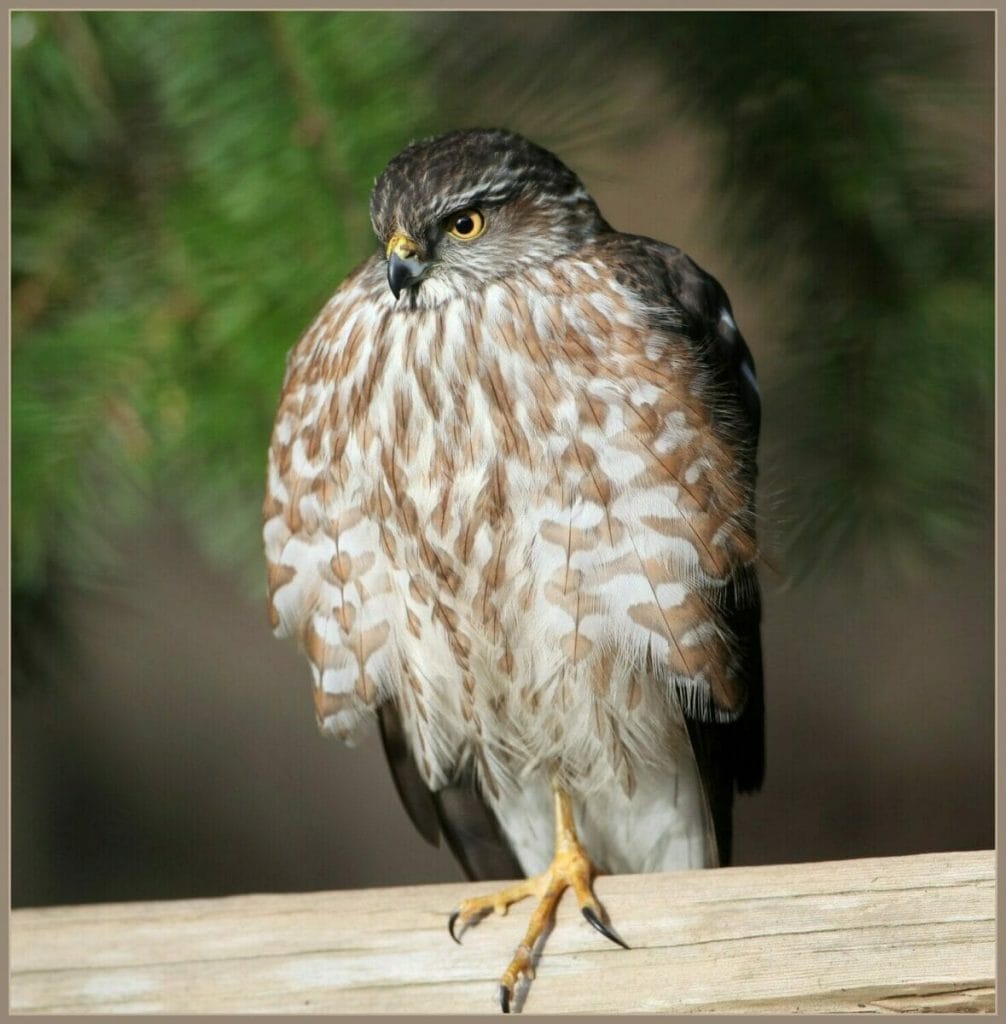
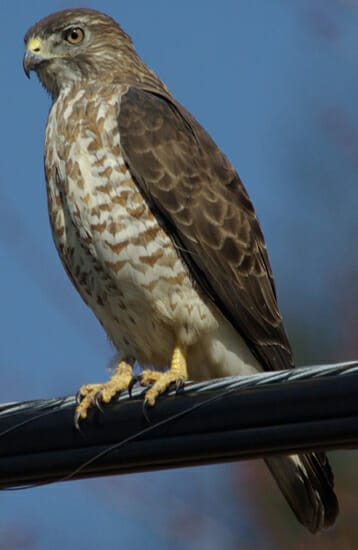
The Sharp-shinned Hawk is the smallest of the North American Accipiter hawks, often causing confusion with its larger relative, the Cooper’s Hawk. Distinguishing between the two requires careful observation of size and subtle plumage differences.
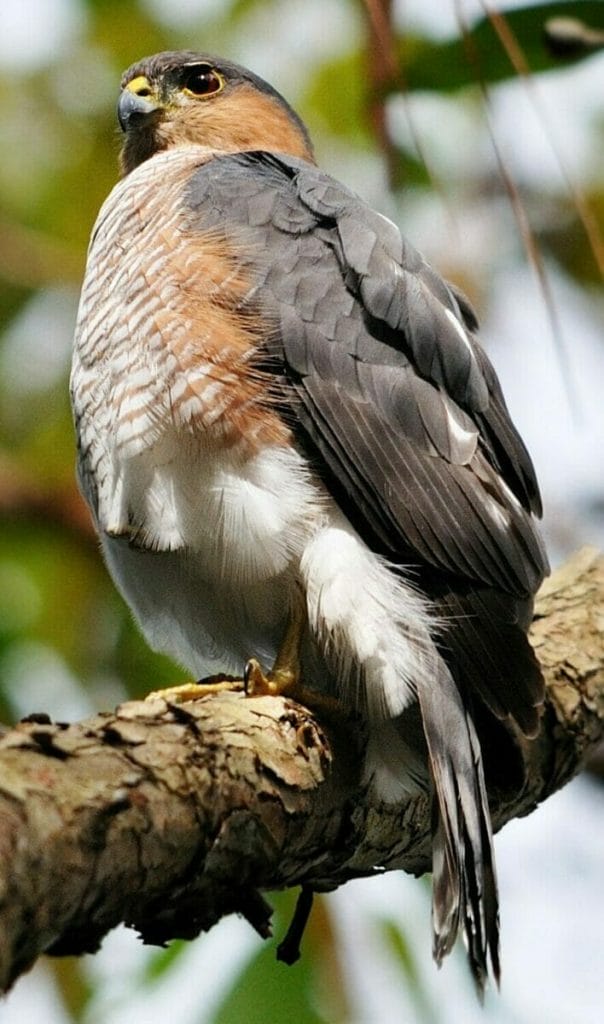
- Identification and Size: Both sexes are similar in appearance, though females are larger. Adults are bluish-gray above with finely barred reddish or buffy undersides. Juvenile Sharp-shinned Hawks are brown with streaky undersides. A key field mark, though difficult to observe, is the squared-off tail of the Sharp-shinned Hawk compared to the rounded tail of the Cooper’s Hawk. Their small size is their most defining characteristic.
- Length: 9.4 – 13.4 inches
- Wingspan: 16.9 – 22.1 inches
- Weight: 3.1 – 7.7 ounces
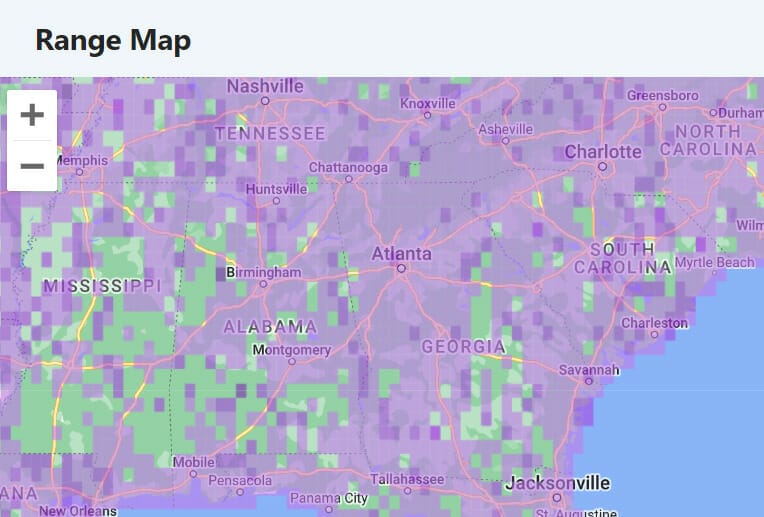
- Distribution: The Sharp-shinned Hawk is a migratory species that spends its non-breeding season in Georgia, typically arriving in the fall and departing for breeding grounds in Canada during the spring. They are found throughout the state in appropriate habitats, preferring dense forests. Their secretive nature and preference for thick woodlands can make them less conspicuous.
- Ecological Role and Interesting Facts: As their name suggests, Sharp-shinned Hawks are agile hunters of small birds, often ambushing them in flight or from a concealed perch. They are known to hover briefly to capture prey and will then often retreat to a perch to consume their meal. An interesting fact is their remarkable speed and agility, allowing them to pursue small birds through dense vegetation.
Red-tailed Hawk (Buteo jamaicensis)
The Red-tailed Hawk is arguably the most common and widespread large raptor in North America, and Georgia is no exception. Its familiarity and striking appearance make it an iconic symbol of wildness.
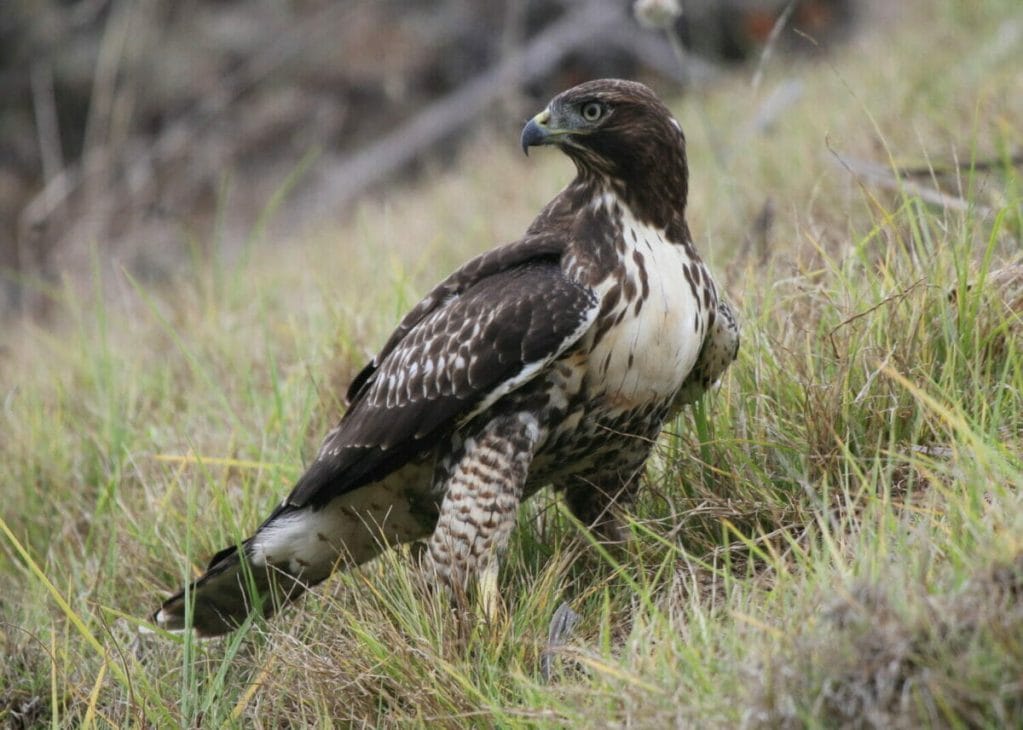
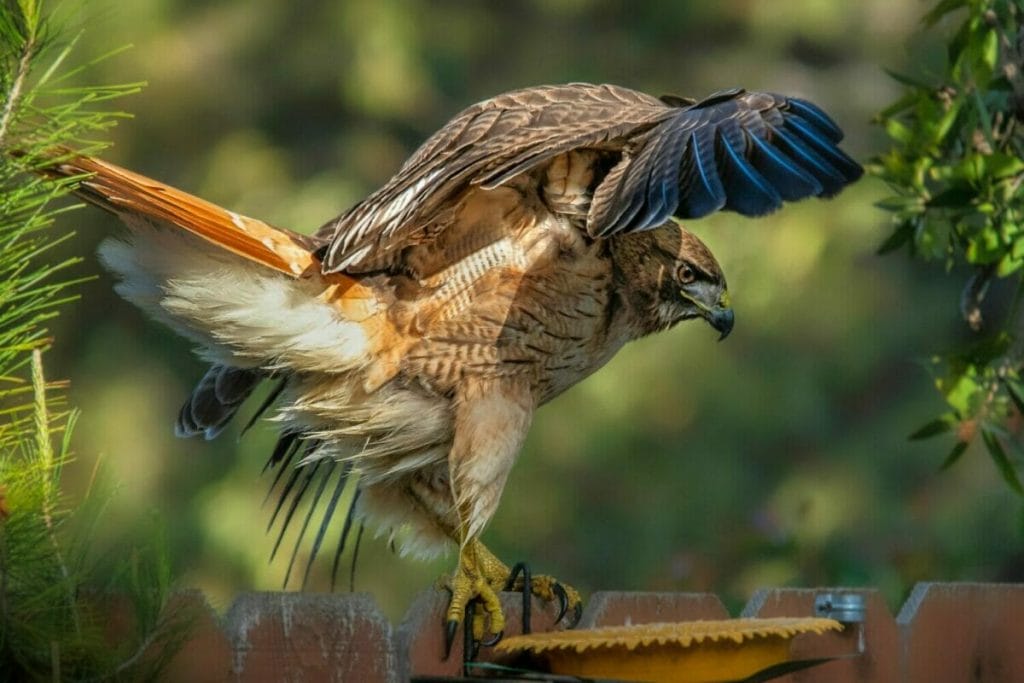
- Identification and Size: The most distinguishing feature of the adult Red-tailed Hawk is its brick-red tail, visible from above and below. However, plumage can vary significantly, with some individuals exhibiting darker or lighter coloration, and even melanistic (all black) forms. In Georgia, the typical adult has a pale underside with some red and brown markings. The belly often features a distinct "belly band" of dark streaks. Females are generally larger than males.
- Length: 17.7 – 25.6 inches
- Wingspan: 44.9 – 52.4 inches
- Weight: 24.3 – 51.5 ounces
- Distribution: The Red-tailed Hawk is a year-round resident found across virtually all of Georgia. They inhabit a wide range of habitats, including forests, open woodlands, agricultural areas, grasslands, deserts, and even suburban environments. Their adaptability allows them to thrive in diverse landscapes.
- Ecological Role and Interesting Facts: As generalist predators, Red-tailed Hawks feed on a variety of prey, including small mammals (rodents, rabbits), birds, and reptiles. They often hunt by soaring at high altitudes, using their exceptional eyesight to spot prey on the ground, or by perching on elevated vantage points. A fascinating aspect of the Red-tailed Hawk is the common use of its distinctive shrill call in Hollywood films to represent raptors, even when the on-screen bird is a different species. This call has become synonymous with wildness and danger in popular culture.
Broad-winged Hawk (Buteo platypterus)
The Broad-winged Hawk is a small to medium-sized hawk known for its short, broad wings and a distinctive migratory behavior.
- Identification and Size: This hawk is characterized by its short body and wide wings. Adults are typically brown above and distinctly barred on the breast and belly. Their wings show rufous coloration towards the shoulders and black and white banding towards the wingtips and on the tail.
- Length: 13.4 – 17.3 inches
- Wingspan: 31.9 – 39.4 inches
- Weight: 9.3 – 19.8 ounces
- Distribution: The Broad-winged Hawk is a summer visitor to Georgia, breeding in the state’s forests. During the winter months, they migrate south to Central and South America. Their breeding range in Georgia includes forested areas, particularly in the northern and central parts of the state.
- Ecological Role and Interesting Facts: Broad-winged Hawks primarily prey on small mammals, amphibians, reptiles, and large insects. A remarkable behavior of this species is their migratory gatherings. In the fall, they often congregate in large flocks known as "kettles," soaring and circling together on thermals as they journey south. Witnessing such a kettle can be a spectacular natural event.
Short-tailed Hawk (Buteo brachyurus)
The Short-tailed Hawk is a relatively rare visitor to Georgia, with a more established population in southern Florida.
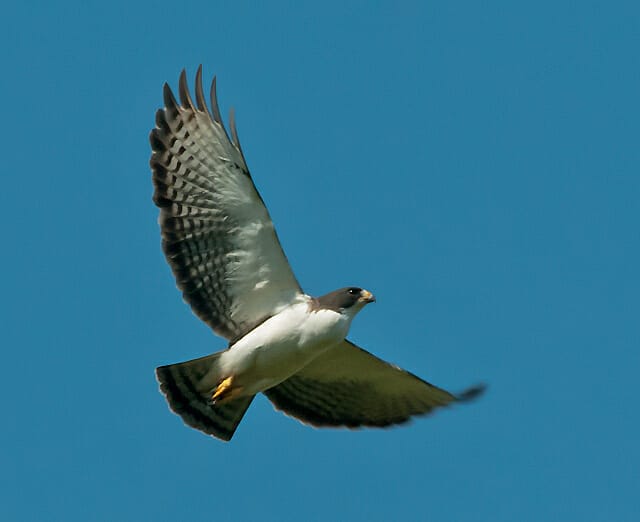
- Identification and Size: This hawk is easily identifiable by its distinctive facial markings, featuring dark patches around the eyes that surround a white throat. There are two morphs: a dark morph with a largely black body and some white under the wings, and a pale morph that is white underneath with black barring.
- Length: 15.3 – 17.3 inches
- Wingspan: 32.7 – 40.5 inches
- Weight: 13.6 – 16.9 ounces
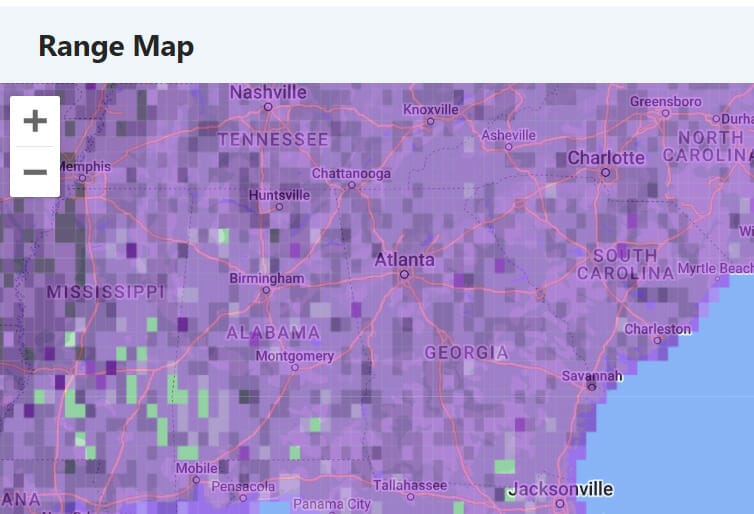
- Distribution: While a resident and breeder in south Florida, the Short-tailed Hawk is an infrequent visitor to Georgia, primarily observed in the southern parts of the state. Sightings are rare, with fewer than 15 reports documented on eBird for Georgia.
- Ecological Role and Interesting Facts: The Short-tailed Hawk preys on birds, small mammals, and reptiles. The dark morph, which is more common in Florida and likely represents the form seen in Georgia, is a distinctive sight in its limited range.
Northern Goshawk (Accipiter gentilis)
The Northern Goshawk is a powerful and formidable accipiter, known for its size and aggressive hunting behavior. It is a rare but significant raptor in Georgia.

- Identification and Size: This large hawk possesses a distinctive appearance with dark gray backs and pale undersides adorned with intricate barring. A prominent red eye and a strong white eyebrow stripe are key identification features. Juvenile birds exhibit varied brown plumage.
- Length: 20.9 – 24.0 inches
- Wingspan: 40.5 – 41.1 inches
- Weight: 22.3 – 48.1 ounces
- Distribution: The Northern Goshawk is a very rare visitor to Georgia, with only three reports on eBird. Its primary range extends further north, but the northwestern border of Georgia lies at the extreme southern edge of its distribution.
- Ecological Role and Interesting Facts: Northern Goshawks are apex predators within their forest habitats, hunting medium-sized mammals and birds. They are known for their fierce defense of their nests. An interesting behavioral trait is their tendency to establish multiple nesting sites, sometimes up to eight, and alternate between them or reuse successful nests from previous years.
Northern Harrier (Circus hudsonius)
The Northern Harrier, also known as the Marsh Hawk, is an elegant raptor that hunts low over open country.
- Identification and Size: This species is characterized by its slender build, long wings, and long tail. Adults are typically gray above with distinct markings around the face, resembling an owl’s facial disk. Thick barring is present under the wings, accentuating their length. Females are generally browner and more heavily barred than males.
- Length: 18.1 – 19.7 inches
- Wingspan: 40.2 – 46.5 inches
- Weight: 10.6 – 26.5 ounces
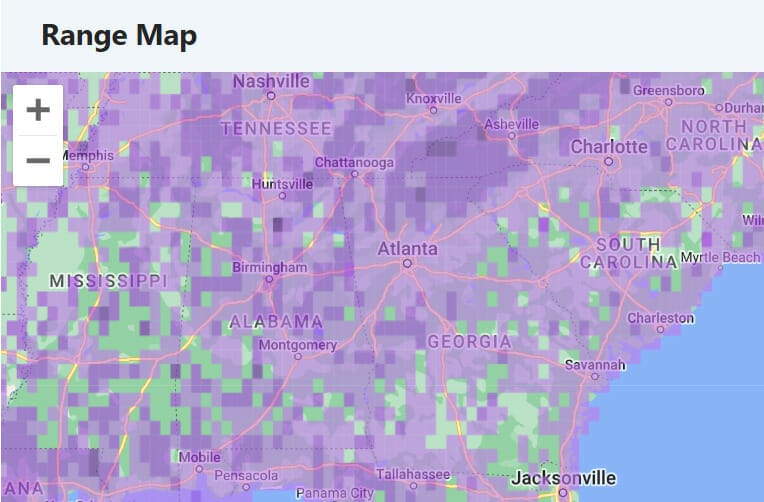
- Distribution: Georgia falls within the non-breeding range of the Northern Harrier. They are present in the state during spring, autumn, and winter, favoring open habitats like grasslands, marshes, and agricultural fields.
- Ecological Role and Interesting Facts: Northern Harriers primarily prey on small mammals, such as voles and mice, as well as small birds and insects. They hunt by flying low over the ground, often with their wings held in a shallow V-shape (dihedral), listening and looking for prey. Their preference for open habitats makes them a conspicuous sight in suitable environments.
Conclusion: A Rich Avian Heritage
In summary, Georgia hosts a diverse array of hawks, encompassing species from the Buteo, Accipiter, and Circus genera. Our analysis identified four Buteo species (Red-shouldered, Red-tailed, Broad-winged, and Short-tailed Hawks), three Accipiter species (Cooper’s, Sharp-shinned Hawks, and the Northern Goshawk), and one Circus species (the Northern Harrier).
While Georgia’s varied topography might suggest a greater abundance of hawk species, the state also supports other impressive birds of prey. This includes three eagle species—the Bald Eagle (Haliaeetus leucocephalus), Golden Eagle (Aquila chrysaetos), and Osprey (Pandion haliaetus)—along with three falcon species: the Peregrine Falcon (Falco peregrinus), American Kestrel (Falco sparverius), and Merlin (Falco columbarius). This rich tapestry of raptors underscores the ecological importance and natural beauty of Georgia.
Frequently Asked Questions About Georgia’s Hawks
What is the largest bird of prey in Georgia?
Among the hawk species discussed, the Red-tailed Hawk is the largest, with the Northern Harrier also being a substantial bird of prey.
How can one distinguish between a hawk and a falcon?
Falcons are generally smaller, more slender, and more agile than hawks. A key anatomical difference is the presence of a "tomial tooth," a notch at the top of the bill, which falcons use to kill their prey, a feature absent in hawks.
Can a hawk lift a dog?
While large hawks, such as the Red-tailed Hawk, possess considerable strength, it is highly unlikely for them to prey on or lift a dog. Their typical prey consists of much smaller animals. Such an event would be exceptionally rare and primarily theoretical.

