


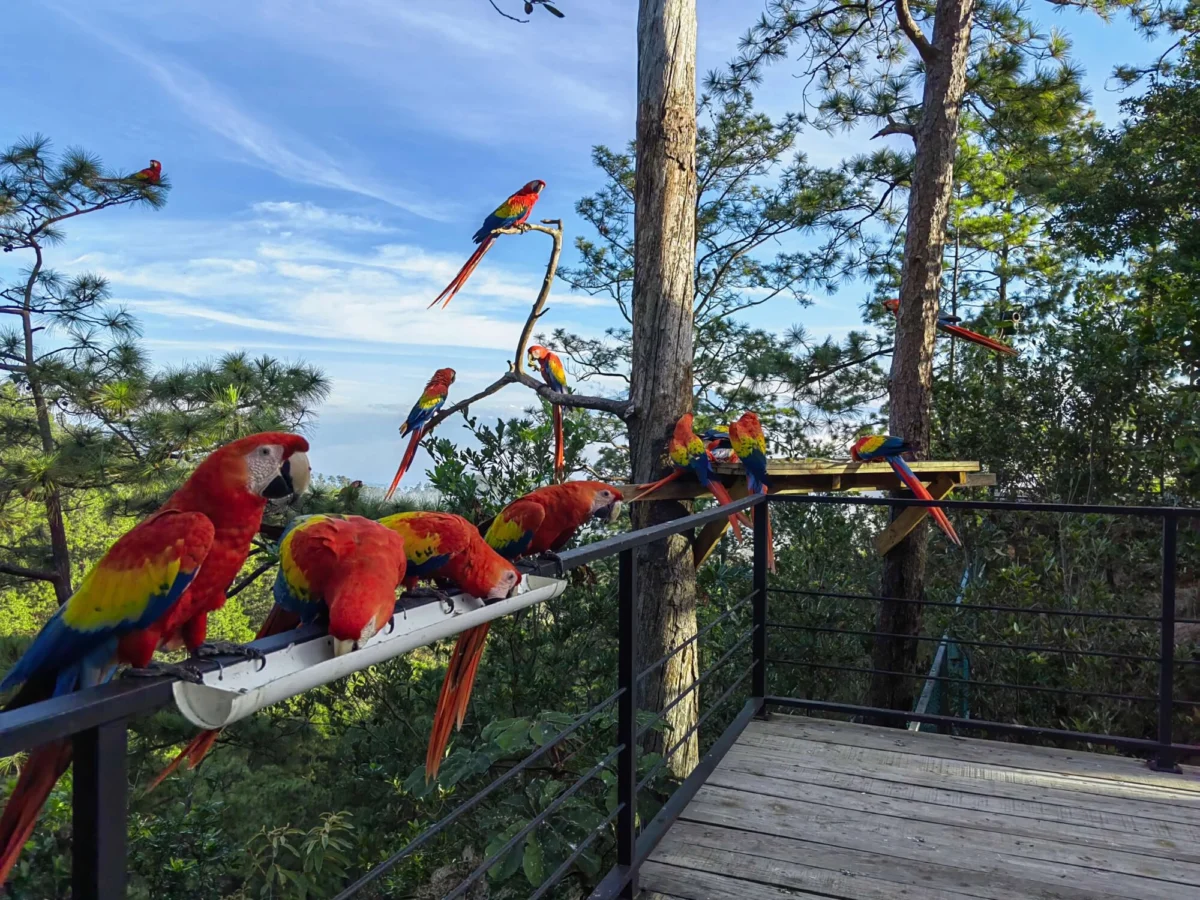
In a vibrant testament to the power of community engagement and cross-border collaboration, a dedicated volunteer-led initiative is transforming perceptions and fostering protection for the majestic scarlet macaw ( Ara macao) in Guatemala’s border regions. This grassroots movement, sparked by a singular sighting in 2018, seeks to ensure that these magnificent birds, flourishing in reintroduction programs across the Honduran border, are met with guardianship rather than peril as they reclaim their historic flight paths. The effort underscores a fundamental truth in conservation: ecological boundaries transcend human-drawn lines, demanding a unified approach to species survival.
The Scarlet Macaw: A Symbol Under Threat
The scarlet macaw, renowned for its brilliant plumage of red, yellow, and blue, is one of the most iconic parrot species of the Neotropics. Historically, its range stretched from southeastern Mexico through Central America and into the Amazon basin. However, over the past century, populations have suffered severe declines, leading to local extinctions in many parts of its former habitat. The primary drivers of this decline include extensive habitat destruction, particularly deforestation for agriculture and logging, and the relentless pressure from the illegal pet trade. These birds are highly sought after for their beauty, often fetching high prices on the black market, leading to chicks being plundered from nests and adult birds captured using brutal methods. The species is currently listed on Appendix I of the Convention on International Trade in Endangered Species of Wild Fauna and Flora (CITES), affording it the highest level of protection against international commercial trade. Despite these protections, enforcement remains a significant challenge, especially in regions with limited resources and widespread poverty.
Ecologically, scarlet macaws play a crucial role as seed dispersers, contributing to forest regeneration and maintaining biodiversity. Their loud calls and striking appearance also make them a flagship species, drawing attention to the broader conservation needs of their ecosystems. Culturally, the macaw holds deep significance for many indigenous communities across Central and South America. For the ancient Maya, particularly the Chorti Maya, who inhabit the very region central to this conservation story, macaws were revered as sacred symbols. Depictions of these parrots are abundant in Mayan art, glyphs, and architecture, representing deities, the sun, fertility, and the spiritual realm. Reconnecting modern communities with these ancient cultural ties is proving to be a powerful catalyst for conservation.
A Honduran Success Story and the Inherent Cross-Border Challenge
Just a mere 15-minute journey from the Guatemalan border lies Copán Ruinas, Honduras, home to a globally recognized conservation success story: Macaw Mountain Bird Park and Nature Reserve. Partnering with the non-governmental organization PRO ALAS, Macaw Mountain has spearheaded an extraordinary reproduction, rehabilitation, and release program for scarlet macaws. Since its inception, this ambitious initiative has successfully reintroduced over 150 wild macaws into the skies above Honduras, effectively re-establishing a thriving population in a region where they had been largely extirpated. The program meticulously manages breeding pairs, rehabilitates rescued birds, and employs a "soft release" methodology, allowing birds to gradually acclimatize to the wild before full independence. This comprehensive approach has not only boosted macaw numbers but has also revitalized the local ecosystem and fostered a sense of pride among Honduran communities.
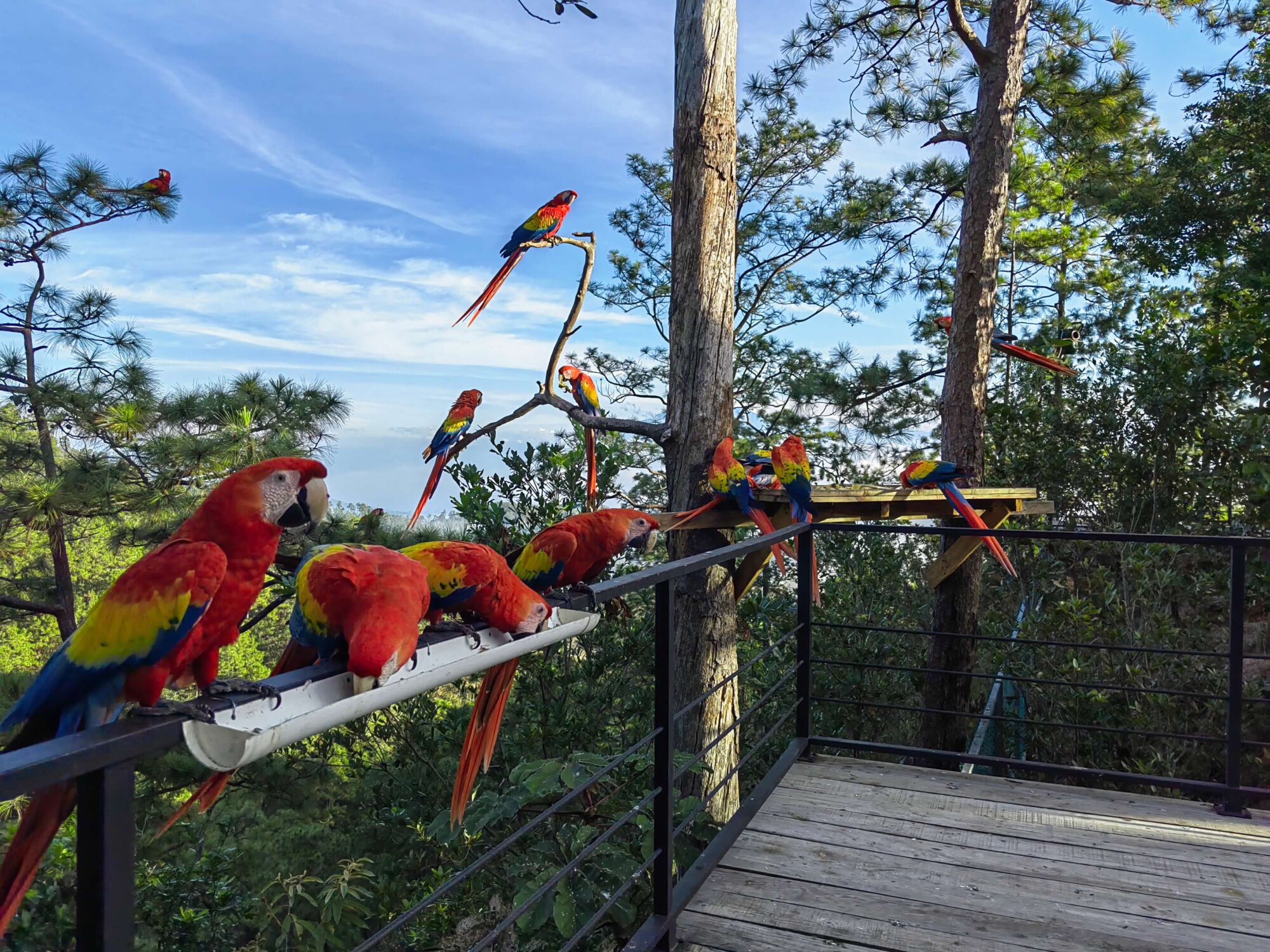
The very success of the Honduran program, however, presented a unique challenge for its neighboring country. As the macaw population in Copán Ruinas expanded and individual birds ranged further in search of food and mates, it was inevitable that they would cross the arbitrary political boundary into Guatemala. While a triumph for conservation on one side, this movement exposed the birds to immediate and severe risks on the other. Guatemalan border communities, lacking the extensive environmental education that had become ingrained in Copán, often viewed the macaws as either a novelty to be captured as pets or a target for poaching due to the lucrative illegal wildlife trade. Stories of children throwing rocks at these magnificent birds or adults attempting to snare them with slingshots for sale were distressingly common, highlighting a critical gap in regional conservation efforts. It became clear that the environmental consciousness cultivated in Copán needed to extend beyond the Honduran border to ensure the long-term survival of these reintroduced populations.
The 2018 Catalyst: A Flash of Red Sparks a Movement
The urgency of this cross-border dilemma crystallized in 2018. A solitary scarlet macaw, a vibrant splash of red, yellow, and blue against the verdant landscape, was sighted soaring above Esquipulas, a Guatemalan town proximate to the Honduran border. This particular bird was almost certainly a pioneer from the thriving reintroduction program in Copán. For a local family witnessing its flight, it was a moment of profound wonder. However, for many others in the village, the appearance of such an exotic creature sparked a different reaction: an instinct to capture it. Attempts were swiftly made to ensnare the wild bird, likely with the intention of keeping it as a pet or selling it. Fortunately, the macaw, perhaps exhibiting a natural wariness, managed to evade capture and, wisely, did not return.
This singular incident served as a powerful, undeniable wake-up call. It underscored the stark reality that while nature’s creatures acknowledge no human borders, their survival profoundly depends on the actions taken within those geopolitical lines. The incident galvanized Christian Chinchilla, a young Guatemalan biologist, into action. Recognizing the immediate danger posed by this disparity in community awareness, Chinchilla understood that the environmental education model that had proven so effective in Honduras needed to be replicated, urgently, in Guatemala. His passion ignited, he resolved to bridge this conservation gap.
Building Bridges of Understanding: The Grassroots Guatemalan Initiative
Driven by an acute sense of urgency and a deep commitment to conservation, Christian Chinchilla embarked on what would become a pioneering grassroots initiative. He joined forces with the Parrot Conservation Corps of One Earth Conservation (OEC), an organization renowned for its practical training and support for local conservationists. Armed with specialized training acquired through OEC’s rigorous course and a modest amount of initial seed funding, Chinchilla, alongside his dedicated girlfriend, began the arduous but rewarding task of shifting mindsets in the border village of Caparja, Guatemala. Operating entirely on volunteer hours, their mission was clear: transform potential threats into powerful protectors.
The initiative’s success hinged on a foundational principle: deep community respect and engagement. Before any direct interaction with children or the wider community regarding macaws, Chinchilla and his team meticulously laid the groundwork. They understood that sustainable conservation could not be imposed from the outside; it had to be embraced from within. Their first critical step was to forge strategic partnerships with key local stakeholders. Collaborating with Plan Trifinio, the tri-national governmental development agency focused on sustainable development in the border region, and the Municipality of Camotán, they orchestrated a pivotal field trip. Local village leaders and primary school teachers were invited and transported directly to Macaw Mountain in Honduras. This immersive experience allowed them to witness the beauty, intelligence, and ecological significance of the scarlet macaws firsthand. Seeing the thriving population, understanding the reintroduction process, and observing the positive impact on the Honduran community was instrumental in securing their trust and enthusiasm.
With the crucial blessing and support of these community leaders and educators, the project moved into the classrooms. Christian Chinchilla and his team implemented an engaging and interactive educational curriculum designed to resonate with young minds. Utilizing vibrant coloring books that depicted macaws in their natural habitat, alongside stories and interactive presentations, they introduced the children to the biology, behavior, and cultural significance of these magnificent birds. Crucially, the lessons were not abstract; they were made tangible and personal. Children were taught about the very birds they had seen flying over their own homes, transforming the macaws from distant biological concepts into living, breathing neighbors. The response from the children was electric, characterized by an outpouring of curiosity and excitement. They weren’t just absorbing information; they were internalizing a sense of responsibility. This transformation from potential threats, influenced by previous cultural norms, into enthusiastic future guardians of the macaws was a profound testament to the project’s effectiveness.
Reclaiming a Mayan Legacy: Conservation Through Cultural Reconnection
Beyond the immediate ecological imperative, this conservation work is intrinsically woven into the rich cultural tapestry of the region. The border area between Guatemala and Honduras is the ancestral home of the indigenous Chorti Maya population, a community that has historically lived across both sides of this geographical divide for generations. Their heritage is inextricably linked to the land and its wildlife.
Just a short distance across the border, at the world-renowned Copán Ruins archaeological site – a UNESCO World Heritage site built by the ancestors of the Chorti Maya – ancient stone glyphs, intricate statues, and monumental sculptures are replete with images of macaws. For millennia, these birds were not merely wildlife; they were deeply revered symbols embodying the sun, the sky, the spirit world, and even royalty. They were considered messengers between the human and divine realms, and their vibrant feathers were prized for ceremonial attire.
By educating Chorti children in Guatemala about the scarlet macaws, this project transcends mere scientific instruction. It is actively facilitating a powerful reconnection between a community and a living, breathing piece of their own profound history and cultural identity. It instills a sense of pride in their heritage, demonstrating that protecting the macaws is not just an act of environmental stewardship but an act of preserving their ancestral legacy. This cultural resonance adds a layer of depth and sustainability to the conservation efforts, moving beyond scientific facts to touch the hearts and minds of the people who share the macaws’ habitat.
Challenges, Recognition, and the Promise of Sustained Support
Despite the undeniable success of the initial school visits and community engagement, the project encountered a familiar obstacle common to many grassroots initiatives: the initial seed funding allocated for the course eventually ran out. This abrupt cessation of financial resources threatened to halt the crucial momentum that had been painstakingly built. For a period, the entire campaign was sustained solely by the unwavering dedication and personal sacrifice of Christian Chinchilla and his girlfriend, who continued to volunteer their time and resources to maintain community engagement and prevent the project from fading into obscurity. Their commitment during this lean period underscored the profound personal investment driving this conservation effort.
However, the tireless work and compelling vision of the project did not go unnoticed. Through the strategic advocacy of Plan Trifinio, the tri-national government agency, the initiative caught the attention of the highest levels of Guatemalan government. This culminated in a significant visit: Dr. Karin Herrera, the Vice President of Guatemala, personally traveled to Macaw Mountain in Honduras to witness the cross-border conservation efforts firsthand. Deeply impressed and delighted by the project’s innovative approach to border-bridging conservation, Vice President Herrera publicly pledged government support. While the exact timeline and scope of this promised funding are still being finalized, the team holds strong hopes that this institutional backing will materialize in the coming months, providing the much-needed stability and resources for long-term planning and expansion.
The significance of this high-level governmental recognition cannot be overstated. It not only validates the importance of the grassroots efforts but also opens doors for broader policy integration and more substantial, sustained funding that volunteer efforts alone cannot provide. It signals a shift in national priorities, recognizing the ecological and cultural value of species like the scarlet macaw and the imperative of international cooperation in conservation.
Charting the Future: Building a Sustainable Safe Haven
While the promise of long-term government aid offers a beacon of hope for the future, the immediate challenge remains. The scarlet macaws are crossing the border today, facing the very dangers that Christian Chinchilla’s team has worked so diligently to mitigate. Immediate "bridge funding" is urgently required to restart the vital school visits and complete the primary education campaign across the remaining border villages. This interim financial support is crucial to maintaining the momentum, expanding the educational reach, and solidifying the cultural shift towards protection before the larger institutional resources become available.
Once the promised government funding materializes, the team has ambitious and well-defined plans to leverage these larger institutional resources. Their strategy includes a multi-faceted approach to conservation, moving beyond education to direct habitat protection. This will involve securing critical forest areas, establishing nesting monitoring programs to safeguard vulnerable chicks, and initiating community-led reforestation efforts. By actively involving villagers in planting trees and restoring degraded habitats, the project aims to empower local communities to become stewards of their environment, creating sustainable livelihoods that are intertwined with conservation.
The overarching goal is clear: to ensure that when a scarlet macaw takes flight from Honduras and gracefully crosses into Guatemalan airspace, it is no longer met with suspicion or attempts at capture. Instead, it will find a safe haven, a welcoming community, and a generation of children, deeply rooted in their cultural heritage, who are not only aware of its beauty and importance but are actively ready to protect it.
In a world increasingly challenged by environmental degradation, this cross-border initiative serves as a powerful model for effective conservation. The initial donation from Lafeber, directed towards further educational programs in Guatemala, plays a critical role in sustaining these vital efforts. The continued support from One Earth Conservation, which incubated and nurtured this project, remains indispensable. The journey towards achieving similar conservation results to the highly successful scarlet macaw project in Honduras is ongoing, but with growing community engagement, governmental support, and international backing, the future for Guatemala’s scarlet macaws appears brighter than ever.

