


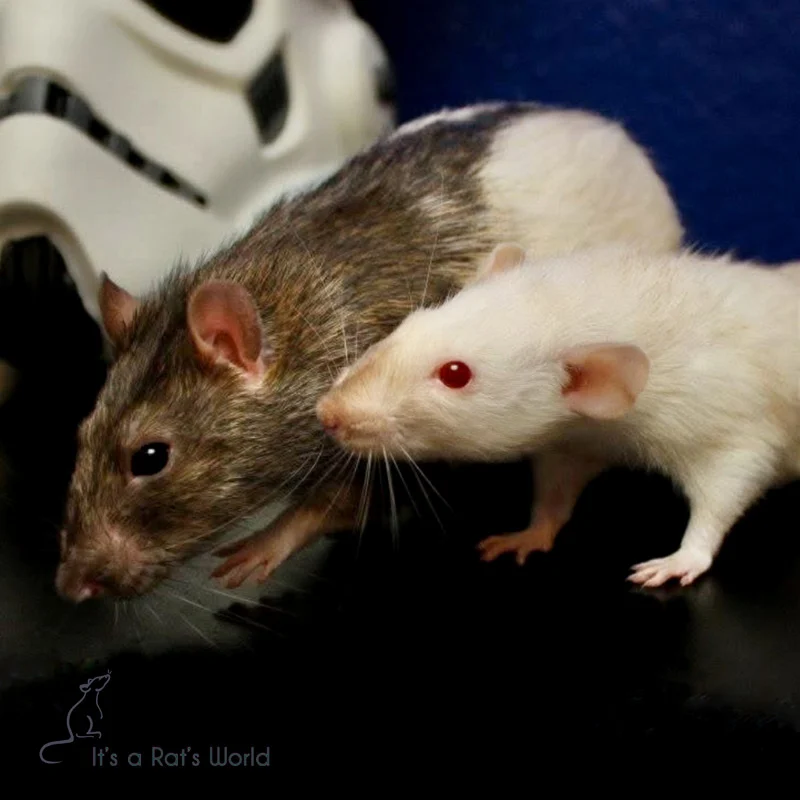
A common question among prospective rat owners is whether to choose male or female rats as companions. While both sexes make excellent pets, understanding their nuanced differences can help individuals make an informed decision that best suits their lifestyle and expectations. This comprehensive analysis delves into the physical, aromatic, behavioral, and health-related distinctions between male and female rats, drawing upon expert observations and documented experiences to provide a thorough guide for potential rat enthusiasts.
Physical Characteristics: Size and Scent Glands
Male rats typically exhibit larger physical dimensions compared to their female counterparts. On average, adult males measure between 10 to 12 inches in length, excluding the tail, and weigh approximately 450 to 650 grams (about 1 to 1.4 pounds). Females, on the other hand, are generally smaller, with lengths ranging from 9 to 10 inches (tail excluded) and weights between 350 to 450 grams (approximately 12.3 ounces to 1 pound). However, these are averages, and individual variations are common. Some males may be smaller than larger females, and vice versa. For instance, some exceptionally large males can reach weights of up to 2 pounds (907 grams), while smaller males might be comparable in size to average females.
A notable physical distinction lies in the fur texture and scent glands. Adult intact males often produce more oil on their backs, a substance known as "buck grease." This oily secretion, which can be orangish-yellow, sometimes leads to a greasier coat and may require occasional cleaning to prevent skin irritation. This phenomenon is less common in females. Neutering male rats often reduces or eliminates buck grease, leading to softer fur. Females generally possess softer fur throughout their lives.

Aromatic Distinctions: A Sensory Exploration
The olfactory profiles of intact male and female rats present a surprising and distinct difference that many experienced owners can identify. Female rats are often described as having a pleasant, sweet aroma, frequently likened to grape soda or a combination of grape and fabric softener, with a subtle floral undertone. This fragrant scent is considered highly appealing by many owners, leading to the practice of "huffing," where individuals deeply inhale the rat’s scent.
Intact male rats possess a different, more musky scent, often compared to warm corn tortillas or tortilla chips. While this may sound less appealing, it is generally considered much more pleasant than anticipated. A significant change occurs when males are neutered, as their scent often transitions to the more floral, grape-like aroma characteristic of females.
It is important to note that both sexes can develop an unpleasant odor if they engage in "marinating," a behavior where they sleep in soiled bedding or urine-soaked areas. This is more commonly observed in males. Regular cage cleaning and the use of unscented baby wipes or damp paper towels can help manage any accumulated odors, particularly buck grease in males.
Behavioral Tendencies: Energy Levels and Social Dynamics
The general perception often suggests that male rats are more sedentary and inclined to cuddle, while females are more energetic, agile climbers, and less inclined towards close physical contact. However, personal experiences reveal a more nuanced reality. While it is true that males, particularly after neutering, tend to become more placid with age, young males can be quite active. Laziness does not inherently equate to being cuddly; some males may prefer to be in close proximity to their owners rather than directly on them.
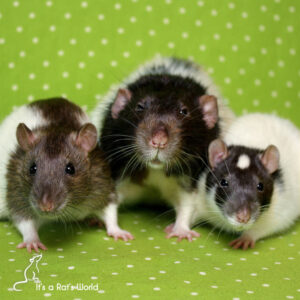
Similarly, while some females, like the individual named Leeloo in the original account, can be exceptionally energetic, many other females also settle down and become less active as they age, mirroring the behavior of their male counterparts. The experience of female rats may be influenced by their reproductive cycle. Intact females typically go into heat every four to five days, which can manifest as restlessness, hyperactivity, and agitation. Owners who adopt spayed females may miss observing these heat-related behaviors.
The author’s personal observation suggests that energy levels and cuddliness are more dependent on the individual rat’s personality rather than their sex. Many females can be just as affectionate and cuddly as males.
Temperament and Social Maturity: Navigating Interactions
A more significant divergence between male and female rats often emerges in their temperament, particularly concerning social maturity and territorial behaviors like urine marking. Rats reach sexual maturity between 6 to 8 weeks of age. However, social maturity, the period when behavioral changes related to social hierarchy and territoriality become more pronounced, typically occurs later. While some sources suggest social maturity for males between 5 to 6 months, experienced owners often report this period extends to 6 to 9 months.
During this phase, some male rats may experience personality shifts, becoming more agitated, easily irritated, or even aggressive towards cagemates and occasionally owners. These behavioral changes are not universal, and thankfully, severe aggression is rare. When such aggression poses a risk to other rats or persists, intervention through castration is often recommended, as it can significantly temper hormonal-driven behaviors.

Introductions to new rats, especially other males, can be particularly challenging for intact males. Even docile males can exhibit territoriality and become defensive, requiring patience and careful management during introductions. While males inherently can coexist peacefully, territorial disputes may necessitate separating groups or considering neutering.
Introductions between females, or between males and females, are often reported to be less stressful than male-to-male introductions. However, even females can exhibit territoriality, particularly in middle age, though they may become more tolerant in their senior years. Overall, the author found female rat introductions to be generally easier than those involving males.
Urine Marking and Litter Training
Urine marking is another behavioral difference. Intact male rats are considerably more prone to marking their territory, including their owners and perceived personal belongings. While some males may cease frequent marking once settled, others may continue this behavior throughout their lives. Females exhibit significantly less urine marking.
In terms of litter box training, females are generally considered easier to train, although neither sex reliably uses the litter box 100% of the time. Consistent training and appropriate cage setup are crucial for successful litter box utilization by both male and female rats.
The Impact of Spaying and Neutering
Surgical sterilization plays a pivotal role in shaping the health and behavior of pet rats, with distinct benefits for each sex.
Preventing Unplanned Litters
The most apparent benefit of spaying and neutering is the prevention of unwanted pregnancies. Rats are prolific breeders, with females capable of producing litters of 8 to 18 pups. If males and females are housed together, or even in adjacent cages where females can escape or reach through bars, pregnancy is a significant risk. Sterilization is essential to prevent accidental litters.
Minimizing Health Risks
For Females: Female rats are highly susceptible to hormone-related health issues, particularly mammary tumors. They are also at risk for ovarian and uterine diseases. Spaying female rats between 3 to 6 months of age can significantly reduce the incidence of these conditions, thereby extending their lifespan. While the procedure can be daunting and costly, its preventative health benefits are substantial. The author notes that early spaying (3-4 months) is often considered more beneficial than later sterilization. One of the author’s female rats, spayed later in life, developed mammary tumors, suggesting the timing of the procedure is critical.
For Males: Neutering male rats helps to reduce aggression, minimize urine marking, and decrease the production of buck grease. It can also prevent the formation of penile plugs in older or less mobile males and reduce the risk of testicular cancer, although this is less common. Information on whether neutering significantly reduces the risk of mammary or pituitary tumors in males is less conclusive compared to the established benefits for females.

It is always advisable for rat owners to consult with a veterinarian to discuss the specific benefits and risks of spaying and neutering for their individual pets.
Inter-sex and Same-sex Cohabitation
Many rat owners successfully house rats of both sexes together, and even have both males and females in their household simultaneously. In some instances, strong bonds, even affectionate "crushes," can develop between rats of opposite sexes. For example, a male rat who underwent neutering became a sweet companion to a female rat, and they remained inseparable, demonstrating the capacity for deep inter-species affection.
The decision of whether to choose male or female rats, or a combination of both, ultimately depends on an individual’s preferences and lifestyle. Both sexes offer unique charms and the potential for profound companionship. Responsible pet ownership dictates ensuring that if rats of both sexes are housed together, or if multiple intact rats of the same sex are housed together, appropriate sterilization measures are taken to prevent unwanted litters and manage potential behavioral issues. Regardless of sex, rats are intelligent, social, and affectionate creatures that can bring immense joy to their owners.

