


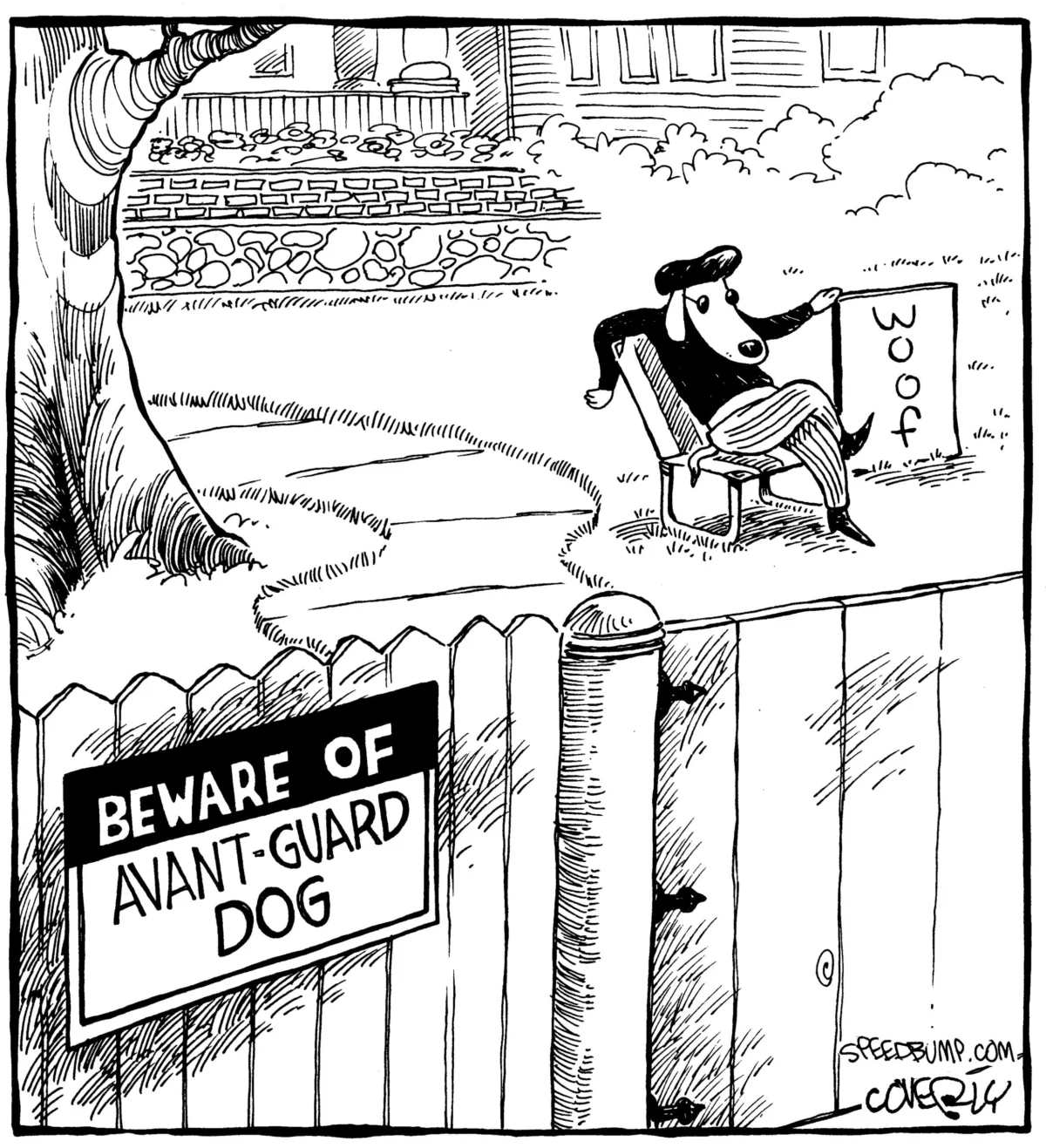
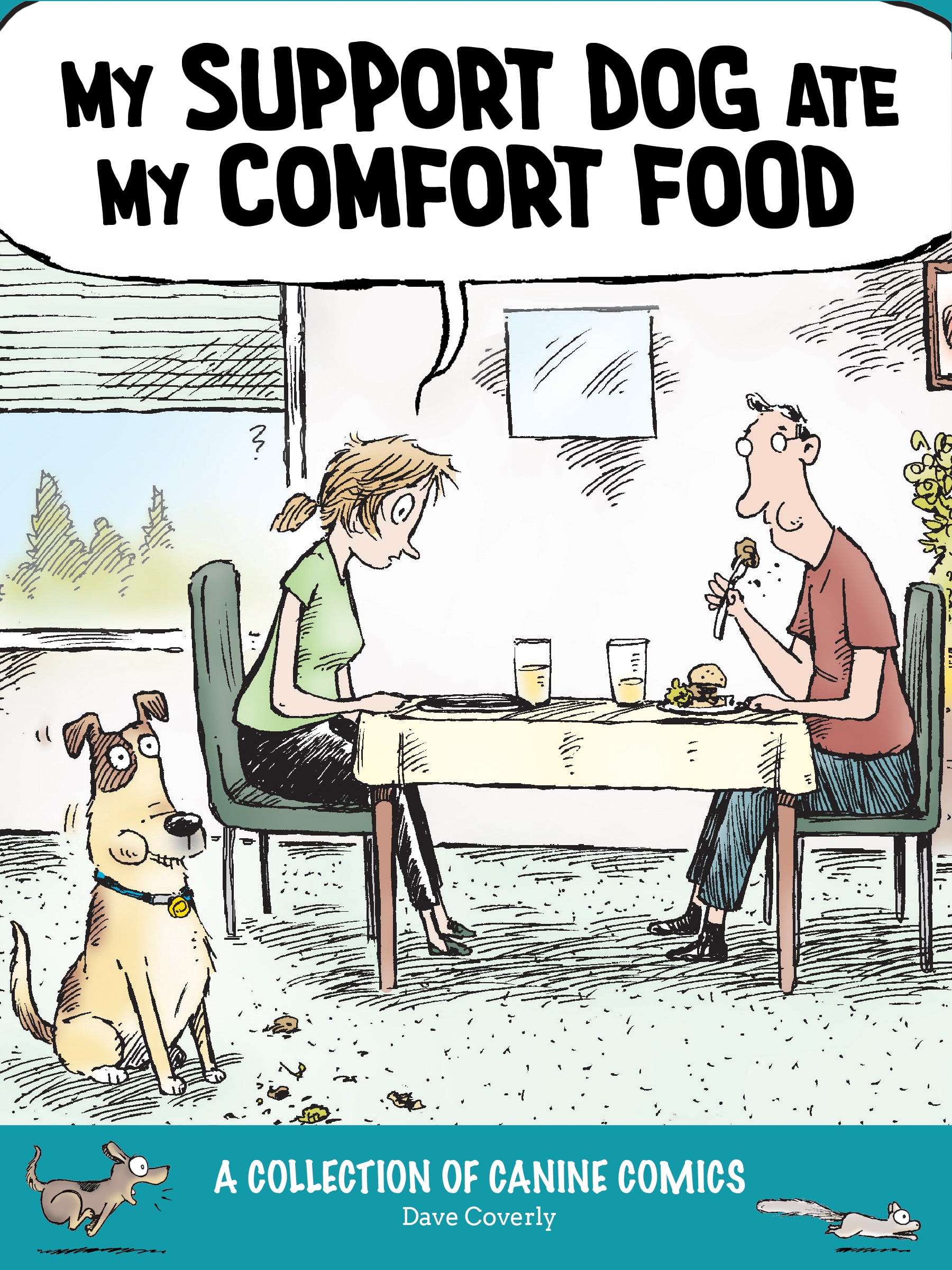
The intersection of canine behavior, human psychology, and artistic expression has long provided fertile ground for cultural commentary. In his latest publication, My Support Dog Ate My Comfort Food: A Collection of Canine Comics, acclaimed cartoonist Dave Coverly turns his signature wit toward the complex, often humorous dynamics of human-canine relationships. Best known for his award-winning syndicated comic strip Speed Bump, Coverly brings decades of observation to a new volume designed to highlight the irresistible quirks, profound loyalty, and distinct personalities of dogs. Beyond the lighthearted panels, the release underscores a growing conversation regarding animal empathy, welfare advocacy, and the psychological benefits of integrating humor into animal rights discourse.
Main Facts of the Release
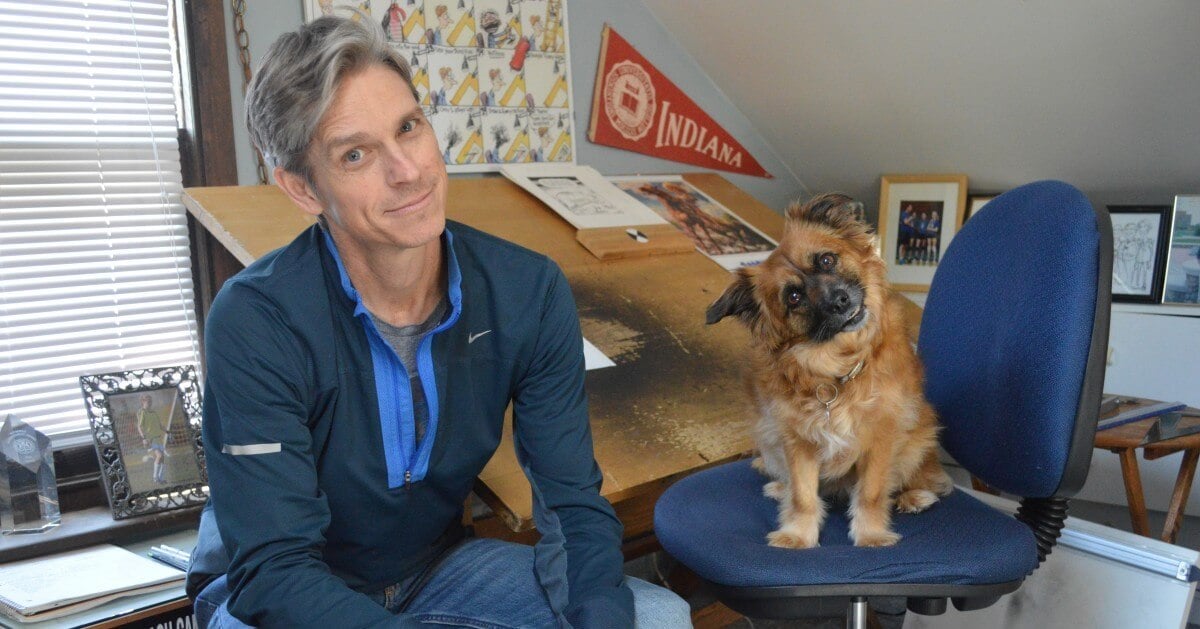
My Support Dog Ate My Comfort Food compiles a series of single-panel and multi-panel cartoons exploring the domestic, emotional, and occasionally chaotic reality of living with dogs. The central thesis of Coverly’s work rests on the premise that dogs—much like humans—exhibit individualized emotional lives, navigating human spaces with a distinctly non-human logic.
The publication arrives during a period of heightened public interest in rescue animals, animal welfare reform, and pet ownership trends. Industry data from organizations such as the American Pet Products Association (APPA) indicate that U.S. pet expenditures surpassed $140 billion annually in recent years, reflecting a cultural shift wherein companion animals are increasingly viewed as integral family members. Coverly’s collection capitalizes on this cultural elevation of pets, using humor to bridge the gap between human observers and animal subjects.
Chronology and Background Context

Dave Coverly’s trajectory as a cartoonist spans decades, marked prominently by the widespread syndication of Speed Bump, which appears in hundreds of newspapers across North America and earned him the prestigious Reuben Award for Outstanding Cartoonist from the National Cartoonists Society in 2009.
The artistic philosophy behind My Support Dog Ate My Comfort Food is rooted in Coverly’s personal upbringing, which frequently involved rescued animals. Reflecting on his formative years, Coverly has often cited specific family dogs as foundational inspirations for his artistic style. Among them was Shag, a rescue dog found roaming the streets of Detroit by Coverly’s grandfather, whose unconventional habit of sleeping atop a soft-top convertible provided early lessons in canine obstinacy and personality. Another influential rescue animal was Dandy, a small black Chihuahua mix belonging to Coverly’s sister, whose propensity for escaping enclosures and evading capture highlighted the unpredictable, highly motivated nature of small-breed rescues.
These formative experiences informed Coverly’s approach to drawing animals. Rather than viewing pets as mere props or simplistic proxies for human behavior, Coverly maintains a delicate balance in his panels: placing dogs into familiar human situations while allowing them to react with authentic, unselfconscious canine instincts. This methodology forms the backbone of his narrative strategy, inviting readers to recognize both the humor and the vulnerability inherent in animal companionship.
Humor as a Catalyst for Empathy
From a sociological perspective, the use of humor in animal advocacy represents a sophisticated mechanism for fostering empathy. Traditional educational campaigns surrounding animal welfare frequently rely on data-driven approaches, presenting statistics regarding shelter overcrowding, puppy mill proliferation, and veterinary neglect. While factual reporting remains essential for policy reform, psychologists note that empirical data can occasionally induce cognitive fatigue or emotional detachment among the general public.
Humor, by contrast, operates on immediate recognition. When a cartoonist translates a familiar domestic frustration—such as a dietary indiscretion or property destruction—into a visual medium, the audience processes the scenario instantaneously. Coverly argues that this speed of delivery is critical for building emotional bridges. By subverting human expectations through animal behavior, the artwork encourages viewers to attribute cognitive depth, emotional capacity, and individuality to non-human species.

This psychological mechanism aligns with findings in human-animal studies (HAS), an interdisciplinary field exploring the complex relationships between humans and other animals. Researchers in HAS suggest that anthropomorphic humor, when executed respectfully, can dismantle psychological barriers that separate human interests from animal welfare concerns, fostering a broader ethical consideration for sentient life.
Official Perspectives and Canine Advocacy
While My Support Dog Ate My Comfort Food is primarily a work of humor, its release has renewed discussions concerning systemic animal welfare issues. Coverly himself has balanced the comedic elements of his work with serious advocacy positions, acknowledging that the welfare of companion animals requires systemic legislative and cultural interventions.

When queried regarding the hypothetical demands of a canine labor movement, Coverly balanced levity with pointed social critique. Alongside humorous conceptual demands regarding treats and routines, he emphasized critical issues plaguing the modern pet industry: the abolition of unregulated commercial breeding facilities (commonly known as puppy mills), the cessation of breeding companion animals purely as luxury commodities, and the implementation of stringent legal penalties—such as mandatory spay/neuter orders and ownership bans—for individuals convicted of animal abuse.
Animal welfare organizations, including People for the Ethical Treatment of Animals (PETA), have frequently partnered with artists and cultural figures to leverage public platforms for rescue awareness. The proliferation of rescue-centric literature reinforces the cultural imperative of "adopt, don’t shop," a cornerstone message of modern animal sheltering initiatives aimed at reducing the millions of animals entering the shelter system annually.
Broader Impact and Implications

The release of My Support Dog Ate My Comfort Food arrives at a time when the publishing and entertainment sectors are increasingly receptive to content that promotes emotional well-being and stress reduction. Companion animals played a documented role in mitigating isolation during global public health crises earlier in the decade, cementing their status as vital components of human mental health ecosystems.
By framing the daily trials of pet ownership through a comedic lens, Coverly’s book offers readers a mirror to their own domestic lives while subtly reinforcing the moral obligations custodians owe to their animals. The commercial availability of the book through independent distributors such as Porchlight Book Company and Schuler Books—the latter offering personalized, hand-doodled editions—demonstrates a strong consumer appetite for physical media that combines art, humor, and animal advocacy.
Ultimately, My Support Dog Ate My Comfort Food transcends standard cartoon anthologies by functioning as a cultural artifact of the contemporary human-animal bond. Through precise observation, historical resonance, and a commitment to canine individuality, Coverly’s work validates the emotional investments millions of people place in their pets, proving that laughter remains one of the most effective tools for cultivating universal empathy.

