


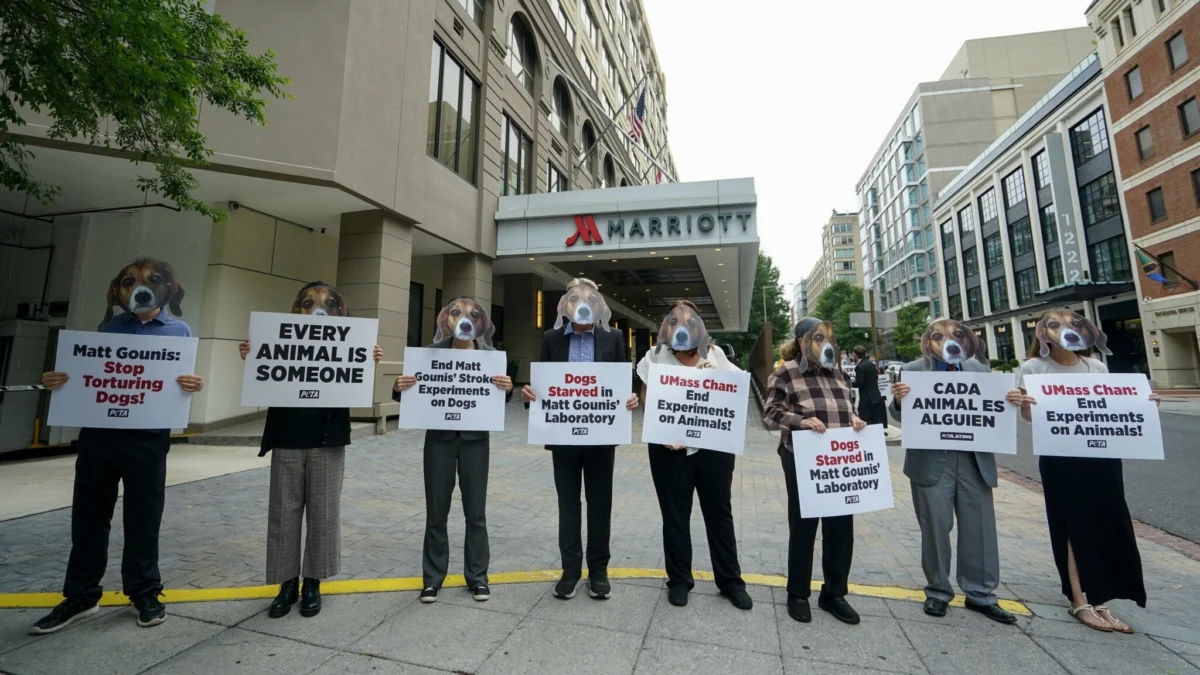
The legal battle for government transparency in public higher education has intensified as People for the Ethical Treatment of Animals (PETA) officially filed public records lawsuits against the University of Massachusetts–Amherst and the University of Massachusetts Chan Medical School. The litigation, filed in the Suffolk County Superior Court, targets the universities’ consistent refusal to release foundational records detailing the identities of individuals serving on their Institutional Animal Care and Use Committees (IACUCs). These federally mandated panels wield significant administrative power, holding the legal authority to review, modify, and authorize or deny scientific experiments involving live animals within public research facilities.
Because both institutions rely heavily on public funding, PETA’s legal counsel argues that taxpayers and independent watchdogs possess an unequivocal right under state sunshine laws to scrutinize the composition of these committees, evaluate their official decisions, and verify whether the panels are legally constituted according to federal guidelines. Furthermore, the lawsuits demand the disclosure of extensive meeting records, agendas, and minutes that could illuminate the operational discussions behind the approval of controversial animal testing projects.
The core of the dispute centers on the tension between public accountability and institutional secrecy. As publicly funded entities, both UMass–Amherst and UMass Chan are bound by state open records statutes, which establish a legal presumption that government documents are accessible to the public unless specific, narrowly defined statutory exemptions apply. However, university administrators have increasingly leaned on privacy and security exemptions to block the release of information pertaining to animal research oversight, setting the stage for a high-stakes judicial showdown over the boundaries of transparency in publicly funded scientific research.
Chronology of the Dispute and Escalating Tensions
The friction between PETA and the University of Massachusetts system did not materialize overnight; rather, it is the culmination of a multi-year campaign by animal rights advocates demanding unhindered access to public records. The timeline of events reveals a pattern of administrative delay, partial compliance, and eventual legal escalation by the advocacy group.
In October 2025, PETA submitted a formal public records request to UMass–Amherst seeking the meeting minutes and internal correspondence of its Institutional Animal Care and Use Committee. The university dragged its feet for five months before finally producing documentation in March 2026. However, the records delivered to PETA were heavily redacted. University officials systematically scrubbed the initials of committee members from nearly every section of the documents, leaving them visible solely within the formal attendance logs. Additionally, administrators withheld vast portions of the committee’s operational activities, citing statutory exemptions related to deliberative process materials and trade secrets.
Simultaneously, tensions flared at the UMass Chan Medical School. In January 2026, PETA filed records requests demanding the complete roster of UMass Chan’s animal care committee members, alongside meeting notices, official agendas, and comprehensive minutes. Initially, university officials indicated a willingness to release the names of the committee members. Shortly thereafter, however, the administration reversed its position entirely, abruptly refusing to disclose the identities of the panel members. UMass Chan officials argued that releasing this basic biographical information would expose committee members to security risks and violate personal privacy protections embedded within the Massachusetts Public Records Law.

PETA’s legal team swiftly rejected these justifications, asserting that exemptions intended to protect personal privacy or trade secrets do not legally apply to the roster of a public oversight committee whose decisions are financed by taxpayers. With both campuses standing firm in their refusal to provide unredacted documentation, PETA exhausted its administrative options and turned to the Suffolk County Superior Court to compel compliance.
Precedents and Broader Legal Landscapes
The ongoing lawsuits in Massachusetts are part of a broader, national strategy by PETA and allied transparency advocates to dismantle the culture of secrecy that has historically surrounded university animal testing facilities. This is not PETA’s first legal entanglement with the University of Massachusetts over the inner workings of its IACUC panels.
In a previous legal battle, PETA sued UMass–Amherst over similar withholding of committee member identities and oversight records. That multi-year litigation ultimately concluded in 2025 when UMass–Amherst agreed to a settlement. Under the terms of the agreement, the university surrendered the requested public records, revealed the full names of its 2025 animal care committee members, and paid $50,000 to cover PETA’s accrued legal fees and litigation costs. Ironically, it was the subsequent public records requests submitted in the wake of that settlement—specifically targeting committee meeting minutes—that triggered the fresh cycle of redactions and led directly to the current lawsuits.
Beyond Massachusetts, PETA has established a winning track record in federal and state courts regarding the public availability of animal research committee records. A benchmark victory occurred in a transparency battle against the University of Washington. In that case, the U.S. Court of Appeals for the Ninth Circuit delivered a decisive ruling holding that the release of names and basic biographical data of Institutional Animal Care and Use Committee members does not violate any constitutionally protected right to privacy. The federal appellate court reasoned that serving on a public, taxpayer-funded oversight panel involves public accountability, rendering the names of those committee members standard biographical data that must be accessible to the citizenry.
Legal experts note that while university systems frequently argue that animal researchers and committee members face harassment from activist organizations, public records laws are structurally designed to prioritize systemic transparency over the personal discomfort of public administrators or government-appointed board members.
Institutional Context and the Scope of Research at UMass Chan
To understand the intense public interest surrounding these oversight committees, one must examine the nature of the research taking place behind closed doors at the contested facilities. At the UMass Chan Medical School, laboratories house a vast array of animal species, including ferrets, hamsters, mice, rats, and pigs.
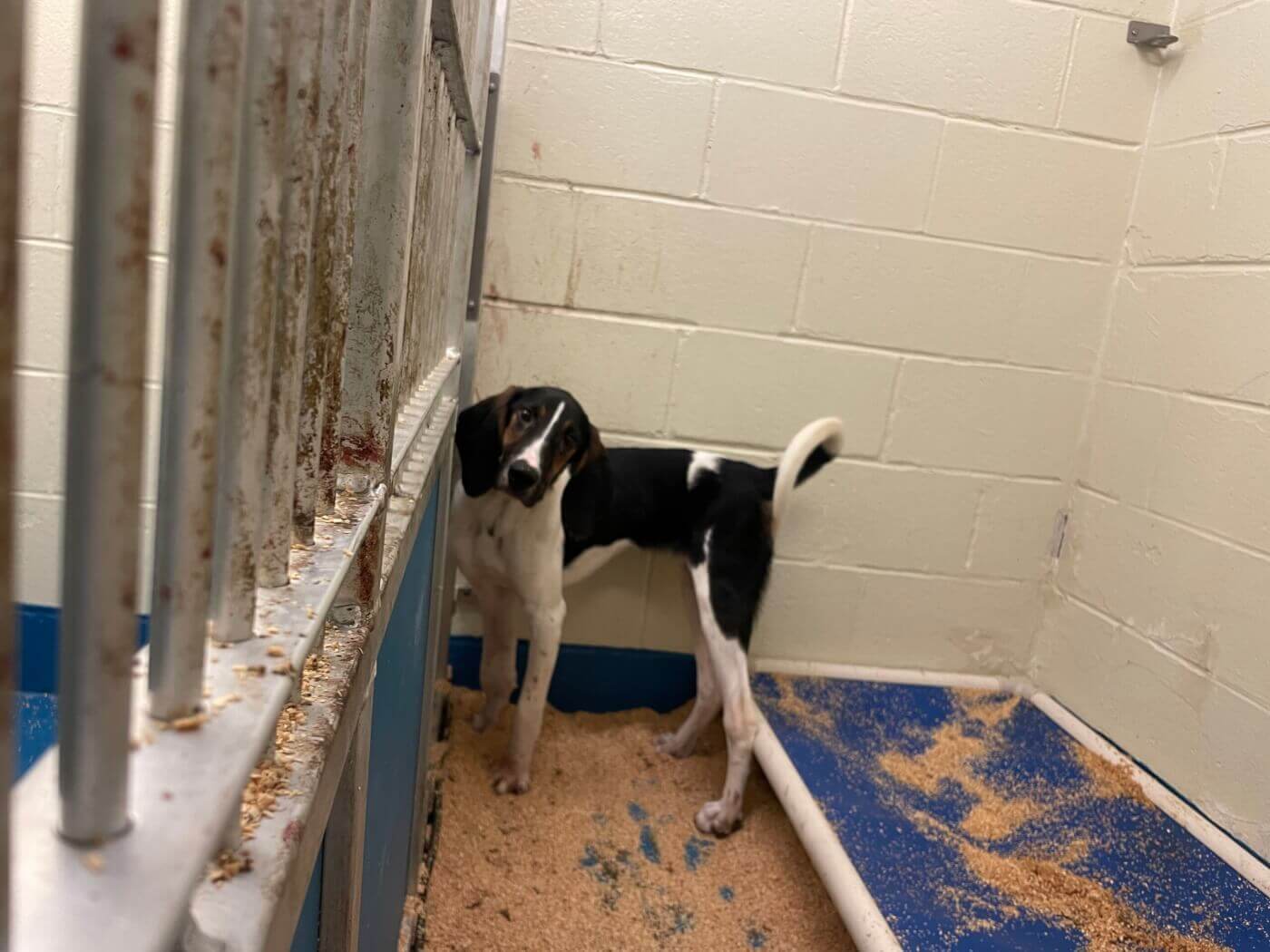
Publicly available documentation and whistleblower reports indicate that these facilities conduct invasive and often painful experimentation. Procedures documented at such research institutions historically include surgical interventions where dogs are subjected to induced strokes, the deliberate infection of animals with blood-sucking parasites, the selective breeding of subjects to develop debilitating and painful neurodegenerative disorders, and the stereotaxic injection of chemical agents directly into the cerebral tissue of living subjects.
Supporters of animal testing argue that these trials are an indispensable component of biomedical discovery, essential for developing life-saving treatments, vaccines, and pharmaceutical drugs for human ailments. They contend that public disclosure of researcher and committee member identities can lead to targeted harassment, intimidation, and safety threats from radical elements within the animal rights movement, thereby chilling academic freedom and scientific inquiry.
Conversely, animal welfare advocates maintain that Institutional Animal Care and Use Committees frequently operate as rubber-stamp boards rather than rigorous ethical watchdogs. PETA argues that without full transparency into who sits on these panels and how they deliberate, the public has no verifiable way of knowing whether these committees are enforcing federal animal welfare standards or if animal suffering is being needlessly prolonged by redundant or poorly designed scientific protocols.
Broader Implications for Public Accountability and Scientific Research
The outcome of the Suffolk County Superior Court lawsuits against UMass–Amherst and UMass Chan carries profound implications that extend far beyond the borders of Massachusetts. A ruling favoring PETA would reinforce the principle that public universities cannot selectively apply state sunshine laws to shield internal regulatory bodies from public scrutiny. It would set a formidable legal precedent within the state, making it exceedingly difficult for other public institutions of higher education to obscure the identities of individuals entrusted with overseeing government-funded animal testing.
Conversely, a legal victory for the universities could embolden public research institutions nationwide to expand their use of privacy and trade secret exemptions, effectively cloaking public research oversight committees in a veil of permanent anonymity. Such a shift would significantly impede the ability of journalists, researchers, and public watchdogs to monitor the expenditure of public funds and the ethical treatment of laboratory animals.
As the litigation proceeds through the Massachusetts court system, legal analysts will closely monitor how the judiciary balances the competing interests of institutional privacy and state open records mandates. For now, the legal battle underscores a growing societal demand for transparency in state-funded scientific research, ensuring that the committees authorized to permit animal experimentation remain accountable to the taxpayers who fund them.

