


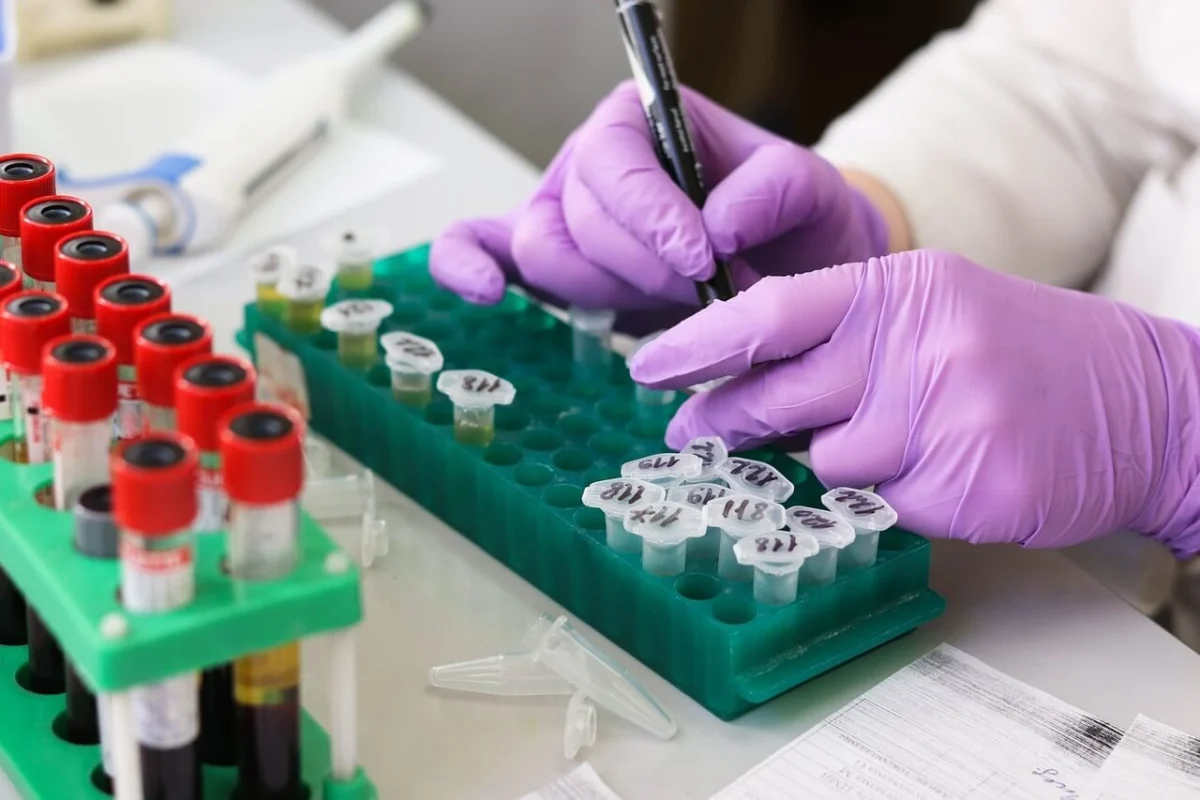
In a significant milestone for both laboratory ethics and scientific rigor, a multidisciplinary team of scientists from People for the Ethical Treatment of Animals (PETA) has been awarded the prestigious US National Institutes of Health (NIH) Replication Prize. The award recognizes the team’s extensive work in addressing the "reproducibility crisis" that has long plagued the biomedical community, specifically focusing on the inherent unreliability of antibodies derived from animal sources. By championing the transition to recombinant, animal-free antibodies, the researchers have provided a roadmap for more consistent, predictable, and ethically sound scientific outcomes.
The NIH Replication Prize was established to incentivize and reward researchers who successfully identify and resolve systemic issues that prevent scientific experiments from being accurately replicated. In the case of animal-derived antibodies, the problem is foundational: because these tools are produced within the complex and variable biological systems of living animals, no two batches are identical. This lack of standardization has led to billions of dollars in wasted research funding and years of delayed medical progress.
The Reproducibility Crisis and the Failure of Animal-Derived Antibodies
Antibodies are the workhorses of modern biological research. These proteins are used by scientists to detect and bind to specific molecules, such as viruses, bacteria, or cancer markers, allowing researchers to visualize and measure biological processes. For decades, the standard method for producing these tools involved injecting an antigen into an animal—typically a rabbit, mouse, goat, or horse—and harvesting the resulting antibodies from the animal’s blood or tissue.
However, a growing body of evidence suggests that this method is fundamentally flawed for the requirements of high-precision modern science. A landmark study cited by the PETA team revealed that nearly one-third of all commercially available animal-derived antibodies do not perform as advertised; they either fail to bind to their intended target or bind to multiple unintended molecules, leading to "false positive" results.
The core of the issue lies in biological variability. Even when the same individual animal is used to produce multiple batches of antibodies over time, the animal’s immune response can shift due to age, diet, stress, or minor infections. This means that a researcher who achieves a breakthrough using one batch of antibodies may find themselves unable to replicate those results months later when using a new batch. In the world of clinical trials and drug development, such inconsistencies can be catastrophic.
The Ethical Cost of Traditional Antibody Production
Beyond the scientific failures, the PETA scientists highlighted the immense ethical burden of traditional antibody production. Each year, millions of animals are utilized in this industry. These animals—including sheep, llamas, cows, and horses—are often kept in barren laboratory environments or industrial facilities where they may be subjected to repeated invasive procedures.
One of the most controversial methods used to create monoclonal antibodies is the ascites method. This process involves priming a mouse’s abdomen with chemicals and then injecting tumor cells to induce the growth of large fluid-filled tumors. As the tumors grow, the animal’s abdomen distends painfully, often making it difficult for the mouse to walk, eat, or breathe. The antibody-rich fluid is then repeatedly drained via a needle. While several international regulatory bodies have recommended against this method due to the extreme suffering it causes, it remains in use in various parts of the world.
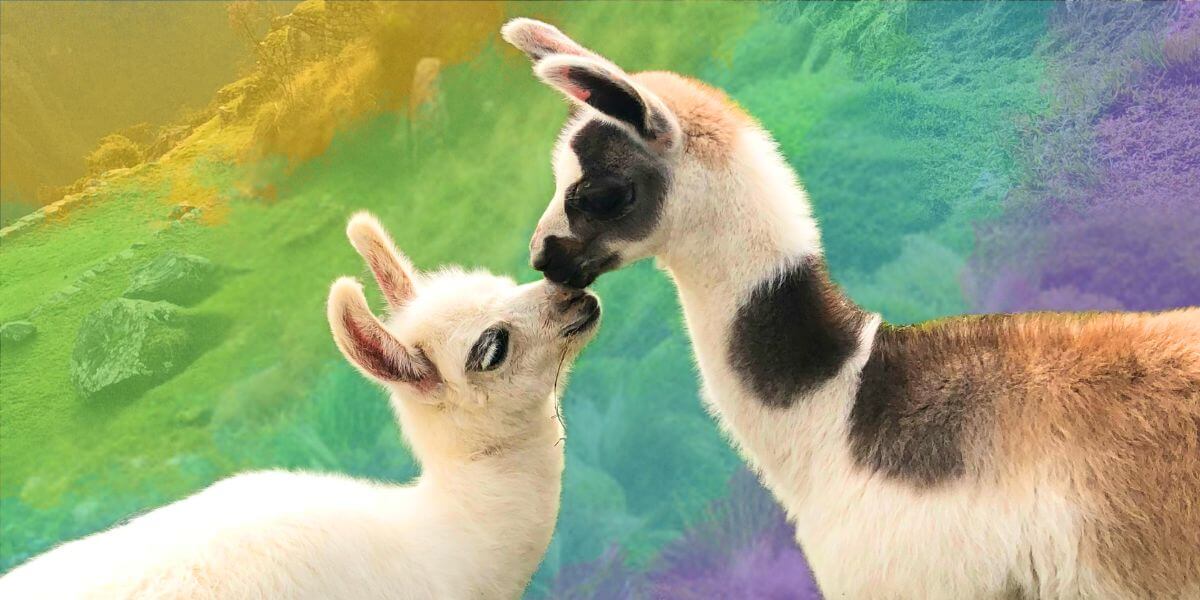
The PETA team’s work emphasizes that the move toward animal-free technology is not merely a matter of animal welfare, but a necessary evolution for the survival of scientific integrity.
Recombinant Technology: A Precision Alternative
The NIH prize specifically honors the team’s promotion and development of "recombinant" antibody technology. Unlike traditional methods, recombinant antibodies are produced in the laboratory using synthetic DNA sequences. Because these antibodies are sequence-defined, their molecular structure is known exactly, allowing them to be reproduced with 100% consistency, batch after batch, indefinitely.
Recombinant antibodies offer several distinct advantages over their animal-derived counterparts:
- High Specificity: They can be engineered to stick only to their intended target with a level of precision that the natural immune system of a mouse or rabbit cannot always guarantee.
- Infinite Reproducibility: Because the DNA sequence is stored digitally, any laboratory in the world can produce the exact same antibody, ensuring that a study conducted in London can be perfectly replicated in New York or Tokyo.
- Speed and Scalability: Recombinant production does not require the months-long waiting period associated with animal immunization and can be scaled up rapidly in bioreactors.
A Three-Pronged Strategy for Global Transition
The PETA science team, in collaboration with other multidisciplinary experts, implemented a strategic three-part framework to catalyze the shift away from animal-use in this sector. This framework was central to their recognition by the NIH.
First, the team focused on innovation, helping to develop new, high-quality non-animal antibodies for specific research targets that were previously difficult to study. By demonstrating that these synthetic tools could outperform traditional ones in head-to-head comparisons, they provided the "proof of concept" necessary to convince skeptical researchers.
Second, the scientists worked on accessibility. Historically, many researchers continued to use animal-derived antibodies simply because they were more readily available in commercial catalogs. PETA’s team partnered with industry suppliers to expand the availability of recombinant options, ensuring that when a scientist goes to purchase a tool, the animal-free version is as easy to acquire as the traditional one.
Third, the team prioritized education. They launched international training programs, webinars, and workshops to teach the next generation of scientists and graduate students how to use and trust recombinant technology. By targeting the educational roots of the scientific community, they aimed to phase out the "old guard" reliance on animal models.
Timeline of the Transition and Official Recognition
The journey toward this NIH recognition has been years in the making.

- 2020-2022: PETA scientists collaborated with the European Union Reference Laboratory for alternatives to animal testing (EURL ECVAM). The resulting recommendation stated that animals should no longer be used for antibody production and that the transition to recombinant methods should be immediate.
- 2023-2024: The team published a series of comprehensive reviews showing that for the vast majority of commonly used animal-derived antibodies, superior recombinant replacements already existed on the market.
- 2025: PETA partnered with several national health agencies to draft a "Transition Roadmap," outlining how laboratories could phase out animal-derived tools without disrupting ongoing research.
- May 2026: The NIH officially awards the Replication Prize to the PETA science group and their collaborators, signaling a major policy shift in how the US government views the future of research tools.
Broader Implications for the Scientific Community
The implications of this award extend far beyond the walls of the laboratory. The NIH’s endorsement of animal-free antibodies is expected to influence grant-funding criteria. In the near future, researchers seeking federal funding may be required to justify why they are using animal-derived antibodies if a recombinant alternative is available.
Furthermore, the economic impact is substantial. It is estimated that the global research community spends over $800 million annually on antibodies. Reducing the failure rate of these tools could save hundreds of millions of dollars each year, which could then be redirected toward finding cures for diseases like Alzheimer’s, cancer, and heart disease.
Leading scientists have reacted positively to the news. Dr. Thomas Hartung, a professor of evidence-based toxicology, has noted that "the era of using animals as biological factories is coming to a close. The precision required for 21st-century medicine simply cannot be met by the 19th-century technology of animal immunization."
Conclusion: A Call to Action for Researchers
While the NIH award represents a major victory, PETA scientists emphasize that the work is not yet finished. Millions of animal-derived antibodies remain in circulation, and many researchers are still unaware of the superior alternatives.
The PETA science group continues to urge decision-makers, journal editors, and university ethics committees to adopt stricter standards regarding antibody sourcing. By signing petitions and supporting the shift toward sequence-defined, recombinant technology, the global scientific community can ensure that the next generation of medical breakthroughs is built on a foundation of reliability, transparency, and compassion.
The transition to non-animal antibodies is no longer just an ethical preference; it is a scientific imperative. As the NIH Replication Prize demonstrates, the future of medicine is animal-free, and those who embrace this change are the ones who will lead the next wave of scientific discovery.

