


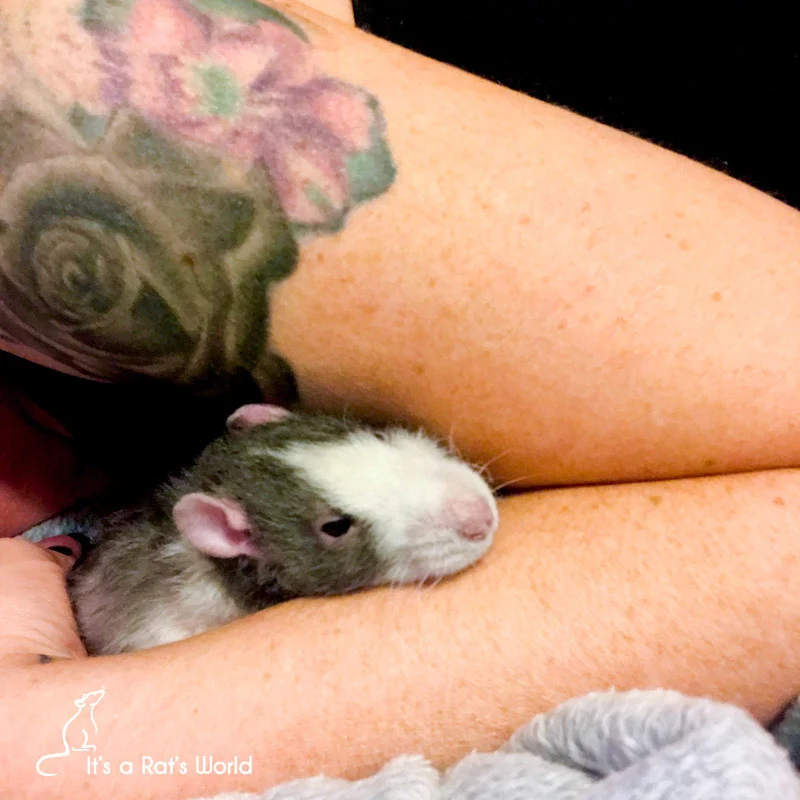
The absence of a profound animal connection can leave a significant void in one’s life, a sentiment keenly felt by Brandi Saxton, an ardent rat enthusiast and advocate. In her reflections, Saxton articulates a deeply personal experience of "ratlessness," a state she describes as "torturous," particularly as it marks the first time in her life she hasn’t shared an intimate bond with these often-misunderstood creatures. While her current household includes dogs and a cat, these companions, while loved, do not fill the unique niche that rats occupied in her heart. This essay delves into the nature of these profound bonds, exploring the nuances of building trust, understanding individual personalities, and the dedicated effort required to foster deep connections with pet rats.
The Unique Appeal of Rat Companionship
Saxton’s journey with rats began after experiencing closeness with a variety of animals. However, it was the rat that ultimately became an integral part of her identity, a companion animal whose capacity for affection and connection surpassed all others, with ferrets being a notable close second. The essence of her longing lies not in grand gestures, but in the quotidian moments shared: the quiet companionship during movie nights, the tender "rattie kisses," and the dedicated grooming sessions on her hands. She vividly recalls the joyous anticipation of her rats at the cage door, their energetic "dances" upon her approach, and the playful, albeit competitive, jostling for head scratches and affection. The image of rats stretched out in her lap or nestled beside her as she worked underscores the deep integration of these animals into her daily life. These seemingly simple interactions formed the bedrock of a unique relationship, one where she was unequivocally their favored human, a position never contested by another.
Navigating the Initial Stages: Building Trust with Timid Rats
For prospective or new rat owners, Saxton emphasizes that the ultimate goal should be to cultivate a similar level of closeness. This deep connection, she argues, is the only pathway to truly appreciating these animals to their fullest potential. However, the journey is not always straightforward. Many new owners find themselves struggling to connect, especially with rats that exhibit skittishness or aloofness, displaying minimal interest in interaction. The question then arises: is a profound bond with such rats an impossibility?

Saxton firmly asserts that it is not. She posits that a new approach is often required. The initial timidity or jumpiness of rats can sometimes trigger a fear of being bitten in new owners. However, she explains that most rats simply need time to acclimate to their new surroundings. Rats that have experienced past trauma may require even more patience and dedicated effort to settle in. A lack of understanding regarding how to facilitate this adjustment can inadvertently lead to rats becoming more withdrawn and fearful. Saxton offers a resource, her article "Helping A Scared Pet Rat," which provides guidance on recognizing fear in rats, understanding its potential causes, and navigating the process of earning their trust.
The Crucial Distinction: Trust Versus Bonding
It is essential to differentiate between earning a rat’s trust and forging a bond. While trust is a necessary precursor, it is not synonymous with bonding. For a rat, trusting its human signifies a fundamental belief that the human poses no threat. Bonding, on the other hand, denotes a mutual desire for companionship and a deeper, reciprocal connection.
A rat’s inherent personality and its life experiences play a pivotal role in the development of this connection. When a rat feels insecure or is operating under a survival instinct, its primary focus remains on safety, making it exceedingly difficult to form an affectionate attachment. Conversely, once a rat feels comfortable and at ease, it begins to perceive the value in spending time with its human, opening the door for a more profound relationship.
Understanding the Spectrum of Rat Personalities
The process of bonding is significantly influenced by a rat’s individual personality. Saxton categorizes rats into distinct personality types, illuminating how these traits impact the ease with which a bond can be formed.

The Extrovert: Brave, outgoing rats are generally the easiest to bond with. Their inherent adaptability allows them to integrate quickly into new environments and readily accept human interaction, even from a young age. Saxton notes that in her larger groups of rats, there was always at least one extrovert who demonstrated immediate faith and affection. These rats would often demand to be held and would actively explore their human within moments of meeting, seemingly trusting without needing a demonstrable reason.
The Apprehensive Rat: At the opposite end of the spectrum are rats that are profoundly frightened or apprehensive, viewing humans, even their caregivers, as potential predators. Establishing a connection with these rats requires breaking through this initial barrier. While some may never fully shed their sense of vulnerability, successfully enabling them to recognize and accept their owner as a caregiver represents a significant achievement in the relationship. The depth of the subsequent bond is then contingent upon the rat’s willingness and the owner’s sustained efforts.
The Middle Ground: The majority of pet rats fall somewhere between these two extremes. They might exhibit initial nervousness, but with consistent daily interaction and a safe environment, they typically become more comfortable and open to bonding.
The Indispensable Ingredient: Quality Time and Consistent Presence
The cornerstone of building any meaningful relationship with a rat, as with any companion animal, is consistent and dedicated time. Saxton stresses that being a constant presence, engaging in gentle conversation, offering pets, holding them, and playing with them are not merely beneficial but absolutely essential for forging a genuine connection. This dedicated time also provides the unique opportunity to learn each rat’s individual characteristics and preferences.

Integrating rats into the owner’s primary living spaces can be highly advantageous. The simple act of hearing the owner’s voice and smelling their scent familiarizes the rats with their human’s presence, weaving the owner into the fabric of their daily lives and routines.
Beyond passive presence, providing rats with ample out-of-cage time is crucial. Saxton recommends a minimum of one to two hours daily. This time is vital for their physical exercise and mental stimulation, but it is also a prime opportunity for quality interaction. Whether this occurs on a couch, a bed, or in a rat-proofed room, the focus should be on concentrated bonding time. Engaging in shared activities like watching a movie, reading a book, or listening to music, while simply being present and offering affection, can significantly deepen the connection. Understanding how each rat prefers to be held and petted, and identifying their favorite spots for tactile stimulation, further refines this interaction.
Specialized equipment can also aid in the bonding process, particularly for more timid rats. Bonding pouches and small blankets provide a sense of security, allowing rats to burrow and feel safe while in close proximity to their owner, thus encouraging them to snuggle closer.
Even when rats are within their cage, regular verbal interaction is highly beneficial. This accustoms them to the owner’s voice while allowing them to remain in their comfort zone. Avoiding the constant disruption of being abruptly removed from their cage helps to mitigate their fear of approach. Furthermore, the physiological benefits of petting are well-documented; the act of physical touch can release endorphins, stress-relieving neurochemicals, in both humans and animals. Gently stroking a rat’s back or head while speaking to them can initiate this positive cascade of physiological responses.

Saxton also advises owners to be mindful of their rat’s personal space. Her article, "Honoring Your Rat’s Personal Space," delves into the importance of recognizing and respecting individual boundaries, as disregarding these can inadvertently sabotage bonding efforts.
The Power of Positive Reinforcement: Food and Treats
Food and treats serve as potent tools for trust-building and bonding. Saxton humorously acknowledges that the enthusiastic "happy dances" of her rats might have been as much about the anticipation of treats as about her presence. Regardless of the primary motivator, the sheer excitement was always a source of amusement and a clear indicator of a positive association.
Making mealtimes a significant event helps rats quickly associate their owner with the provision of sustenance, thus earning their favor. Selecting a healthy, favored snack and consistently announcing its arrival with a specific phrase or tone of voice can train rats to associate the owner with positive feelings. Saxton’s personal cue, "Treats, Treats, Treats!" delivered in a rising inflection, was so effective that it could rouse even the deepest sleepers. This predictable ritual fostered immense excitement and a willingness to engage, even among rats that were otherwise standoffish. The moment a nervous or introverted rat joined the eager queue, Saxton recognized it as a significant stride in her bonding endeavors.
Elevating the Bond: Advanced Engagement
For those seeking to deepen their rat companionship further, Saxton suggests activities such as teaching tricks or constructing mazes. While she admits to limited personal experience in these areas, she points to the wealth of online resources available for such pursuits. These activities offer a novel way to engage with rats and explore their personalities from a different perspective.

Similarly, traveling with rats can foster a stronger bond. Saxton recounts how road trips consistently resulted in enhanced cuddliness and a deepened sense of trust from her rats, including the more timid ones. The experience of being outside their familiar environment seemed to reinforce their reliance on and trust in her.
Realistic Expectations and the Enduring Legacy of Connection
It is crucial to understand that each rat offers a distinct bonding experience. Some relationships develop effortlessly, while others may present considerable challenges. Regardless of a rat’s individual disposition, maintaining a thriving connection requires ongoing commitment and effort from the owner. Saxton cautions against comparing one’s own rat relationships to those showcased on social media, urging owners not to be discouraged if a particular rat is less responsive. Every rat is an individual with its own unique temperament and pace of developing trust.
Saxton’s own experiences with her rats spanned a wide spectrum, from what she describes as "soulmate status" to a more reserved "you’re the human I dislike the least, so I’m willing to tolerate you" dynamic. Even the latter, she notes, felt profoundly special due to the hurdles overcome to achieve it. The honor of a frightened rat finally lowering its guard and accepting one’s role in its life is a testament to the profound impact of patient, compassionate care.
Ultimately, every rat is worthy of the endeavor to build a connection. The bonds forged and the cherished memories created from these unique relationships are what endure. When these beloved companions eventually pass on, it is the shared bond and the special moments born from it that live on, etched forever in the heart of their human.

