


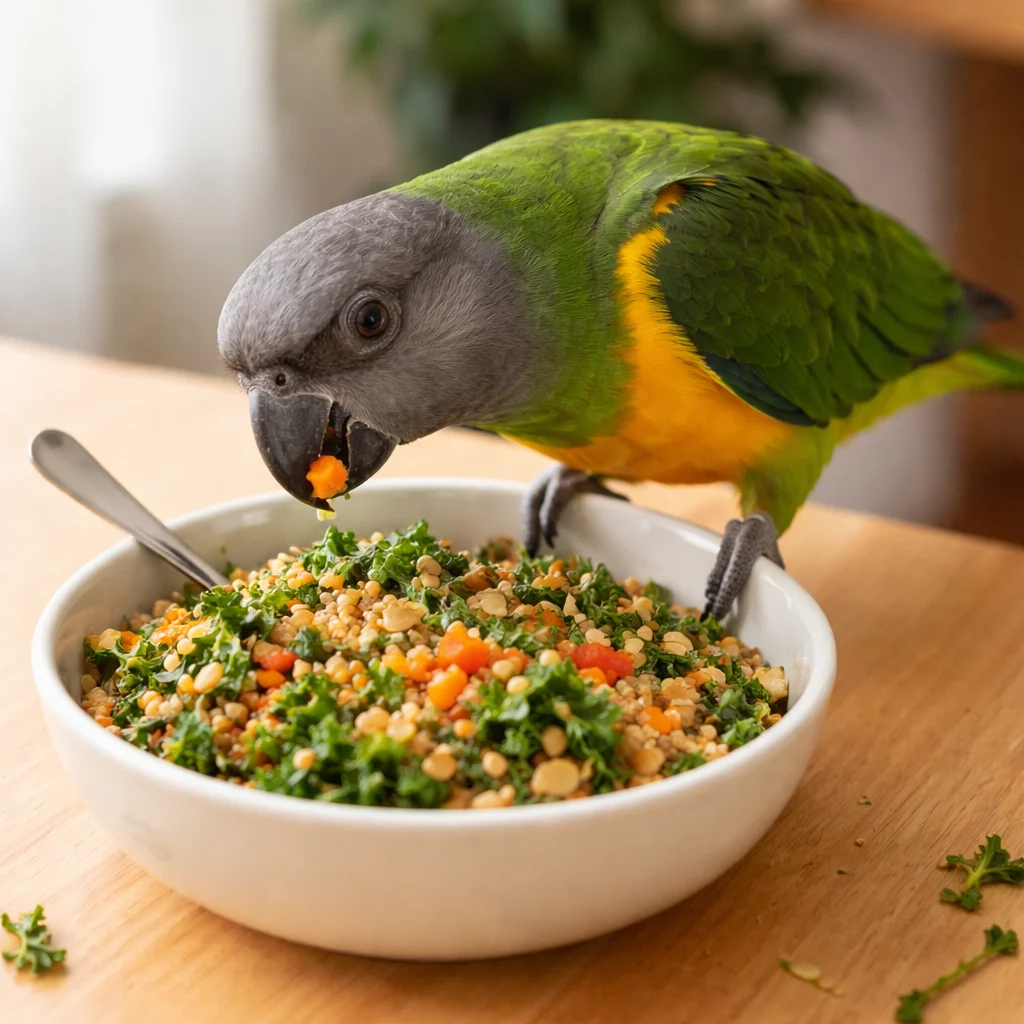
Pet birds, renowned for their vibrant personalities and complex physiologies, often face periods of heightened metabolic demand that can benefit from targeted nutritional support, particularly in the form of antioxidants. While not a daily necessity for every bird, the thoughtful incorporation of antioxidant-rich foods or supplements during specific life stages and stressful circumstances can play a crucial role in maintaining cellular function, enhancing resilience, and supporting overall long-term wellness. This nuanced approach, advocated by avian nutrition experts, emphasizes balance and context over indiscriminate supplementation, aiming to fortify a bird’s natural defenses against the ubiquitous challenge of oxidative stress.
Understanding Oxidative Stress: A Biological Imperative for Birds
Oxidative stress is a natural physiological process, an unavoidable byproduct of metabolism that occurs in all living organisms, including birds. It arises from an imbalance between the production of reactive oxygen species (ROS), commonly known as free radicals, and the body’s ability to detoxify these harmful byproducts or repair the resulting damage. Birds, with their exceptionally high metabolic rates driven by flight, rapid energy conversion, and precise thermoregulation, naturally generate more free radicals than many other animal species. These unstable molecules, characterized by unpaired electrons, can damage essential cellular components such as DNA, proteins, and lipids, potentially impacting cell function and overall health if left unchecked.
Antioxidants are vital compounds that help the body manage this oxidative balance. They work by neutralizing free radicals, donating electrons to stabilize them before they can cause widespread cellular damage. The avian body possesses its own endogenous antioxidant systems, but during periods of increased demand, external dietary support becomes increasingly valuable. This concept is not about eliminating all oxidative processes, which are essential for certain cellular signaling and immune responses, but rather about maintaining a healthy equilibrium where the body can efficiently manage the byproducts of its own energetic existence.
The Avian Metabolism: A High-Energy Balancing Act
The inherent biology of birds predisposes them to a higher baseline of oxidative activity. Their ability to fly requires immense energy expenditure, leading to a metabolic rate that can be significantly higher than that of similarly sized mammals. This rapid energy turnover, while enabling their agile movements and spirited demeanor, also means their cells are constantly working, producing metabolic waste products at an accelerated pace. Consequently, a bird’s nutritional needs are often more specialized and demanding, requiring a consistent supply of nutrients to support these high-octane physiological processes.
Furthermore, the captive environment, while providing safety and companionship, presents unique challenges that can exacerbate a bird’s metabolic workload. Unlike their wild counterparts who forage diverse natural diets and experience varied environmental stimuli, pet birds often contend with:
- Limited Dietary Variety: Even with high-quality pellets, the lack of a truly diverse, wild-type diet can lead to micronutrient deficiencies.
- Indoor Air Quality: Exposure to household pollutants, aerosols, and dust can increase respiratory and systemic stress.
- Artificial Lighting: Inadequate exposure to full-spectrum UV light can impact vitamin D synthesis and overall physiological rhythms.
- Reduced Foraging and Exercise: Less physical activity can alter metabolic demands and impact overall vitality.
- Social and Environmental Stress: Routine changes, noise, travel, new household members, or even boredom can trigger a physiological stress response that elevates oxidative processes.
These factors, while not inherently "wrong," collectively contribute to an "everyday oxidative load" that good nutrition is crucial in helping birds cope with, recover from, and thrive amidst.
When Birds Need Extra Support: Key Life Stages and Stressors
While a healthy, varied diet forms the bedrock of avian wellness, certain life stages and environmental factors significantly increase a bird’s demand for antioxidant support. It is during these periods that thoughtful, targeted nutritional interventions can provide measurable benefits, assisting the body in maintaining optimal function and resilience.
Molting: The Demanding Process of Feather Renewal
Feather production is one of the most metabolically intensive processes a bird undergoes. The growth of new feathers requires a vast supply of proteins, amino acids (especially sulfur-containing ones), vitamins, and minerals. This period places enormous strain on a bird’s system, akin to a human undergoing significant tissue regeneration. The rapid cell division and synthesis involved in growing thousands of new feathers generate a considerable amount of metabolic byproducts, increasing oxidative stress. Even birds on an otherwise excellent diet can benefit from enhanced antioxidant support during molting to help their bodies efficiently manage this biological undertaking, ensuring robust, healthy feather growth and minimizing recovery time.
Aging: Supporting Senior Feathered Companions
As birds age, their endogenous antioxidant systems may become less efficient, and their bodies may take longer to recover from stress and adapt to change. Similar to humans, older birds can experience a gradual decline in cellular repair mechanisms and an increase in chronic low-grade inflammation, both of which are linked to oxidative damage. Rescue birds, who may have endured past nutritional deficiencies or chronic stress, often present with compromised systems. Providing additional antioxidant support can help mitigate age-related oxidative damage, support immune function, and enhance overall vitality, contributing to a better quality of life in their senior years.
Hormonal and Seasonal Influences
Hormonal cycles, particularly those related to breeding and egg-laying, exert significant physiological demands on female birds. The production of eggs requires substantial calcium and nutrient reserves, and the associated behavioral and metabolic shifts can increase oxidative load. Similarly, seasonal changes in photoperiod (light exposure), temperature, and humidity can trigger physiological adjustments that elevate stress levels. During these periods, a bird’s body works harder to maintain homeostasis, making them more susceptible to the detrimental effects of uncontrolled free radical activity. Antioxidant support can help stabilize these processes, supporting reproductive health and adaptation to environmental shifts.
Environmental and Emotional Stressors in Captivity
Captive birds, despite receiving excellent care, are routinely exposed to stressors not typically encountered in the wild. These can include:
- Routine Changes: Alterations in daily schedules, feeding times, or cage placement.
- Noise and Activity: High levels of household noise, sudden movements, or the presence of unfamiliar people or pets.
- Travel and Veterinary Visits: The inherent stress of being moved, confined, and handled.
- Social Dynamics: Introducing new birds, changes in flock hierarchy, or even the absence of a primary caregiver.
- Inadequate Sleep: Disrupted sleep patterns due to light exposure or noise.
Each of these factors can trigger a stress response, leading to the release of stress hormones that, over time, can increase the production of free radicals and deplete the body’s natural antioxidant reserves. Thoughtful nutritional support during such times can help buffer these effects, allowing birds to cope more effectively and recover faster.
Addressing Dietary Gaps: The Foundation of Wellness
While high-quality pelleted diets provide a balanced base, many pet birds do not consistently consume a wide enough variety of fresh, plant-based foods. These fresh foods are the primary natural sources of a vast array of antioxidants, including vitamins A, C, and E, carotenoids, flavonoids, and other phytonutrients that work synergistically. A diet lacking in such diversity can create nutritional gaps, leaving a bird’s antioxidant defenses suboptimal. In these scenarios, targeted antioxidant support, whether through specific food additions or supplements, can help bridge these gaps, ensuring the bird receives a comprehensive spectrum of protective compounds.
The Science Behind Antioxidants: Neutralizing Free Radicals
At a cellular level, free radicals are highly reactive molecules that, due to having an unpaired electron, seek to steal electrons from other stable molecules in the body. This "electron theft" can initiate a chain reaction of damage to cellular structures. Antioxidants counter this by donating an electron to the free radical without becoming unstable themselves, effectively neutralizing the threat. The body employs both enzymatic antioxidants (such as superoxide dismutase, catalase, and glutathione peroxidase) and non-enzymatic antioxidants (derived from diet, like vitamins C and E, beta-carotene, and various plant compounds).
Specific plant-based compounds like carotenoids (found in orange and red fruits/vegetables), flavonoids (in berries and leafy greens), and polyphenols (in certain herbs and spices) are potent antioxidants. For birds, these compounds are not just protective; they are often precursors for essential vitamins or contribute to vibrant feather coloration, which is a sign of health and vitality. Research in avian physiology consistently highlights the importance of these dietary components in supporting overall health, immunity, and stress response mechanisms.
Strategic Supplementation: A Thoughtful Approach to Avian Wellness
The integration of antioxidant support into a bird’s diet should always be viewed as an enhancement, not a replacement for fundamental good care. As avian nutritionist Diane Burroughs emphasizes, the goal is not to "fix" behavioral issues or substitute veterinary care, but to provide additional helpful nutrients that work synergistically with good nutrition, consistent routines, enrichment, and appropriate medical attention.
What Antioxidant Support Is (and Isn’t)
- It Is: A simple, gentle way to offer the body additional defense during periods of normal stress, often by adding nutrient-rich items to food or water already being served. It’s about building a stronger "protective buffer" or "armor" against everyday demands.
- It Isn’t: A magic bullet. It will not correct severe behavioral problems stemming from environmental deficiencies, nor should it ever replace a veterinarian’s diagnosis and treatment for illness. It’s a component of preventative and supportive care.
Avoiding Common Pitfalls in Avian Nutritional Care
Bird owners, driven by deep affection for their pets, sometimes make mistakes by trying to implement too many changes simultaneously. This can make it impossible to identify which interventions are beneficial and which might be causing additional stress. Experts advise a methodical approach:
- Change One Thing at a Time: Whether it’s a new food, a supplement, or a change in lighting, introduce one element at a time and observe its effects over several days or weeks.
- Context is Key: Online communities offer valuable shared experiences, but individual bird needs vary greatly. What benefits one bird may be unnecessary or even counterproductive for another, depending on species, age, health status, and environment.
- Prioritize Whole Foods: While supplements have their place, the foundation should always be whole, unprocessed foods. Heavily processed supplements with long ingredient lists that resemble chemistry experiments often offer less bioavailable nutrition than simple, plant-based alternatives.
Nutrient-Rich Foods: Building a Strong Antioxidant Foundation
The easiest and most effective way to provide consistent antioxidant support is through a varied diet rich in specific plant-based foods. These foods offer a complex matrix of nutrients that work together, providing a broader spectrum of benefits than isolated supplements.
Examples of antioxidant-rich, bird-safe foods include:
- Berries: Blueberries, raspberries, strawberries (packed with anthocyanins and Vitamin C).
- Leafy Greens: Kale, spinach, collard greens (rich in vitamins A, C, E, and carotenoids).
- Orange and Yellow Vegetables: Carrots, sweet potatoes, pumpkin, bell peppers (high in beta-carotene and Vitamin C).
- Cruciferous Vegetables: Broccoli, cauliflower (contain sulforaphane and indoles).
- Seeds and Nuts (in moderation): Flaxseeds, chia seeds, almonds (provide Vitamin E and omega fatty acids).
- Herbs and Spices: Turmeric, spirulina, parsley (contain various polyphenols and antioxidants).
Incorporating a rotating selection of these foods into a bird’s daily chop or as treats can significantly bolster their natural defenses and provide a continuous supply of vital protective compounds.
Implementing Antioxidant Support Safely and Effectively
For bird owners seeking to enhance their pet’s well-being, a cautious and informed approach is paramount. The philosophy of "simple and steady" often yields the best long-term results in avian health.
- Start Small and Observe: Introduce new antioxidant-rich foods or supplements in small quantities. Carefully monitor for any changes in appetite, droppings, energy levels, and behavior. Positive signs include consistent weight, steady activity, vibrant feather quality, and relaxed engagement.
- Consistency Over Perfection: Small, consistent efforts, such as daily fresh chop with varied ingredients, often contribute more to long-term health than sporadic attempts at "perfect" nutrition.
- When to Involve a Professional: It is crucial to distinguish between subtle signs of metabolic stress and symptoms of actual illness. Sudden weight loss, lethargy, significant appetite changes, labored breathing, or major shifts in behavior are serious indicators that warrant immediate consultation with an avian or exotic veterinarian. Supplements are not a substitute for professional medical diagnosis and treatment.
The Broader Implications: Fostering Long-Term Avian Vitality
The growing understanding of oxidative stress in avian health underscores a broader shift in pet care towards proactive, preventative strategies. By recognizing the inherent physiological demands on birds and the unique stressors of captivity, owners can make informed choices that extend beyond basic sustenance. Investing in antioxidant-rich diets and targeted support during critical periods is not merely about preventing illness; it is about optimizing vitality, enhancing immune function, improving feather quality, and potentially contributing to a more stable temperament and overall longevity.
This approach empowers bird owners to take a more active role in their pet’s health trajectory, fostering a deeper connection through thoughtful care. It emphasizes that a bird’s internal environment is a delicate balance, and providing the right nutritional tools at the right time can make a profound difference in their ability to thrive.
Conclusion: A Holistic Approach to Pet Bird Health
In essence, while pet birds do not require daily antioxidant supplementation under all circumstances, there are distinct periods and conditions where targeted support can be immensely beneficial. During molting, aging, hormonal fluctuations, and times of environmental or emotional stress, the body’s demand for these protective compounds increases. By understanding the underlying physiology of oxidative stress and the role of antioxidants, bird owners can make informed decisions that complement a strong foundational diet of high-quality pellets and diverse, fresh, plant-based foods. This strategic, context-aware approach, championed by experts like Diane Burroughs, ensures that our feathered companions receive the nuanced care necessary to navigate the demands of their lives, promoting resilience, vitality, and a long, healthy existence.
Written by Diane Burroughs, founder of BirdSupplies.com and UnRuffledRx™, with over 25 years of hands-on experience supporting parrot health, behavior, and nutrition through evidence-based care and practical routines used by real bird owners.
Published On: Dec 18, 2025
Last updated on: Dec 27, 2025
Related Posts:
- Bird Food: Feeding Your Parrot A Well-Balanced Diet
- Can Your Bird Have a Vitamin A Deficiency? These Diet Hacks Will Help!
- What Does It Mean If Your Bird Is Panting?
References:
- 6 Plant-based Anti-inflammatories and Antioxidants for Birds
- Flying stimulates the antioxidant system and protects against oxidative damage in a migratory songbird, yet diet quality has little effect
- Pet Bird Nutrition: Essential Tips for Providing a Balanced Bird Diet
TAGS: #BirdCare #NaturalSupport #BirdFood #PetBirdNutrition #NaturalAntioxidantsForBirds

