


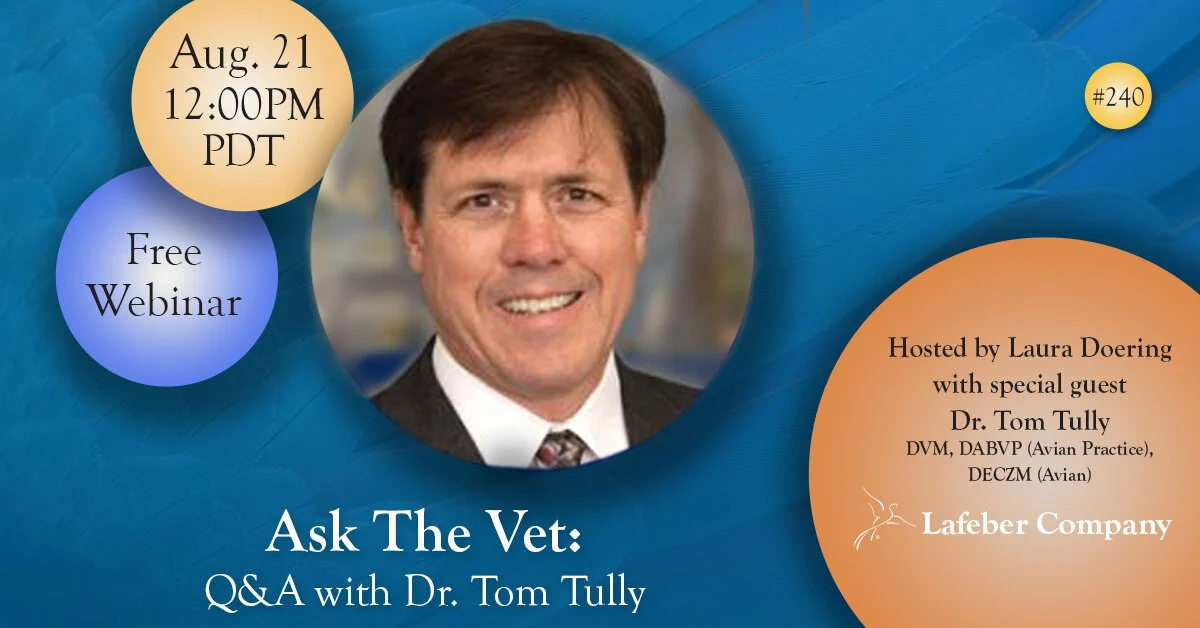
The landscape of avian veterinary medicine is set to see a unique convergence of expert clinical knowledge and public outreach on Friday, August 21, 2026, as Dr. Tom Tully, a world-renowned veterinarian specializing in avian practice, hosts a live, interactive webinar. Moderated by Laura Doering, a veteran journalist formerly at the helm of Bird Talk and Birds USA magazines, the session aims to bridge the gap between professional veterinary diagnostics and the daily stewardship practices of parrot owners worldwide. The event represents a concerted effort by the avian care community to standardize health information and empower bird owners with evidence-based medical advice.
Event Background and Objectives
The webinar serves as a high-level educational platform designed to address the common, often complex challenges associated with maintaining avian health in a domestic setting. Dr. Tully, who holds dual board certifications as a Diplomate of the American Board of Veterinary Practitioners (Avian Practice) and the European College of Zoological Medicine (Avian), is recognized globally for his contributions to avian pathology and surgery.
The primary objective of the session is to provide accessible, high-level veterinary insights to bird owners who may otherwise lack direct access to specialized avian practitioners. Given that avian medicine is a niche field, many pet owners face difficulty in finding qualified specialists in their local geographic areas. This digital initiative aims to mitigate that limitation by providing a direct line of communication to one of the field’s foremost authorities. By focusing on both nutrition and clinical care, the webinar intends to shift the paradigm from reactive emergency treatment to proactive, long-term health management.
Chronology of the Event
The session is scheduled for Friday, August 21, 2026, beginning at 12:00 p.m. PDT. Interested participants are encouraged to utilize global time zone converters to ensure synchronization, as the live format requires real-time engagement. The structure of the webinar follows a methodical progression:
- Introduction and Scope: Laura Doering will open the session by framing the current challenges in domestic bird husbandry, specifically focusing on the intersection of behavioral health and physiological well-being.
- Clinical Q&A Session: Dr. Tully will address pre-submitted and live-streamed questions from the audience. This segment is expected to cover a range of topics, from common nutritional deficiencies in captive parrots to the diagnosis of early-stage respiratory or metabolic diseases.
- Synthesis and Best Practices: The final portion of the event will focus on actionable takeaways, providing owners with a framework to evaluate whether a bird’s symptoms warrant immediate clinical intervention or environmental adjustments.
Supporting Data and Avian Health Trends
The demand for such expert-led forums is supported by shifting trends in pet ownership. According to various avian welfare studies, the mortality rate in captive parrots is disproportionately linked to poor dietary management—specifically, the over-reliance on seed-based diets which lack the necessary micronutrients for long-term health.
Furthermore, data from avian medical journals indicate that a significant percentage of veterinary visits for pet birds are prompted by behavioral issues that are, in fact, secondary manifestations of underlying physical distress. For instance, feather destructive behavior (FDB), a frequent topic of owner concern, is often categorized as a psychological issue, yet clinicians like Dr. Tully frequently identify physiological stressors—such as hypocalcemia or vitamin A deficiency—as the primary drivers. By providing direct access to a specialist, the webinar aims to educate owners on recognizing these clinical nuances before they escalate into chronic or terminal conditions.
Official Perspectives and Expert Philosophy
Dr. Tully’s philosophy centers on the premise that the educated owner is the most vital component of an avian’s healthcare team. In previous communications, Dr. Tully has emphasized that the rapid, often subtle, onset of illness in birds requires an observant and informed owner to provide the clinical history necessary for a successful diagnosis.

"The standard of care for avian species is fundamentally dependent on the owner’s ability to interpret early warning signs," noted a representative involved in the webinar planning. "By removing the barrier between the specialist and the owner, we are not just answering questions; we are establishing a higher standard of preventative care."
Laura Doering’s involvement further underscores the journalistic integrity of the event. Her career, defined by decades of documenting the intricacies of the bird-human relationship, ensures that the discussion remains grounded in practical application. Her role as moderator is to translate complex medical terminology into actionable guidance that the average pet owner can implement immediately.
Broader Implications for Avian Stewardship
The digital format of this webinar highlights a broader trend in veterinary medicine: the move toward telehealth and digital consultation to improve animal welfare. While a webinar cannot replace an in-person physical examination, it serves as a critical triage tool.
The implications for the pet industry are significant. As more owners gain access to accurate medical information, the demand for high-quality, biologically appropriate nutrition and habitat enrichment is expected to rise. This, in turn, pressures manufacturers and retailers to adhere to more stringent health standards. Moreover, the normalization of "Ask the Vet" style formats helps to professionalize the hobby of bird keeping, moving the community away from anecdotal, often contradictory, internet-based advice toward evidence-based veterinary science.
Analysis of Diagnostic Challenges
One of the key themes likely to be explored is the "silent" nature of avian illness. Birds, as prey species, possess a biological imperative to mask weakness, making the diagnostic process notoriously difficult for non-specialists. Dr. Tully’s emphasis on detailed history-taking during the session is expected to highlight the importance of environmental monitoring.
Analysts suggest that the success of this webinar will be measured by the participants’ ability to apply the discussed principles to their own households. If effective, the session will likely demonstrate that many chronic conditions currently plaguing pet parrots—such as obesity, hepatic lipidosis, and fungal respiratory infections—are largely preventable through disciplined management.
Participation and Access
Registration for the event is currently open via the official host portal. Due to the high interest levels in Dr. Tully’s expertise, the session is capped to ensure that the interactive component remains manageable. Participants are encouraged to register early and prepare specific, detailed inquiries regarding their pets’ health, nutrition, and environmental setups to maximize the utility of the Q&A segment.
As the date approaches, the veterinary community views this event as a bellwether for the future of specialized education in the pet care sector. By leveraging digital technology to provide mass-access to elite veterinary knowledge, the organizers are effectively raising the collective bar for avian health standards. The event serves as a reminder that as our understanding of avian biology continues to evolve, so too must the resources available to those dedicated to their long-term care and preservation.

