


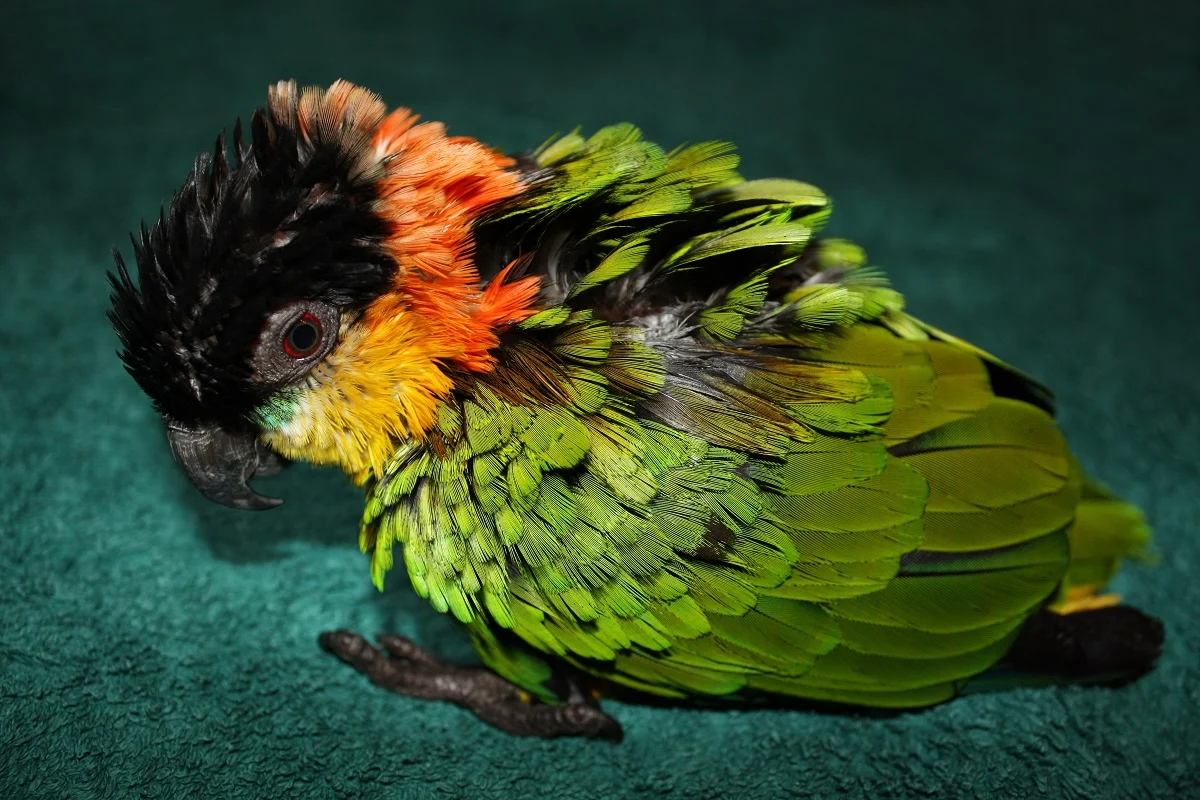
The prospect of a beloved feathered companion falling ill or sustaining an injury is a profound concern for any parrot owner. However, proactive preparation for such emergencies is not merely advisable; it is a critical differentiator that can significantly impact a bird’s chances of survival and full recovery. An immediate assessment reveals a concerning gap in preparedness among many owners, with fundamental questions regarding emergency protocols, access to specialized veterinary care, and the availability of essential first aid supplies often going unanswered. This article aims to address these vital considerations, providing a comprehensive framework for managing avian health crises.
The Unique Vulnerability of Avian Companions
Parrots, despite their vibrant appearance and robust personalities, are inherently fragile creatures. Their physiology differs significantly from mammals, making them susceptible to rapid health deterioration. A key aspect of their survival in the wild is their instinct to conceal signs of illness or injury, a defense mechanism against predators. While advantageous in their natural habitat, this trait presents a significant challenge for pet owners, as subtle indicators of distress can easily be overlooked until a condition becomes advanced or critical. This inherent vulnerability underscores the absolute necessity for owners to be acutely observant and thoroughly prepared for any eventuality.
Proactive Preparedness: The Foundation of Avian Care
Preventative measures form the cornerstone of responsible parrot ownership. Establishing a robust emergency plan long before any crisis arises is paramount. This includes identifying and establishing a relationship with an avian veterinarian, safeguarding financial resources for potential treatments, and meticulously preparing the home environment and a dedicated first aid kit.
Establishing a Specialized Veterinary Relationship
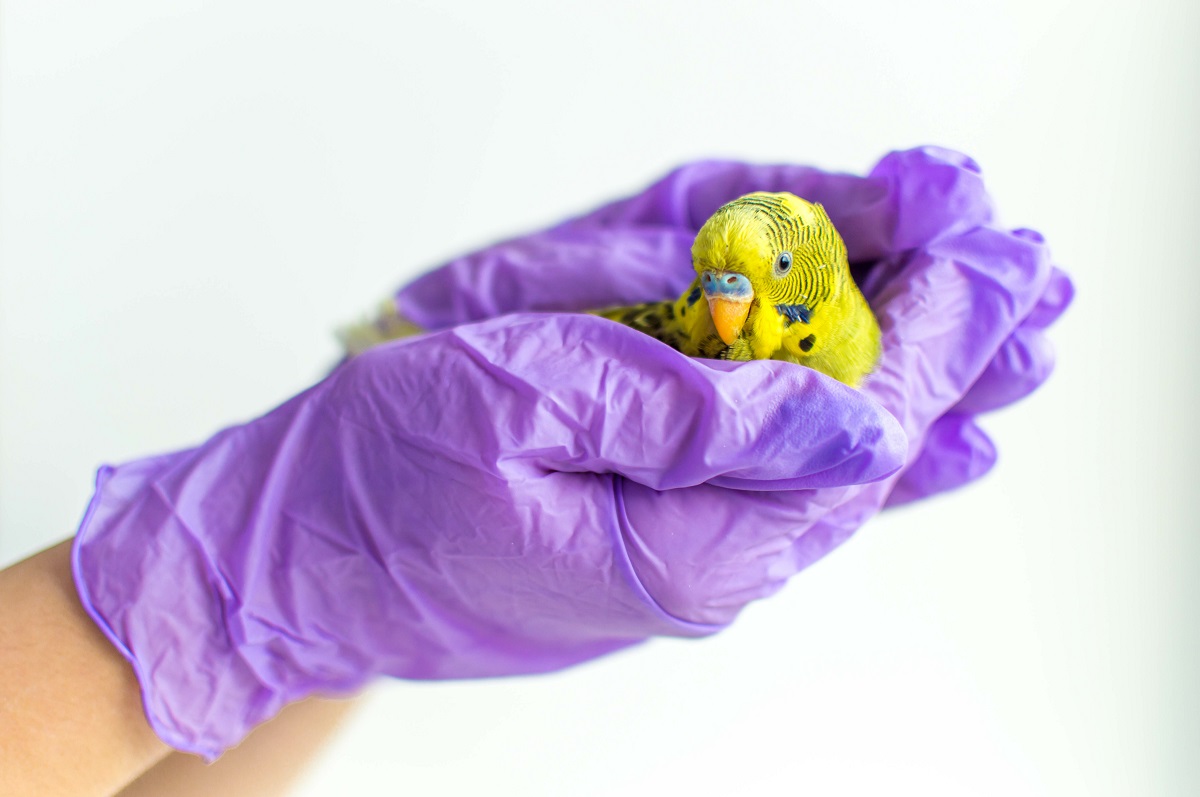
The most crucial step in emergency preparedness is identifying and establishing a relationship with a qualified avian veterinarian. Unlike general practitioners who may have limited experience with birds, an avian vet possesses specialized knowledge of parrot anatomy, physiology, and common ailments. This expertise is indispensable for accurate diagnosis and effective treatment. Owners are strongly advised to schedule a routine check-up for their parrot with an avian vet before any emergency occurs. This allows the vet to establish a baseline health profile for the bird and familiarizes the owner with the clinic’s procedures and emergency contact information. The veterinarian’s emergency contact details should be prominently saved in all household phones and posted in an easily accessible location.
Financial Contingencies for Avian Medical Care
Specialized avian veterinary care can be costly, often involving advanced diagnostics, medications, and potentially surgical interventions. Creating an emergency vet fund, a dedicated savings account for unexpected medical expenses, is a highly recommended practice. Alternatively, exploring pet insurance options that cover exotic birds can provide a financial safety net. While not as widely available as insurance for cats and dogs, the market for exotic pet insurance is growing, offering various plans to mitigate the financial burden of emergency treatments. The average cost for an emergency avian visit can range from a few hundred to several thousand dollars, making financial foresight a critical component of preparedness.
Environmental Safety: Parrot-Proofing Your Home
Prevention of accidents is undeniably superior to treating injuries. Parrots are highly intelligent, inquisitive, and naturally destructive, making them extremely prone to encountering hazards within a typical home environment. Effective "parrot-proofing" involves systematically identifying and neutralizing potential dangers in any area the bird can access. This includes:
- Electrical Hazards: Chewing on power cables is a common and potentially fatal risk. All wires should be secured, covered, or made inaccessible.
- Toxic Substances: Many common household items are toxic to parrots, including cleaning products, aerosols, certain essential oils, human medications, and lead-based paints or objects. All such items must be stored securely out of reach.
- Toxic Plants: Numerous houseplants, while aesthetically pleasing, are highly poisonous to birds. Examples include Dieffenbachia (dumb cane), lilies, azaleas, philodendrons, and many others. Owners should research and only keep parrot-safe plants or ensure all toxic plants are completely inaccessible.
- Physical Traps: Gaps behind appliances, open toilets, cracked windows, open doors, and even tight spaces between furniture can become dangerous traps. Windows and doors must always be securely closed when the parrot is out of its cage, and potential escape routes should be regularly checked. Mirrors can also pose a collision risk.
- Other Pets: Interactions with other household pets, particularly cats and dogs, should be strictly supervised or prevented, as even playful nips can result in severe injuries or bacterial infections in birds.
- Kitchen Dangers: Non-stick cookware (PTFE coatings) can release toxic fumes when overheated, causing rapid and fatal respiratory distress in birds. Other kitchen hazards include hot stovetops, open ovens, and access to human foods that are toxic (e.g., avocado, chocolate, alcohol, caffeine).
- Unsafe Cages and Toys: Even the bird’s own environment can pose risks. Cages with wide bar spacing can lead to entrapment. Toys with small, easily swallowed parts, loose threads, or toxic materials can cause injury or ingestion problems. Regular inspection of the cage and toys for damage or hazards is essential.
The Indispensable Avian First Aid Kit
Despite the most rigorous preventative measures, accidents can still occur. A well-stocked and easily accessible avian first aid kit is therefore a critical asset. Every household with a parrot should assemble one and ensure all adult members know its location and the basic use of its contents, especially blood-clotting agents. Key components include:

- Blood-Clotting Agent: Styptic powder (e.g., Kwik Stop), cornstarch, or flour. Given parrots’ limited blood volume (approximately 10% of body weight, with only 10% of that safely lost), rapid control of bleeding is paramount. For example, a 100-gram cockatiel has about 10 ml of blood, meaning a loss of over 1 ml can be dangerous.
- Sterile Gauze Pads and Cotton Balls: For applying pressure to wounds and cleaning.
- Medical Tape or Vet Wrap: To secure dressings or splint minor injuries.
- Tweezers: For removing splinters, foreign objects, or assisting with feather issues.
- Nail Clippers: To address overgrown nails or for minor bleeding from nails.
- Antiseptic Solution: Diluted chlorhexidine (e.g., Nolvasan) or povidone-iodine (Betadine) for wound cleaning. Avoid harsh chemicals like hydrogen peroxide or alcohol, which can damage delicate tissues.
- Small Syringes or Droppers: For administering fluids or liquid medications, if advised by a vet.
- Emergency Carrier: A small, easily portable carrier lined with paper towels (for hygiene and to monitor droppings). It should have options for darkening to reduce stress and a secure latch.
- Heat Source: A microwaveable heat pad (safest, as hot water bottles can burst) or a wrapped hot water bottle. These are vital for maintaining a sick or injured bird’s body temperature, as compromised birds struggle with thermoregulation.
- Rehydration Sachets: Oral electrolyte solutions formulated for birds (e.g., unflavored Pedialyte or specific avian products) to combat dehydration.
- Emergency Contact List: Including your avian vet, emergency clinics, avian poison control, and trusted neighbors or friends who can assist.
Recognizing the Subtle Signs of Avian Distress
The ability to recognize the early, often subtle, signs of illness or injury is paramount for parrot owners. Due to their evolutionary imperative to hide weakness, a parrot showing overt symptoms is often already severely ill. Owners must become intimately familiar with their bird’s normal behavior, posture, appetite, droppings, and vocalizations to detect deviations promptly.
Early Warning Signs (Consult a Vet Soon)
If any of the following symptoms are observed, contacting an avian veterinarian for advice on whether an immediate visit is necessary or if an appointment can be made for later is recommended:
- Changes in Appetite or Thirst: A sudden increase or decrease in food or water consumption.
- Lethargy or Decreased Activity: Spending more time sleeping, less interested in toys or interaction, reduced vocalization.
- Subtle Feather Changes: Feathers appearing ruffled or disheveled for prolonged periods (not just during preening), dullness of plumage, or excessive feather picking.
- Changes in Droppings: Alterations in color, consistency (e.g., watery diarrhea, unusually hard), volume, or the presence of undigested food. (Note: Diet changes, like beetroot or bell pepper, can temporarily alter droppings.)
- Minor Posture Changes: Sitting hunched, head tucked under a wing for extended periods, or perching on the bottom of the cage.
- Mild Respiratory Sounds: Sneezing, occasional clicking noises, or a slight cough.
- Weight Loss: Noticeable thinning over the keel bone.
- Discharge: From nostrils or eyes.
Critical Emergency Symptoms (Immediate Veterinary Attention)
Certain symptoms demand immediate veterinary attention. In these cases, owners should transport their bird to the avian vet without delay, calling the clinic while en route. These critical signs often indicate a severe and rapidly progressing condition, potentially requiring oxygen, warmed incubation, and fluid therapy.
- Severe Breathing Difficulties: Open-mouthed breathing, tail bobbing with each breath, labored breathing, or gasping.
- Collapse or Non-Responsiveness: Inability to perch, lying on the cage floor, or unresponsive to stimuli.
- Severe or Uncontrolled Bleeding: Any active, profuse bleeding that does not stop with initial first aid.
- Seizures or Neurological Signs: Tremors, uncontrolled head movements (like a sudden head tilt, as one owner reported for their budgie), circling, loss of balance, or paralysis.
- Prolonged or Repeated Vomiting/Regurgitation: Persistent expulsion of food, distinct from normal occasional regurgitation for bonding or feeding young.
- Sudden Weakness or Inability to Perch: Falling off perches, unable to maintain balance.
- Obvious Injury: Fractures, deep wounds, severe lameness, or visible trauma.
- Profound Changes in Mental State: Extreme listlessness, disorientation, or aggression out of character.
Immediate Response: Bridging the Gap to Professional Care

When an emergency strikes, time is of the essence. While professional veterinary care is the ultimate goal, certain immediate actions can stabilize the bird and improve its prognosis while en route to the clinic or awaiting a vet’s availability.
Initiating Contact with Your Avian Veterinarian
The very first step in a medical emergency is to contact your avian veterinarian. For clearly urgent situations (e.g., severe trouble breathing, collapse), transport the bird immediately to the vet while calling them en route to alert them of your arrival and the nature of the emergency. If unsure about the urgency, describe the symptoms to the vet over the phone, and they can advise on the appropriate course of action. If your primary vet is unavailable, keep trying other avian clinics or emergency veterinary hospitals.
Controlling Hemorrhage
If a parrot is bleeding, stopping the blood flow is the absolute priority. Apply a blood-clotting agent (styptic powder, cornstarch, or flour) directly to the wound. Follow this by applying firm, continuous pressure with a clean gauze pad for several minutes. For deep wounds that may penetrate body cavities (abdomen or thorax), focus solely on applying pressure with sterile gauze and seek immediate veterinary care, as styptic powder will be ineffective.
Crucially, when applying pressure to any part of a bird’s body, especially around the chest, extreme caution must be exercised not to restrict its breathing. Unlike mammals, birds lack a diaphragm and rely entirely on the expansion and contraction of their chest wall and air sacs for respiration. Any constriction of the chest can impede breathing and be fatal.
Providing Thermal Support and Isolation

Sick or injured parrots are highly susceptible to stress and hypothermia, which can rapidly worsen their condition. Stress and shock are major causes of mortality in compromised birds. Therefore, providing warmth and a quiet, isolated environment is critical.
A temporary "brooder" can be created using the emergency carrier or a clean box lined with soft paper towels or a clean towel. Place a covered heat source (like a microwavable heat pad or a hot water bottle wrapped in a towel) inside, ensuring it’s not too hot and the bird cannot chew it. The ideal temperature for a sick bird is approximately 85°F (29°C). Cover the enclosure to darken it, reducing visual stimuli and providing a sense of security, which helps minimize stress. This improvised brooder can then be used to transport the bird to the vet.
Addressing Dehydration
Vomiting, diarrhea, or prolonged illness can quickly lead to dehydration in birds. Moderate to severe dehydration requires immediate veterinary intervention, but mild dehydration can sometimes be managed at home under veterinary guidance.
A quick assessment of dehydration can be performed by checking the basilic wing vein refill time. Locate the basilic wing vein, a raised blue line visible on the inside of the bird’s wing, near the "elbow" (humeral-radioulnar joint). Gently press on the vein with a finger to displace the blood. In a well-hydrated bird, the vein should refill immediately upon lifting the finger. If it takes more than two seconds for the vein to refill, the bird is likely experiencing moderate to severe dehydration and requires urgent veterinary care.
If the bird is mildly dehydrated, still alert, and able to swallow comfortably, an avian-specific rehydration solution (from the first aid kit) can be offered. Prepare the solution according to package instructions and warm it gently to body temperature to avoid chilling the bird further. Offer it on a teaspoon or via a syringe, especially if the bird is syringe-trained.
It is critical to emphasize that forcing fluids into a sick bird can be extremely dangerous. Unless specifically instructed and trained by a qualified avian veterinarian or technician on how to safely administer fluids directly to the back of the mouth (avoiding the entrance to the windpipe), owners should never attempt this. Inadvertently introducing fluid into the bird’s lungs can cause aspiration pneumonia, which is often fatal. If a sick bird is unwilling to drink on its own, immediate veterinary intervention is essential.

Broader Implications and Ongoing Vigilance
The emphasis on emergency preparedness extends beyond individual incidents. It underscores a broader commitment to ethical pet ownership and avian welfare. The increasing popularity of parrots as companion animals highlights the need for continuous owner education on their unique needs, vulnerabilities, and the specific care requirements for their longevity and well-being. Organizations dedicated to avian welfare and avian veterinarians consistently advocate for proactive measures, noting that many emergency situations could be mitigated or prevented with proper knowledge and resources. Furthermore, a prepared owner contributes positively to the overall health and safety standards within the avian community.
Conclusion
In conclusion, managing a sick or injured parrot effectively hinges on thorough preparation and decisive action. The fragility of avian physiology, coupled with their instinct to mask illness, necessitates a vigilant and proactive approach from owners. Establishing a strong relationship with an avian veterinarian, maintaining financial readiness, meticulously parrot-proofing the home, and assembling a comprehensive first aid kit are not merely recommendations; they are fundamental responsibilities. When an emergency does occur, the ability to recognize critical symptoms, initiate immediate supportive care, and swiftly transport the bird to professional medical attention can be the decisive factor between a tragic outcome and a successful recovery. The well-being of these intelligent and sensitive creatures depends entirely on the preparedness and commitment of their human companions.

