


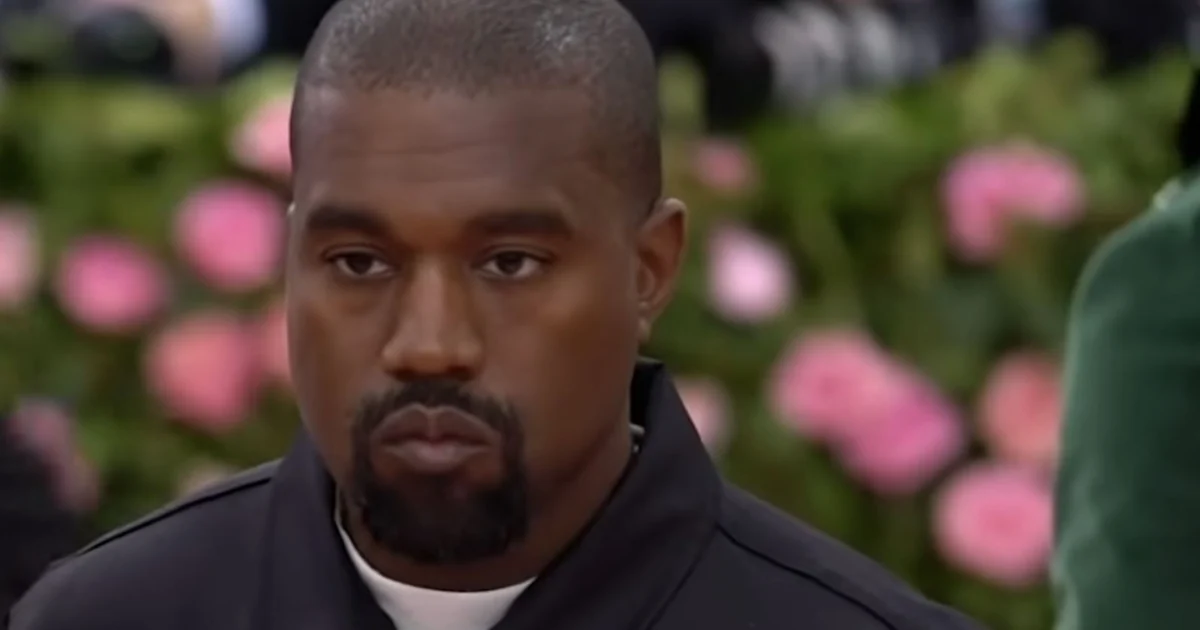
The intersection of celebrity culture, paparazzi rights, and intellectual property law has once again moved to the forefront of the legal arena as Kanye West, now legally known as Ye, and fellow rapper French Montana face a significant copyright infringement lawsuit. Filed by the prominent celebrity photo agency Bauer-Griffin, the litigation centers on the unauthorized use of audio captured during a high-profile 2013 confrontation between West and a photographer. The lawsuit, which also names several other defendants involved in the production and distribution of the music, alleges that the defendants willfully appropriated copyrighted material to enhance the commercial appeal of a 2024 track titled Where They At.
The legal action highlights a recurring tension in the entertainment industry: the boundary between public life and protected intellectual property. While the visual elements of paparazzi encounters are frequently the subject of legal disputes, this case focuses specifically on the audio recording embedded within a video owned by Bauer-Griffin. According to the complaint, the defendants utilized the audio without obtaining the necessary licenses or permissions, a move the agency describes as a "blatant and willful" violation of federal copyright laws.
The 2013 Incident: Context and Background
The footage at the heart of the controversy dates back to May 2013, a period of intense media scrutiny for Kanye West. At the time, West was in a high-profile relationship with Kim Kardashian, who was then pregnant with their first child, North West. The incident occurred outside a popular Los Angeles restaurant where the couple was dining. As they exited the establishment, they were met by a group of photographers, a standard occurrence for the pair during that era.
In the video owned by Bauer-Griffin, West is seen and heard approaching a photographer in a state of visible agitation. The rapper, known for his protective stance regarding his privacy and that of his family, demanded that the photographers cease their activities. The audio captures West shouting, "don’t take no photos," and repeatedly telling the paparazzi to "stop it man!" This specific exchange, characterized by its raw emotion and West’s distinctive delivery, became a viral moment in the early 2013 celebrity news cycle.
Bauer-Griffin asserts that because its photographer captured the video in the course of their professional duties, the agency holds the exclusive copyright to both the visual and auditory components of the recording. The video was originally published with a clear watermark crediting the agency, a detail the lawsuit emphasizes to argue that the defendants were fully aware of the recording’s ownership status before they decided to sample it.
The Alleged Infringement in "Where They At"
The legal dispute emerged following the release of French Montana’s 2024 album, Mac & Cheese 5. One of the tracks on the album, "Where They At," features a guest appearance by Kanye West. The song opens with an audio sample that Bauer-Griffin identifies as the exact recording from the 2013 restaurant confrontation.
According to the court documents first reported by Billboard, the agency’s lawyers contend that the audio was placed at the beginning of the song to capitalize on West’s notorious reputation for clashing with the media. "Given Mr. Ye’s history of numerous confrontations with paparazzi, the video was highly newsworthy," the agency’s legal team stated. They further argued that the sample is so recognizable that listeners immediately associated the song’s intro with the original 2013 video, thereby linking the commercial product to the agency’s copyrighted work without authorization.
In the music industry, the process of "clearing" a sample is a standard administrative and legal requirement. This involves identifying the owners of the master recording and the underlying composition and negotiating a fee or royalty agreement. Bauer-Griffin’s lawsuit alleges that no such effort was made by West, Montana, or their respective production teams. The agency maintains that the defendants, as seasoned professionals in a multi-billion dollar industry, are well-versed in copyright protocols and that their failure to seek a license constitutes a deliberate disregard for intellectual property rights.
A Chronology of Conflict: Kanye West and the Media
The lawsuit from Bauer-Griffin is not an isolated incident but rather the latest chapter in a long history of legal and personal friction between Kanye West and the photography community. To understand the gravity of the current claims, it is necessary to examine the pattern of litigation that has followed the rapper throughout his career.
- The 2013 LAX Altercation: Shortly after the incident cited in the Bauer-Griffin lawsuit, West was involved in a physical altercation with a photographer at Los Angeles International Airport. This resulted in a lawsuit and West being sentenced to two years of probation and community service.
- The 2022 Unpaid Shoot Allegations: In late 2022, a photographer filed a lawsuit against West alleging that he failed to pay $110,000 for a last-minute photo shoot. The photographer claimed that the lack of payment left her in a precarious financial position, unable to cover basic living expenses despite the high-profile nature of the work.
- The 2023 Magnum Photo Dispute: More recently, West faced accusations from a photographer associated with the prestigious Magnum Photos agency. The photographer alleged that West used a powerful image of a Ku Klux Klan gathering for the cover of his 12th studio album without securing the rights. This case highlighted West’s tendency to utilize provocative imagery regardless of its legal status.
- The 2024 Bauer-Griffin Lawsuit: The current filing regarding "Where They At" represents a shift toward the misappropriation of audio from video journalism, expanding the scope of West’s legal challenges beyond still photography.
Legal Arguments and Industry Standards
The core of Bauer-Griffin’s argument rests on the "Work Made for Hire" doctrine and the specific protections afforded to audiovisual works under the Copyright Act. When a photographer or videographer working for an agency captures footage, the agency typically holds the copyright. This protection extends to the audio track of that video.
Lawyers for the photo agency write in the complaint: "In the music industry, copyrights are prevalent and well-understood. Every defendant knew that they needed to have but did not have permission to use the audio sample." This statement is intended to preempt any defense based on ignorance or "fair use."
In copyright litigation, "fair use" is a common defense where defendants argue that their use of a snippet of material was for commentary, criticism, or parody. However, the use of a sample as a stylistic intro to a commercial hip-hop track is rarely viewed as fair use by the courts, especially when the sample serves to enhance the commercial "vibe" or branding of the song. Furthermore, the "willful" nature of the infringement claimed by Bauer-Griffin could lead to statutory damages, which are significantly higher than actual damages if the court finds the defendants acted with knowledge of the infringement.
Broader Implications for the Music and Media Industries
The outcome of this lawsuit could have lasting implications for how music producers utilize "found audio" or viral clips from social media and news outlets. In the digital age, the line between a "public moment" and a "copyrighted recording" is often blurred in the eyes of the public, but the law remains stringent.
For photo agencies like Bauer-Griffin, this lawsuit is a necessary step to protect their revenue streams. As traditional print media has declined, agencies have increasingly relied on licensing their archives for documentaries, social media, and, evidently, music production. If artists are allowed to sample audio from news footage without payment, it sets a precedent that could devalue the work of photojournalists and the agencies that represent them.
Conversely, for artists, the case serves as a cautionary tale regarding the risks of "sampling first and asking questions later." While the "guerrilla" style of music production has long been a staple of hip-hop culture, the sophisticated tracking algorithms of the modern era make it nearly impossible for unauthorized samples to go unnoticed. The wide distribution of "Where They At" on platforms like Spotify, Apple Music, and YouTube has provided the plaintiff with ample evidence of the sample’s reach and commercial exploitation.
Current Status and Expected Developments
As of the latest reports, the legal teams for Ye and French Montana have not issued a formal rebuttal to the claims. Typically, in such cases, the defendants may attempt to settle out of court to avoid the costs of a prolonged trial and the risk of a high-value judgment. However, given West’s history of taking a defiant stance in legal matters, the case may proceed through the discovery phase, where the internal communications of the production team could be scrutinized to determine exactly how and why the 2013 audio was chosen for the track.
Bauer-Griffin’s attorneys remain firm in their pursuit of "vindicating" the agency’s rights. They maintain that the infringing record has been "widely distributed… in flagrant violation of plaintiff’s exclusive rights."
The music industry will be watching closely. As Ye continues to navigate a complex landscape of independent releases and controversial public statements, his legal battles remain a significant part of his narrative. For French Montana, the inclusion in this lawsuit adds a layer of legal complexity to the rollout of his Mac & Cheese 5 project. Ultimately, the case underscores a fundamental truth of the creative economy: even the most fleeting moments of a celebrity’s life, when captured on film, become assets that the law is prepared to defend.

