


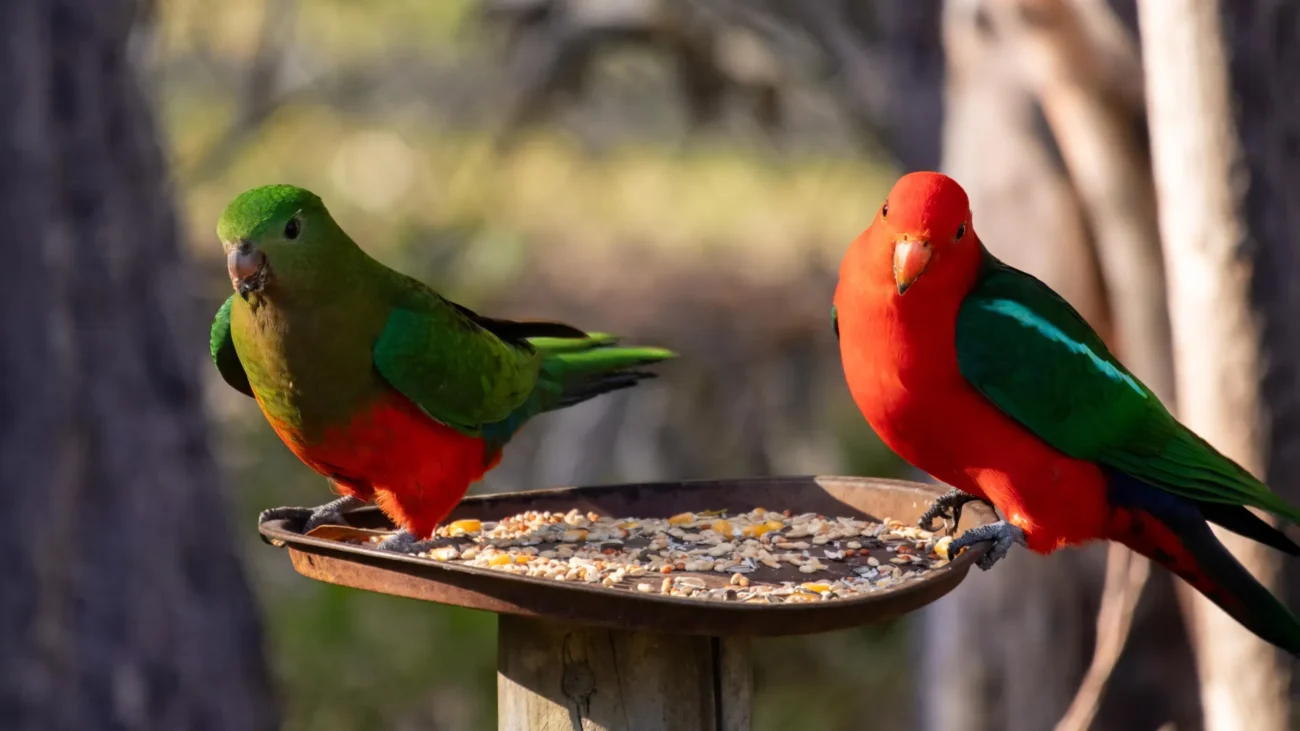
For millions of households across Australia, backyard bird feeding remains a deeply cherished daily routine. Approximately half of all Australian families regularly leave out seeds, grains, and kitchen scraps to attract local avian wildlife, driven by a desire to connect with nature and assist animals through difficult environmental conditions. However, wildlife biologists and biosecurity experts are raising urgent alarms. As the highly pathogenic H5N1 avian influenza virus sweeps across the continent, these domestic feeding stations risk transforming from sanctuaries into deadly viral transmission hotspots, threatening both native wildlife populations and public health.
The convergence of widespread backyard feeding habits and the arrival of a virulent global pathogen has created a complex management challenge for conservationists. While the activity has traditionally been viewed through the lens of leisure and conservation empathy, contemporary epidemiological analysis paints a starkly different picture. Feeding stations artificially concentrate diverse species into unnatural densities, establishing optimal conditions for the rapid transmission of infectious diseases.
The Global and Domestic Progression of H5N1
To understand the current threat facing Australian backyards, one must examine the unprecedented global trajectory of the H5N1 virus over recent years. Originating and mutating across various international poultry and wild bird populations, this specific strain has systematically decimated ecosystems worldwide. It has crossed geographical barriers to impact remote islands, polar regions, and densely populated mainland continents alike, causing mass mortality events among pelagic seabirds, raptors, and scavenging mammals.
The virus’s arrival in Australia marks a pivotal and grim chapter in the nation’s biosecurity history. The pathogen’s progression has accelerated dramatically in recent months, shifting from isolated coastal detections to devastating outbreaks. A prominent turning point occurred when more than 1,000 crested terns were found dead in a single mass mortality event linked to the H5N1 strain. Shortly thereafter, the virus breached a major epidemiological threshold with the confirmation of H5N1 in a long-nosed fur seal—representing the first documented mainland mammalian mortality from the virus in Australia.
This spillover into mammalian populations mirrors worrying global trends where carnivores and scavengers, including foxes, cats, and marine mammals, contract the virus by consuming infected carcasses. The transition of H5N1 from an exclusively avian disease to a multi-species threat has heightened urgency among federal and state agricultural departments, conservation councils, and wildlife health networks.
Unpacking the Mechanics of Backyard Transmission
The fundamental issue with backyard bird feeding during an active disease outbreak lies in ecological disruption. In a natural setting, wild birds forage over vast territories, maintaining spatial separation that naturally limits the rapid propagation of airborne or pathogen-transmitted illnesses. Backyard feeders disrupt this natural distancing.
When supplementary food sources are introduced, they act as powerful magnets, drawing in high concentrations of birds from multiple flocks and distinct species that would rarely congregate in such close quarters under natural conditions. If a single infected individual visits a feeder, it can contaminate feeding surfaces, water bowls, and the surrounding soil through saliva, ocular secretions, and droppings. Subsequent visitors ingest the contaminated matter or contract the virus through close physical proximity, effectively turning a suburban garden into a localized superspreader venue.
This dynamic poses an existential threat to already fragile ecosystems. Highly vulnerable and endangered endemic species, such as the orange-bellied parrot, could face catastrophic population declines if the virus infiltrates their localized feeding circuits. Biologists emphasize that the risks extend beyond direct bird-to-bird transmission. Scavenger species—including possums, currawongs, and urban foxes—frequent these same suburban yards. Should these animals consume contaminated feed or infected bird carcasses, they become secondary amplification hosts, widening the geographic footprint of the outbreak.
Expert Consensus and the Debate Over Supplementary Feeding
The practice of feeding wild birds has long divided the scientific and conservation communities in Australia. Proponents argue that supplementary feeding provides vital nutritional support during periods of extreme weather, drought, or habitat loss caused by urban expansion. Many ornithological societies acknowledge that responsible feeding can foster public appreciation for biodiversity, encouraging citizens to take an active role in local conservation efforts.
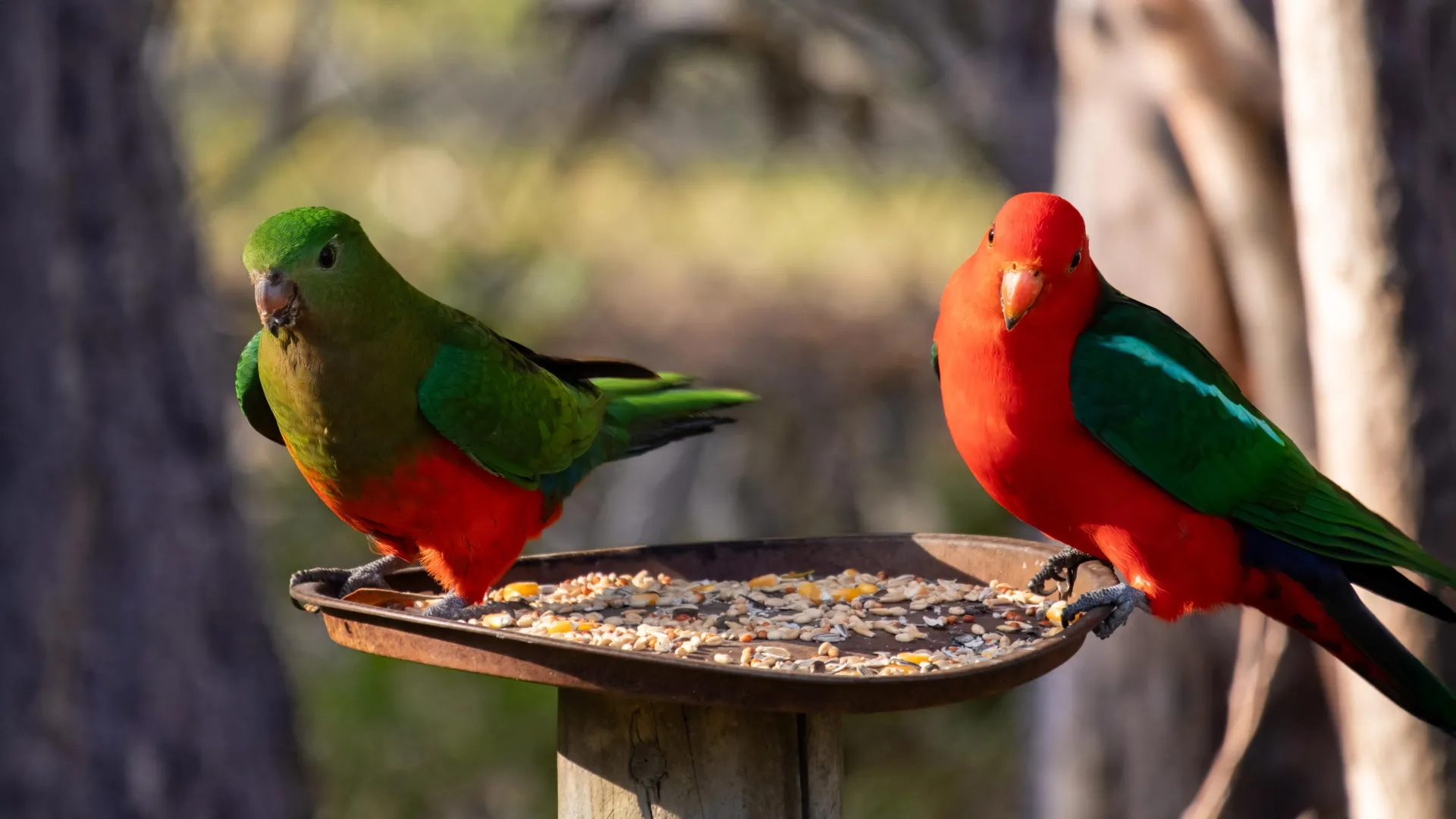
However, prevailing scientific research indicates that the vast majority of visiting backyard birds derive their core nutritional requirements from natural foraging—consuming insects, nectar, seeds, and worms. Consequently, the food provided by humans functions primarily as an optional snack rather than an essential survival meal.
In light of the H5N1 crisis, the calculus surrounding this popular pastime has shifted dramatically. Prominent conservation organizations and biosecurity bodies are urging a re-evaluation of human-wildlife interactions in residential areas. The consensus among wildlife health experts is clear: the convenience and emotional reward of backyard feeding no longer outweigh the immense epidemiological risks posed to native fauna.
Recommended Biosecurity Protocols for Australian Households
While the single most effective strategy to mitigate the risk of H5N1 transmission is to cease backyard bird feeding entirely, biosecurity agencies recognize that habits ingrained over decades are difficult to break overnight. For those individuals who choose to continue maintaining feeding stations, experts have outlined stringent risk-reduction protocols designed to mimic public health measures utilized during human pandemics.
First, households are strongly advised to dramatically reduce the volume of food offered. By minimizing the availability of seeds and scraps, residents can discourage large, dense flocks from congregating. Smaller, dispersed quantities of food reduce physical crowding, thereby lowering the probability of viral transmission among interacting birds.
Second, all forms of hand-feeding must cease immediately. While hand-feeding offers an intimate wildlife encounter, it establishes direct physical contact between humans and animals. Although human infections with the current H5N1 strain remain rare and typically manifest with mild symptoms, the potential for viral mutation or close mucosal exposure makes direct contact an unnecessary gamble.
Third, rigorous sanitation standards are mandatory. If feeding equipment is to remain active, all feeding surfaces, trays, and surrounding grounds must be cleaned and disinfected regularly using standard domestic bleach solutions. Biosecurity officials stress a zero-tolerance approach: individuals who are unwilling or unable to maintain strict, daily hygiene practices should dismantle their feeding stations immediately.
Broader Implications and Public Vigilance
The emergence of H5N1 in Australia represents a formidable test of the nation’s environmental resilience and biosecurity preparedness. As the virus continues to circulate through wild bird populations and makes inroads into mammalian hosts, the actions of ordinary citizens will play a critical role in shaping the trajectory of the outbreak.
Suburban and rural backyards are no longer isolated from broader ecological health crises. The choices made by homeowners regarding wildlife management directly impact the survival of delicate native species and the safety of domestic animals. By adopting precautionary measures—whether through stepping back from feeding practices or implementing rigorous sanitation protocols—the community can help blunt the impact of this unprecedented disease event.
Authorities continue to urge absolute vigilance across all states and territories. Members of the public are strictly advised never to touch sick, dying, or dead wild birds or marine mammals. Anyone encountering wildlife exhibiting unusual neurological symptoms, respiratory distress, or unexplained mortality should maintain a safe distance, secure domestic pets, record precise locations, capture photographic evidence if possible, and immediately report the sighting to the Emergency Animal Disease Hotline.

