



The prospect of summer travel often presents a logistical dilemma for pet owners, particularly those who care for small mammals such as domestic rats. While traditional pet-sitting services are common for dogs and cats, finding experienced, reliable care for rats—creatures with specific social, environmental, and dietary requirements—can be significantly more challenging. As a result, an increasing number of owners are opting to integrate their pets into their travel plans, transforming road trips into shared experiences that prioritize the animal’s well-being while bypassing the complications of third-party care.
For owners contemplating this journey, successful travel requires meticulous planning. Domestic rats are sensitive to environmental shifts and thrive on consistency. Moving them into an unfamiliar environment requires a calculated approach that balances the need for security with the realities of vehicular transport.

Preparation and Behavioral Acclimatization
Before embarking on a long-distance trip, veterinarians and behavioral experts suggest a phased approach to acclimatization. The transition from a static, home-based environment to the dynamic setting of a moving vehicle should not be abrupt. Owners are encouraged to introduce their pets to shorter, low-stress car rides—typically lasting less than 30 minutes—to assess individual temperaments. During these initial trials, it is essential to monitor for signs of anxiety, such as excessive grooming, lethargy, or refusal to eat.
To mitigate stress, professionals often recommend the use of bonding pouches or familiar textiles. These items, saturated with the scent of the home environment, serve as a psychological anchor for the animal. During these preliminary rides, the focus remains on positive reinforcement and providing a secure, enclosed space that prevents the animal from being thrown by vehicular motion. It is critical to note that such training should never occur during periods of extreme weather, as rats possess a narrow thermoregulatory window and are highly susceptible to heatstroke.
Technical Requirements for In-Vehicle Housing
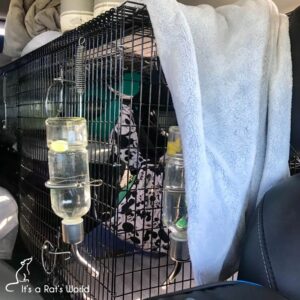
The selection of a travel enclosure is perhaps the most significant logistical hurdle. Standard portable carriers, often utilized for brief veterinary visits, are frequently inadequate for extended travel. Instead, industry experts suggest identifying a "home away from home" enclosure—a cage that provides sufficient cubic volume for natural movement while remaining structurally secure within the confines of a vehicle.

Data from long-term owners suggests that the most successful travel setups prioritize vertical space and enrichment. Even when space is limited by the vehicle’s interior dimensions, a cage should accommodate essentials such as hammocks, litter boxes, and multiple levels to prevent behavioral stagnation. In scenarios involving multi-week road trips, the investment in a high-quality, durable cage is often viewed as a long-term asset, providing a consistent environment that minimizes the stress of environmental change.
Logistics and Essential Equipment
Packing for an animal during a road trip is as complex as packing for a human passenger. A standardized "travel go-bag" should include:
- Hydration Systems: A minimum of two water bottles is required. These must be checked frequently, as changes in air pressure and vibration can lead to leakage or mechanical failure of the bottle’s ball-bearing mechanism.
- Nutritional Stability: A surplus of the pet’s standard dry food, along with a portable cooler containing pre-cut fresh produce, ensures a consistent diet.
- Sanitation and Maintenance: Essential cleaning supplies include unscented wet wipes, paper towels, and small brushes. Daily maintenance is necessary to prevent the accumulation of bacteria, which can be exacerbated by the close quarters of a vehicle.
- Climate Management: Blankets and, in some cases, windshield shades are vital for temperature regulation. They shield the enclosure from direct UV radiation and fluctuating ambient temperatures.
A critical, albeit lesser-known, aspect of travel for these animals involves the use of dietary aids to manage stress-induced gastrointestinal distress. Experienced owners often utilize specific fruits, such as bananas, to manage loose stools, a common physiological response to the stress of travel. This practice underscores the necessity of having a prepared emergency medical kit, tailored specifically to the age and health status of the rats.

Addressing Health and Safety Risks
The risks associated with traveling with small mammals are primarily thermal and environmental. Domestic rats are prone to respiratory infections and can be severely impacted by poor air quality or extreme temperatures. Consequently, the practice of leaving animals unattended in a vehicle is universally discouraged by veterinary professionals. Even for short durations, such as rest stops or refueling, the temperature inside a vehicle can spike rapidly, reaching fatal levels in a matter of minutes.
Furthermore, the choice of lodging requires careful vetting. While many modern travel planners, such as PetsWelcome, provide directories for pet-friendly accommodations, the designation "pet-friendly" is often focused on canine and feline needs. It is imperative that owners explicitly confirm the acceptance of rodents with hotel management prior to booking. Once checked in, the use of "Do Not Disturb" signage is a standard safety protocol to prevent unauthorized entry by housekeeping staff, which could lead to accidental escapes or the introduction of cleaning chemicals hazardous to small animals.
Broader Implications and Expert Perspectives
The trend of "pet-inclusive" travel reflects a shift in how society views the bond between owners and small companion animals. Where historically these animals were viewed as "starter pets" or temporary companions, they are increasingly regarded as central family members. This change in perception has prompted a demand for more robust travel resources and, in some instances, a greater push for policy reform regarding public transport and hotel regulations for non-traditional pets.
Critics of such travel often cite the inherent risks of mobility for prey animals, yet proponents argue that the quality of life provided by the owner’s presence outweighs the transient stress of travel. The consensus among those who have successfully navigated this experience is that the bond strengthened through shared adventure is profound. However, this level of engagement requires a high degree of responsibility. As one long-term owner noted, the key is preparation; by anticipating the needs of the animal, the logistical burden of the trip is transformed into a manageable, albeit demanding, routine.
Future Considerations for Pet Travelers
As the landscape of travel continues to evolve, so too does the need for standardized safety protocols for non-traditional pets. Current research into animal behavior during transit suggests that providing a predictable, scent-heavy environment is the most effective way to lower cortisol levels in domestic rats during long-distance movement.
Moving forward, potential travelers are advised to maintain a strict "no-surprises" itinerary. This includes pre-mapping the route for veterinary clinics that specialize in exotic or small animal care. In the event of a medical emergency, standard veterinary facilities may not have the necessary equipment or pharmacological expertise to treat domestic rats.

Ultimately, the decision to travel with rats is one that must be predicated on the temperament of the individual animals involved. Not every pet is suited for the rigors of the road, and the primary objective must always remain the health and comfort of the animals. For those who choose to undertake this endeavor, the rewards—the continued companionship and the unique shared experiences—provide a compelling justification for the extensive planning and oversight required to ensure a safe, successful journey.

