


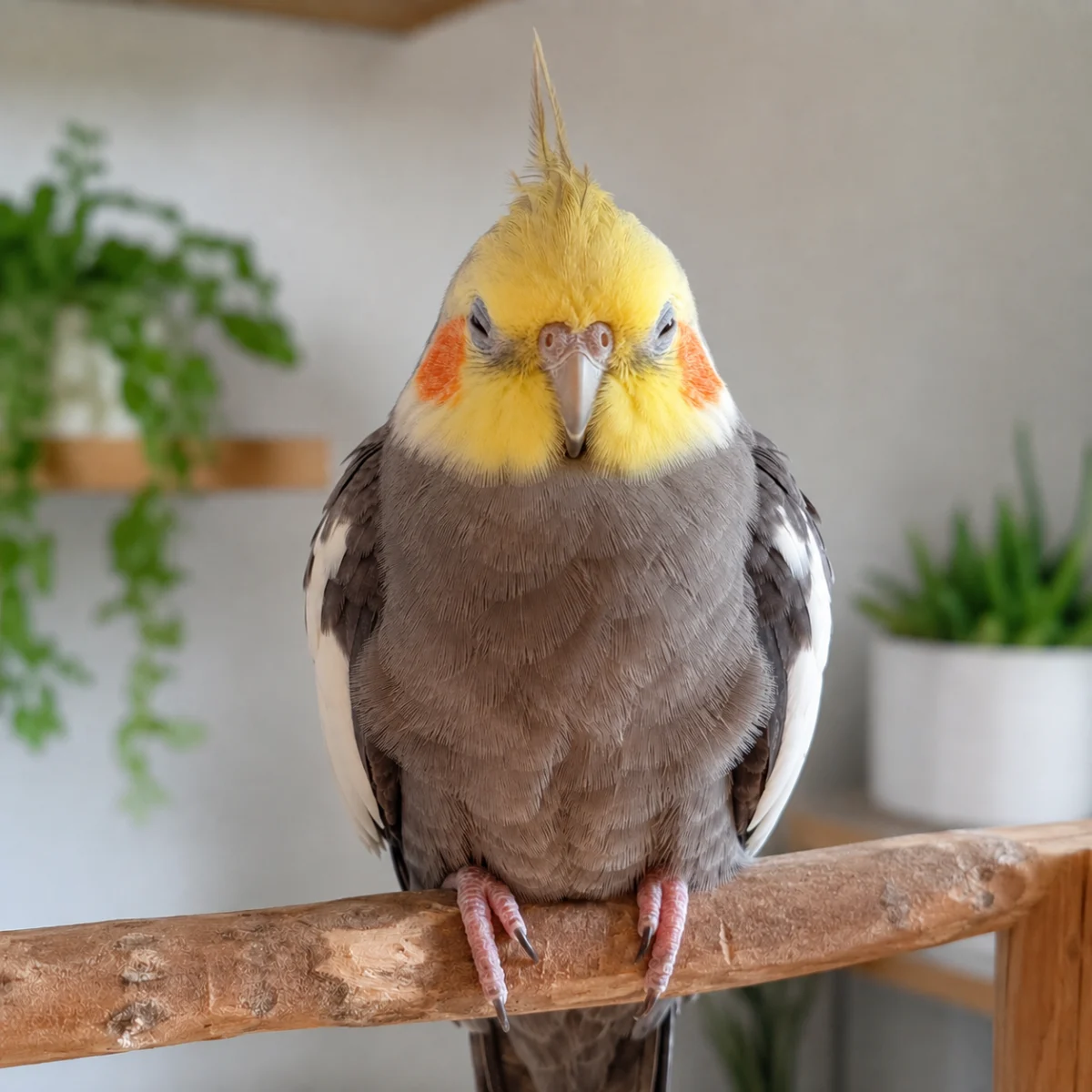
The health of a pet bird is often masked by the species’ natural, evolutionary instinct to conceal vulnerability. Because birds are prey animals in the wild, they instinctively hide signs of illness to avoid attracting predators or being ostracized by their flock. For the domestic bird owner, this behavioral adaptation creates a significant diagnostic challenge. When a bird begins to exhibit lethargy or sits with eyes half-closed during periods of normal activity, it is rarely a trivial observation. Understanding the difference between a healthy rest cycle and the onset of clinical illness is a critical component of responsible avian stewardship, as early intervention often dictates the prognosis for recovery.
The Physiology of Avian Rest vs. Clinical Lethargy
To distinguish between normal behavior and medical distress, one must first establish a baseline for their individual bird. Healthy birds naturally engage in diurnal napping, particularly following periods of high energy, such as morning foraging, bathing, or play. During these normal rest intervals, a bird may fluff its feathers to conserve heat and close its eyes. However, this state is transient. A healthy bird should remain responsive to its environment; when a caretaker approaches or makes a sound, the bird should readily regain alertness, resume preening, or move to a food source.
In contrast, clinical lethargy is characterized by a persistent reduction in activity that deviates from the bird’s established daily rhythm. If a bird consistently maintains a half-closed eye posture during times when it is typically vocal, active, or inquisitive, this indicates a deviation that warrants immediate investigation. Data from avian veterinary literature suggests that when a bird remains fluffed, listless, and unresponsive for an extended duration, it is often in an advanced state of physiological compromise.
The Danger of Relying on Appetite as a Health Metric
One of the most persistent misconceptions among avian caretakers is the belief that if a bird is still eating, it cannot be significantly ill. Veterinarians frequently emphasize that appetite is a poor indicator of overall health. Many species of birds will continue to visit their food bowls even when they are suffering from severe systemic infections, organ failure, or respiratory distress.
This phenomenon occurs because the act of eating is a deeply ingrained survival behavior. Furthermore, some birds may engage in "pseudo-eating," where they visit the dish and manipulate seeds without actually consuming or digesting a sufficient caloric volume. Reliance on the presence of food consumption as a proxy for health can lead to a dangerous delay in seeking veterinary care. Owners should instead evaluate the bird’s total behavioral profile: Has the bird’s vocalization decreased? Is there a noticeable change in the consistency or frequency of droppings? Are the bird’s movements less coordinated than usual? These holistic observations are far more reliable than the presence of food in the crop.
Chronology of Symptoms: From Subtle Change to Emergency
The progression of avian illness often follows a predictable, albeit subtle, timeline. It typically begins with minor behavioral shifts—a decrease in the duration of song, a slight increase in daytime sleeping, or a reduction in social interaction. These are often dismissed by owners as the bird simply being "tired."
However, if these symptoms are not addressed, the condition may escalate. The secondary phase often involves physical changes: persistent feather fluffing, the "half-closed eye" syndrome, and a reluctance to move from a specific perch. At this stage, the bird is struggling to maintain its homeostatic balance.
The tertiary phase is the emergency stage. If an owner observes open-mouth breathing, tail bobbing (where the tail moves up and down in sync with each breath), a loss of balance, or the bird falling to the bottom of the cage, the situation has reached a critical threshold. At this point, the bird’s internal compensatory mechanisms have failed, and professional medical intervention is required immediately. Waiting for a "wait-and-see" approach during this phase significantly increases the risk of mortality.
The Role of Physical Examination in Veterinary Diagnostics
When a bird is presented to an avian veterinarian due to lethargy or abnormal eye closure, the clinical approach is multifaceted. A primary concern for the practitioner is determining whether the symptoms are isolated to the ocular region or represent a systemic health crisis.
Ocular symptoms—such as redness, discharge, or swelling—can indicate primary eye disease, such as conjunctivitis or trauma. However, in many cases, these are secondary manifestations of broader infections, such as psittacosis (chlamydiosis) or respiratory tract infections. A physical examination typically includes a comprehensive assessment of body condition scores, auscultation of the respiratory tract, and an analysis of droppings.
Veterinarians often utilize diagnostic tools such as fecal cytology, blood chemistry panels, and imaging (radiographs) to identify the underlying cause of the lethargy. Because birds hide symptoms so effectively, these diagnostics are essential to identify issues that are not visible to the naked eye. The clinical consensus among avian specialists is that an "unwell" bird is a medical priority. By the time a bird appears to be failing, the illness is typically quite advanced, making rapid diagnostic testing essential for the implementation of an effective treatment plan.
Broader Implications and Best Practices for Owners
The broader implication of recognizing these early warning signs is the improvement of long-term avian health outcomes. Providing a high-quality environment is only half the battle; the other half is diligent observation. Veterinarians recommend that owners adopt a daily "health check" ritual. This involves looking for the following indicators:
- Dropping Consistency: A change in the color, volume, or frequency of waste is often the first measurable indicator of internal distress.
- Environmental Interaction: Has the bird destroyed fewer toys than normal? Is the bird avoiding its favorite perches?
- Vocalization Patterns: A sudden silence or a change in the pitch/frequency of calls can be a sign of illness.
- Physical Posture: The bird should hold itself with confidence and balance. A drooping wing, an unsteady grip, or a slumped posture are indicators of weakness.
Emergency Protocols
If an owner suspects their bird is in distress, they should adhere to a strict protocol to minimize additional stress, which can be fatal to an already weakened bird.
- Containment: Move the bird to a quiet, warm, and secure environment. A hospital cage, which provides supplemental heat and minimizes external stimuli, is the gold standard.
- Avoid Handling: Unless necessary for transport, do not handle the bird. Stress exacerbates physiological strain.
- Documenting Symptoms: Before calling the veterinarian, record the bird’s symptoms. If possible, capture a brief video of the bird’s breathing pattern or posture. This footage provides the veterinary team with objective data that is often more useful than a verbal description alone.
- Immediate Consultation: If the symptoms match the "emergency" criteria—such as respiratory distress or inability to perch—contact an avian-specific emergency facility immediately. Do not wait for a routine appointment window.
Conclusion
The distinction between a healthy nap and an illness-induced sleep is the cornerstone of avian care. While it is natural for a bird to rest during the day, the context of that rest is paramount. A bird that is alert, active, and interactive between its rest periods is likely healthy. A bird that remains in a state of lethargy, particularly when accompanied by changes in appetite, droppings, or physical posture, is sending a clear signal that its health is in jeopardy.
Owners must cultivate a keen sense of observation, viewing their pet through the lens of their unique daily baseline. By identifying these subtle behavioral shifts early and treating them with the gravity they deserve, owners can provide their birds with the best possible chance of recovery. In the field of avian medicine, the most successful outcomes are almost always those where the caretaker acted on their intuition—trusting that a change in behavior, however small, was a symptom of an underlying issue that required professional expertise. When in doubt, the most prudent course of action is always a prompt veterinary consultation, as the window for effective treatment in avian species is often narrower than that of dogs or cats.

