


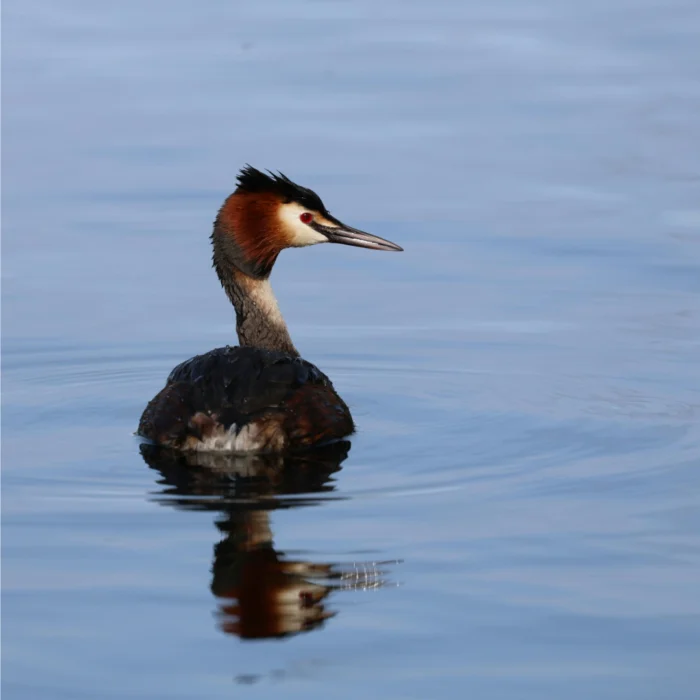
On April 21, 2026, Dr. Rebecca Duerr, a renowned expert in wildlife medicine, delivered a comprehensive virtual presentation to the Kansas State University College of Veterinary Medicine Exotics Club, focusing on the critical clinical challenges involved in the rehabilitation of oiled wild birds. Sponsored by the Lafeber Company Student Program and hosted by LafeberVet, the session provided a deep dive into the complex pathophysiology of avian patients exposed to petroleum products. As seabirds like common murres, grebes, and loons remain highly vulnerable to environmental contamination, the expertise shared during this presentation highlights the necessity for specialized veterinary protocols in disaster response.
The Pathophysiological Impact of Oil Exposure
When wild birds encounter oil spills, the impact is immediate and multifaceted, extending far beyond the visible contamination of plumage. The substance disrupts the delicate thermal insulation of the feathers, leading to rapid heat loss. Once the waterproofing is compromised, water reaches the skin, triggering severe hypothermia. This physical stress is often the catalyst for a cascade of physiological failures.
According to clinical observations, oiled birds frequently present with a suite of interconnected medical issues. Emaciation is a common finding, as these birds have often exhausted their energy reserves attempting to maintain thermoregulation before they are even rescued. Dehydration and hypoproteinemia—a condition characterized by abnormally low levels of protein in the blood—frequently accompany these cases, further complicating the stabilization process. Furthermore, the inhalation of toxic fumes during a spill or the ingestion of oil while preening can lead to secondary pneumonia and systemic organ failure.
Triage and Immediate Stabilization Protocols
The triage process for an oiled seabird is a race against time. Veterinary teams must balance the immediate need to stabilize the patient with the inherent stress that handling induces. Recent clinical research has shifted toward refining these protocols to maximize survival rates.
A critical component of this care is tube feeding, which serves to rehydrate the patient and provide necessary nutrients, but it must be performed with extreme caution. The bird’s compromised physical state makes it highly susceptible to secondary infections and handling-related trauma. Dr. Duerr’s work, particularly her 2016 study on the factors affecting the survival of oiled common murres, emphasizes that the mortality rate during treatment is significantly influenced by the efficacy of these initial stabilization efforts. Without a structured, evidence-based approach to triage, the mortality rate in rehabilitative settings can remain unacceptably high.
Advancements in Restraint and Sedation
One of the more contentious areas of avian rehabilitation involves the balance between manual restraint and sedation during decontamination. The process of removing oil from feathers is invasive and prolonged, often causing significant distress to the animal. In a 2024 study published in the Journal of Avian Medicine and Surgery, researchers compared outcomes for birds undergoing decontamination using manual restraint versus those receiving sedation.
The findings suggest that the choice of handling method can directly impact the clinical outcome. While sedation carries its own physiological risks, it can significantly reduce the stress-induced immunosuppression that often leads to secondary complications in already compromised birds. For veterinary students and practitioners, these data points are vital for developing best practices that prioritize the bird’s long-term survival over the convenience of the rehabilitation process.
Chronology of Clinical Research and Best Practices
The evolution of oiled bird care has been marked by significant milestones in veterinary science:
- Pre-2010s: Early efforts focused heavily on basic cleaning techniques, with less emphasis on the systemic medical management of secondary conditions like pneumonia or metabolic imbalances.
- 2016: Dr. Rebecca Duerr, alongside colleagues at the Oiled Wildlife Care Network, published comprehensive research on mortality factors, identifying that the initial health status of the bird at the time of intake is the strongest predictor of survival.
- 2020–2024: The integration of more sophisticated diagnostic tools—such as blood chemistry panels and improved avian anesthesia protocols—has allowed for more nuanced treatment plans.
- 2026: The Kansas State University presentation reflects a shift toward integrating specialized exotics medicine into mainstream veterinary curricula, ensuring that the next generation of veterinarians is equipped to handle mass-casualty environmental events.
Broader Environmental and Veterinary Implications
The implications of this clinical research extend well beyond the walls of a veterinary hospital. Oiled bird rehabilitation serves as a sentinel for environmental health. The medical problems observed in these birds—such as localized pneumonia from toxic vapor exposure—provide scientists with data on the toxicity levels of the oil and the geographic scope of the contamination.
Moreover, the training of veterinary students in these specialized protocols is a matter of public interest. As global shipping lanes expand and the risks of maritime oil spills persist, the need for a trained, professional response force is critical. The collaboration between organizations like the Lafeber Company and academic institutions creates a pipeline of expertise that is essential for disaster preparedness.
Perspectives from the Veterinary Community
The response from the academic and veterinary community to this ongoing research has been overwhelmingly positive. For students at the Kansas State University College of Veterinary Medicine, the virtual presentation served as a bridge between classroom theory and the gritty reality of field medicine.
Industry experts argue that the standardization of care is the next great hurdle. While individual centers have developed successful protocols, a unified global standard for treating oiled wildlife could drastically improve survival statistics. The references cited by Dr. Duerr, including the 2024 study on sedation, represent a growing body of peer-reviewed literature that supports a more cautious, data-driven approach to avian rehabilitation.
Conclusion: A Path Forward
The medical management of oiled birds is an inherently complex discipline that requires a mastery of avian physiology, toxicology, and emergency medicine. As the field matures, the focus remains on minimizing the secondary stressors of rehabilitation. Through the continuous dissemination of research—such as that discussed during the April 2026 presentation—the veterinary community is slowly but steadily increasing the survival rates of birds caught in the wake of human-caused environmental disasters.
The dedication shown by professionals like Dr. Duerr underscores the ethical commitment of the veterinary profession to provide care for wildlife, even in the most challenging of circumstances. As these birds are often at the top of their respective food chains or serve as indicators of aquatic health, the successful rehabilitation of even a single individual represents a victory for broader ecological conservation efforts. Moving forward, the integration of advanced sedation techniques, refined nutritional support, and evidence-based triage will remain the cornerstone of effective oiled bird care.

