


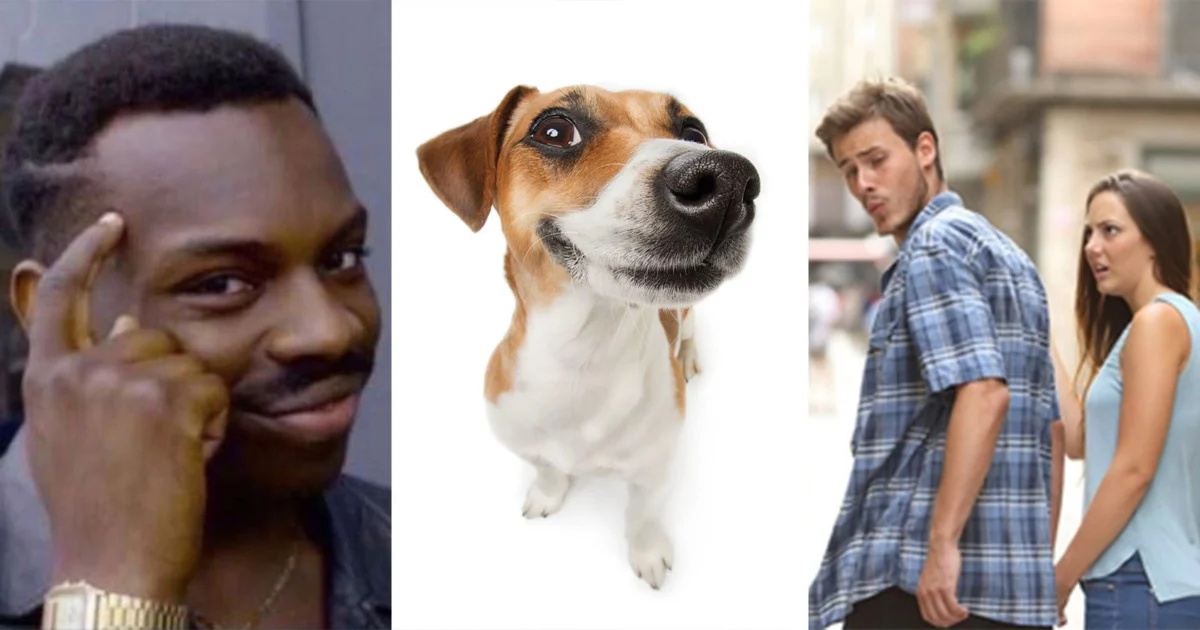
The phenomenon of a photograph transitioning from a commercial stock asset to a global internet meme represents one of the most complex challenges in modern copyright law and digital ownership. For professional photographers, the path to virality often feels like a double-edged sword: while it provides unprecedented exposure for their work, it simultaneously strips away the author’s ability to control, monetize, or even be acknowledged for the imagery. This structural disconnect between creative labor and digital dissemination was brought to the forefront by the experience of Iryna Kalamurza, a Ukrainian photographer who, after fleeing the Russian invasion, discovered that her stock photography of her dog, Maya, had been transformed into the international "Wenomechainsama" and "A A Folou" memes.
The Evolution of the Wenomechainsama Meme
The images in question, which feature a Jack Russell Terrier named Maya looking upward with an expression often interpreted as a "smile," were originally captured as high-quality stock assets. In the digital ecosystem, these images were ingested into the vast pool of internet content, where they were eventually repurposed by users on platforms such as TikTok, Twitter, and Reddit.
The meme itself, "Wenomechainsama," emerged as a phonetic, misheard interpretation of the lyrics to Calvin Harris’s 2011 hit single "Summer"—specifically the line, "When I met you in the summer." The juxtaposition of the dog’s distinct expression with the nonsensical, rhythmic lyrics created a surrealist brand of humor that resonated globally. By mid-2026, the image had become a staple of "shitposting" culture, appearing on concert signs, social media avatars, and in thousands of video edits. For Kalamurza, the transition from professional stock photographer to the source of a digital relic was swift and entirely uncompensated.
Chronology of Digital Appropriation
The lifecycle of this viral content demonstrates a recurring pattern in how digital assets are stripped of their provenance.

- Initial Publication: Kalamurza captures and uploads the professional-grade stock images of Maya to photography platforms.
- The Decontextualization Phase: Users on social media extract the image from its original commercial context. By removing metadata and credit, the image is reduced to a "raw" digital object.
- Viral Saturation: The meme enters the algorithmic loop. Between early 2026 and the present, the image was shared millions of times across disparate platforms, with the original creator’s name effectively scrubbed from the narrative.
- Institutional Recognition: Following the meme’s peak, outlets like "Know Your Meme" and various YouTube explainers began to document the phenomenon, eventually tracing the source back to Kalamurza.
The Legal and Ethical Dilemma of Remix Culture
The core conflict lies in the distinction between "fair use" and "commercial exploitation." In legal terms, memes are often classified as transformative works. By adding new meaning, commentary, or cultural context to a photograph, users argue that they are creating something new, which potentially complicates traditional copyright infringement claims.
However, this "remix culture" rarely addresses the rights of the original artist. For professional photographers, the issue is not merely one of lost licensing fees, but of professional provenance. In the current digital environment, a creator’s portfolio is their primary currency. When an image becomes a meme, it often loses its association with the professional entity that produced it, rendering it "orphan work" in the eyes of the public.
Data and Trends in Digital Infringement
Recent studies into digital asset management suggest that as much as 70% of professional photography published online is subject to some form of unauthorized use within the first 12 months of its lifecycle. For independent photographers, particularly those working in volatile regions or under difficult personal circumstances, the cost of pursuing legal action against anonymous, global infringers is prohibitive.
Industry data indicates that while services exist to track and monetize stolen images, the ROI for individual creators is often negligible. Many photographers find that the time spent filing Digital Millennium Copyright Act (DMCA) takedown notices or engaging IP counsel is time taken away from active production. Consequently, the industry is seeing a shift where established photographers are prioritizing the development of direct-to-client relationships over the pursuit of viral reach.
Strategies for Establishing Provenance
Despite the difficulties, experts argue that photographers can take specific steps to protect their work’s history. Establishing a clear digital footprint is essential. This includes:

- Centralized Repository: Maintaining a personal website that hosts high-resolution versions of work, accompanied by metadata and the "story" behind the image. This serves as the primary source for search engine crawlers.
- Strategic Publication: Placing work with reputable, high-authority news organizations or editorial platforms provides a secondary layer of verification. When a viral image is linked back to a credible news source, it is more difficult for the narrative of "anonymous meme" to stick.
- SEO and AI Optimization: As Large Language Models (LLMs) continue to scrape the web, having clear, authoritative articles tied to specific images helps ensure that AI tools correctly attribute the authorship when queried by users.
The Impact of AI on Future Attribution
The rise of generative AI introduces a new variable. AI crawlers indiscriminately hoover up digital data, often stripping away the copyright information that might have been attached to a file. This creates a feedback loop where the AI "learns" that the image exists but is unable to distinguish between the artist and the user who uploaded it to a meme aggregator. For photographers, this necessitates a move toward more robust, embedded watermarking and blockchain-based provenance tracking, though these technologies remain in their infancy.
Broader Implications for the Photography Industry
The case of Iryna Kalamurza serves as a microcosm for the precarious state of digital creative labor. The democratization of photography has made it easier than ever to create compelling imagery, but it has simultaneously made it easier to lose control of that imagery.
While the prospect of a viral image remains an attractive goal for many, the reality is that virality without a robust framework for attribution often leads to professional displacement. As the industry looks toward the future, the focus is shifting from "how to go viral" to "how to remain relevant." For creators, the priority is no longer just capturing the perfect shot, but ensuring that the connection between the creator and the creation remains unbroken in an increasingly fragmented digital landscape.
Ultimately, the lesson for the creative community is that while the internet may be a powerful engine for discovery, it is a poor custodian of credit. Photographers who succeed in the long term are those who view their digital footprint as a strategic asset, ensuring that even if their work is repurposed, the trail back to the source remains clear and accessible to those who value the creator behind the lens. As the digital landscape continues to evolve, the ability to assert authorship will remain the most critical skill for any professional photographer navigating the age of the meme.

