


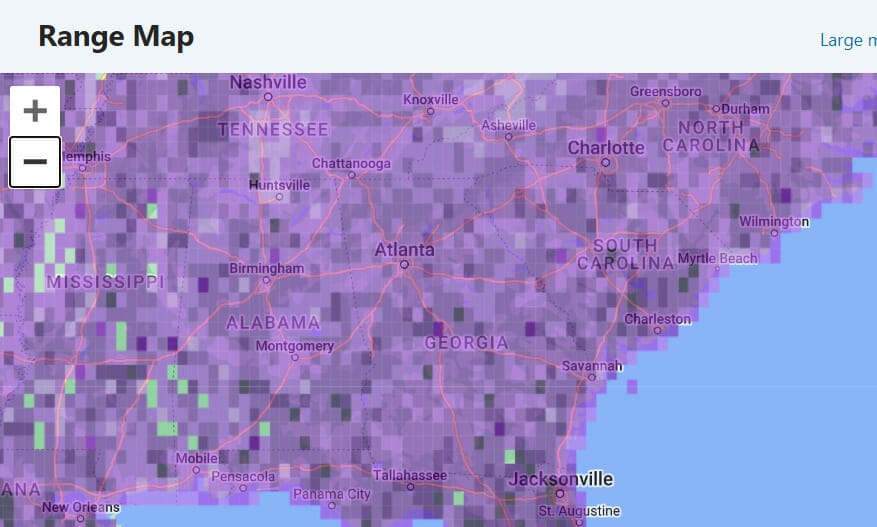
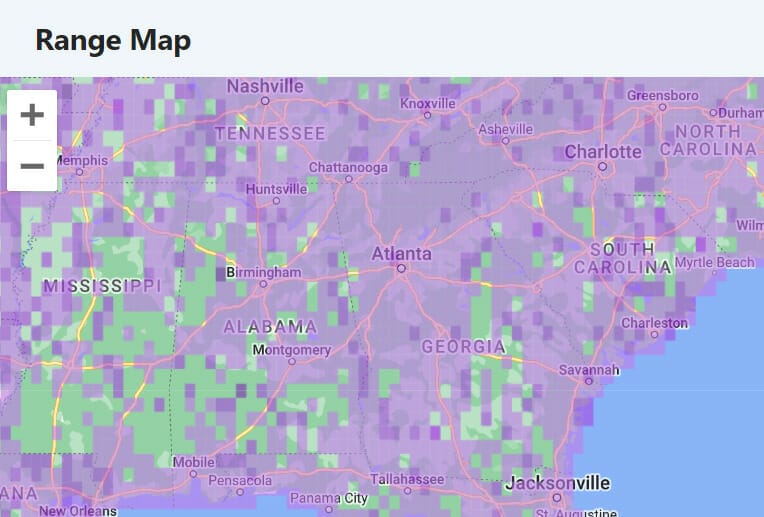
The classification of avian raptors often presents a complex taxonomic challenge for both amateur birdwatchers and professional ornithologists, particularly when distinguishing between the various members of the Accipitridae family found in the state of Georgia. While the term "hawk" is colloquially applied to a wide array of birds of prey, the biological reality involves a intricate hierarchy of subfamilies and genera. Understanding the distinction between the "true hawks" of the Accipitrinae subfamily and the broader Buteo genus is essential for appreciating the biodiversity of the Peach State. Georgia, with its diverse geography ranging from the Appalachian Mountains in the north to the expansive Okefenokee Swamp in the south, provides a critical habitat for a variety of these raptors. Currently, eBird data indicates that while Georgia ranks 32nd nationally in terms of total avian species diversity—with 438 species recorded—the state remains a significant corridor for migratory and resident birds of prey.

Taxonomic Clarification and the Accipitridae Family
To understand the avian population of Georgia, one must first navigate the taxonomy of the order Accipitriformes. This order encompasses most diurnal birds of prey. Within this, the family Accipitridae serves as the primary umbrella, containing hawks, eagles, and kites. The subfamily Accipitrinae is specifically designated for "true hawks," which includes the genera Accipiter, Microspizias, Erythrotriorchis, Megatriorchis, and Circus. However, the common vernacular often includes members of the Buteo genus—frequently referred to as "soaring hawks"—in this group. From a scientific perspective, Buteos are distinct from the smaller, more agile Accipiters, yet for the purpose of ecological reporting and wildlife management, they are analyzed as a cohesive group of raptors. In Georgia, the presence of these species is a vital indicator of ecosystem health, as they occupy the apex of the food chain, regulating populations of rodents, snakes, and smaller avian species.
The Resident and Migratory Landscape of Georgia
The geographical composition of Georgia—comprising approximately 100 miles of coastline, barrier islands, and high-altitude mountainous regions—creates a unique intersection of habitats. The northern Blue Ridge Mountains and the Appalachian Plateau offer nesting grounds for raptors that prefer high-elevation forest canopies, while the southern wetlands serve as crucial stopover points for migratory species. Data from the last decade suggests that the stability of these hawk populations is heavily dependent on the preservation of these varied environments. The transition from the dense, mixed forests of North Georgia to the coastal marshes of the Atlantic facilitates a diverse movement of birds of prey throughout the calendar year.
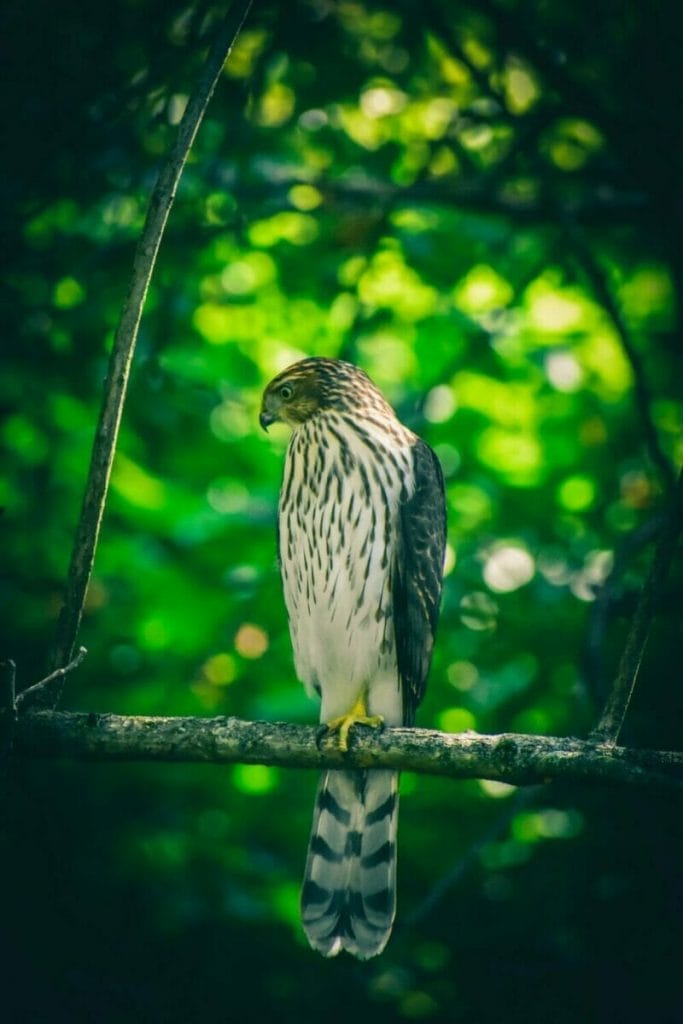
The Buteo Genus: The Soaring Hawks of Georgia
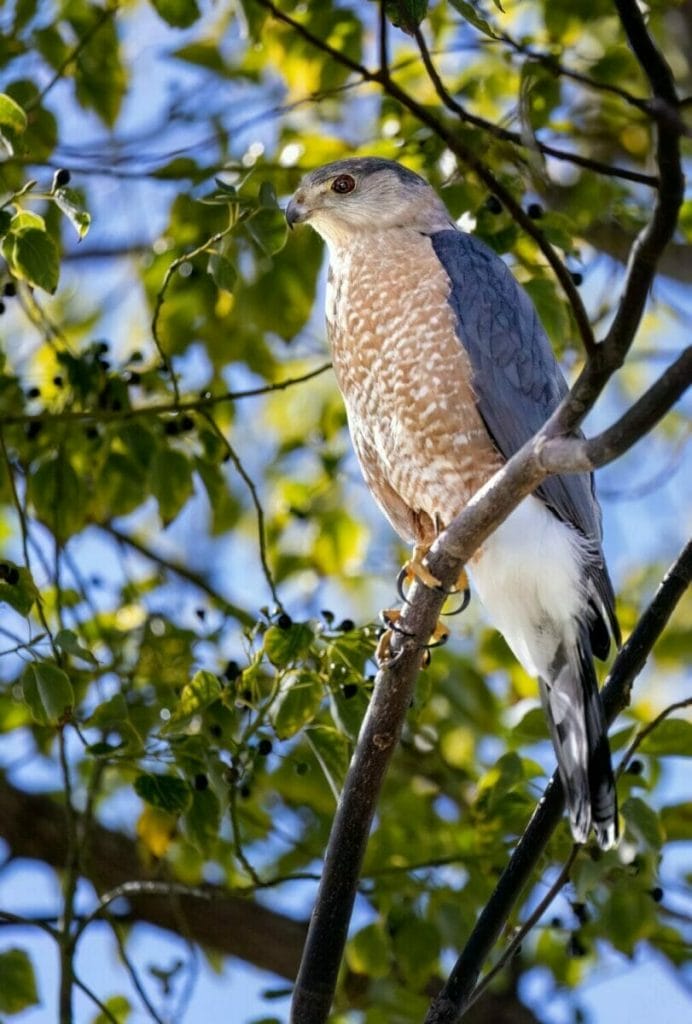
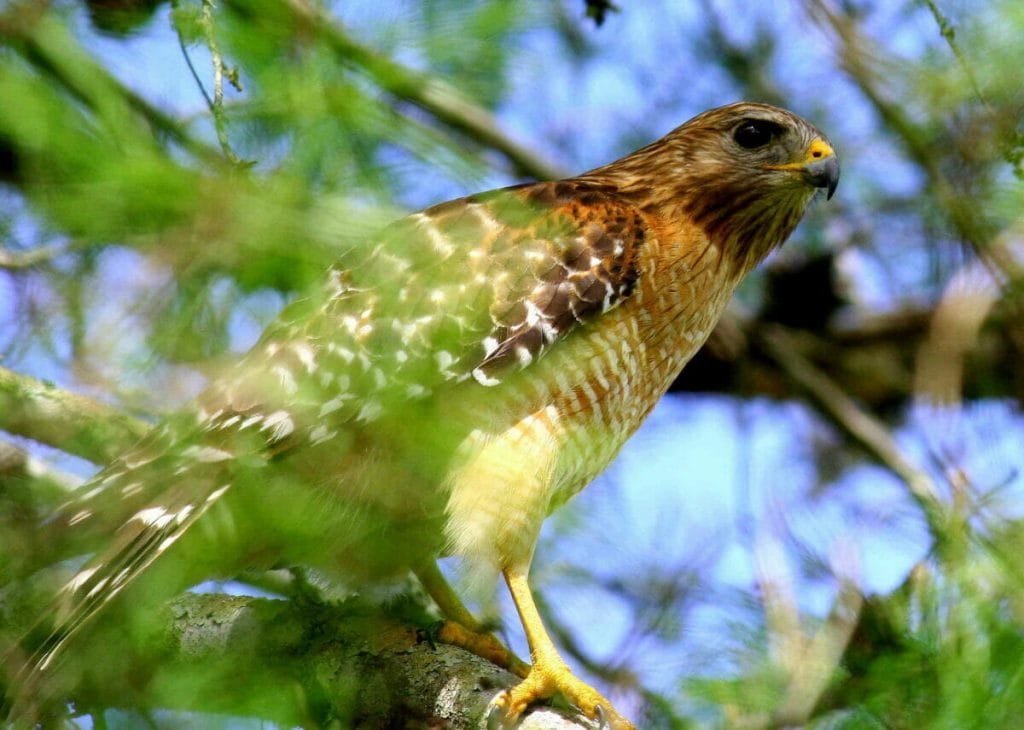
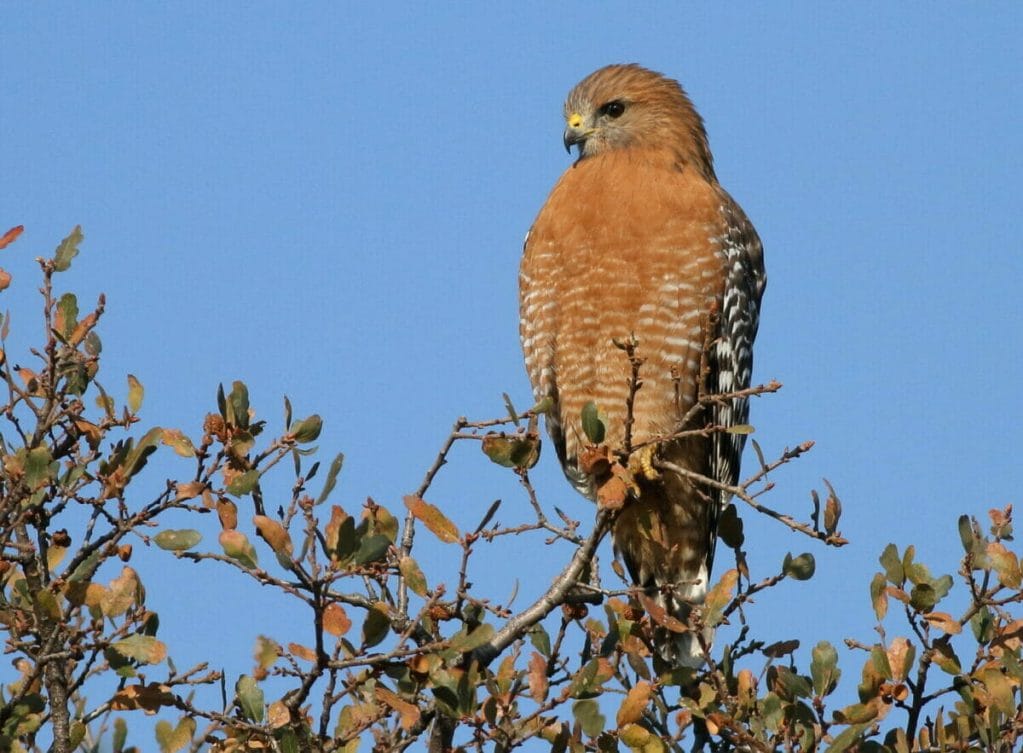
The Red-shouldered Hawk (Buteo lineatus) is a staple of the Georgia landscape. Recognized by its distinctive rufous coloring and black-and-white wing barring, this species is a permanent resident. Its preference for forest environments near water sources makes it an excellent indicator species for wetland health. Scientific monitoring shows that habitat loss in riparian zones directly correlates with fluctuations in Red-shouldered Hawk nesting success.
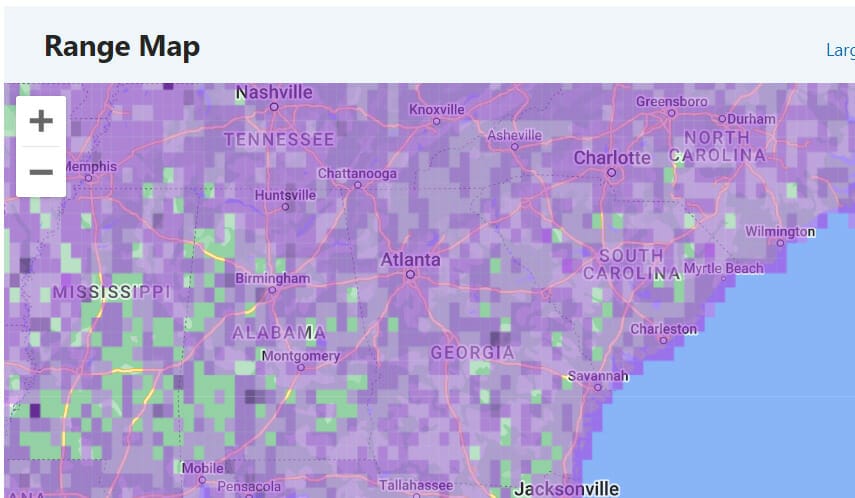
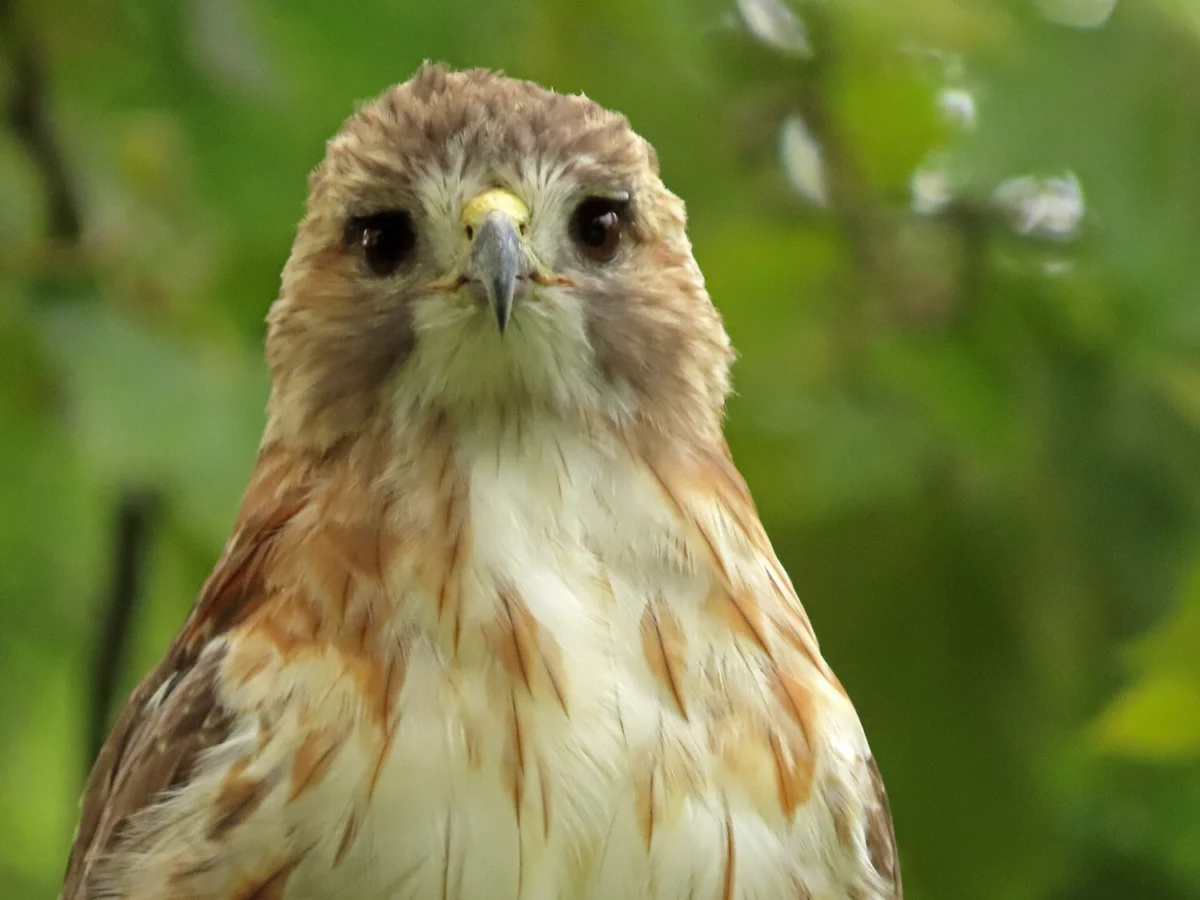
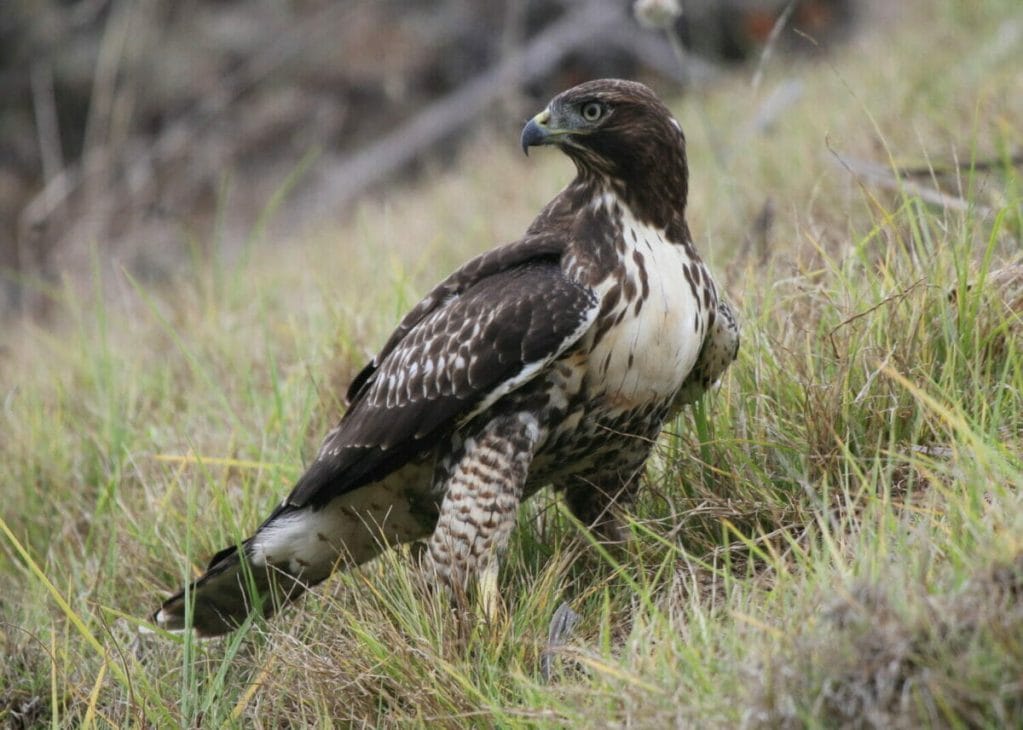
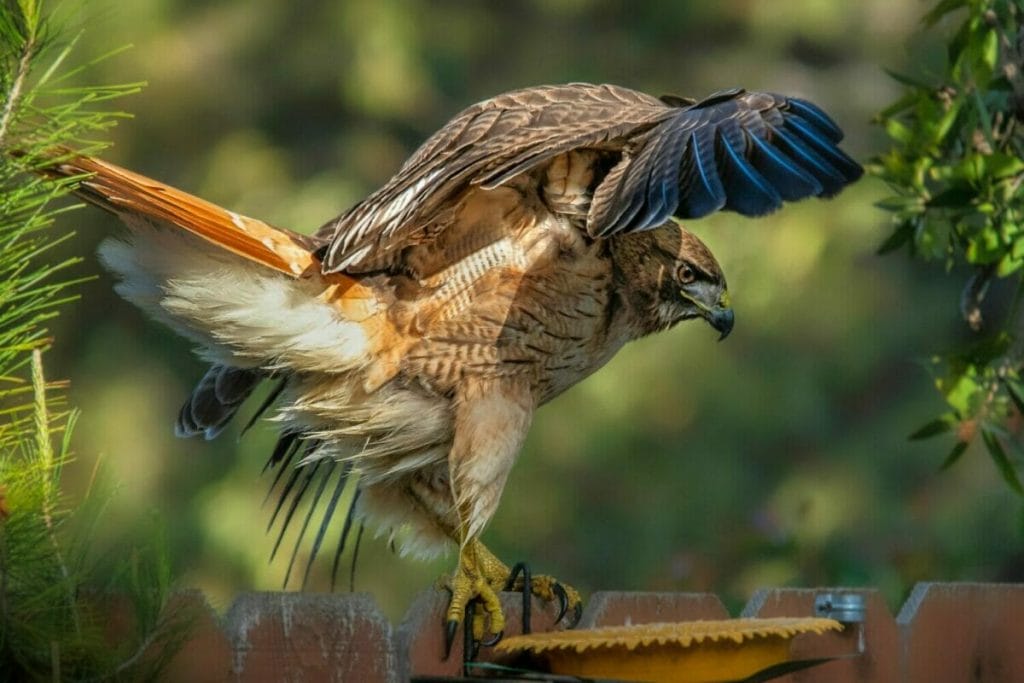
Perhaps the most iconic raptor in North America, the Red-tailed Hawk (Buteo jamaicensis), remains the most widespread resident in Georgia. Frequently observed soaring over open fields and highways, these hawks are opportunistic hunters. Their presence is so ubiquitous that they have become a cultural symbol, with their piercing, shrill call—often dubbed into cinematic productions to signify "wildness"—serving as the quintessential sound of the American wilderness.
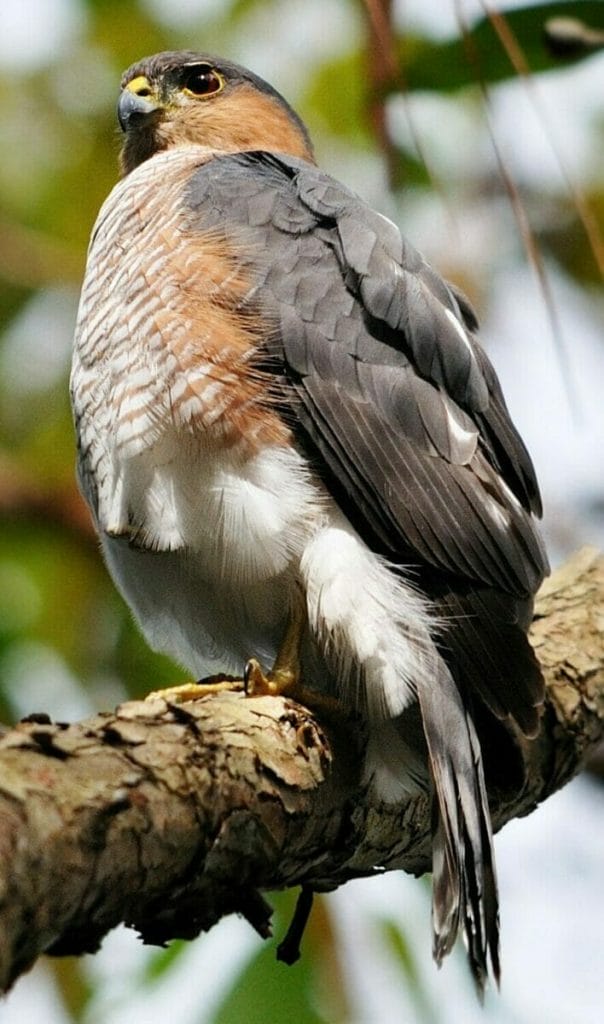
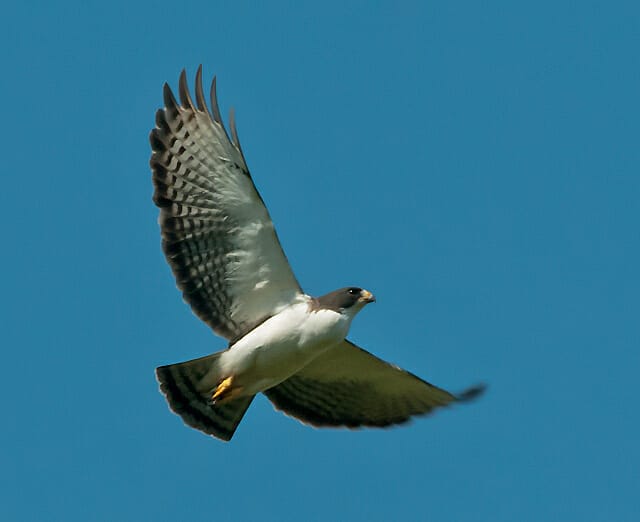
The Broad-winged Hawk (Buteo platypterus) represents a different ecological role as a summer breeding migrant. Unlike their year-round counterparts, these hawks journey to Central and South America for the winter. Their migration is a noted phenomenon, characterized by the formation of "kettles"—large, circling flocks that utilize thermal updrafts to conserve energy. The Short-tailed Hawk (Buteo brachyurus), by contrast, is a rarity in Georgia. Primarily found in Florida, sightings in Georgia are sporadic, with fewer than 15 confirmed records in the eBird database. These sightings generally occur in the southern portion of the state, suggesting that as climate patterns shift, the distribution of this species may expand northward.
The Accipiters: Masters of Agility
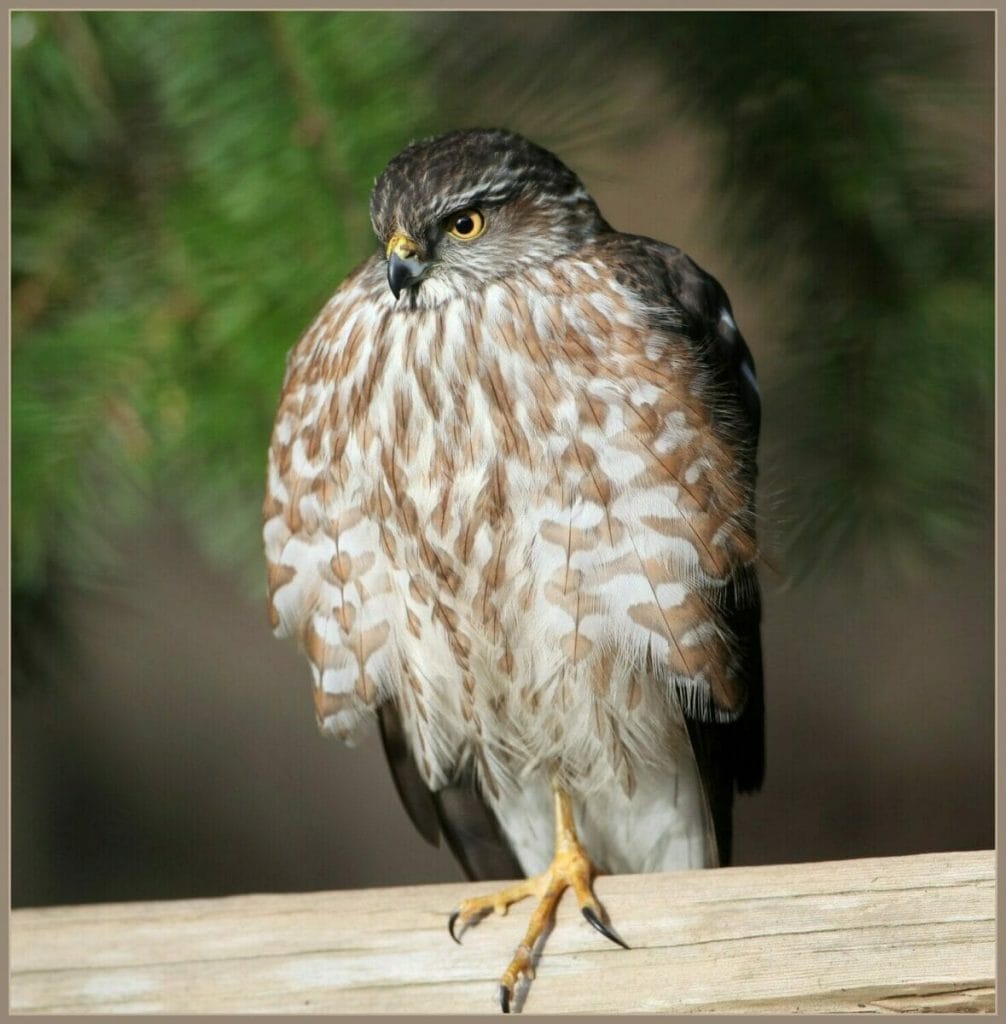
The Accipiter genus, including the Cooper’s Hawk (Accipiter cooperii) and the Sharp-shinned Hawk (Accipiter striatus), contrasts sharply with the soaring Buteos. These birds are built for speed and maneuverability within dense forest canopies. The Cooper’s Hawk is a year-round resident in Georgia, though it is often more elusive than the Red-tailed Hawk due to its habit of staying within the canopy. The Sharp-shinned Hawk is primarily a winter visitor, migrating south from the boreal forests of Canada. Their presence during the colder months in Georgia is critical for the regulation of small songbird populations.
The Northern Goshawk (Accipiter gentilis) remains a subject of intense interest for Georgia birders. As an extremely rare visitor, the species is near the southern limit of its range when it reaches the state’s north-western border. Ornithological reports indicate that sightings are historically significant events, often drawing birding enthusiasts to the region. The Goshawk’s complex nesting strategy, which involves maintaining multiple sites within a territory, highlights the species’ high level of behavioral adaptation.
The Harrier Exception: A Master of the Marsh
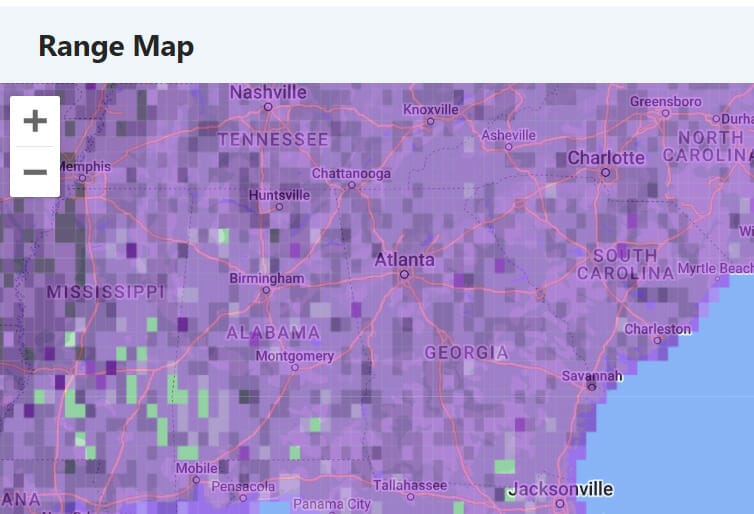
The Northern Harrier (Circus hudsonius) is the sole representative of the Circus genus regularly encountered in Georgia. Unlike the forest-dwelling Accipiters or the soaring Buteos, the Harrier is a bird of open spaces—grasslands, marshes, and agricultural fields. By utilizing a "low-glide" hunting technique, the Harrier relies on acute hearing to locate small mammals beneath the cover of vegetation. Because they occupy the non-breeding range in Georgia during the cooler months, their presence is a transient but essential feature of the state’s winter biodiversity.

Implications for Conservation and Future Monitoring
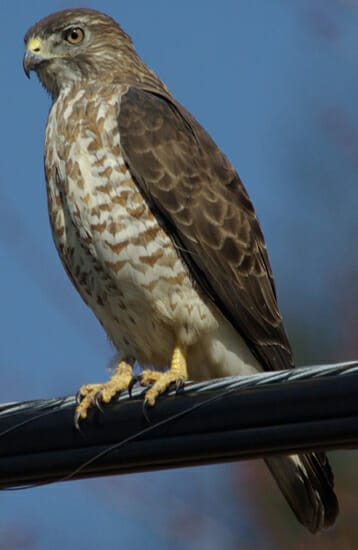
The analysis of these eight species underscores a broader truth about Georgia’s environmental state: the diversity of its raptors is a testament to the preservation of varied land types. However, conservationists emphasize that these species face ongoing challenges. Urban sprawl, the fragmentation of forest interiors, and the use of rodenticides—which can bioaccumulate in raptors—pose significant threats to the long-term viability of these populations.
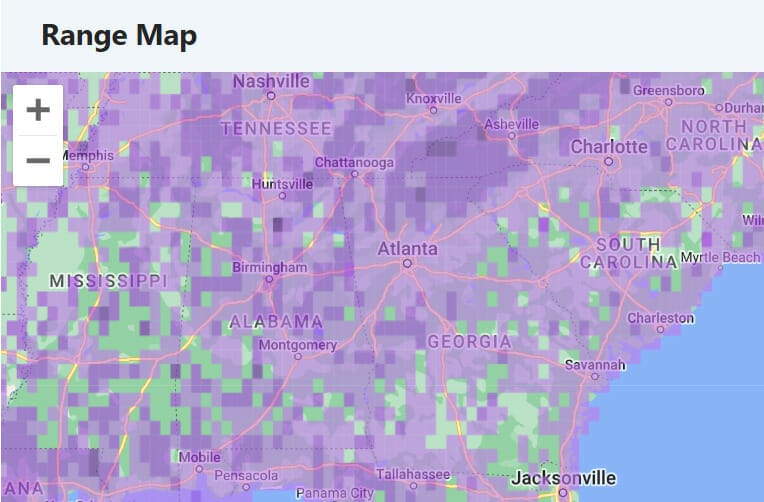
Wildlife experts have consistently noted that public awareness plays a critical role in conservation efforts. When residents understand that the "large bird of prey" they see in their neighborhood is part of a complex, interdependent ecosystem, they are more likely to support land-use policies that protect critical nesting and foraging grounds. Furthermore, the distinction between hawk species and falcons is a frequent point of public confusion. While falcons—such as the Peregrine, Kestrel, and Merlin—are also present in Georgia, they are biologically distinct from hawks, possessing a specialized "tomial tooth" on their beak for dispatching prey, a feature hawks lack.
Broader Context and Conclusion
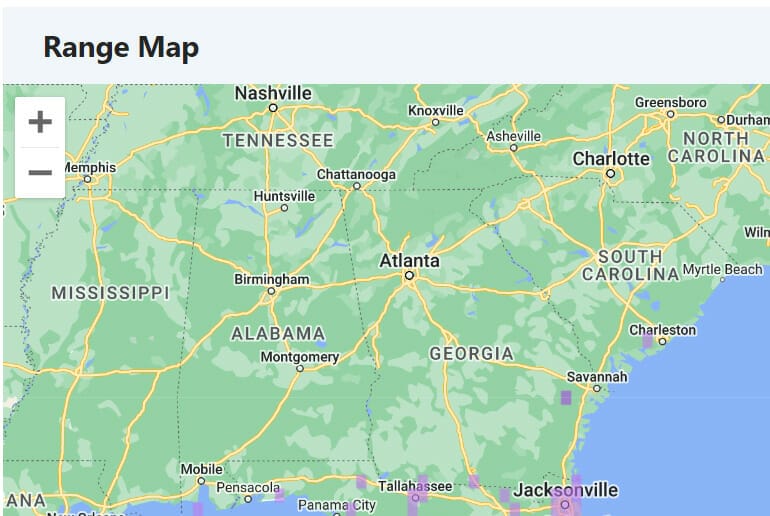
While this summary covers the primary hawk species found in Georgia, the state’s raptor population is even more extensive when including the three resident falcon species and the three eagle species (Bald, Golden, and Osprey) that also frequent the region. The interplay between these predators maintains the ecological balance of the state’s diverse micro-climates. As urbanization continues to expand, the monitoring of these species through community science initiatives, such as the eBird platform, becomes increasingly vital. These data points provide a chronological record of range shifts and population trends, offering an objective look at how Georgia’s wildlife is adapting to a changing landscape.
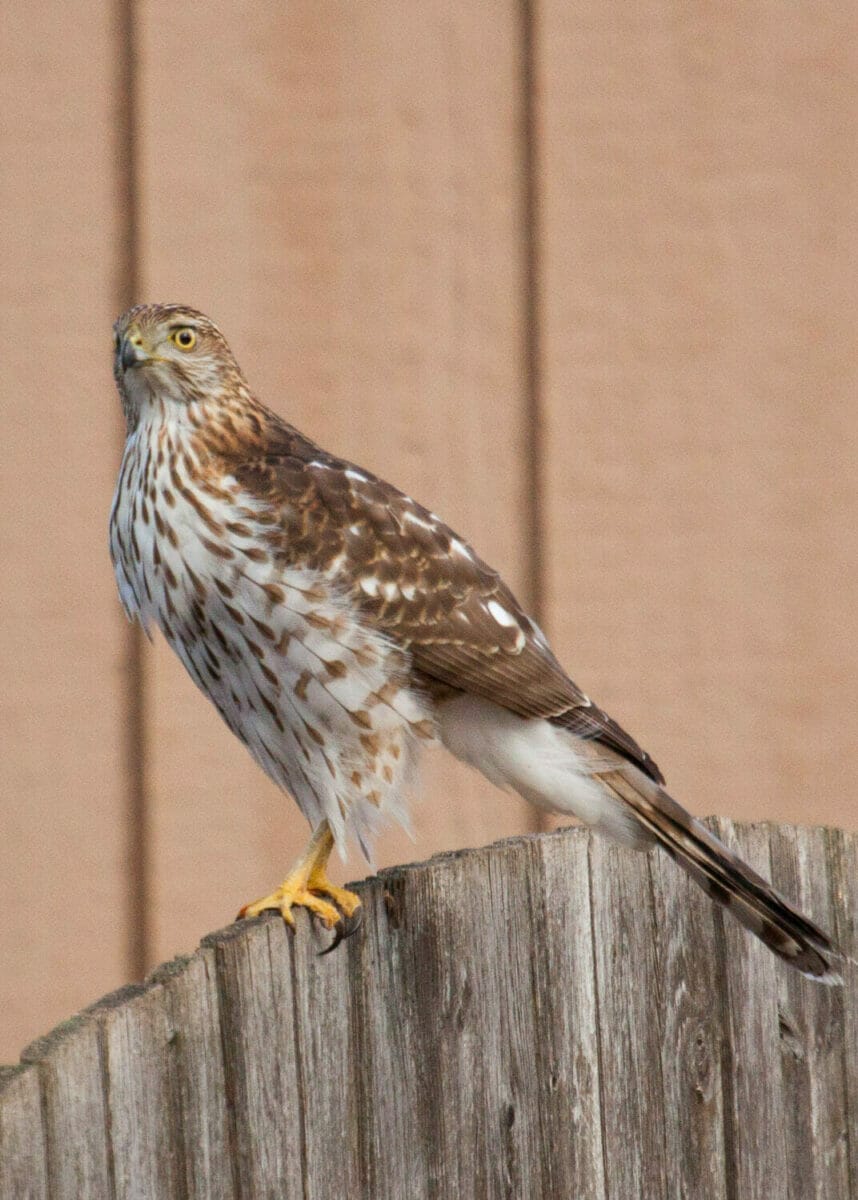
For the general public, the primary takeaway is that the presence of these raptors is a sign of a robust environment. Whether it is the common Red-tailed Hawk perched on a utility pole or the elusive Northern Goshawk making a rare appearance in the mountain forests, these birds represent the apex of a thriving, albeit sensitive, biological network. Protecting these raptors is not merely a matter of birdwatching interest, but a necessary component of responsible environmental stewardship in the 21st century. Through continued research and habitat preservation, the Peach State can ensure that these majestic birds of prey remain a permanent, visible, and vital part of its natural heritage.

