


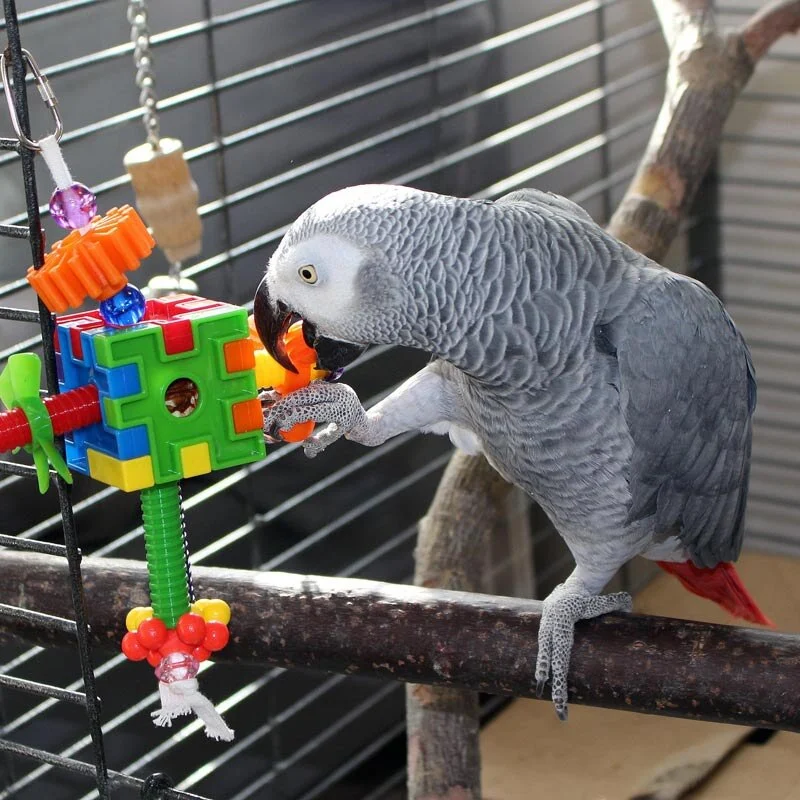
Pet owners and avian enthusiasts are invited to participate in a crucial educational webinar titled "Zookeeper Notes: Enriching the Whole Parrot," scheduled for Friday, May 29, 2026, at 12:00 p.m. PST. This event aims to provide comprehensive insights into enhancing the physical and psychological well-being of pet parrots through targeted enrichment strategies. Attendees are encouraged to utilize the provided time zone converter to ensure accurate local timing for participation in this significant online gathering.
The Speaker’s Profile: Michiko Berceau’s Extensive Expertise
Leading this essential discussion will be Michiko Berceau, a highly credentialed professional in the field of animal care. Ms. Berceau brings an impressive eighteen years of experience spanning wildlife, zoo, and exotic animal care, underscoring her deep practical knowledge and commitment to animal welfare. Her qualifications include being a Certified Veterinary Technician (CVT), which signifies a rigorous academic and practical training in veterinary medicine, enabling her to provide crucial support in animal health and medical procedures. Furthermore, she holds a Bachelor of Applied Science (BAS) in Veterinary Technology, solidifying her theoretical foundation in the discipline.
Beyond her veterinary technical skills, Ms. Berceau is also a Certified Wildlife Rehabilitator (CWR), a specialization that highlights her expertise in the care and rehabilitation of injured, orphaned, or sick wild animals with the goal of releasing them back into their natural habitats. Her particular focus within this area is native wildlife rehabilitation, demonstrating a profound understanding of local ecosystems and the specific needs of indigenous species. This dual expertise in both domestic and wild animals provides a unique perspective on the fundamental needs of parrots, often bridging the gap between their natural instincts and captive environments.
Adding another layer to her distinguished profile, Ms. Berceau has accumulated over 400 hours of continuing education, a testament to her dedication to staying abreast of the latest advancements and best practices in animal care. This ongoing professional development ensures that her knowledge base is current and comprehensive. Crucially, she is also permitted to rehabilitate species protected under the Migratory Bird Treaty Act (MBTA). The MBTA is a landmark environmental law enacted in 1918 in the United States, designed to protect migratory birds by making it illegal to hunt, capture, kill, or sell them without a valid permit. Her authorization under this act speaks to her specialized skills and adherence to strict regulatory guidelines governing the care of sensitive avian populations. Ms. Berceau’s multifaceted background makes her an exceptionally qualified authority to guide participants through the complexities of holistic parrot enrichment.
Delving into Avian Enrichment: A Holistic Approach
The webinar, "Zookeeper Notes: Enriching the Whole Parrot," promises a comprehensive exploration of a parrot’s complete existence, encompassing its "mind, beak, feet, eyes, and ears." This holistic perspective emphasizes that true avian wellbeing extends far beyond basic provisions of food, water, and shelter. Instead, it necessitates a thoughtfully designed environment that stimulates every aspect of the bird’s natural behaviors and senses. The session will focus on practical enrichment strategies and activities tailored to engage all parts of a parrot, addressing four critical categories of needs: cognitive, sensory, manipulative, and social. The ultimate goal is to foster a more meaningful and positive state of avian wellbeing for parrots within family settings, transforming their captive experience from mere survival to thriving.
Cognitive Stimulation: Engaging the Parrot Mind
Parrots are renowned for their intelligence, often compared to that of a human toddler. In the wild, their cognitive abilities are constantly challenged through foraging for diverse food sources, navigating complex environments, avoiding predators, and intricate social interactions. In a captive setting, without adequate mental stimulation, these highly intelligent birds can quickly develop behavioral problems such as feather plucking, screaming, aggression, or apathy.
Cognitive enrichment, therefore, is paramount. This includes providing puzzle toys that require problem-solving to access treats, teaching new tricks or behaviors through positive reinforcement, and rotating toys regularly to prevent boredom and maintain novelty. Engaging a parrot in training sessions not only provides mental exercise but also strengthens the bond between the bird and its owner. Introducing novel objects, changing cage layouts, and offering opportunities for choice and control within their environment are all vital components. Studies on avian cognition have shown that parrots possess advanced abilities in areas such as tool use, numerical comprehension, and even theory of mind, underscoring the necessity of providing outlets for these sophisticated mental capacities. Without consistent cognitive challenges, parrots can experience significant psychological distress, manifesting in stress-related behaviors that are detrimental to their health and the owner’s experience.
Sensory Exploration: A World of Sights, Sounds, and Textures
Parrots experience the world through a rich tapestry of sensory input, far more nuanced than often appreciated by humans. Their acute eyesight, sensitivity to various light spectrums, and complex auditory processing play critical roles in their natural environment. Sensory enrichment aims to replicate this diverse sensory landscape within a home setting.
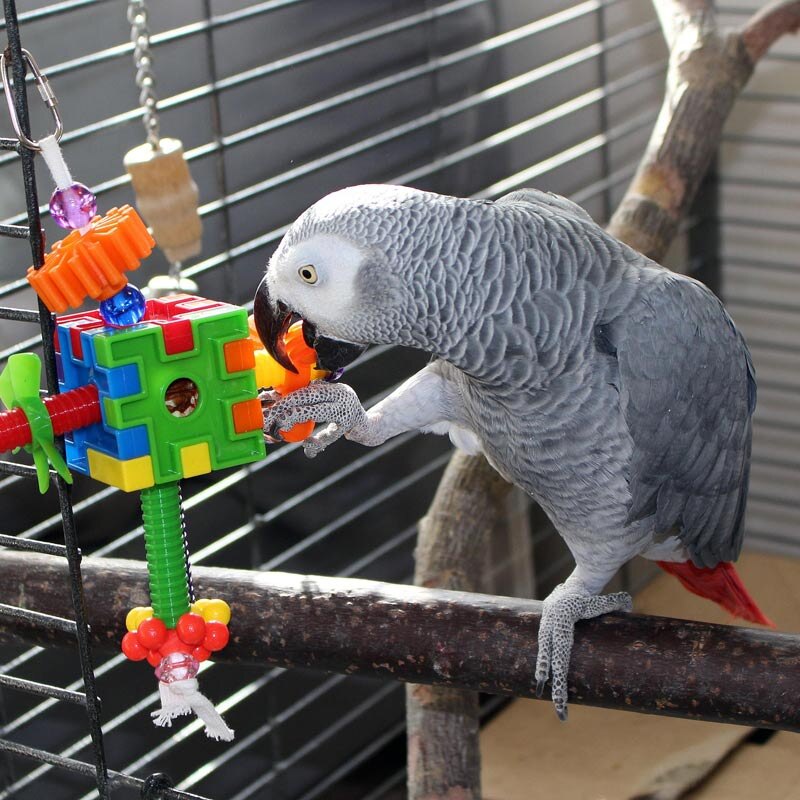
Visual enrichment can include strategically placing the cage to allow views of outdoor activity (while ensuring safety), providing varied colors and shapes in toys, and even offering supervised access to "bird TV" programs featuring nature scenes or other birds. Auditory enrichment involves playing a variety of sounds, such as classical music, nature sounds, or even specific bird calls (if appropriate and not stress-inducing). However, it’s crucial to avoid constant loud noise, which can be detrimental. Olfactory enrichment, while less commonly discussed for birds, can be subtly introduced through natural branches, non-toxic plants, or even food items with distinct aromas. Tactile enrichment is provided through a range of textures in toys, perches made from natural branches of varying diameters, and opportunities for the bird to manipulate different materials with its beak and feet. Offering items like shredded paper, cardboard, or safe wood allows birds to engage in natural shredding and chewing behaviors, which are both physically and mentally satisfying. The absence of diverse sensory input can lead to a dull, monotonous existence for a parrot, potentially resulting in sensory deprivation and related behavioral issues.
Manipulative Challenges: Fostering Natural Behaviors
In their natural habitats, parrots spend a significant portion of their day foraging, climbing, and manipulating objects to survive. Their powerful beaks and agile feet are exquisitely adapted for these tasks. Manipulative enrichment directly addresses these inherent needs, allowing parrots to use their natural tools and skills.
This category includes foraging toys that require the bird to work for its food, mimicking the natural process of finding and extracting seeds, nuts, and fruits. These can range from simple paper bags filled with treats to complex acrylic puzzles. Providing branches and ropes for climbing, swinging, and perching at varying heights encourages physical activity and strengthens their feet and legs. Shredding toys made from paper, wood, or cardboard satisfy their instinct to chew and destroy, which is a vital part of beak maintenance and mental release. Offering safe, destructible items prevents birds from turning to less desirable behaviors, such as destroying household items or their own feathers. The importance of variety cannot be overstated; rotating manipulative toys and introducing new challenges regularly keeps parrots engaged and prevents them from becoming bored or habituated to their environment. A lack of manipulative outlets can lead to overgrown beaks, poor physical condition, and frustration, often manifesting as destructive behavior or feather plucking.
Social Interaction: Building Bonds and Preventing Isolation
Parrots are inherently social creatures, forming complex bonds within their flocks in the wild. In a home environment, the human family often becomes their surrogate flock. Social enrichment is critical for their emotional wellbeing and involves consistent, positive interaction with their human companions.
This includes daily dedicated time for interaction, such as talking, playing, cuddling (if the bird enjoys it), and training sessions. Allowing the parrot to be part of family activities in a safe manner, such as during meal times or while watching television, can fulfill their need for companionship. If a single parrot is kept, the responsibility for providing adequate social interaction falls entirely on the owner. For those with demanding schedules, considering a compatible pair of birds, if feasible and well-researched, can provide companionship for the birds themselves, though this does not negate the need for human interaction. The consequences of social deprivation in parrots are severe, often leading to deep-seated psychological issues such as chronic screaming, aggression, self-mutilation (like feather plucking), and severe depression. Michiko Berceau’s emphasis on "enriching the whole parrot" strongly underscores the necessity of addressing these profound social needs to ensure a truly positive state of avian wellbeing.
The Broader Context: Advancing Avian Welfare Education
The "Zookeeper Notes: Enriching the Whole Parrot" webinar arrives at a time when awareness surrounding responsible pet ownership, particularly for exotic animals, is gaining significant momentum. Parrots, with their long lifespans (many species living 50-80 years) and complex needs, often outlive their initial owners or are rehomed multiple times due to owners being unprepared for the commitment. An estimated 14.8 million birds are kept as pets in the United States, representing a significant segment of the pet industry. However, a notable percentage of these birds suffer from inadequate care stemming from a lack of understanding of their specific psychological and physical requirements. Behavioral problems are a leading cause of relinquishment to rescue organizations, with feather plucking alone affecting up to 10-15% of captive parrots, often due to stress, boredom, or lack of stimulation.
This educational initiative by Lafeber aligns with a growing movement within the animal welfare community to provide accessible, expert-led resources for pet owners. The focus on proactive enrichment rather than reactive problem-solving is a cornerstone of modern animal husbandry. By empowering owners with knowledge directly from a professional with zoo and wildlife experience, the webinar aims to elevate the standard of care for parrots in homes across the globe. This proactive approach helps prevent common issues before they arise, contributing to healthier, happier birds and more fulfilling relationships for their human companions.

The Role of Lafeber: A Legacy in Avian Health
Lafeber Company, known for its commitment to advancing avian health and nutrition, is the driving force behind this educational webinar. With a long-standing history rooted in veterinary science and a dedication to the wellbeing of birds, Lafeber has consistently invested in research, product development, and educational initiatives aimed at improving the lives of pet birds. Their mission extends beyond providing high-quality diets to fostering a holistic understanding of avian care, which includes environmental enrichment, behavioral management, and preventative health strategies.
By sponsoring webinars featuring experts like Michiko Berceau, Lafeber reinforces its role as a leader in avian education. This commitment is particularly vital in the exotic pet market, where specialized knowledge is often less accessible than for traditional companion animals. Their ongoing efforts to disseminate professional insights directly to parrot owners underscore their belief that informed pet ownership is foundational to animal welfare. This webinar is part of a broader series of educational offerings designed to support the avian community, reflecting Lafeber’s ethos of comprehensive care.
Implications for Responsible Parrot Ownership
The insights provided during the "Zookeeper Notes" webinar carry significant implications for current and prospective parrot owners. Firstly, it elevates the understanding of what constitutes responsible parrot ownership beyond basic feeding and caging, emphasizing the intricate psychological and behavioral needs of these intelligent birds. For existing owners, the practical strategies shared by Michiko Berceau offer immediate, actionable steps to enhance their bird’s environment, potentially mitigating existing behavioral issues and fostering a stronger human-animal bond.
Secondly, the event underscores the importance of continuous learning in pet care. The pet industry, particularly for exotic animals, is constantly evolving with new research and best practices. Participation in such webinars ensures owners remain informed and can adapt their care strategies to meet the most current welfare standards. Thirdly, by focusing on preventative enrichment, the webinar indirectly addresses the societal issue of animal relinquishment and welfare concerns for captive parrots. Birds that are adequately stimulated and engaged are less likely to develop problematic behaviors that often lead to rehoming.
Finally, the webinar highlights the value of cross-pollination of knowledge between professional animal care (zoos, rehabilitation centers) and home pet ownership. Zookeepers and wildlife rehabilitators often employ sophisticated enrichment programs for their animals, and translating these "zookeeper notes" into actionable advice for home environments is a powerful way to improve captive avian welfare on a broader scale. The long-term impact of such educational initiatives is a more informed pet-owning public, leading to healthier, happier parrots and a more sustainable future for avian companionship.
To secure a place in this highly anticipated educational event, interested individuals are strongly encouraged to register promptly. The registration link is available on the official event page.

