


A Chronology of the Xtra Muse 2 Pro Launch
The narrative of the Xtra Muse 2 Pro began in May 2026, when Xtra initiated an aggressive marketing campaign centered on the "100 Creators" program. The company solicited submissions from photographers and videographers via Instagram, specifically targeting individuals with a demonstrated "eye for mood, light, and style." The goal was to build momentum for a late July 2026 U.S. launch.
By June 2026, the first cohort of creators had been selected, and the anticipation for the product was high. The device was positioned as a premium, pocketable solution for solo vloggers, offering a 1-inch CMOS sensor and a secondary telephoto lens—a rarity in the crowded gimbal-camera market. However, the trajectory of the launch shifted abruptly in July. Xtra halted its Early Bird pre-order program, which had required a $20 refundable deposit, and began processing refunds for prospective customers. No new launch date has been provided by the company, leaving the device in a state of limbo regarding its official U.S. retail debut.
Regulatory Scrutiny and FCC Involvement
The delay of the Muse 2 Pro is not an isolated incident but rather a symptom of heightened regulatory scrutiny directed at Xtra. The Federal Communications Commission (FCC) has been conducting an investigation into the company, focused on allegations regarding the importation and marketing of technologies that may infringe upon or replicate restricted equipment.
In July 2026, this regulatory pressure culminated in a proposed $25,000 forfeiture against Xtra. Furthermore, the FCC has proposed a formal prohibition on the continued importation and marketing of specific equipment from Xtra and several other manufacturers. This action is part of a broader federal initiative aimed at tightening the oversight of electronics imported into the U.S. market, particularly those that integrate components or software architectures associated with companies already under trade restrictions.
It is critical to note that this is an ongoing regulatory process. The FCC’s proposed actions do not equate to a blanket ban on all Xtra products; the company continues to sell and support its legacy lineup in the United States. However, the lack of an equipment authorization for the Muse 2 Pro—despite it receiving a standard authorization in June 2026—has created a legal and logistical deadlock that prevents its commercial release. The company maintains that it is in active communication with federal authorities to resolve these issues, though the timeline for such a resolution remains opaque.
Technical Capabilities and Market Positioning
The Xtra Muse 2 Pro is technically engineered to bridge the gap between high-end smartphones and professional mirrorless camera systems. Its primary hardware feature is a 1-inch CMOS sensor, which offers significant advantages in light-gathering capability and dynamic range compared to the smaller sensors typically utilized in action cameras.
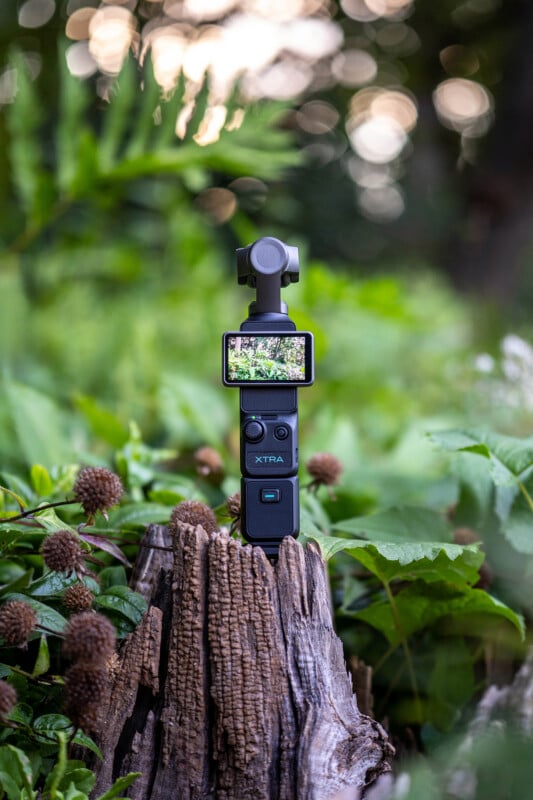
The device’s dual-lens system—a 20mm-equivalent wide-angle lens paired with a 60mm-equivalent telephoto lens—provides a level of creative flexibility rarely found in such a compact form factor. The 3-axis mechanical gimbal provides stabilization that is fundamentally different from the digital or electronic stabilization used by smartphones. For creators, this hardware-level stabilization minimizes the "warping" effect often seen in software-stabilized footage, resulting in a cleaner, more cinematic look.
Furthermore, the Muse 2 Pro supports 10-bit X-Log 3 recording, which allows for advanced color grading in post-production. With a claimed dynamic range of up to 17 stops, the camera is designed to handle high-contrast lighting scenarios that would typically challenge smaller sensors. The integration of 103GB of internal storage ensures that users can capture high-bitrate 4K video at 240 frames per second without an immediate reliance on external memory cards.
Comparative Analysis: The "DJI Effect"
Industry analysts have noted that the Muse 2 Pro shares a similar design philosophy and feature set with current market leaders in the pocket-gimbal category, most notably DJI’s latest iterations. These structural and functional similarities are the core of the FCC’s inquiry. When a new device enters the market with a feature set that closely mirrors that of a sanctioned or restricted product, it invites rigorous investigation into whether protected intellectual property or hardware components have been utilized without proper authorization.
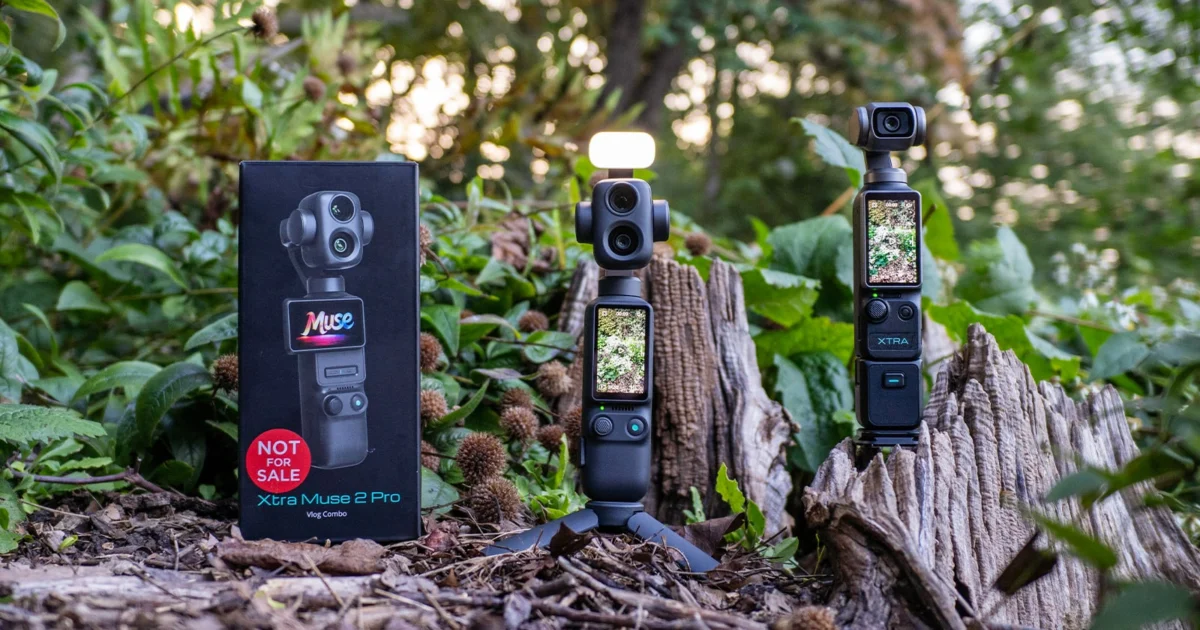
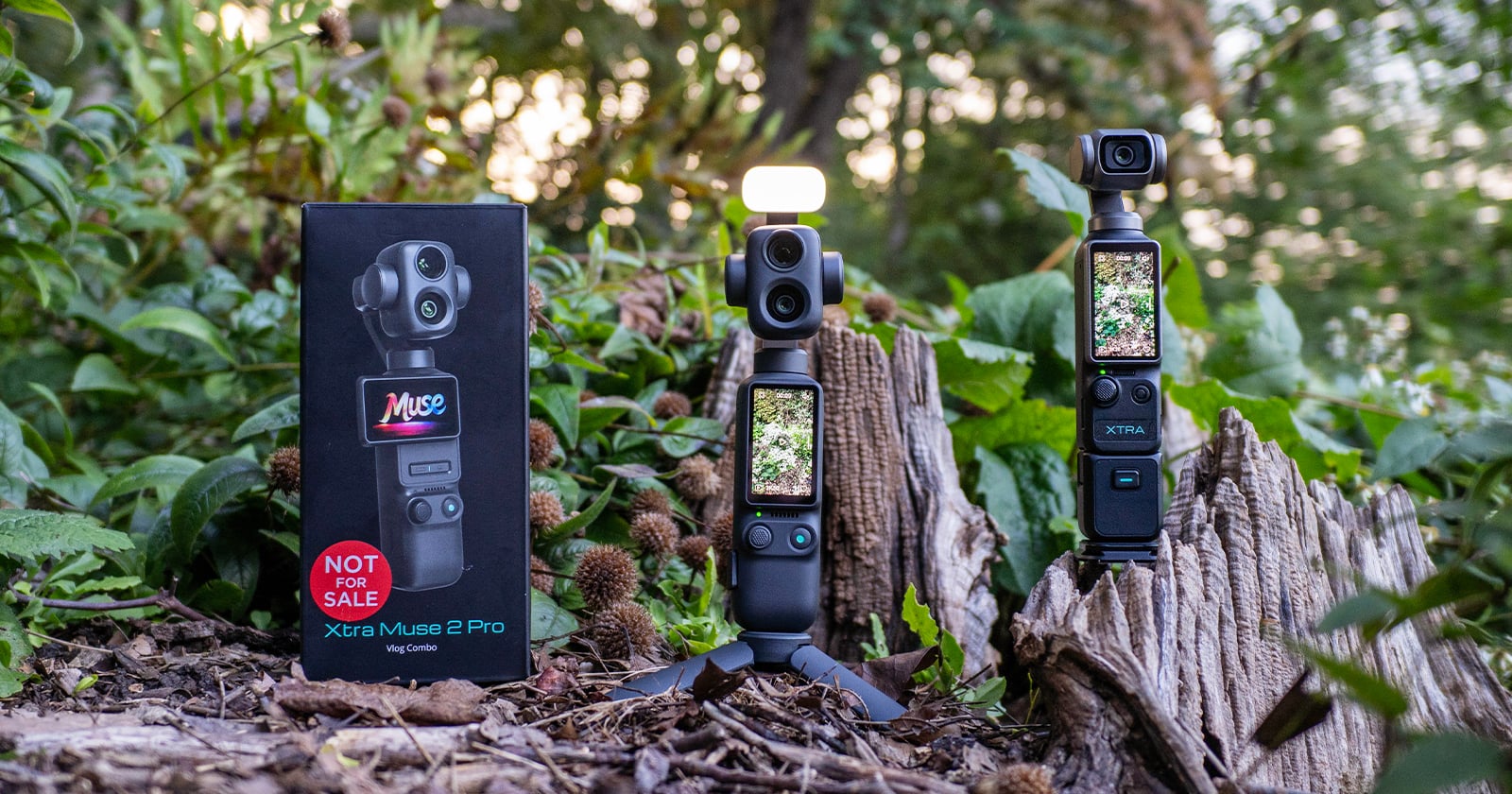
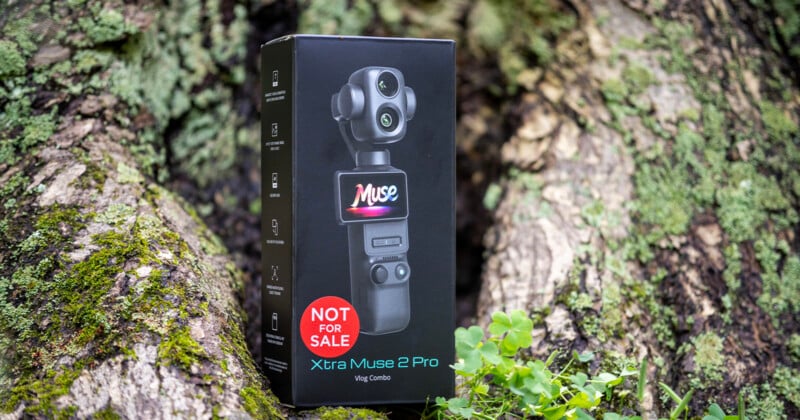
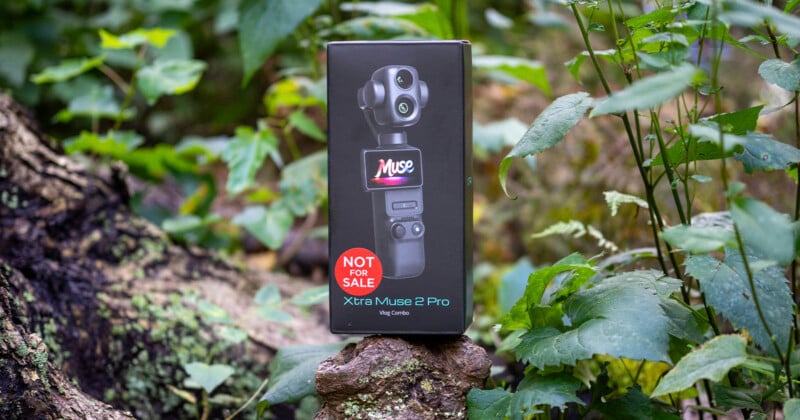
For the user, this means the device feels familiar, yet its presence in the U.S. remains an anomaly. While early adopters within the creator program have been able to field-test the unit, the lack of a formal distribution channel means that the device cannot be benchmarked against standard retail availability. The "NOT FOR SALE" sticker on current review units serves as a physical reminder of this regulatory standstill.
Implications for the Future of Portable Cinematography
The case of the Xtra Muse 2 Pro underscores a growing trend in the consumer electronics sector: the move toward highly specialized, professional-grade tools for individual content creators. The demand for equipment that provides "studio-quality" output in a pocket-sized package is at an all-time high.

However, as these devices become more sophisticated, they are also becoming subject to more complex international trade and safety regulations. For solo creators who rely on small-form-factor cameras for travel, behind-the-scenes content, and documentary-style vlogging, the Muse 2 Pro represents a missed opportunity for hardware innovation to reach the broader American market.
Field tests conducted by recipients of the creator program indicate that the device performs exceptionally well in low-light conditions, with natural bokeh that rivals larger mirrorless systems. Its autofocus tracking—which allows the gimbal to follow a subject as they move through a scene—enables a level of autonomy that was previously impossible for a solo creator without the use of a dedicated camera operator.

Conclusion and Outlook
The Xtra Muse 2 Pro occupies a paradoxical space in the current market. It is a highly capable, well-engineered piece of technology that has proven its efficacy in the hands of creative professionals, yet it remains inaccessible to the general public due to the ongoing regulatory standoff between Xtra and the FCC.
As the company continues its dialogue with federal authorities, the status of the Muse 2 Pro will remain a focal point for those interested in the future of compact imaging. For now, the few units in circulation are restricted to the select group of "Aesthetic Masters" who were vetted by the manufacturer. Whether the company can navigate the regulatory hurdles required to initiate a full-scale U.S. launch remains a critical question, one that will likely dictate the future viability of the Muse product line in one of the world’s largest consumer markets. For the average enthusiast, the device remains an example of high-end hardware caught in the gears of international trade compliance, leaving the industry to wait for a resolution that could either open the gates for the Muse 2 Pro or permanently exile it from the U.S. landscape.

