



Fujifilm has officially unveiled the Instax Pal 2, a significant evolution of its ultra-compact digital camera line that trades the unconventional aesthetic of its predecessor for a design language deeply rooted in classic analog photography. This launch marks a pivotal shift for the company’s "Instax-in-name-only" digital category, signaling a strategic effort to better align its digital offerings with the retro-chic expectations of the modern photography enthusiast. The new model, which arrives three years after the debut of the original Instax Pal, incorporates hardware improvements and expanded creative functionality aimed at bridging the gap between digital convenience and the tactile joy of instant photography.
A Chronology of the Instax Pal Evolution
The history of the Instax Pal series is relatively brief but reflects a rapid iteration process within Fujifilm’s consumer imaging division. In September 2023, Fujifilm introduced the original Instax Pal, a device that broke from the company’s traditional reliance on physical film-in-camera technology. Unlike the iconic Instax Mini or Square series, which produce physical prints on the spot, the original Pal was a purely digital "image capture" device. It was characterized by its peculiar, circular design and its reliance on external devices—either a smartphone app or a separate Instax printer—to manifest a physical image.
The market reception to the 2023 model was, by the company’s own admission, polarized. While the device was lauded by some as a novel "go-anywhere" companion for social outings and content creation, others were confused by its form factor and the disconnect between the digital capture process and the analog expectations associated with the Instax brand.
Following the release, Fujifilm engaged in a comprehensive feedback collection phase, analyzing how users interacted with the device in real-world settings. This data-driven approach led to the development of the Instax Pal 2, which retains the core "digital-first" philosophy of the original but rebrands it under a more familiar, heritage-inspired visual identity. By shifting from a circular, abstract form to a "squat," miniaturized film camera aesthetic, Fujifilm is clearly attempting to lower the barrier to entry for consumers who find the modern digital aesthetic cold or unapproachable.
Design and Technical Specifications
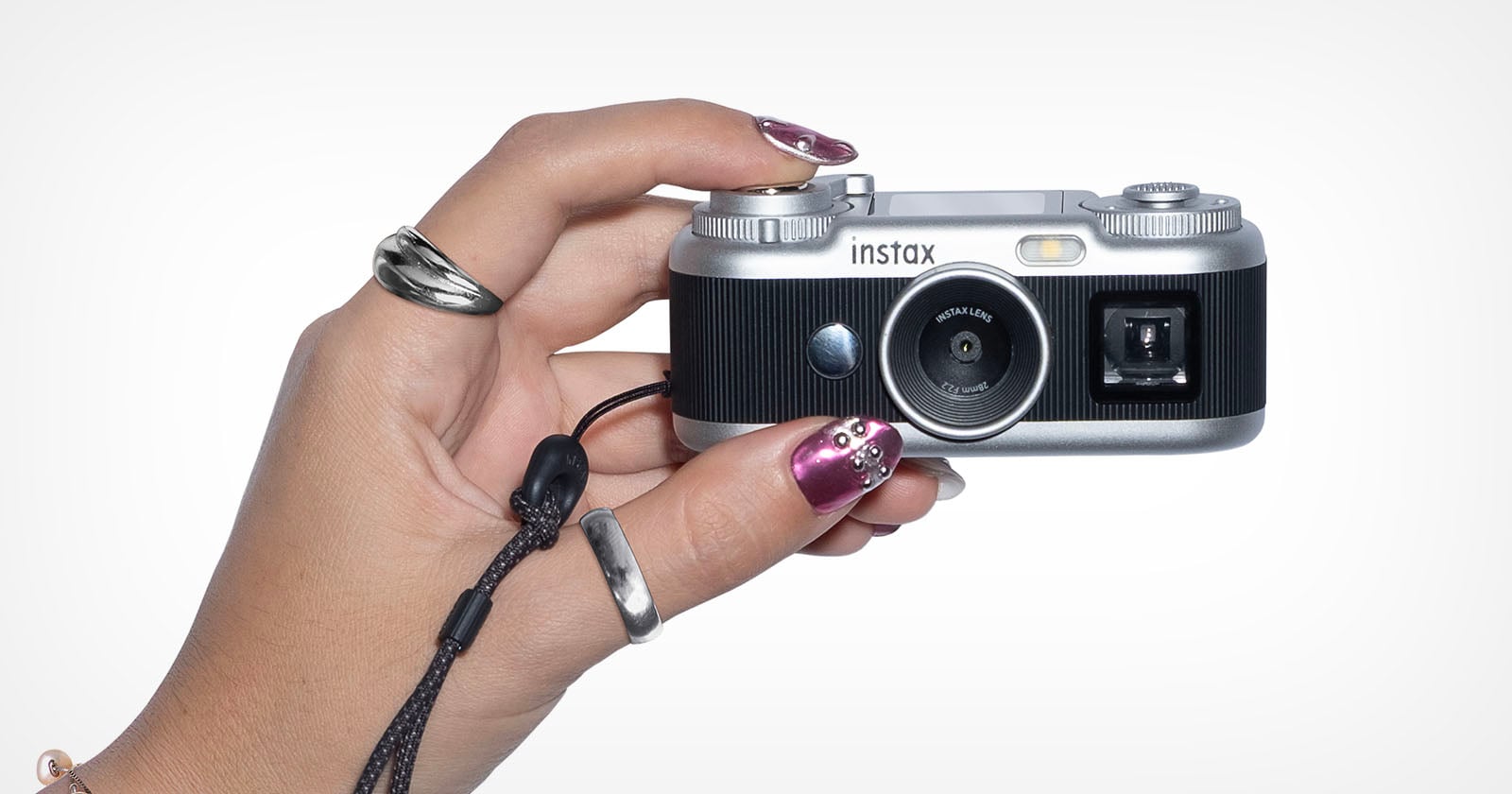
The most striking departure from the original Pal is the physical construction. The Pal 2 features a boxy, compact chassis that mimics the silhouette of vintage point-and-shoot cameras. A significant technical upgrade is the inclusion of a built-in optical viewfinder. This addition is a critical design choice, as it encourages the user to engage with the subject in a traditional manner, rather than relying exclusively on a screen-based interface.
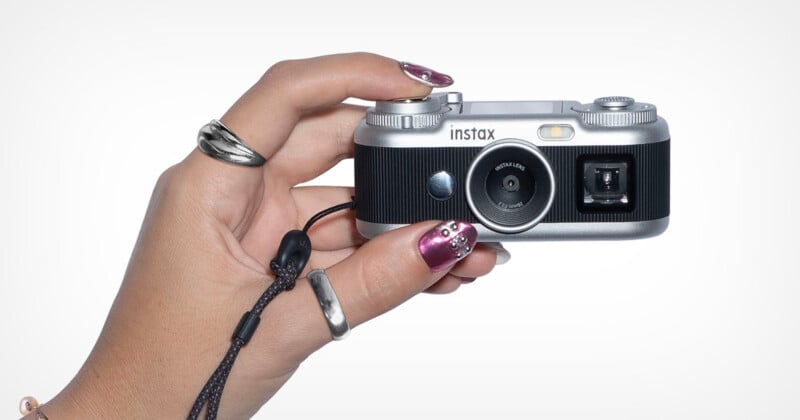
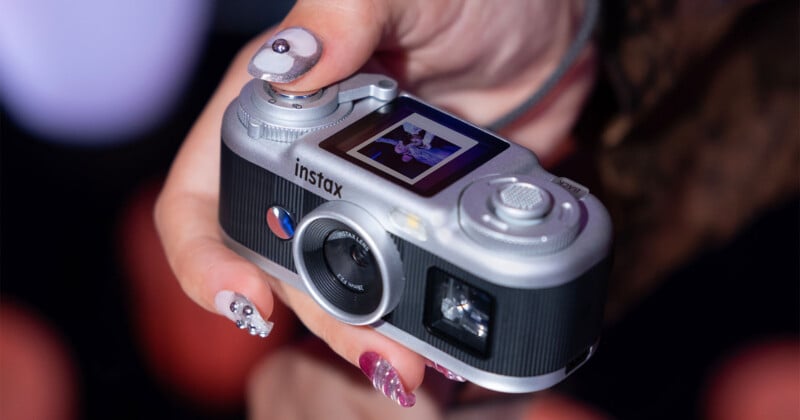
The top of the camera houses a dedicated status screen for framing, paired with a prominent, tactile shutter release that mimics the mechanical feel of a traditional camera. Beyond the physical build, Fujifilm has introduced a suite of new creative tools. The standout feature is the "Animation" mode, which captures a burst of 10 frames and compiles them into a flipbook-style digital file. This feature is clearly designed to appeal to social media platforms that prioritize short-form, dynamic content.
In terms of connectivity, the device continues to interface with the dedicated Instax Pal mobile application. Through a Bluetooth connection, the app serves as a remote shutter, a transfer hub for high-speed image migration, and an interface for printing to any of Fujifilm’s wireless Instax printers. For users who prefer a standalone workflow, the camera includes an integrated microSD card slot, allowing for offline storage and manual file management. Furthermore, the Pal 2 offers expanded versatility regarding aspect ratios, allowing users to select between Instax Mini, Square, Wide, and non-bordered formats directly from the device.
Strategic Market Positioning and Industry Context
The release of the Instax Pal 2 comes at a time when the "analog revival" continues to dominate the consumer camera market. Data from the Camera & Imaging Products Association (CIPA) and internal industry reports have consistently shown that while sales of professional-grade interchangeable lens cameras have stabilized, the market for instant photography and "retro-styled" digital cameras has seen robust year-over-year growth.

Fujifilm’s decision to position the Pal 2 as a hybrid device—capable of outputting both digital files for social media and physical prints for legacy collections—is a calculated move to capture a wider demographic. By allowing users to apply digital filters, text, and stickers via the smartphone app, the camera serves as a bridge for younger demographics who are accustomed to digital editing but are increasingly seeking the physical finality of a printed photo.
Industry analysts suggest that this strategy effectively insulates Fujifilm against the volatility of the film supply chain. While physical film manufacturing is subject to rising raw material costs and complex chemical processing requirements, a digital camera with an optional printing workflow offers higher margins and lower environmental impact, providing a sustainable pathway for the brand’s long-term growth.
Official Statements and Corporate Vision
Addressing the transition from the first-generation model to the current iteration, Bing Liem, division president of the Imaging Division at Fujifilm North America Corporation, acknowledged the challenges faced during the initial rollout. "When we introduced the original Pal in 2024 [sic], some consumers weren’t sure what to make of it," Liem noted. He emphasized that the company’s R&D process for the Pal 2 was heavily informed by the "extensive customer feedback" gathered over the last two years.
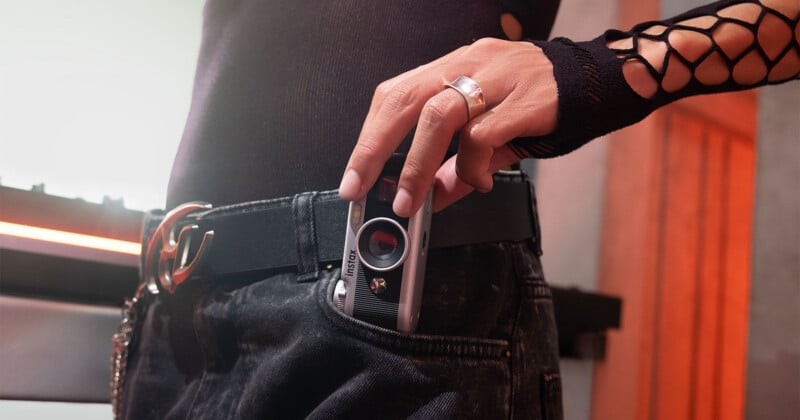
Liem highlighted that the design objective was to create a device that felt more "at home" in the hands of a traditional photographer while maintaining the modern, digital utility that a younger generation demands. "With its new look, reminiscent of a classic analog camera… and the ability to send or post images digitally or print images via our smartphone printers, the Pal 2 puts options in the palm of your hand," Liem stated. This sentiment underscores a transition from a product that was experimental to one that is now refined for specific, identified user workflows.
Broader Implications for the Instant Photography Market
The launch of the Pal 2 is expected to have a ripple effect on the accessory and printer market. By standardizing the integration with both the Instax printer ecosystem and the hybrid Evo series, Fujifilm is reinforcing its "ecosystem-first" approach. This makes the Pal 2 not just a standalone purchase, but a potential entry point for customers who may eventually upgrade to higher-end hybrid cameras.
Moreover, the move away from the "weird" circular design of the original Pal to a more traditional, miniaturized form factor suggests a broader trend in the industry: the "gamification" of photography. Consumers are increasingly treating cameras as lifestyle accessories rather than mere tools. By offering the Pal 2 in multiple colorways (black and white) and emphasizing the "fun" aspects of the device, such as the flipbook animation mode, Fujifilm is betting on the camera’s ability to serve as a social centerpiece at events.
Pricing and Market Availability
The Fujifilm Instax Pal 2 is slated for a release later this month, with a suggested retail price of $169.95 in the United States and $219.99 CAD in the Canadian market. This pricing tier places it firmly in the "affordable luxury" category of consumer electronics, positioning it as an attractive option for holiday gifting and entry-level photography enthusiasts.
As the retail availability window opens, consumers will be able to procure the device through major electronics retailers, such as B&H Photo Video, as well as via the secondary market through platforms like KEH.com, which is increasingly stocking newer hybrid digital models alongside traditional film cameras.
In summary, the Instax Pal 2 represents a maturation of a product line that was once considered an outlier. By blending the convenience of digital storage and smartphone connectivity with the aesthetic appeal of a classic analog camera, Fujifilm has created a product that addresses the primary criticisms of its predecessor. Whether the market responds as favorably to the refined hardware as the company anticipates remains to be seen, but the Pal 2 stands as a clear indicator of Fujifilm’s commitment to keeping the "Instax" experience relevant in an increasingly digital-native world.

