


As Hispanic Heritage Month is observed annually from September 15 through October 15, organizations and communities reflect upon the vast cultural contributions, shared histories, and ongoing social justice movements driven by Hispanic and Latino populations worldwide. Within the broader advocacy landscape, PETA Latino utilizes this commemorative period to spotlight critical advancements in animal welfare, acknowledging the grassroots activists, legal teams, and prominent public figures who have propelled the movement forward. The year 2026 has proven to be a watershed moment for animal rights across Latin America, marked by decisive legislative shifts, high-profile judicial suspensions of animal testing, large-scale public demonstrations, and major campaigns led by influential Latin American celebrities.
Landmark Legal and Legislative Victories Against Bullfighting
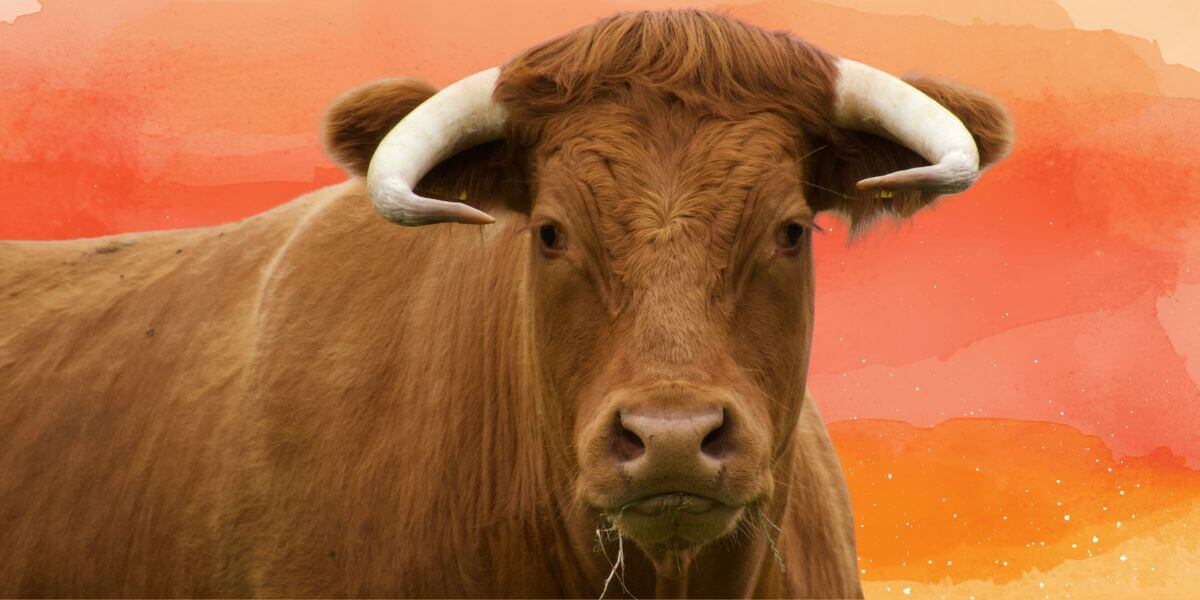
The campaign to dismantle the tradition of bullfighting achieved unprecedented momentum in 2026, combining grassroots mobilization with strategic litigation. Historically regarded in certain regions as a protected cultural spectacle, bullfighting has increasingly faced legal challenges regarding animal cruelty, public safety, and evolving societal ethics.
In Tijuana, municipal authorities enacted a permanent ban on bullfighting following sustained pressure from animal protection organizations. After a three-year hiatus that threatened to reintroduce the bloody events to the city, Mayor Abdiel Gutierrez initially intervened to halt a scheduled return. Subsequent legal advocacy led by PETA Latino, in collaboration with Abogados Animalistas México and local councilwoman Magaly Ronquillo, culminated in the formal repeal of the Regulation of Bullfighting Shows. This legislative action effectively outlawed bullfighting within the municipality, establishing a significant legal precedent for urban centers across Mexico.
Concurrently, the state of Yucatán experienced major judicial interventions. Coordinated legal actions supported by PETA Latino and Animal Heroes successfully petitioned a federal court to issue definitive suspensions against the use of weapons, physical devices, and practices that inflict pain on bulls during scheduled events. By mid-2026, courts had secured seven definitive suspensions across seven distinct Yucatecan cities. These legal halts rendered the traditional execution of bullfights impossible in those jurisdictions, directly sparing the lives of numerous animals and signaling a profound shift in regional jurisprudence regarding animal sentience and protection.

Halting Cruel Animal Experimentation in Academic Institutions
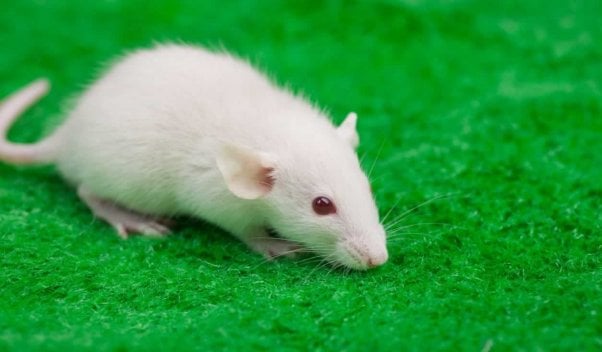
Beyond public spectacles, animal welfare organizations intensified their scrutiny of institutional laboratory testing. A significant legal victory was realized when a federal judge suspended the forced swim test at the Benemérita Universidad Autónoma de Puebla (BUAP) in Mexico. The legal challenge, spearheaded by PETA Latino alongside the Movimiento Animalista de Puebla, targeted a standard behavioral despair test in which small mammals—specifically mice and rats—are dropped into inescapable cylinders of water to monitor their endurance and drowning avoidance behaviors.
Critics and scientific experts have increasingly questioned the psychological validity and translational value of the forced swim test in modeling human depression or anxiety, arguing that the methodology induces extreme distress without yielding reliable clinical insights. The judicial suspension at BUAP reflects a growing legal appetite in Latin America to scrutinize and halt archaic scientific methodologies in favor of advanced, non-animal testing alternatives.
Addressing Overpopulation and Marine Mammal Captivity
In tandem with legislative and judicial battles, frontline animal welfare initiatives expanded across Mexico and Puerto Rico throughout 2026. Recognizing that municipal animal homelessness and stray overpopulation stem primarily from unmanaged reproduction, PETA Latino-supported clinics facilitated hundreds of free spay and neuter surgeries. Public health experts note that targeted sterilization programs remain the most humane and economically viable method for controlling stray animal populations, thereby reducing systemic neglect, vehicular trauma, and the euthanasia rates of unwanted companion animals.
Marine conservation also occupied a prominent role in the 2026 advocacy calendar, specifically surrounding World Dolphin Day on April 14. PETA Latino launched extensive public awareness campaigns targeting the entertainment industry’s use of captive cetaceans. Collaborating with regional influencers, the organization directed petitions toward authorities in Quintana Roo, urging the establishment of the state’s first specialized seaside sanctuary. Environmental scientists and marine biologists have long advocated for sea-pen sanctuaries as a rehabilitation alternative for captive dolphins, providing a semi-natural marine environment that contrasts sharply with the chlorinated, confined concrete tanks characteristic of commercial marine parks.

Public Demonstrations and Cultural Interventions
Strategic public demonstrations served as a vital mechanism for engaging the public and pressuring corporate and governmental entities throughout the year. The arrival of international sporting and cultural events provided high-visibility platforms for messaging. During the World Cup festivities in Mexico, PETA Latino deployed dual-target demonstrations. In Mexico City, activists—joined by celebrity supporter Sofía Sisniega—promoted plant-based nutrition and sustainable lifestyles to international visitors. Simultaneously, in Guadalajara, demonstrators staged rallies demanding that Mayor Verónica Delgadillo terminate municipal allowances for bullfighting, framing the blood sport as incompatible with modern civic values.
Corporate accountability campaigns also gained traction. In Mexico City, PETA Latino activists staged a dramatic demonstration outside the flagship H&M retail store on Madero Street. Protestors wore theatrical injuries and carried simulated carcasses of slaughtered lambs to draw consumer attention to the ethical implications of the commercial wool industry. The action aimed to educate shoppers about the standard industrial practices associated with shearing—such as rough handling, mulesing, and premature slaughter—challenging fast-fashion retailers to adopt cruelty-free, sustainable textile alternatives.

Celebrity Advocacy and Media Campaigns
Cultural figures and prominent artists from the Spanish-speaking entertainment industry leveraged their considerable digital footprints to amplify animal rights messaging throughout 2026, utilizing print, digital, and video mediums to reach millions of followers.
Andrea Meza, the 2020 Miss Universe titleholder, partnered with PETA Latino for a high-profile public service campaign centered around nutritional ethics. Appearing within a stylized advertisement featuring the slogan "Beauty Begins on Your Plate. Go Vegan!", Meza emphasized the interconnectedness of personal health, ecological sustainability, and ethical consumption, encouraging audiences to transition toward plant-based diets.

In the realm of performing arts, telenovela star Ariadne Díaz—known for her work in Papás por Conveniencia—fronted a multimedia campaign inspired by Munro Leaf’s classic children’s literature character, Ferdinand the Bull. The campaign utilized the narrative of a peaceful bull who rejects violence to draw a direct parallel against modern bullfighting, urging viewers to reject blood sports and embrace empathetic coexistence with wildlife.
Internationally renowned actor and PETA honorary board member Kate del Castillo lent her voice to a campaign addressing the illegal and commercial trade of wild birds. Highlighting the psychological and physical tolls of captivity, del Castillo’s public service announcement asserted that "every caged bird is a stolen life," detailing the trauma birds experience when harvested from natural habitats or mass-bred for the pet trade.
Addressing marine park confinement from a visceral perspective, Latin Grammy Award-winning singer Chiquis partook in an evocative visual campaign ahead of Boycott SeaWorld Day on July 24. Posing as a distressed mermaid confined inside an ordinary household bathtub, the artist symbolized the extreme spatial deprivation experienced by orcas and dolphins forced to live out their lives in minimal commercial enclosures.

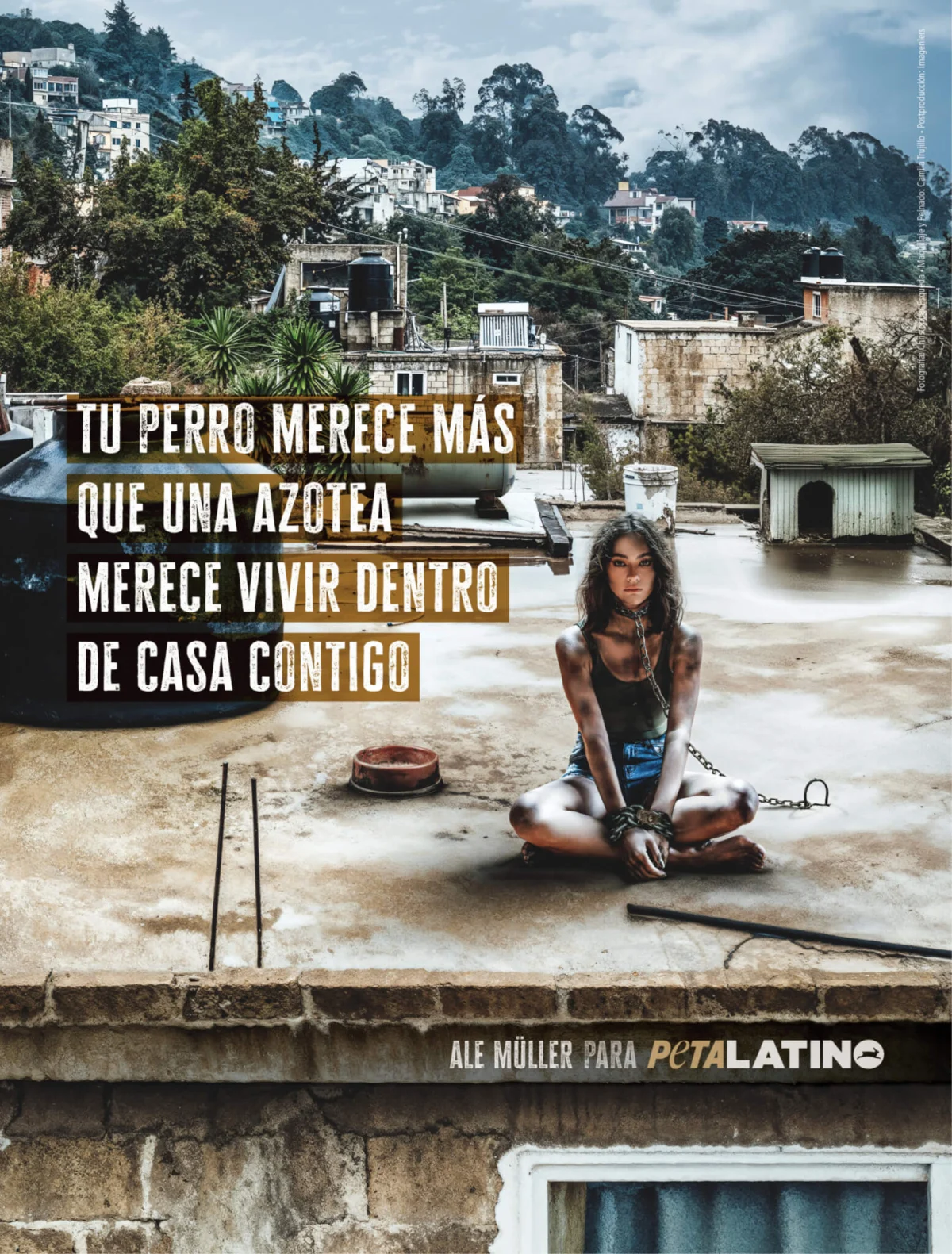
Concluding the roster of prominent artistic collaborations, actor Ale Müller—recognized for her roles in Diseñando tu amor and La CQ—participated in an unflinching campaign addressing the neglected welfare of domestic dogs. Pictured dirty, distressed, and tethered by the neck to a barren rooftop, Müller’s imagery challenged the common practice of chaining dogs outdoors, reinforcing veterinary and behavioral consensus that companion animals require integration into household family life to ensure psychological and physical well-being.
Broader Societal Implications and Future Outlook
The cumulative achievements of PETA Latino and its coalition partners in 2026 reflect a broader, generational shift in Latin America regarding legal personhood, ethical consumption, and institutional accountability toward non-human animals. As judicial bodies increasingly entertain constitutional and administrative challenges against traditional practices like bullfighting and mandatory laboratory testing, the legal landscape is slowly adapting to modern scientific understandings of animal sentience.

Observers note that while significant legislative resistance remains in deeply entrenched sectors, the combination of targeted litigation, corporate disruption, and high-visibility cultural messaging has fundamentally altered public discourse. Organizations like PETA Latino continue to utilize digital organizing tools, such as direct messaging networks and mobile communities, to mobilize civic participation instantly, ensuring that grassroots supporters remain integral to the ongoing evolution of animal rights law and advocacy across the Spanish-speaking world.

