


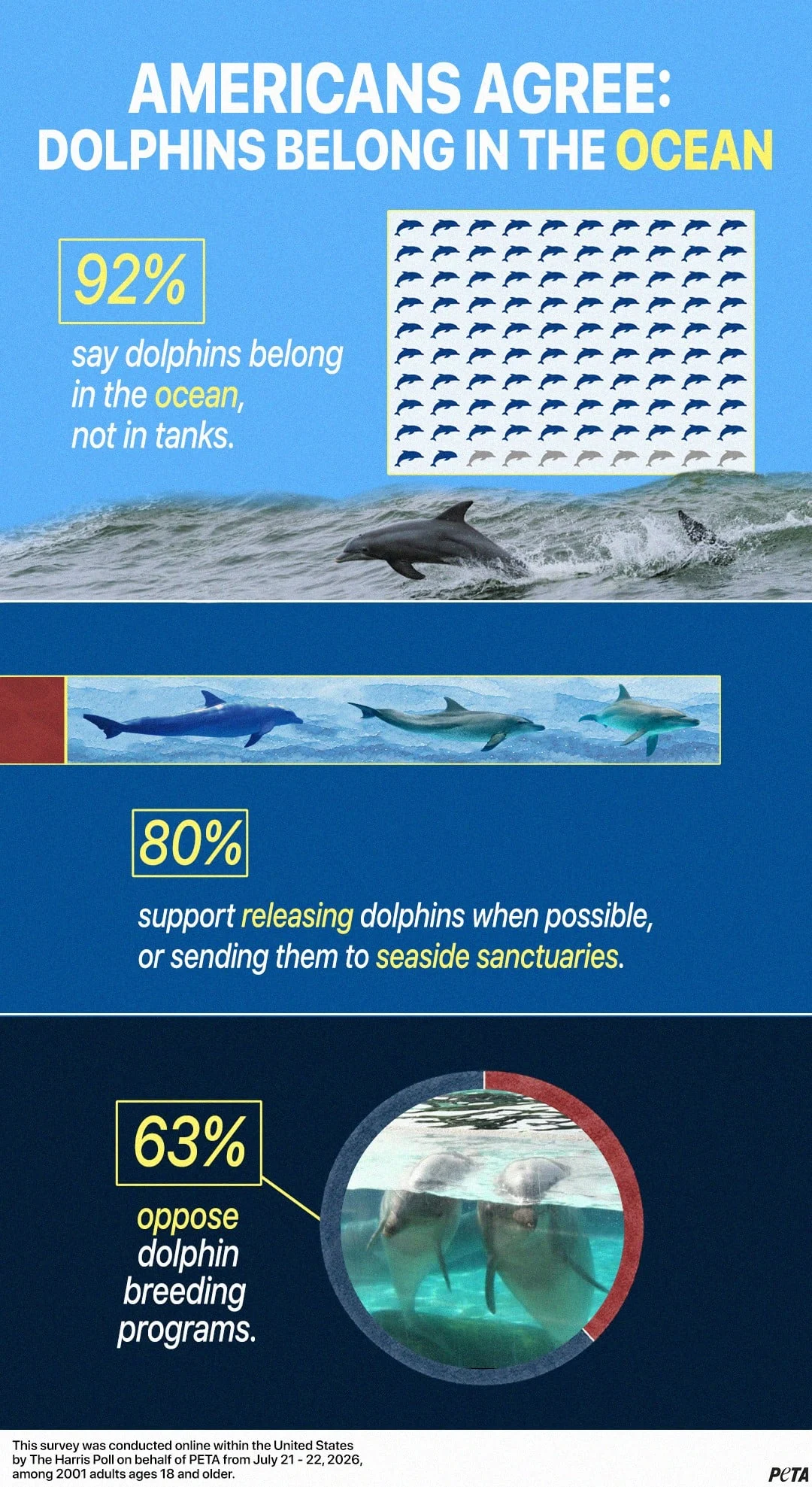
The modern entertainment industry’s relationship with marine wildlife is facing an unprecedented wave of public scrutiny, highlighted by a comprehensive new survey indicating that the vast majority of U.S. adults believe cetaceans should remain in their natural habitats rather than being confined to artificial enclosures. According to the nationwide study conducted by The Harris Poll on behalf of People for the Ethical Treatment of Animals (PETA), 92% of American adults maintain that dolphins belong in the ocean rather than in commercial tanks. Furthermore, 80% of respondents expressed support for the transition of captive marine mammals out of traditional entertainment parks and resorts, advocating instead for their relocation to coastal seaside sanctuaries whenever feasible.
This poll, which surveyed 2,000 adults across the United States in July 2026, serves as a significant bellwether for changing societal values regarding animal welfare. For decades, marine parks have marketed themselves as educational centers aimed at fostering an appreciation for aquatic life. However, growing awareness regarding the physiological and psychological needs of highly intelligent, social species has fundamentally shifted public perception. As empirical data on the negative impacts of confinement accumulates, the commercial rationale for keeping dolphins in concrete-walled pools is increasingly clashing with contemporary ethical standards.
Scope of Captivity Across the United States
Despite shifting public sentiment, hundreds of dolphins remain housed across a network of roughly 17 commercial marine parks, resort properties, and aquariums spanning at least five U.S. states. Prominent facilities operating these exhibits include Discovery Cove in Orlando, Florida; Six Flags Discovery Kingdom in Vallejo, California; the Mississippi Aquarium in Gulfport; SeaWorld San Antonio in Texas; and Sea Life Park Hawaiʻi on Oahu.
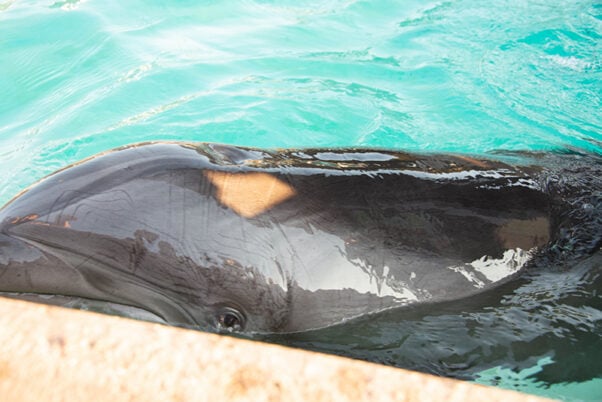
At these locations, bottlenose dolphins and other marine mammals are frequently utilized for interactive visitor programs, swim-with-dolphin experiences, and choreographed performance shows. Animal welfare organizations argue that these commercial operations subject intelligent animals to severe sensory deprivation, unnatural social groupings, and chronic stress. In the wild, coastal bottlenose dolphins typically range across vast home areas spanning tens or even hundreds of square miles, diving to significant depths and living within complex, matrilineal pod structures. In contrast, captive environments restrict these animals to fraction-of-a-percent volumes of water, where they often exhibit stereotypic behaviors such as pacing, floating motionless, or gnawing on concrete boundaries.
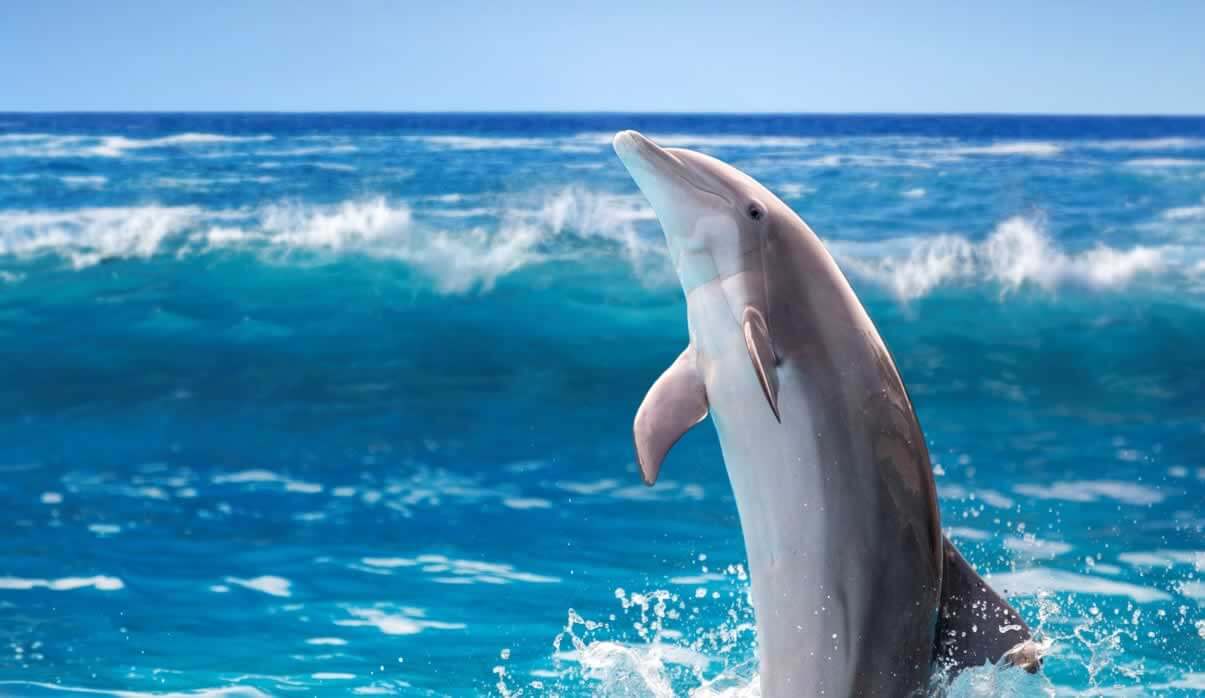
Chronology of Changing Industry Standards and Global Momentum
The movement to end cetacean captivity has evolved significantly over the past several decades, driven by legal milestones, shifting corporate policies, and international legislative bans.
During the late 20th century, marine parks enjoyed widespread cultural acceptance, with attendance figures peaking at major corporate chains through the 1990s and early 2000s. However, public attitudes began to shift decisively following heightened documentary exposure and scientific consensus regarding the psychological trauma experienced by captive orcas and dolphins.
- March 2016: Under intense public pressure and shareholder scrutiny following years of activism, SeaWorld Entertainment announced it would officially end its captive orca breeding program and phase out theatrical orca shows across its U.S. parks, marking a pivotal turning point for the industry.
- May 2019: Canada passed the Ending the Captivity of Whales and Dolphins Act (Bill S-203), making it illegal to breed, capture, or hold cetaceans in captivity for entertainment purposes, with exceptions made only for rehabilitation and scientific research.
- 2021–2023: Several corporate tourism partners, including corporate-affiliated resorts such as Aulani, A Disney Resort & Spa in Hawaiʻi and Hawks Cay Resort in Florida, announced the termination of their onsite interactive swim-with-dolphin programs following sustained campaigns by animal advocacy groups.
- January 2024: The iconic Miami Seaquarium—which operated for over half a century and faced a series of federal animal welfare violations and public safety concerns—officially closed its doors following lease termination actions by Miami-Dade County officials.
- July 2026: The Harris Poll on dolphin captivity was fielded nationally by PETA, capturing contemporary baseline data on public attitudes toward marine mammal entertainment.
- September 2026: Survey results were formally published, quantifying the widening gap between consumer ethics and commercial marine park practices.
The Rise of Seaside Sanctuaries as a Viable Alternative
As traditional marine entertainment facilities face declining public support, the conservation and animal welfare sectors are increasingly championing seaside sanctuaries as the gold standard for post-captivity care. Unlike sterile concrete tanks, coastal sanctuaries utilize net-enclosed bays, coves, or protected ocean inlets. These environments allow captive cetaceans to experience natural tidal movements, variable water temperatures, and complex acoustic and sensory landscapes while remaining protected from open-ocean predators and receiving expert veterinary oversight.
International precedents for this model are already expanding. Notably, two beluga whales previously held in a Chinese marine park were successfully relocated to an open-water sanctuary bay in Iceland. Similarly, rehabilitation initiatives in Southeast Asia have successfully transitioned captive dolphins from cramped pools back into managed marine environments or open-sea releases. In North America, the Whale Sanctuary Project has advanced plans for a protected ocean sanctuary in Nova Scotia for retired cetaceans, while similar projects—such as the San Paolo Dolphin Refuge in Taranto, Italy—are under development to accommodate displaced marine mammals from European facilities.
Methodological Overview of the Harris Poll
The quantitative findings cited in the PETA-commissioned study were gathered through an online survey conducted by The Harris Poll between July 21 and July 22, 2026. The research interviewed a representative sample of 2,001 U.S. adults aged 18 and older.
To ensure statistical rigor, sampling precision for online polls conducted by The Harris Poll is evaluated using Bayesian credible intervals. For this specific study, the sample data maintains an accuracy margin within plus or minus 2.7 percentage points at a 95% confidence level. Subgroup analyses and demographic weighting variables were applied to match U.S. Census Bureau benchmarks regarding age, gender, race/ethnicity, region, education, household income, and propensity to be online, ensuring that the results reflect an accurate cross-section of the American public.
Implications for the Future of Marine Tourism
The stark divergence between the 92% of Americans who believe dolphins belong in the ocean and the ongoing commercial operations of remaining marine parks signals a profound transformation in the travel and leisure sector. Industry analysts note that modern consumers—particularly younger demographics—are increasingly prioritizing ethical considerations when selecting vacation destinations and recreational activities.
For marine parks and aquariums, maintaining traditional animal interaction programs risks alienating a growing segment of the consumer base. Experts suggest that facilities willing to pivot toward rescue, rehabilitation, and education models—or transition their resident populations into retirement-focused seaside sanctuaries—may secure better long-term viability. Conversely, institutions that continue to rely on live animal performances for entertainment face mounting reputational risks, regulatory hurdles, and persistent pressure from advocacy organizations seeking to phase out the commercial confinement of marine mammals entirely.

