


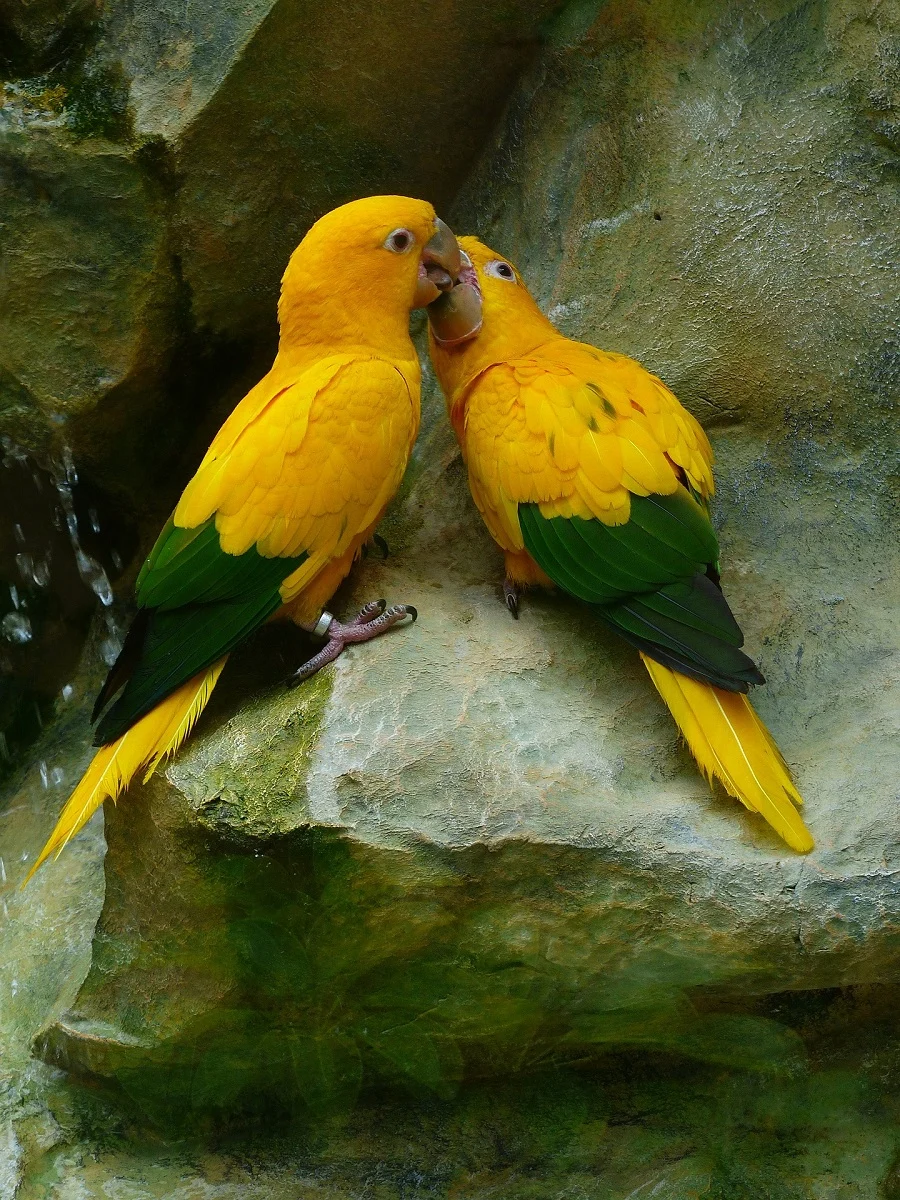
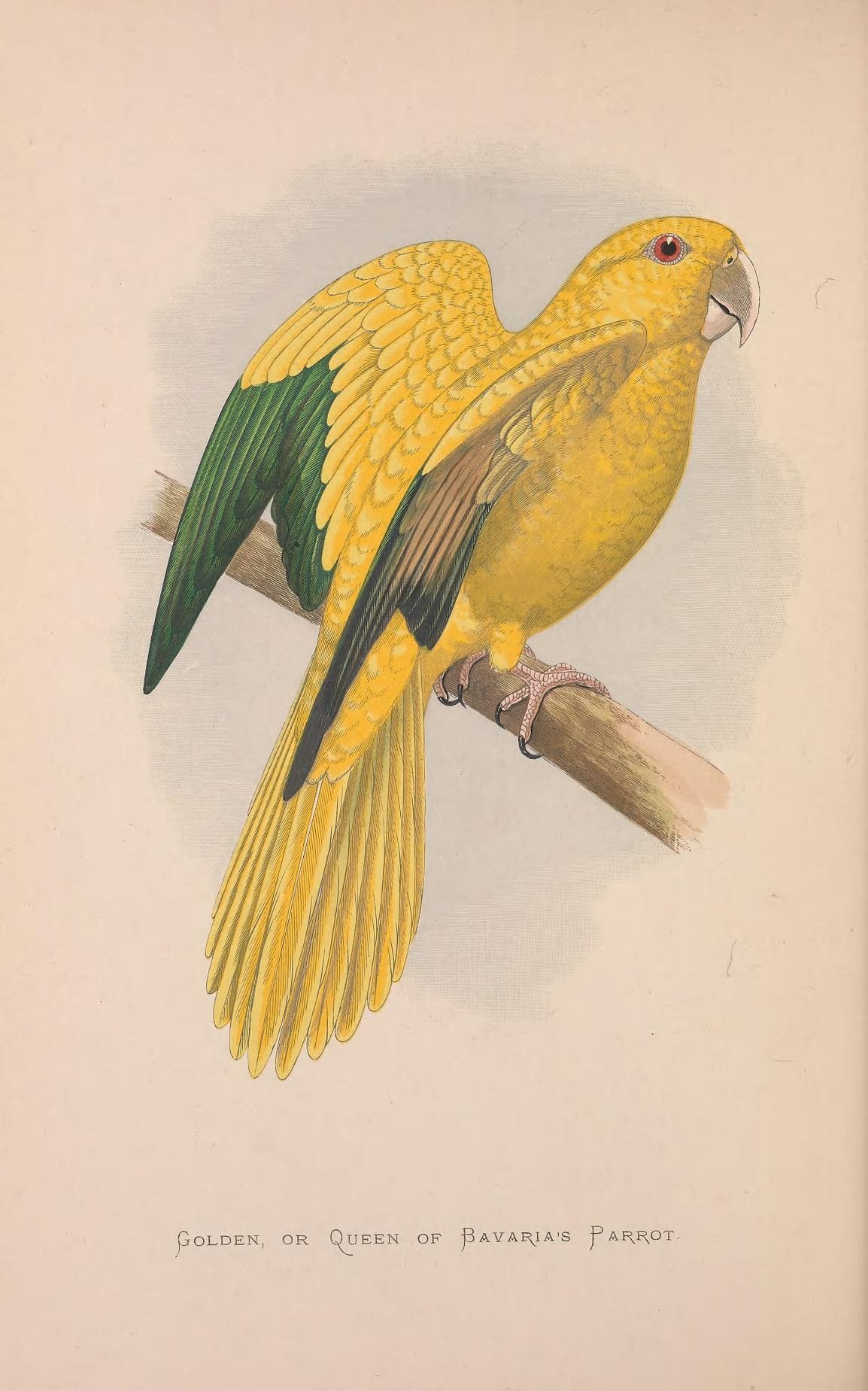
The golden conure, scientifically classified as Guaruba guarouba and historically referred to as the Queen of Bavaria conure or golden parakeet, represents one of the most visually striking and distinctive avian species within the Psittacidae family. Native to the dense canopies of the Brazilian Amazon Basin, this medium-sized parrot is celebrated for its unique, uniform golden-yellow plumage offset by dark green wing tips. As habitat fragmentation and environmental pressures continue to threaten avian populations across South America, understanding the taxonomy, ecological requirements, behavioral characteristics, and conservation status of the golden conure has become increasingly critical for ornithologists, conservationists, and aviculturists alike.
Taxonomic Evolution and Classification History
The scientific nomenclature of the golden conure has undergone significant revision over the past two centuries, reflecting broader advancements in phylogenetic and ornithological research. Initially categorized under the genus Conurus, the species was subsequently reassigned to Eupsittula and later placed within the Aratinga genus. However, morphological traits and behavioral distinctions consistently suggested that the species belonged in an independent taxonomic classification.
In 2006, prominent ornithologist Joseph Forshaw formally established the current accepted scientific name, Guaruba guarouba, in his comprehensive reference work "Parrots of the World." This classification was subsequently corroborated by groundbreaking phylogenetic studies published in the same year. Molecular analyses utilizing mitochondrial and nuclear DNA sequences revealed that the genus Guaruba is genetically more closely related to the red-shouldered macaws of the genus Diopsittaca than to the traditional Aratinga conures. This taxonomic distinction underscores the unique evolutionary lineage of the species. Visually, sexual dimorphism is entirely absent in golden conures; adult males and females are indistinguishable by appearance alone, necessitating molecular DNA sexing for accurate identification.
Natural Habitat, Geographical Range, and Ecological Behavior
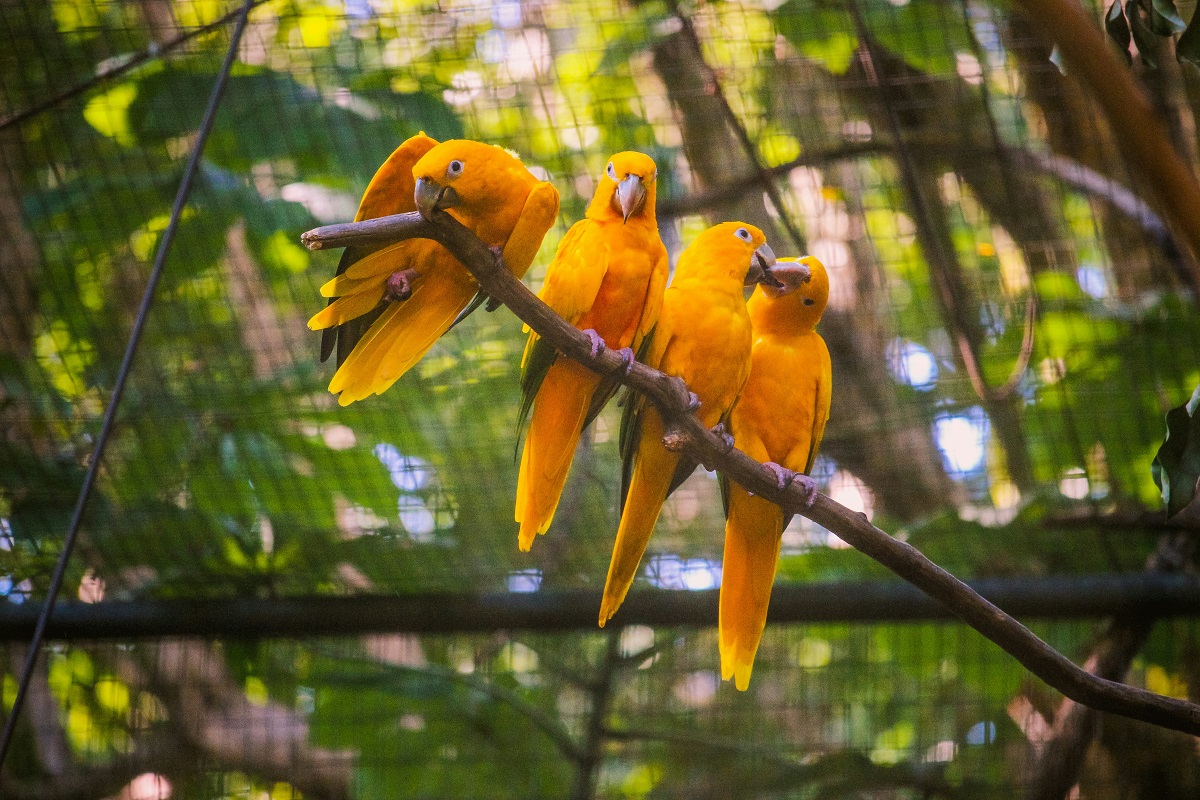
Endemic to the Neotropical region, the natural range of the golden conure is primarily restricted to the Brazilian Amazon Basin, predominantly concentrated within the state of Pará, with potential historical ranges extending into neighboring Maranhão. Within this tropical environment, the species demonstrates a clear preference for terra firme (dry lowland forests), though populations occasionally traverse seasonally flooded várzea forests during specific phases of their nomadic lifecycle.
Ecological field studies indicate that golden conures exhibit distinct seasonal movement patterns. During the breeding season, groups frequently vacate dense jungle environments to inhabit transitional, less dense forest fringes. Nesting biology in the wild is similarly unique; golden conures typically utilize isolated hollow trees, occasionally enlarging cavities originally excavated by other species. Notably, the species displays cooperative breeding tendencies, with multiple adult females frequently depositing eggs within a single communal clutch, resulting in clutch sizes that can exceed ten eggs.
Dietary Ecology and Foraging Dynamics
In their native Amazonian habitat, golden conures maintain a highly diverse and seasonally dependent diet composed largely of fruits, flowers, and floral buds. Research published in ecological journals highlights a strong reliance on the fruit of indigenous flora, including açaí and bacaba palms, as well as produce from cashew, ice cream bean, nance, and locustberry trees.
Beyond forest resources, wild golden conures opportunistically forage on agricultural lands, occasionally raiding local crops such as corn and mango. In captive environments, replicating this dietary breadth requires a carefully balanced nutritional regimen. Avicultural experts recommend high-quality commercial parrot pellets as a nutritional staple, supplemented by a diverse array of fresh fruits, vegetables, and botanical matter. Implementing foraging devices during feeding periods is widely endorsed by avian specialists to simulate natural wild foraging behavior, thereby mitigating psychological stress and preventing sedentary obesity, which remains a primary mortality factor in captive psittacines.
Conservation Status and Anthropogenic Pressures
Despite its esteemed status in aviculture and deep cultural significance among indigenous populations in Brazil—where the species is locally known as the "Ararajuba" and its golden feathers historically prized—the golden conure faces severe environmental threats. The International Union for Conservation of Nature (IUCN) Red List classifies Guaruba guarouba as a Vulnerable species.
While direct trapping and commercial poaching for the international pet trade have diminished due to stringent international regulatory frameworks under the Convention on International Trade in Endangered Species of Wild Fauna and Flora (CITES), landscape-level pressures continue to imperil wild populations. Deforestation, agricultural expansion, and intensive habitat fragmentation driven by infrastructure development within the Amazon Basin severely restrict the birds’ foraging and breeding ranges. Historical accounts, such as those documented in Helmut Sick’s "Ornitologia Brasileira," note that local black-market pressures historically led to unscrupulous practices, including the illegal dying of other conure species to mimic the golden conure’s distinctive coloration. Contemporary conservation strategies emphasize protected area management, habitat restoration, and monitored reintroduction programs to secure self-sustaining wild populations.
Captive Husbandry, Housing, and Enrichment Requirements
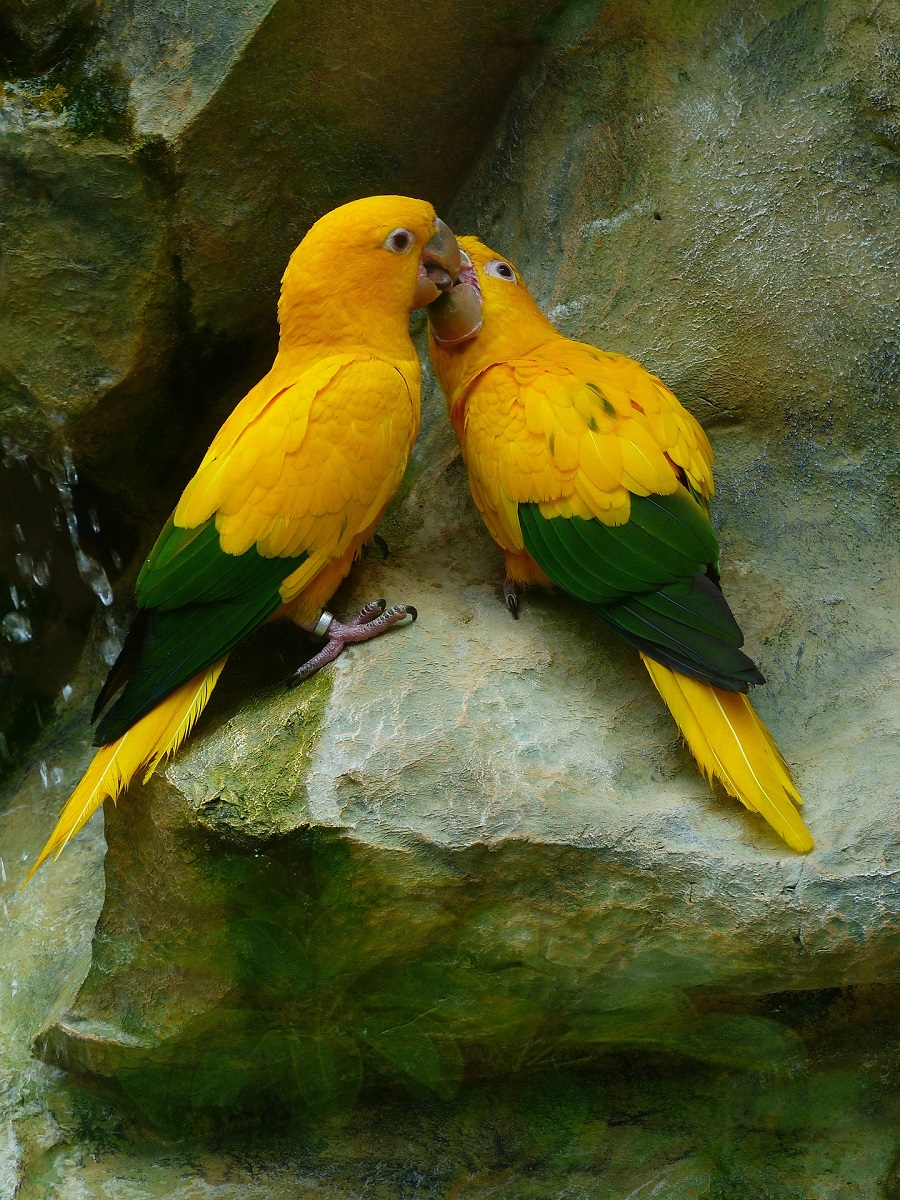
Maintaining golden conures in captivity demands significant resource allocation, spatial planning, and behavioral management. Averaging approximately 35 centimeters (14 inches) in length and weighing around 250 grams, these medium-to-large parrots require substantial enclosure dimensions. Avicultural guidelines specify that if housed primarily in indoor enclosures, birds require an expansive full-sized aviary or a cage measuring a minimum width of 100 centimeters (40 inches), provided they receive several hours of daily supervised out-of-cage liberation.
The cognitive complexity and high energy levels of golden conures necessitate extensive environmental enrichment. In the wild, these social birds dedicate substantial portions of their day to foraging, flock interaction, and navigating complex arboreal structures. In captivity, a lack of adequate mental and physical stimulation routinely manifests as stress-induced behavioral pathologies, including excessive vocalization, feather-plucking, and localized aggression. Housing environments must incorporate natural wood perches, climbing ladders, and robust chewing toys designed to withstand powerful, horn-colored beaks. Parrot-proofing living spaces is essential to mitigate domestic hazards, given the species’ innate curiosity and exploratory drive.
Behavioral Temperament, Vocalization, and Vocal Mimicry
The temperament of the golden conure is generally characterized as exceptionally social, affectionate, and energetic. Unlike many parrot species that form exclusive bonds with a single handler, golden conures frequently distribute their affection across multiple family members. They display an even-tempered disposition and high sociability, thriving on consistent human interaction and playtime.
However, prospective owners must carefully evaluate the species’ vocal capabilities. While their calls lack the piercing, high-frequency shrillness characteristic of certain Aratinga species, such as the sun conure, golden conures possess powerful voices commensurate with their physical size. Vocalizations are delivered at a medium-to-high volume level, making acoustic compatibility an essential consideration for residential settings.
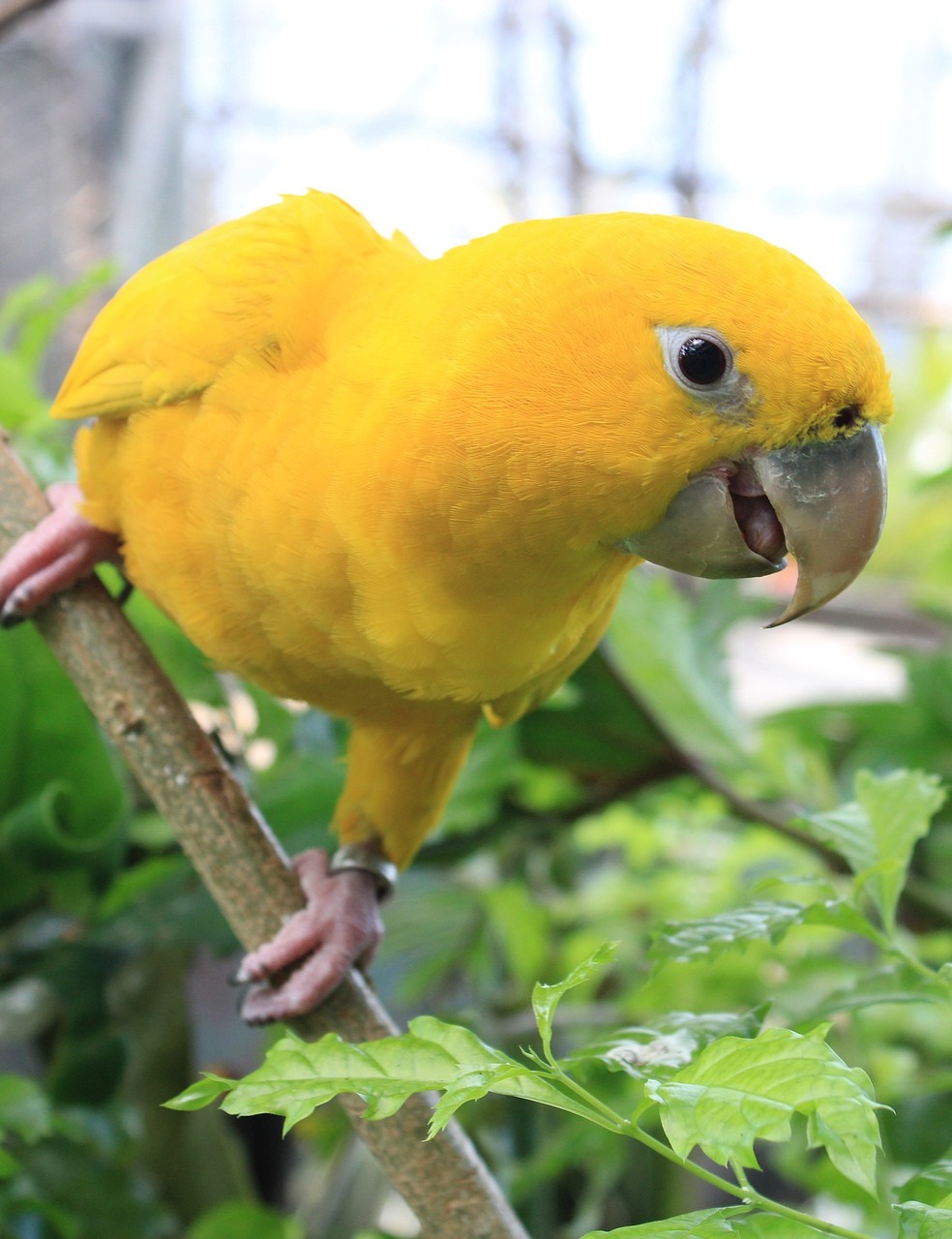
Regarding vocal mimicry, golden conures are capable of learning and reproducing environmental sounds, human words, and simple household noises. Similar to other conure species, they are not typically recognized as elite vocal mimics or fluent talkers. When they do learn words or short phrases, their articulation is generally less distinct than that of larger psittacines such as African greys or Amazons.
Implications and Future Outlook for the Species
The long-term outlook for the golden conure remains tethered to effective conservation enforcement within its native Brazilian territory and responsible practices within the global avicultural community. As scientific understanding of the species’ phylogenetic uniqueness, dietary specialization, and complex social structure deepens, management protocols continue to evolve. Balancing the demands of captive stewardship with the imperative for wild habitat preservation will remain paramount in ensuring that the "Queen of Bavaria" endures both in its native Amazonian strongholds and specialized aviaries worldwide.

