


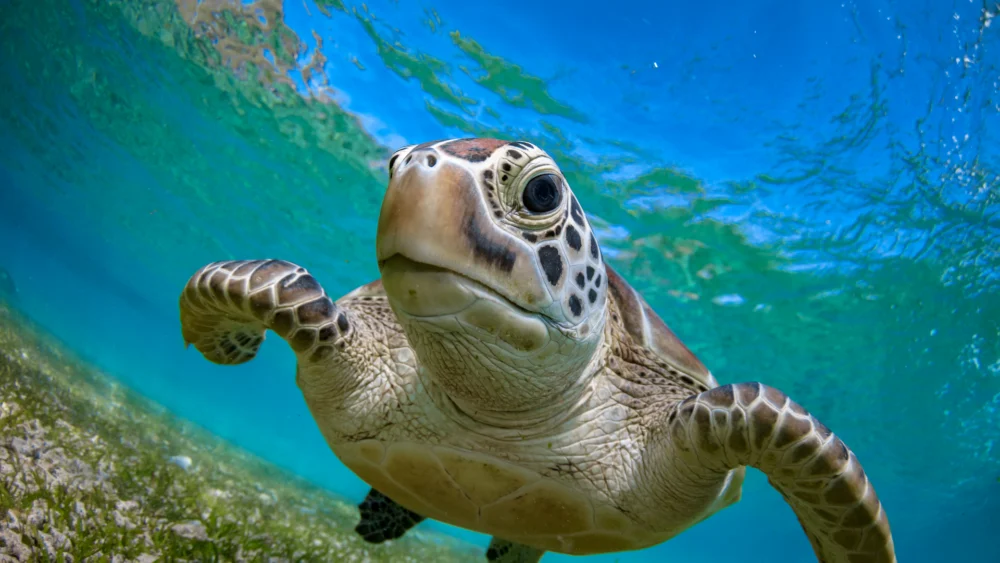
The field of sea turtle medicine has evolved from basic rescue efforts into a sophisticated discipline of veterinary science, requiring specialized knowledge of physiology, pharmacology, and environmental biology. As of July 2026, the veterinary community—led by experts such as Dr. Heather Barron of the Loggerhead Marinelife Center—has formalized comprehensive clinical frameworks to manage the seven distinct species of sea turtles. Because these animals are largely classified as threatened or endangered under the Endangered Species Act, their rehabilitation is strictly governed by state and federal mandates, necessitating specific licensure for practitioners and a deep commitment to evidence-based conservation.
The Anatomy and Diagnostics of Marine Reptiles
Understanding the biological constraints of sea turtles is the foundation of successful clinical intervention. The chelonian shell, a complex structure composed of a dorsal carapace and a ventral plastron connected by a bridge, serves as more than just physical protection; it is a dynamic dermal bone structure. The shell’s growth, which originates from the pleurocoelomic membrane, provides a unique diagnostic challenge. Clinicians must distinguish between species-specific scute patterns and the underlying bony structures to accurately document injuries, which is critical for standardized reporting in wildlife conservation databases.
Diagnostic excellence begins with a thorough physical examination, which remains the gold standard in reptile medicine. Unlike mammalian patients, sea turtles often present with physiological parameters that are deeply tied to their aquatic environment and core body temperature. Clinicians are encouraged to obtain a minimum database within the first hour of rescue, including diagnostic imaging—such as ultrasonography, computed tomography, and radiography—and hematological profiles.
In terms of blood analysis, the external jugular vein, or dorsal cervical sinus, serves as the preferred collection site. Veterinary professionals must be meticulous in their selection of anticoagulants; lithium heparin is the clinical preference, as ethylenediamine tetra-acetic acid (EDTA) is known to induce marked red blood cell lysis in sea turtles, which would invalidate diagnostic results. Furthermore, the stabilization of the patient must always precede invasive diagnostics, as reptiles are resilient but highly susceptible to the physiological impacts of acute stress.
Critical Care and Fluid Resuscitation
The management of stranded or injured sea turtles requires a cautious approach to stabilization. Hypothermia and dehydration are frequent complications, particularly in "cold-stunned" patients. Veterinary protocols dictate a gradual, multi-day approach to warming, as rapid temperature shifts can lead to systemic shock. Fluid therapy, while vital, is rarely administered as a "shock dose" without prior iSTAT or biochemistry analysis to ensure electrolyte balance.
For stable patients, fluid administration may occur orally, but in critical cases, clinicians utilize intravenous, intraosseous, or epicoelomic routes. Maintenance fluid rates are typically calculated at 1–3% of body weight per day, with strict ceilings to prevent over-hydration. In cases of acute, life-threatening anemia where hemoglobin levels drop below 5%, whole blood transfusions may be necessary. Because blood types in sea turtles remain poorly understood, the veterinary field has moved toward mandatory cross-matching to prevent fatal transfusion reactions.
Nutritional Rehabilitation and Assisted Feeding
Supportive care often focuses on addressing malnutrition and the removal of external epibiota, such as leeches and barnacles. If a turtle fails to resume self-feeding within one week of stabilization, practitioners transition to assisted alimentation. Gavage feeding or the placement of an indwelling esophagostomy tube are common interventions.
However, practitioners must be wary of "refeeding syndrome," a metabolic complication observed in turtles that have endured prolonged fasting. Research indicates that after a 30-day fast, insulin levels can increase five-fold upon the introduction of food, placing the animal at risk of hypokalemia and hypophosphatemia. To mitigate this, clinicians typically start at 50% of the calculated energy requirements and gradually increase intake. For severely debilitated cases, total parenteral nutrition (TPN) has emerged as an effective, if advanced, alternative, allowing for the direct intravenous delivery of nutrients at a rate of 2.5–3 ml/kg/h.
Pharmacological Innovations and Anesthesia
The management of pain and the administration of antimicrobials represent significant hurdles in reptile medicine. Sedation protocols now emphasize multi-modal approaches, often utilizing a combination of dexmedetomidine, hydromorphone, and midazolam. To ensure a safe recovery that allows the patient to return to its tank immediately, veterinarians rely on specific reversal agents such as atipamezole, naloxone, and flumazenil.
Pharmacokinetic research has fundamentally changed antibiotic and analgesic usage. For instance, studies have shown that meloxicam is ineffective in loggerhead turtles, leading to a shift toward ketoprofen as the preferred anti-inflammatory agent. Similarly, the industry has moved away from empiric "broad-spectrum" guessing, favoring targeted antibiotic therapies based on clinical presentations, including amikacin, ceftazidime, and piperacillin-tazobactam. The use of regional limb perfusion, where medications are injected directly into a limb vein while a tourniquet is applied, has also shown promise in treating localized infections without the systemic side effects of high-dose intravenous therapy.
Common Clinical Challenges: FP and Anthropogenic Trauma
Fibropapillomatosis (FP), a disease associated with the chelonid herpesvirus (ChHV5), remains one of the most pressing threats to juvenile green sea turtles. Characterized by skin tumors, the disease prevalence varies globally from 0% to 92%. Modern surgical intervention, primarily through the use of CO2 lasers or radiosurgery, has improved the survival rate for these patients. By utilizing local anesthetics like lidocaine or bupivacaine, surgeons can minimize the need for gas anesthesia, thereby reducing the risk of respiratory depression.
Beyond disease, anthropogenic factors dominate the intake records at rehabilitation centers. Plastic ingestion is the primary cause of morbidity in "washback" or post-hatchling sea turtles. Additionally, trauma resulting from boat strikes and fishing gear entanglements necessitates complex surgical repairs. Buoyancy abnormalities, often caused by gas accumulation in the coelomic cavity or lungs, represent another common presentation. In these instances, clinicians have successfully utilized techniques like blood-patch pleurodesis to seal lung tears that cause persistent gas buildup.
Implications for Global Conservation
The standardization of sea turtle medicine has profound implications for the future of marine conservation. By establishing rigorous, peer-reviewed clinical protocols, the veterinary community is not merely treating individual patients; it is gathering data that informs our understanding of marine ecosystem health.
Each successfully rehabilitated and released turtle serves as a data point in the broader effort to protect species from the compounding effects of climate change, habitat loss, and pollution. The integration of continuing education, such as the AAVSB RACE-approved programs, ensures that the next generation of veterinarians is equipped with the latest pharmacological and surgical advancements.
As the timeline of marine threats continues to expand, the synergy between clinical research and field practice will remain essential. The ability to manage complex conditions—from neurogenic pain post-amputation to chronic buoyancy disorders—demonstrates the resilience of both the patients and the professionals dedicated to their survival. As these protocols continue to be refined, they offer a beacon of hope for the recovery of vulnerable sea turtle populations, proving that specialized veterinary intervention is a cornerstone of global biodiversity preservation.

