


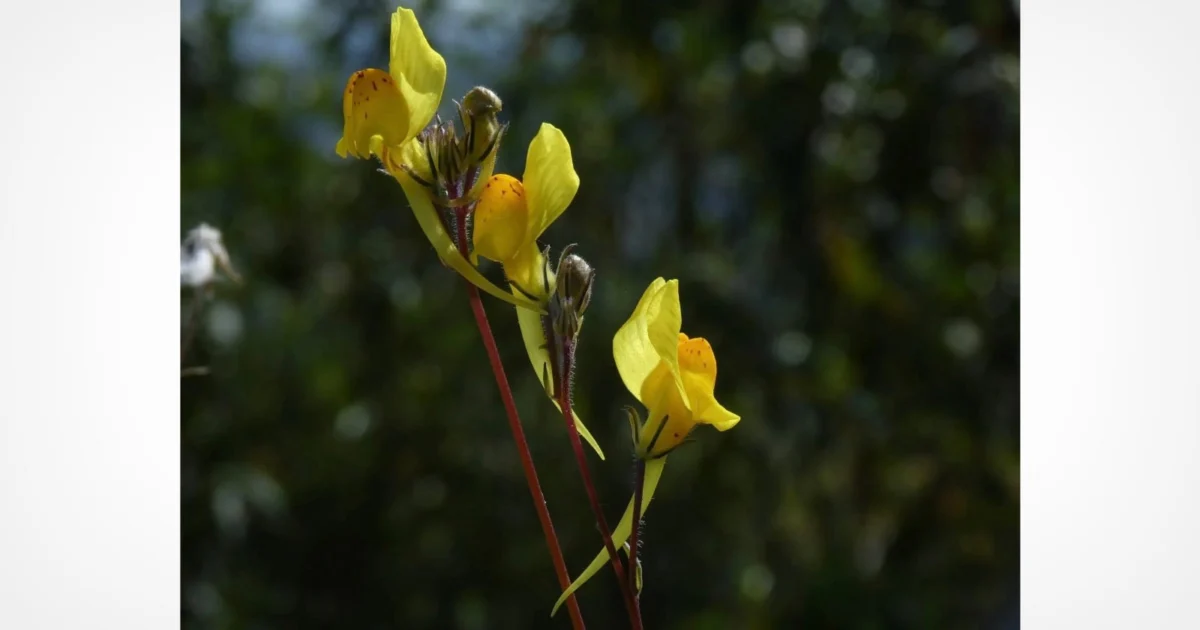
A chance encounter between a casual tourist and an unidentified floral specimen in the Algarve region of Portugal has culminated in a significant botanical breakthrough, resulting in the formal identification of a new species of toadflax. The discovery, which underscores the growing utility of community-led science platforms, has brought international attention to the biodiversity of the Monchique mountains and the precarious state of rare flora in the Mediterranean basin.
The Origin of the Discovery: From Lens to Ledger
In March 2023, an unnamed German tourist was traversing the landscape of Monchique, a picturesque town nestled in the Serra de Monchique, when she encountered a striking vertical stalk of yellow, spurred flowers adorned with distinct reddish-brown spots. Captivated by its appearance, the visitor captured a photograph of the plant. Unaware of the scientific gravity of her find, she later uploaded the image to iNaturalist, a global crowdsourcing platform that facilitates the recording of biodiversity data.
The photograph languished in the digital database for months before it caught the discerning eye of João Farminhão, a prominent Portuguese botanist affiliated with the Centre for Functional Ecology (CFE) at the University of Coimbra. Farminhão, whose research specializes in plant taxonomy, noted morphological anomalies in the specimen that did not align with known toadflax (Linaria) species native to the Iberian Peninsula.
Chronology of the Scientific Investigation
Following the initial digital observation, the investigative process moved from the virtual sphere to the field.
- March 2023: The original photograph is captured by the tourist in the Cerro do Castelo de Alferce area.
- Late 2023: The image is uploaded to iNaturalist, where it is tagged and reviewed by community members and experts.
- Early 2024: João Farminhão identifies the potential for a new species based on the digital evidence.
- Spring 2024: Farminhão conducts an expedition to the specific coordinates identified in the photograph. He discovers a small, localized population of the plant in the Cerro do Castelo de Alferce region.
- August 2026: A comprehensive study, featuring collaborative research from the universities of Lisbon and Barcelona, as well as the Royal Botanical Garden of Madrid, is published in the journal Plant Ecology and Evolution.
- September 2026: The scientific community formally acknowledges the plant as Linaria alfercensis, commonly referred to as Alferce ansarina.
Botanical Characteristics of Linaria alfercensis
The botanical team’s research revealed that Linaria alfercensis possesses unique traits that distinguish it from its closest relatives within the Linaria genus. The plant is characterized by an erect growth habit—a deviation from the more sprawling or prostrate patterns typical of similar toadflax varieties found in the Mediterranean.
Beyond its structural profile, the flower itself is visually distinct. The yellow petals feature a speckled pattern, with two pronounced dark stripes on the underside of the flower, a feature that likely aids in attracting specific local pollinators. The geographical restriction of the species, being found only in the micro-climate of the Monchique range, suggests a highly specialized evolutionary path.
Conservation Challenges and Environmental Risks
The discovery of Linaria alfercensis is tempered by the alarming reality of its conservation status. The researchers involved in the study have proposed that the species be classified as "Endangered" under the International Union for Conservation of Nature (IUCN) criteria.
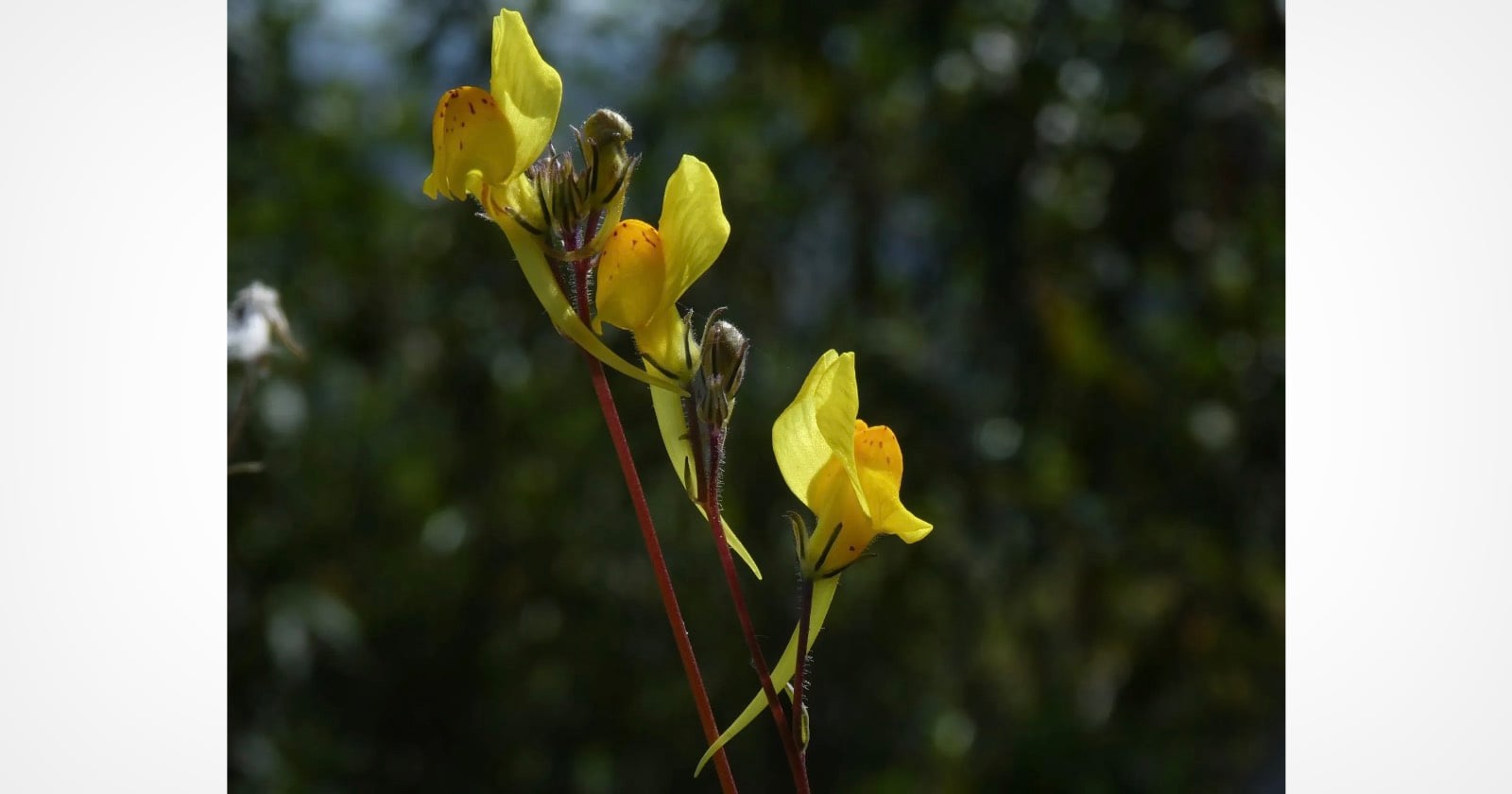
The rationale for this classification is stark: only a few dozen individual flowering plants have been identified to date. The habitat, while scenic, is subject to intense anthropogenic and environmental pressures. The primary threats to the survival of the species include:
- Industrial Silviculture: The proliferation of eucalyptus plantations in the surrounding regions poses a significant threat to native biodiversity, as these non-native trees consume vast amounts of water and alter soil chemistry, creating inhospitable environments for endemic wildflowers.
- Invasive Flora: The spread of Acacia dealbata (mimosa acacia) is a documented concern in the Algarve. As an invasive species, it rapidly colonizes disturbed landscapes, outcompeting native plants for light and nutrients.
- Wildfire Vulnerability: The Monchique mountains are historically prone to severe wildfires. Given the limited number of plants, a single large-scale fire event could potentially lead to the extinction of the entire species in the wild.
In response to these findings, local authorities in the Algarve have already begun implementing protective measures, including the cordoning off of the primary population site and the initiation of monitoring programs to track the health of the specimens.
The Impact of Citizen Science on Modern Botany
The identification of Linaria alfercensis is not an isolated incident but rather a testament to the efficacy of the "citizen science" model. Platforms like iNaturalist and eBird have transformed the traditional role of the naturalist. Historically, the discovery of new species was the exclusive domain of professional researchers on well-funded expeditions. Today, thousands of amateurs with high-resolution smartphone cameras serve as an "army of observers," providing scientists with a wealth of data that would be impossible to collect through traditional academic fieldwork alone.
This democratization of data collection has profound implications for biodiversity conservation. By engaging the public in the documentation of their local environments, researchers gain access to longitudinal data across wider geographical areas. The case of the Rusty Lark, which was photographed in Africa after being presumed extinct for 94 years, serves as another prime example of how non-professional photography can rewrite the biological record.
Broader Scientific Implications
The discovery of Linaria alfercensis also highlights the need for continued funding for taxonomy and ecological surveys. In an era of rapid climate change and habitat loss, many species may vanish before they are even identified.
"We are currently in a race against time," noted a representative of the University of Coimbra’s Centre for Functional Ecology. "Each discovery, like the one in Monchique, reveals how little we truly know about the hidden biodiversity in our own backyards. The fact that a tourist’s photo provided the catalyst for this discovery suggests that there are many more species waiting to be documented, provided we have the infrastructure to analyze and verify the data coming in from the public."
Furthermore, the publication of the study in a peer-reviewed journal ensures that Linaria alfercensis is protected under formal environmental policy. By establishing the plant as a distinct, rare species, researchers have provided the necessary legal basis for local governments to designate the site as a protected area, thereby restricting development and land-use practices that would jeopardize the species’ survival.
Conclusion
The story of the Alferce ansarina is a reminder of the symbiotic relationship between technology, public participation, and academic rigor. What began as a vacation snapshot has evolved into a major contribution to the botanical record of the Iberian Peninsula. While the future of Linaria alfercensis remains precarious due to environmental degradation and invasive species, its discovery provides a beacon of hope for conservationists. It serves as a stark reminder that even in the modern age, the natural world still holds mysteries, and the preservation of our planet’s flora often depends on the most unexpected observers. As the scientific community continues to monitor the population in Monchique, the focus will now shift toward active management and potential ex-situ conservation efforts, such as seed banking, to ensure that this rare, yellow-flowered treasure does not disappear as quickly as it was found.

