


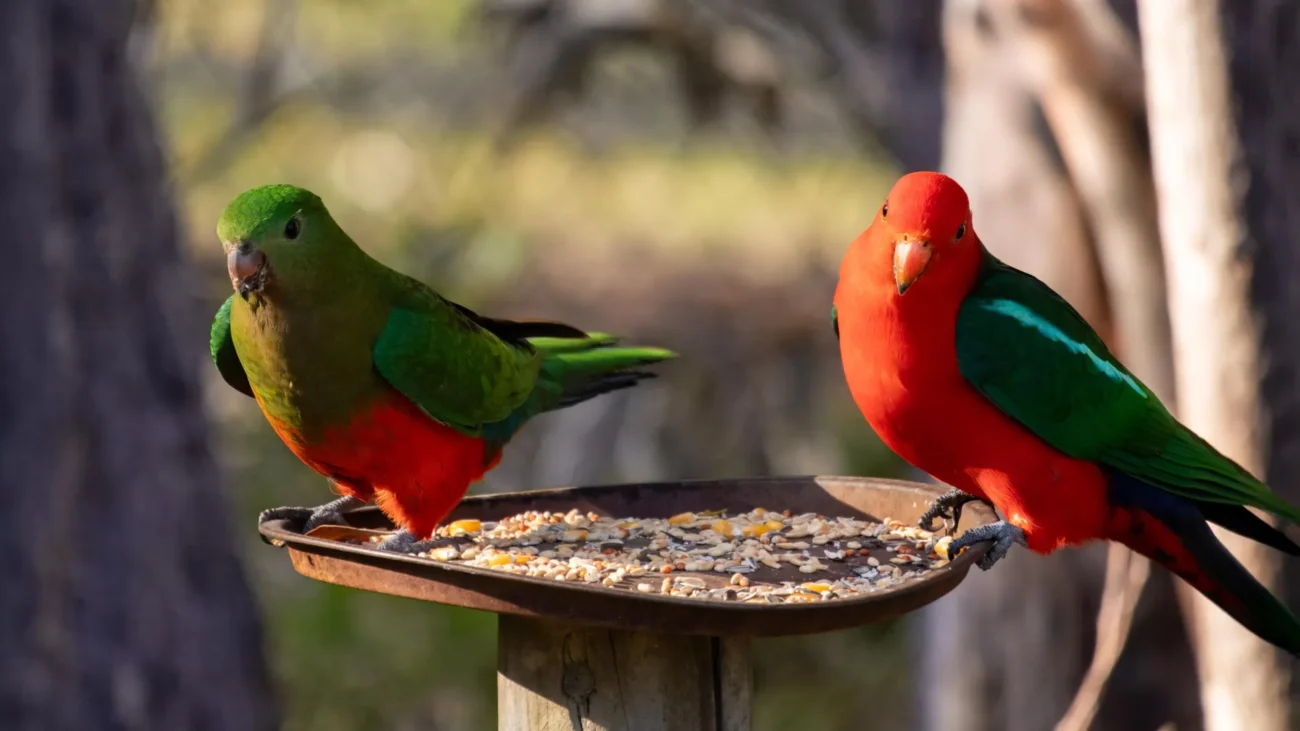
Backyard bird feeding stands as one of the most cherished and widespread pastimes across the globe, with approximately half of all Australian households participating in the activity, many doing so on a daily basis. Driven by a genuine desire to connect with nature, support local fauna during difficult weather periods, and enjoy the aesthetic presence of diverse avian species, citizens have long viewed feeding wildlife as an environmentally conscious act of kindness. However, mounting scientific evidence and alarming epidemiological developments indicate that this popular hobby may inadvertently function as a powerful transmission engine for the highly pathogenic H5N1 avian influenza virus. As this deadly strain sweeps across Australian shores, wildlife experts, conservationists, and biosecurity authorities are urging the public to reassess backyard feeding practices to prevent catastrophic outbreaks among native birds and vulnerable mammal populations.
The emergence of H5N1 in Australia marks a critical turning point in the nation’s biosecurity landscape. For years, Australia remained uniquely isolated from the devastating global waves of the H5N1 strain that wreaked havoc on wild bird and mammalian populations across North America, Europe, Asia, and Antarctica. That geographic buffer has now vanished. Recent weeks have witnessed a grim escalation in the crisis, highlighted by mass mortality events resulting in the deaths of more than 1,000 crested terns. Compounding this alarm, the virus crossed the species barrier into mainland Australian wildlife with the confirmed infection and subsequent death of a long-nosed fur seal—the first documented case of H5N1 in a mainland Australian mammal. These events signify that the virus is actively circulating within local ecosystems, transforming seemingly tranquil suburban backyards into potential hotspots for cross-species viral transmission.
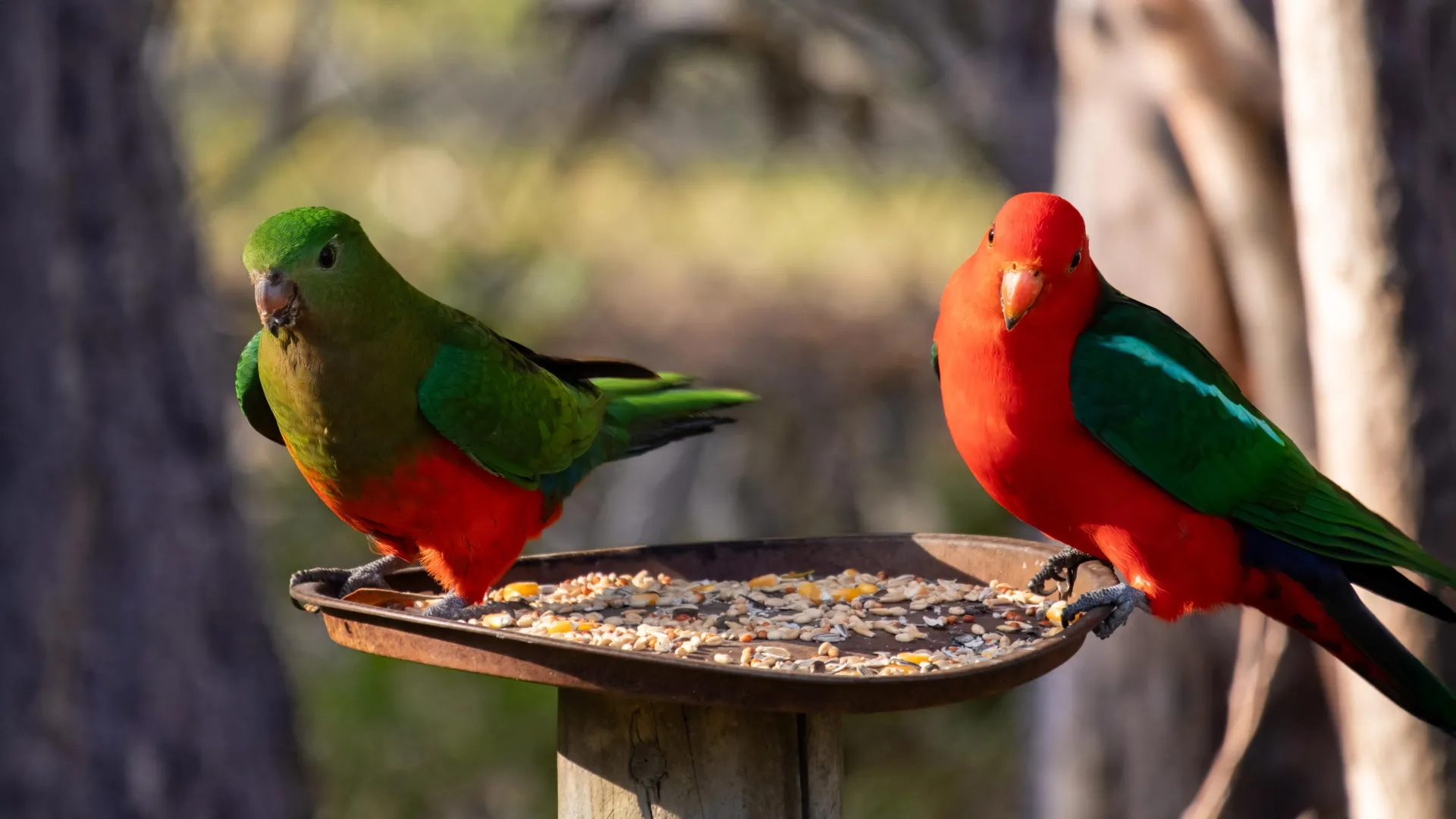
Understanding the mechanics of how backyard feeding exacerbates the spread of avian influenza requires examining ecological behavior. In natural settings, native birds forage across vast landscapes, maintaining healthy social distances and interacting primarily within natural flock dynamics. When humans introduce artificial feeding stations stocked with seeds, grains, or meat scraps, they create unnatural aggregation points. These feeding sites draw together a high concentration and diverse mix of bird species that would rarely congregate in such dense proximity under natural conditions. If even a single visiting bird is infected with H5N1, the concentrated environment provides an ideal vehicle for the virus to pass rapidly to healthy individuals through shared feeding surfaces, droppings, and direct contact. This localized amplification effect can turn a backyard garden into a dangerous superspreader event, accelerating the dissemination of the disease across wider regional populations.
The threat extends far beyond avian species. Scavenger animals such as possums, red foxes, and native crows frequently visit residential areas and are highly susceptible to contracting the virus when they scavenge the carcasses of infected birds or consume tainted food left unattended in yards. Furthermore, while human infection with H5N1 remains rare and typically manifests with mild symptoms, individuals who engage in close contact with wildlife—such as wildlife carers, veterinary professionals, and well-meaning citizens who hand-feed backyard birds—face elevated exposure risks. Conservation biologists are particularly concerned about the implications for endangered wildlife, such as the critically endangered orange-bellied parrot. An outbreak facilitated by backyard feeding hubs could push fragile, highly threatened species past the point of recovery, threatening decades of dedicated conservation work.
Mitigating the risks posed by backyard bird feeding requires swift behavioral adaptation and public awareness. Biosecurity and ornithological experts emphasize that the single most effective strategy to curb potential transmission is to cease feeding wild birds altogether. Scientific research demonstrates that the vast majority of birds visiting backyard feeders derive the vast majority of their daily nutritional requirements from natural sources, including insects, nectar, seeds, and worms. Consequently, the food provided by humans functions primarily as an optional snack rather than an essential survival meal. When feeding stops, wild birds naturally disperse across broader territories, drastically reducing the density-dependent transmission risks associated with artificial gathering points.
For individuals who remain committed to maintaining backyard feeding stations, adhering to strict hygiene and management protocols is paramount. Experts recommend implementing three critical safeguards to minimize disease transmission. First, citizens should significantly reduce the volume of food offered. Restricting the supply prevents large, dense flocks from congregating, effectively mirroring social distancing measures designed to curb viral spread. Second, hand-feeding must be strictly avoided. While hand-feeding offers an intimate connection with wildlife, the close physical proximity and tactile contact introduce unnecessary health risks for both humans and animals. Third, maintaining rigorous sanitation standards is non-negotiable. All feeding surfaces, trays, and surrounding equipment must be cleaned and disinfected regularly using domestic bleach solutions. Householders who are unwilling or unable to commit to this stringent cleaning regimen should dismantle their feeders entirely to protect local wildlife populations.
The broader implications of the current H5N1 situation demand a fundamental shift in how human-wildlife interactions are managed in suburban and semi-rural environments. As Australia navigates its first major encounter with this global avian influenza strain, community cooperation is essential. Government bodies, conservation councils, and veterinary networks continue to monitor mortality events closely, emphasizing that public vigilance is just as critical as official containment strategies. Authorities urge members of the public never to touch sick or dead birds or marine mammals. Anyone who encounters distressed or deceased wildlife should immediately record the location, capture photographs from a safe distance, ensure that domestic pets are kept securely away from the animal, and report the sighting directly to the Emergency Animal Disease Hotline. Through informed caution, responsible behavioral adjustments, and respect for natural ecological boundaries, communities can help protect both human health and Australia’s irreplaceable biodiversity from the devastating impact of H5N1.

