


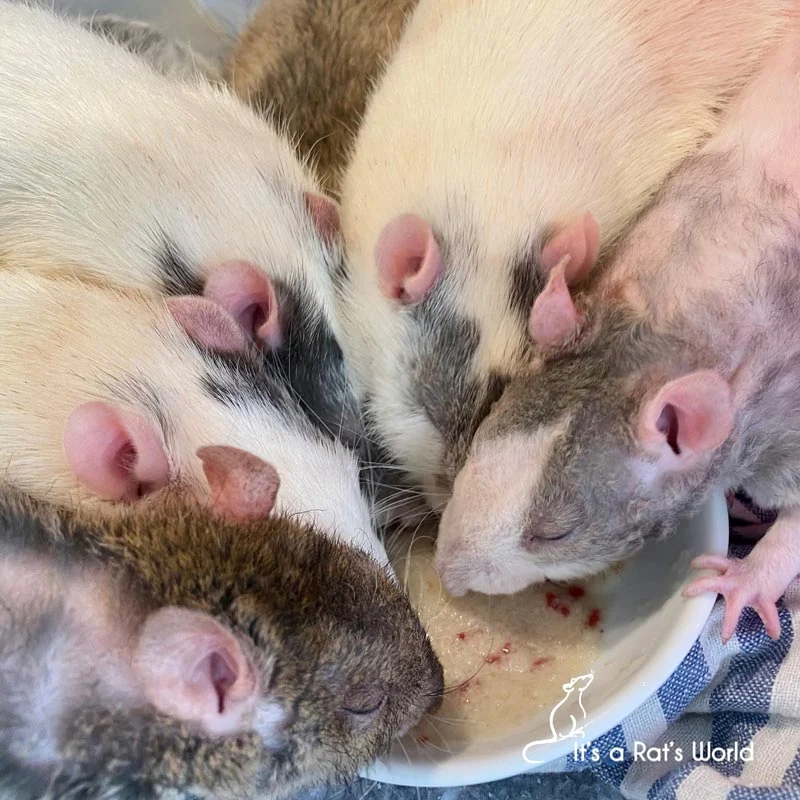
The perception that domestic rats are synonymous with filth, disease, and offensive odors is a persistent misconception rooted in the biological reality of their wild counterparts. While the wild brown rat (Rattus norvegicus) is frequently associated with urban squalor and the transmission of pathogens, the domesticated Fancy Rat is a distinct subspecies bred specifically for temperament and hygiene. Scientific consensus among exotic animal veterinarians suggests that domesticated rats are among the cleanest of all small mammals, characterized by meticulous self-grooming behaviors that often surpass those of cats. Despite this, the burden of proof remains on owners to dispel societal stigmas that equate pet rodents with unhygienic environments.
The Biological Basis of Rat Hygiene
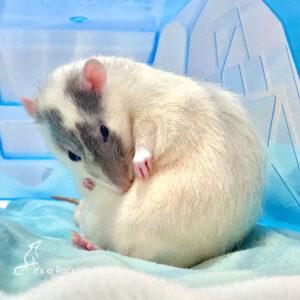
Domesticated rats devote a significant portion of their waking hours—estimated by ethologists to be between 10% and 20% of their activity cycles—to grooming. This behavior is not merely cosmetic; it is an essential component of their social structure and thermoregulation. When a rat grooms, it removes detritus, oils, and bacteria from its fur. Because they lack sweat glands, they rely on this grooming to maintain a stable body temperature and keep their coats free of irritants.
Anatomical studies of the domestic rat indicate that their natural musk is not unpleasant to the human olfactory sense when the animal is healthy. Many owners describe the scent of intact males as reminiscent of warm toasted grains or corn tortillas, while females and neutered males often exhibit a lighter, slightly floral or sweet odor. These scents are derived from the rats’ natural pheromones and the oils produced by their skin. A noticeable, foul odor in a domestic rat is almost invariably an indicator of an external environmental issue or an underlying health complication rather than a natural characteristic of the animal.
Environmental Factors and Cage Maintenance
The primary driver of odor in a pet rat enclosure is not the animal itself, but the accumulation of waste within the habitat. Because rats utilize their living space as both a sleeping area and a waste site, the design and maintenance of the cage are critical.
Research into rodent husbandry suggests that the "ammonia spike" is the most common cause of complaints regarding pet rat odors. Ammonia is a byproduct of the breakdown of urea in rat urine. If a cage is not cleaned on a consistent schedule—typically involving a spot-cleaning of the litter box every 24 to 48 hours and a deep clean of the enclosure weekly—ammonia levels can rise. This not only creates an offensive smell for human inhabitants but also presents a respiratory risk to the rats, who have sensitive lungs and are prone to mycoplasma-related respiratory infections.
Several variables influence the rate at which odors accumulate:
- Population Density: The number of rats per cubic foot of enclosure significantly impacts air quality. Larger colonies require more frequent sanitation cycles.
- Humidity: High-humidity environments accelerate the degradation of organic matter in the bedding, increasing the volatility of odor-causing compounds.
- Gender-Specific Behaviors: Intact males are known for "marking" territory more aggressively than females. This behavior involves the constant release of small amounts of urine to claim space, which can result in a stronger, muskier scent profile within the cage.
Diagnostic Indicators: When Odors Signal Illness
In a clinical setting, veterinarians categorize odors as diagnostic tools. A sudden change in the scent of a rat or its environment is often the first clinical sign of a medical issue. By monitoring these olfactory shifts, owners can catch conditions early.
- Rotting or Putrid Scents: These are frequently linked to abscesses, dental infections, or necrotic tumors. Zymbal’s gland tumors, which are invasive carcinomas occurring in the ear canal of rats, are notorious for producing a distinct, foul-smelling discharge.
- Sweet or Fruity Urine: This is a classic indicator of diabetes mellitus. When a rat’s blood glucose levels are consistently high, the kidneys excrete excess sugar into the urine. This creates a sweet, syrupy smell and may leave a crystalline or white, chalky residue on the cage floor.
- Genital-Specific Odors: Persistent, pungent odors from the genital region often point to urinary tract infections (UTIs) or the presence of a "penis plug." A penis plug occurs when the preputial glands, which produce a waxy secretion, become impacted. If left untreated, this can cause significant discomfort and potential obstruction.
Nutrition and Gut Health
The connection between diet and systemic odor is a growing field of study in small animal nutrition. Rats rescued from neglectful situations often present with a "rancid" body odor that does not dissipate with bathing. Forensic observation by rescue organizations suggests that this is typically the result of chronic malnutrition or poor gut flora. When a rat is fed a low-quality, high-sugar, or nutrient-deficient diet, their digestive tract struggles to process waste, leading to systemic inflammation.
Evidence suggests that the introduction of high-quality, species-appropriate lab blocks—supplemented with probiotics such as Enterococcus faecium—can rectify these odors within four to eight weeks. This process, often referred to as "gut restoration," emphasizes that a healthy rat’s internal biology should produce a neutral, pleasant scent.
Comparative Analysis: Rats vs. Other Common Pets
When comparing the olfactory footprint of rats to other common household pets, the data provides a nuanced picture. The comparison is subjective but often centers on three categories: ammonia concentration, fur maintenance, and oral hygiene.
- Felines: While cats are clean, their waste management is often more difficult to contain. The high ammonia content in cat urine is a common respiratory irritant for humans, and the use of litter boxes can lead to localized, persistent odors if not managed with high-frequency cleaning.
- Canines: Dogs are often subject to "doggy odor," which is caused by the accumulation of skin oils and bacteria on the coat. Because dogs are rarely groomed to the same extent as rats, this scent can permeate furniture and fabrics. Furthermore, periodontal disease is prevalent in many dog breeds, frequently resulting in halitosis.
- Ferrets: Ferrets possess specialized anal glands and skin glands that produce a strong, musky scent. This is a biological trait that is difficult to eliminate, making them the most challenging of the common small pets in terms of odor control.
The Broader Impact of Public Perception
The persistence of the "rat-as-filthy" myth has broader societal implications. It affects public policy regarding pet ownership in rental housing and influences the availability of veterinary care. When rats are viewed as pests rather than companion animals, landlords are more likely to implement bans, and owners may be less likely to seek professional medical help for their pets, fearing judgment or high costs associated with exotic animal care.
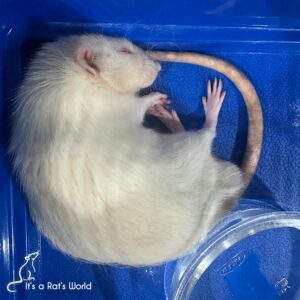
The veterinary community advocates for the normalization of the "sniff test" as part of a routine health check. By acknowledging that a healthy, well-cared-for rat should smell clean, owners can foster a better understanding of the species. Through consistent cage maintenance, high-quality nutritional support, and proactive veterinary engagement, the stigma surrounding these intelligent animals can be systematically dismantled. The objective reality remains: when given a clean environment and a balanced diet, the domestic rat is a model of cleanliness, far removed from the negative stereotypes associated with their wild counterparts.

