


By Diane Burroughs
Published: September 15, 2026
Updated: September 16, 2026
For owners of companion birds, the health and well-being of their avian companions are of paramount importance. Among the various physiological indicators of a bird’s health, the movement of the tail—specifically the rhythmic up-and-down motion known as "tail bobbing"—is a frequently observed phenomenon that often triggers significant concern. While this movement can be a benign aspect of normal avian behavior, it is also a clinically recognized symptom of respiratory distress. Distinguishing between these two states is a critical skill for any bird owner, as timely intervention can be the difference between a minor health issue and a life-threatening medical emergency.
The Physiology of Avian Respiration
To understand why tail bobbing occurs, one must first look at the unique anatomy of avian respiration. Unlike mammals, which rely on a diaphragm to move air, birds use a complex system of air sacs and skeletal movements to facilitate breathing. Because birds do not have a diaphragm, their respiratory efficiency is tied closely to the movement of their chest and abdomen.
When a bird is physically exerted or experiencing a respiratory infection, the muscles surrounding the thoracic cavity must work harder to exchange air. This increased physical effort often manifests as a visible rhythmic movement of the tail, which acts as a secondary indicator of the abdominal exertion required to breathe. In a healthy state, a bird’s respiration should be effortless and quiet. When the tail begins to oscillate in a persistent, rhythmic pattern that mirrors the bird’s breathing cycle, it is a clear clinical sign that the respiratory system is under stress.
Clinical Distinctions: Normal vs. Abnormal
The primary challenge for owners lies in the ambiguity of movement. A bird’s tail is a dynamic part of its anatomy, constantly utilized for balance, flight, and communication. Distinguishing between these normal functions and pathological distress requires an objective, observational approach.
Normal tail movement is typically transient and circumstantial. Following periods of high-energy activity, such as flight or vigorous play, it is standard for a bird to exhibit a temporary increase in respiratory rate and amplitude. This is the avian equivalent of an athlete catching their breath. Similarly, when a bird is vocalizing, singing, or feeling startled, the physical mechanics of these activities may temporarily alter the cadence of their breathing. In these instances, the tail movement is rhythmic but should subside within a few minutes as the bird returns to a resting state.
Conversely, pathological tail bobbing—or respiratory distress—is characterized by persistence. If a bird is observed on a perch in a calm environment, yet the tail continues to bob with every breath, this is a significant red flag. Often, this physical sign is accompanied by other clinical indicators that point to an underlying health issue.
The Holistic Assessment Approach
Veterinary experts emphasize that tail bobbing should never be evaluated in isolation. A diagnostic assessment must consider the "whole bird" approach. When observing a bird for signs of respiratory compromise, owners should monitor for the presence of secondary clinical symptoms.
Key indicators that heighten the clinical concern include:
- Postural Changes: A bird that remains "fluffed" for extended periods, sits low on the perch, or appears to be guarding its abdomen.
- Ocular Signs: Squinty, dull, or partially closed eyes are often indicative of lethargy or discomfort.
- Behavioral Shifts: A sudden decrease in activity, a change in vocalization patterns, or an uncharacteristic lack of interest in surroundings.
- Respiratory Sounds: The presence of audible clicks, wheezes, or high-pitched chirps during breathing are definitive signs of obstruction or infection.
- Oral Signs: Open-mouth breathing is a severe indicator that the bird is struggling to maintain adequate oxygen levels and requires immediate veterinary attention.
A Chronology of Clinical Concern
When an owner identifies tail bobbing, the immediate priority is to document the duration and intensity of the symptom. A simple timeline can be invaluable to a veterinarian:
- Observation: Identify the exact moment the bobbing began. Was it associated with a recent flight or a stressful event?
- Stabilization: Allow the bird to rest for 15 to 20 minutes in a quiet, low-stress environment.
- Assessment: If the tail continues to bob after the recovery period, document the duration of this persistent state.
- Documentation: If possible, record a short, clear video of the bird from a distance. This provides the veterinarian with objective visual evidence that is often more useful than a verbal description.
Potential Underlying Causes
It is a common misconception that tail bobbing is synonymous with a simple respiratory infection. While infections—be they bacterial, fungal, or viral—are common, they are by no means the exclusive cause. The diagnostic list for a bird presenting with respiratory effort is extensive and includes:
- Heart Disease: Congestive heart failure in birds can lead to fluid accumulation in the air sacs or lungs, manifesting as increased respiratory effort.
- Reproductive Issues: Egg binding or other reproductive tract complications can place physical pressure on the air sacs, hindering normal expansion.
- Environmental Irritants: Exposure to aerosolized chemicals, smoke, teflon fumes, or poor air quality can cause immediate respiratory inflammation.
- Airway Obstruction: Foreign bodies or growths within the trachea or syrinx can create physical barriers to airflow.
- Systemic Illness: Metabolic or nutritional deficiencies can weaken the muscles used for respiration, leading to secondary respiratory effort.
Given this wide differential diagnosis, professional veterinary intervention is the only safe course of action. Relying on home remedies or assuming the cause is minor can lead to the progression of potentially treatable conditions into terminal scenarios.
Official Guidelines for Veterinary Intervention
The consensus among avian health professionals is clear: if a bird shows signs of respiratory distress, the situation should be treated as an emergency. The urgency is amplified if the bird exhibits any of the following:
- Inability to remain on a perch (collapse).
- Visible gasping for air or extreme open-mouth breathing.
- Total lack of response to external stimuli.
- Obvious weakness or inability to stand.
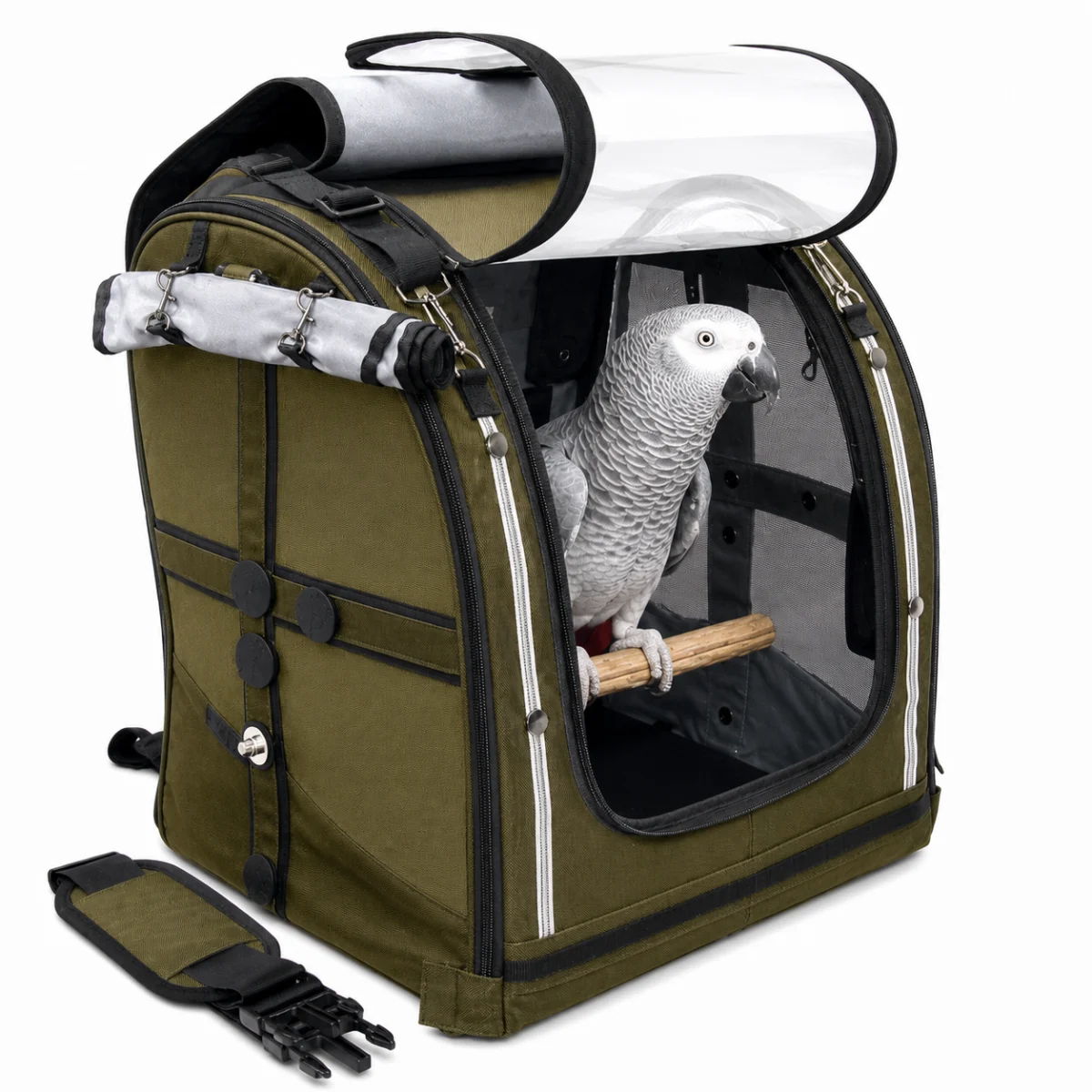
In such cases, the bird should be placed in a secure, well-ventilated carrier and transported to an avian or exotics-specialized veterinarian immediately. During transport, minimize handling to prevent further oxygen depletion.
Broader Implications and Preventive Care
The prevalence of respiratory issues in companion birds underscores the necessity of proactive environmental management. High-quality air filtration, avoiding common household toxins (such as non-stick cookware or aerosol cleaners), and maintaining a balanced, species-appropriate diet are the cornerstones of avian health.
Furthermore, owners are encouraged to establish a relationship with an avian-certified veterinarian before an emergency occurs. Regular wellness exams can help establish a baseline for what is "normal" for an individual bird, making it much easier to identify deviations early on.
Ultimately, tail bobbing is a silent language of distress. It is a signal that the bird’s internal systems are struggling to maintain the fundamental requirement of life: oxygen. By approaching this sign with vigilance, objective observation, and a commitment to professional veterinary care, bird owners can ensure they are providing the highest standard of health and protection for their avian companions. As with all matters of medical significance, the best approach is to act quickly, act calmly, and prioritize the expert opinion of a qualified veterinarian.

