


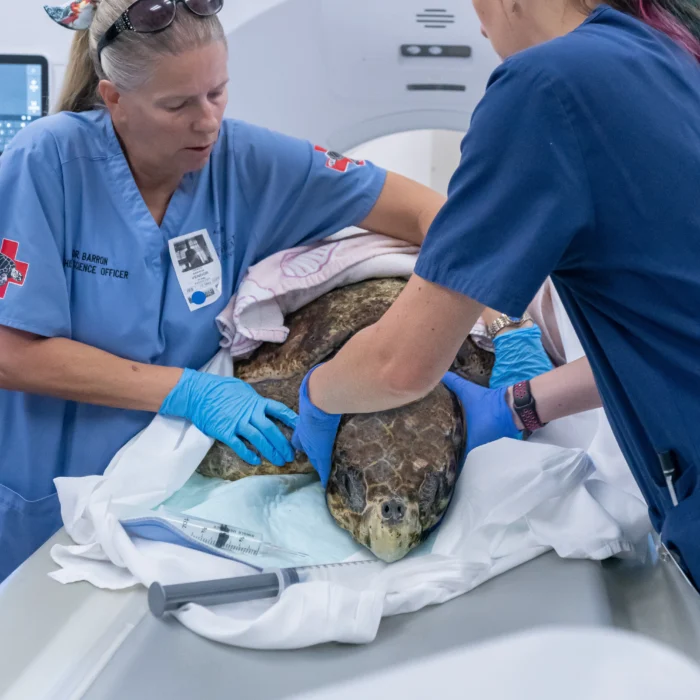
The Critical Necessity of Specialized Marine Veterinary Care
Sea turtles represent some of the most vulnerable species in marine ecosystems, facing a spectrum of threats including plastic ingestion, boat strikes, entanglement in fishing gear, and infectious diseases such as fibropapillomatosis. Historically, veterinary medicine for these reptiles was decentralized and often relied on anecdotal evidence. The recent push toward standardized, evidence-based protocols marks a significant shift in how wildlife hospitals manage these patients.
The newly released materials serve as a pedagogical tool for veterinarians and veterinary technicians, covering essential aspects of triage, stabilization, and intensive care. By facilitating access to RACE-approved (Registry of Approved Continuing Education) content, the program ensures that practitioners receive recognized credit for their training, thereby professionalizing the field and raising the standard of care across global rehabilitation centers.
A Structured Approach to Professional Development
The educational initiative is structured into a modular format to maximize learning retention and practical application. Participants are guided through a comprehensive curriculum that emphasizes the physiological uniqueness of sea turtles—animals whose ectothermic metabolism and specialized diving physiology complicate standard anesthetic and pharmacological interventions.
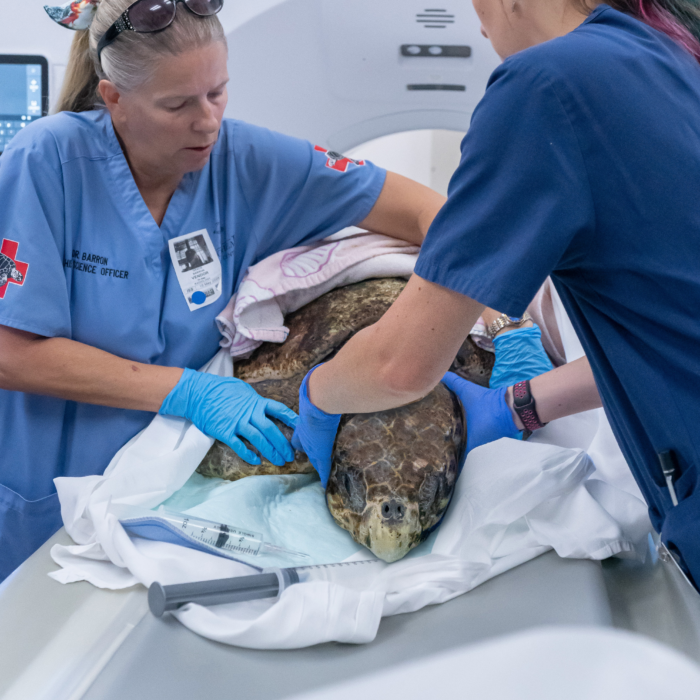
To earn a personalized continuing education certificate, professionals must engage with the webinar content and successfully complete a post-test. This automated assessment system acts as a quality control mechanism, ensuring that clinicians have mastered the material before receiving credit. The integration of a "Housekeeping" documentation system—which provides a consolidated PDF containing links to all necessary modules, evaluation forms, and supplemental resources—simplifies the administrative burden on busy clinical staff, allowing them to focus on the technical aspects of the curriculum.
Supporting Data and Clinical Implications
Data from global marine research centers indicates that early intervention is the primary determinant of survival for stranded turtles. According to various wildlife health reports, the success rate of rehabilitation efforts is directly correlated with the timeliness of specialized care. By providing advanced training on fluid therapy, diagnostic imaging in aquatic environments, and nutritional support, programs like the one offered through LafeberVet address the "knowledge gap" that often exists between general small animal practice and specialized marine wildlife medicine.
The sponsorship by EmerAid, specifically their focus on intensive care nutrition, highlights the role of metabolic support in the recovery of weakened marine patients. Proper nutritional management is often the most significant challenge in the rehabilitation of emaciated or chronically ill sea turtles, as their gut flora and metabolic rates are highly sensitive to dietary changes. The inclusion of these specialized feeding protocols in the training modules reflects an industry-wide recognition that nutrition is not merely supportive but foundational to medical success.
Chronology of the Educational Initiative
The development of this curriculum follows a decade of increasing focus on marine conservation medicine. Over the past several years, the veterinary community has seen a rise in the frequency of sea turtle strandings, prompting a corresponding increase in the demand for specialized clinical knowledge.

- Foundation Phase: Development of clinical case studies focusing on common traumatic injuries and infectious diseases.
- Expansion Phase: Implementation of virtual learning platforms to democratize access for veterinarians in remote or under-resourced coastal areas.
- Accreditation Phase: Alignment of educational materials with RACE standards to ensure broad acceptance and professional utility.
- Current Phase: Deployment of an integrated, multi-platform system including post-test evaluations, feedback mechanisms for future curriculum development, and downloadable clinical resources.
Evaluating Impact and Gathering Feedback
A critical component of this initiative is the emphasis on continuous improvement. Through the use of standardized evaluation forms, the organizers are collecting data on the efficacy of the modules and identifying emerging needs within the veterinary field. By soliciting feedback directly from participants, the program ensures that its future modules remain relevant to the evolving challenges faced by sea turtle clinicians, such as shifting migratory patterns and the emergence of new environmental toxins.
The objective of this feedback loop is to foster a community of practice. By connecting experts with those in the field, the platform acts as a conduit for the latest advancements in pharmacology, surgical techniques, and long-term husbandry. This is particularly vital in the context of climate change, which has altered the distribution and health profiles of various sea turtle populations.
Broader Implications for Marine Conservation
The significance of this educational program extends beyond the walls of individual veterinary clinics. By empowering veterinarians with the skills to treat these animals effectively, the program contributes to the broader goals of marine conservation. Every rehabilitated turtle returned to the ocean is a potential reproductive contributor to its population—a critical factor for species already struggling with low survival rates in the wild.
Furthermore, the professionalization of sea turtle medicine enhances the scientific value of rescue data. Standardized medical records and treatment protocols allow researchers to better track trends in wildlife health, providing an early warning system for environmental degradation or the spread of novel pathogens in marine habitats. The data generated through these clinical encounters is increasingly used to inform public policy regarding marine protection zones, fishing regulations, and coastal development.

Technical Resources and Accessibility
The accessibility of this training is a major point of emphasis. By utilizing a free registration model, the initiative removes financial barriers that often prevent clinicians in developing nations—where many of the world’s critical sea turtle nesting sites are located—from accessing high-quality veterinary education. This global perspective is essential, as the threats to sea turtles are international in scope, requiring a collaborative, cross-border approach to conservation and medicine.
The provided "Housekeeping" materials serve as an essential reference tool, designed for long-term use in clinical settings. This ensures that the information provided in the webinar is not just transient knowledge but a lasting resource that can be consulted during emergency triage or complex surgical procedures.
Future Directions in Sea Turtle Medicine
As the field continues to mature, the focus is expected to shift toward more advanced diagnostics, including molecular diagnostics for viral infections and long-term telemetric monitoring of rehabilitated animals. The foundation established by these current educational initiatives provides the necessary groundwork for these more sophisticated interventions.
Ultimately, the marriage of clinical excellence and digital accessibility represents the next frontier in wildlife medicine. By standardizing the approach to sea turtle health, the veterinary community is not only improving the prognosis for individual patients but is also contributing to the long-term resilience of these ancient and vital marine creatures. Through ongoing education, institutional support, and a commitment to evidence-based practice, the veterinary profession continues to demonstrate its critical role in the broader effort to preserve the integrity of marine ecosystems for future generations.

