


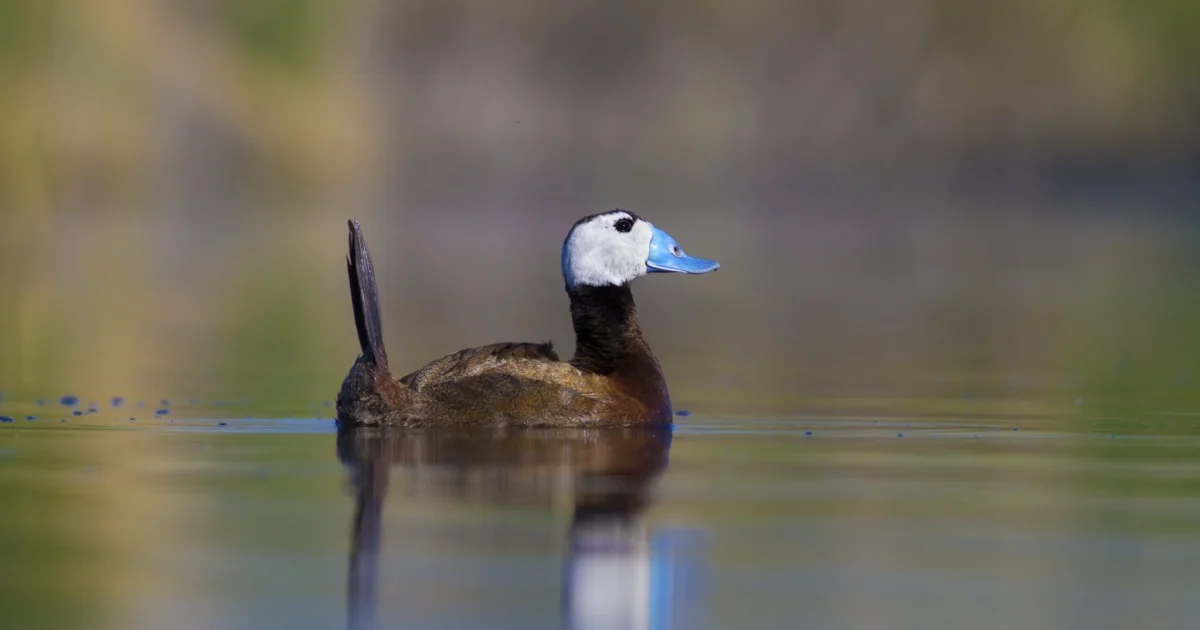
In a landmark development for hemispheric biodiversity, BirdLife International, the National Audubon Society, and CAF—Development Bank of Latin America and the Caribbean—have officially unveiled the Flyways Nature Bond Framework. Announced on September 11, 2026, in Nairobi, Kenya, this rigorous scientific and environmental methodology is designed to bridge the gap between conservation science and international development finance. By establishing standardized, evidence-based criteria for project selection, the framework aims to catalyze investment in nature-based solutions and bird-friendly infrastructure throughout the Americas.
The Genesis of a Hemispheric Alliance
The creation of the Flyways Nature Bond Framework is the latest milestone in the Americas Flyways Initiative (AFI). Launched to address the escalating crisis of migratory species loss, the AFI functions as a strategic alliance that integrates the conservation expertise of BirdLife International and the National Audubon Society with the financial reach and development mandates of CAF.
The initiative emerged from the recognition that migratory birds serve as “biological indicators” of environmental health. Because these species traverse vast distances—often spanning from the Canadian Arctic to the southern reaches of South America—the degradation of a single wetland in one nation can trigger a population collapse thousands of miles away. The AFI was conceived as a mechanism to harmonize conservation efforts across borders, ensuring that development projects do not inadvertently destroy the fragile stopover points and breeding grounds essential for avian survival.
A Chronology of Collaboration
The formalization of this framework follows years of increasing alarm within the scientific community regarding the status of migratory birds. The timeline of this collaborative effort underscores the urgency felt by the partner organizations:

- 1970–Present: Long-term monitoring efforts in North America reveal a staggering decline of nearly 2.5 billion breeding birds, signaling an ecosystem in distress.
- Early 2020s: BirdLife International and the National Audubon Society intensify lobbying and research efforts, highlighting that the decline of migratory birds is a systemic failure of land-use planning.
- 2025: The Americas Flyways Initiative (AFI) gains significant momentum, with CAF committing to incorporate biodiversity into its regional financing portfolio.
- September 2026: During the Global Flyways Summit in Nairobi, the three organizations sign a Memorandum of Understanding (MoU), effectively launching the Flyways Nature Bond Framework. This event serves as the cornerstone for future project assessments.
Data-Driven Conservation: The Scale of the Crisis
The urgency behind the Flyways Nature Bond Framework is rooted in stark environmental data. Currently, 289 species of migratory birds in the Americas are in decline, representing nearly 50% of the hemisphere’s total migratory avian population. In Latin America and the Caribbean, an additional 460 species are classified as threatened.
These figures are not merely numbers; they represent the unraveling of vital ecosystem services. Migratory birds perform essential functions, including pollination, seed dispersal, and pest control. Their disappearance indicates that the landscapes—wetlands, grasslands, and coastal forests—that support them are also failing. The Framework aims to reverse this trend by setting a bold target: the protection of 10% of the populations of representative migratory bird species by the year 2050.
The Mechanism of the Framework
The Flyways Nature Bond Framework operates by providing a diagnostic lens through which CAF evaluates potential development projects. It does not merely look at the immediate financial return of a project but assesses its long-term ecological impact. Key eligibility criteria include:
- Strategic Location Analysis: Projects must be evaluated based on their proximity to critical flyway corridors and stopover sites.
- Nature-Based Solutions (NbS): The Framework prioritizes projects that utilize natural features—such as mangrove restoration or the preservation of wetlands—to provide structural benefits like flood mitigation and carbon sequestration.
- Bird-Friendly Infrastructure: For industrial or urban development, the framework provides guidelines on minimizing threats, such as reducing light pollution that disorients migratory birds or implementing avian-safe power line designs.
- Integrated Monitoring: Every project financed under this framework must include a mandatory monitoring and evaluation protocol to ensure that the anticipated benefits to biodiversity are actually realized over time.
Official Perspectives on the Partnership
The launch of the framework represents a significant shift in how multilateral banks approach development. Sergio Díaz-Granados, Executive President of CAF, noted that the framework is a crucial step in integrating biodiversity into the core of development finance. "The Framework creates a consistent basis for identifying projects that may benefit migratory birds, their habitats and ecosystems," he stated, emphasizing that biodiversity is no longer an "add-on" but a prerequisite for sustainable regional development.
Martin Harper, CEO of BirdLife International, underscored the connectivity inherent in the project. "Flyways are not just migration routes for birds; they connect critical sites, landscapes, biodiversity, and the people who depend on them," Harper said. By leveraging BirdLife’s extensive network of national partners, the initiative ensures that global science is translated into localized action on the ground.

Dr. Elizabeth Gray, CEO of the National Audubon Society, framed the initiative as a model for the future of conservation. "Birds show us where nature needs investment most," Gray remarked. "The Flyways Nature Bond Framework brings Audubon’s science into financing decisions, helping identify projects with the potential to strengthen the ecosystems birds and people share."
Broader Implications and Socio-Economic Impact
The implications of the Flyways Nature Bond Framework extend well beyond avian conservation. By prioritizing the protection of wetlands and forests, the framework provides a robust defense mechanism for human communities. Healthy wetlands act as natural sponges, absorbing excess rainfall and reducing the risk of catastrophic flooding, which is increasingly common due to climate change. Similarly, protected coastal areas buffer against storm surges, while intact forests ensure water security and provide natural climate resilience.
Furthermore, the framework supports the economic stability of local populations. Many areas that are critical for migratory birds also sustain local livelihoods through sustainable fishing, eco-tourism, and traditional agriculture. By aligning economic development with environmental health, the framework aims to prove that nature-positive investments can be more resilient and profitable in the long term than extractive or degradative development.
Challenges and Future Outlook
While the Framework provides a robust structure, the success of the initiative will depend on its implementation across diverse political landscapes. Latin America and the Caribbean comprise a wide range of regulatory environments. The ability of the AFI to maintain consistent standards across borders will be the primary test of its effectiveness.
Critics and observers of international development finance note that the real challenge lies in scaling the financing. While the Framework establishes the criteria for selection, the actual flow of capital will depend on the appetite of international investors for "Nature Bonds." By providing a scientific seal of approval, however, the Framework significantly lowers the risk for private and public investors, making these projects more attractive for green portfolios.
The collaborative nature of this initiative reflects a growing trend in global governance: the recognition that environmental crises cannot be solved by environmental organizations alone. By involving a major development bank like CAF, the partnership is essentially trying to "re-wire" the financial system to account for natural capital.
Conclusion
The completion of the Flyways Nature Bond Framework marks a pivotal transition in the conservation of the Americas. It is a proactive, science-led strategy that acknowledges the interconnectedness of global ecosystems and the necessity of aligning financial incentives with ecological imperatives. As the world faces a dual crisis of climate change and biodiversity loss, initiatives that can protect 10% of migratory species while simultaneously fortifying human communities represent a rare and necessary optimism. If successful, the framework will not only save thousands of bird species but will also serve as a blueprint for a more sustainable, resilient, and scientifically informed approach to development across the hemisphere.

