


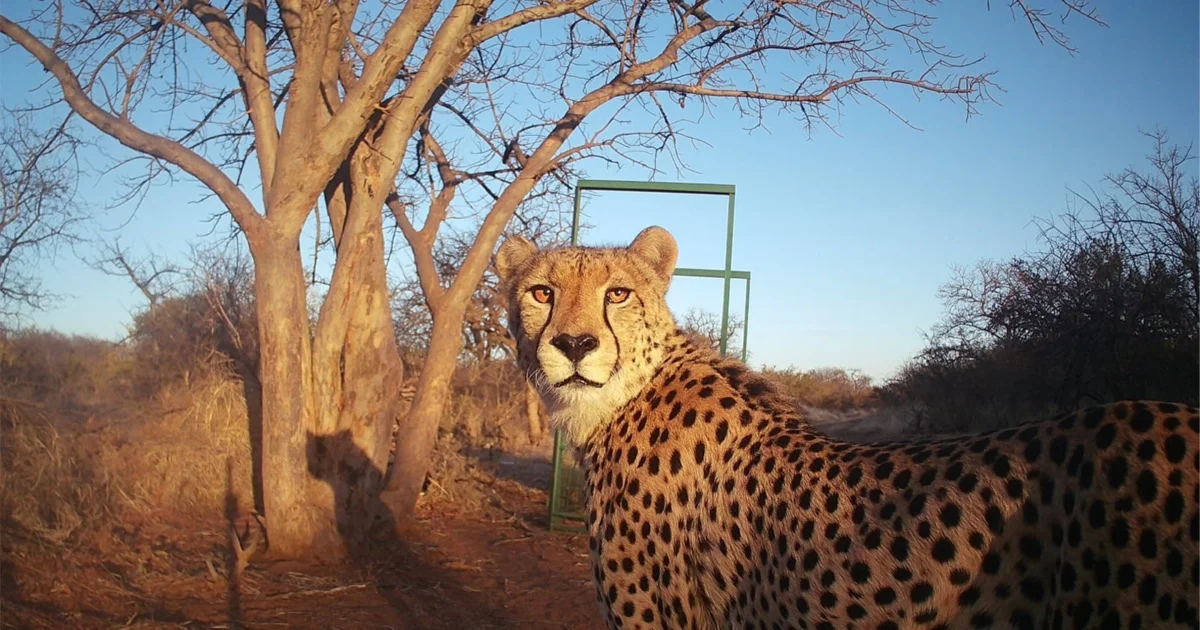
A comprehensive, three-and-a-half-year scientific survey of South Africa’s free-roaming cheetah population has delivered a sobering reality check to conservationists, indicating that the number of these iconic big cats surviving outside of protected national parks is significantly lower than previous estimates suggested. The study, spearheaded by the Ashia Cheetah Conservation organization, utilized an extensive network of 389 camera traps to monitor vast swathes of private and commercial farmland. The findings suggest a population count as low as 83 mature individuals, a sharp departure from earlier, more optimistic estimates that placed the number at approximately 600.
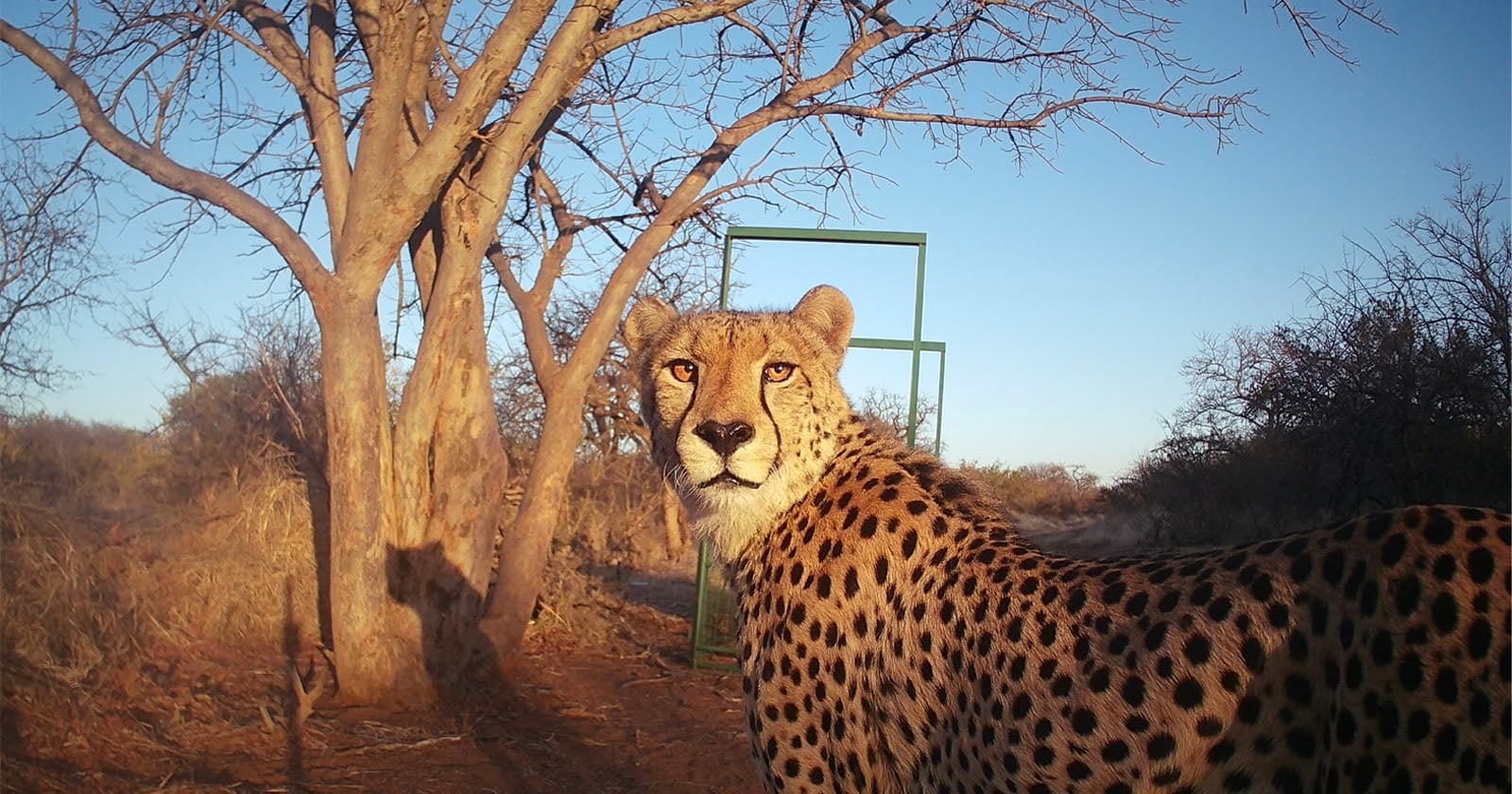
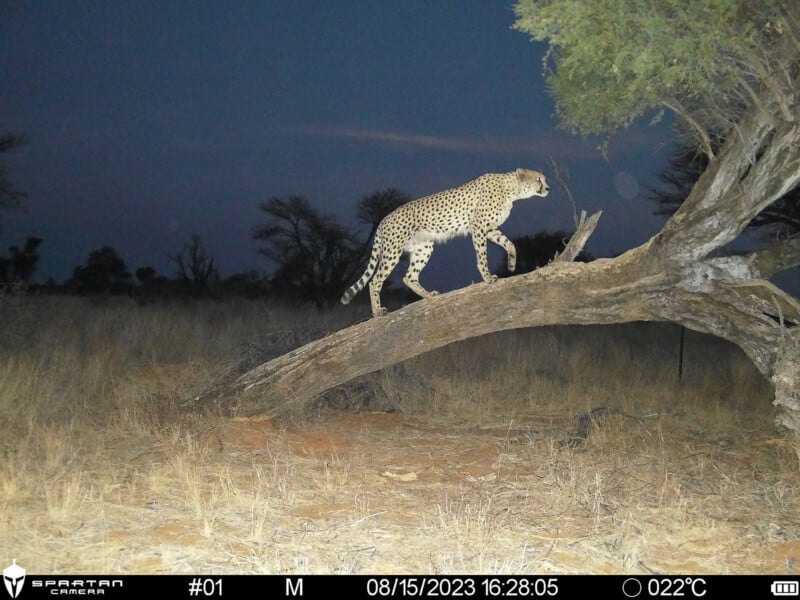
The methodology behind the Free-Roaming Cheetah Census represents a landmark effort in wildlife monitoring. Spanning over 40 months, the project required the deployment of three dedicated field teams responsible for maintaining the camera array. The result was a massive repository of 5.2 million images. To process this volume of visual data, researchers integrated artificial intelligence (AI) models designed to identify and catalog cheetah sightings automatically. However, the study highlighted the limitations of current technology; even with advanced machine learning, human oversight remained essential to verify the data. Project coordinator Marna Smit noted that while AI is an invaluable efficiency tool, its classification accuracy hovered around 70 percent, necessitating intensive manual review to ensure scientific integrity.
Defining the Population Fragments
To understand the severity of the findings, it is necessary to categorize the distribution of South Africa’s cheetahs. Conservation authorities typically divide the national population into four distinct groups. The first comprises captive populations held in sanctuaries or breeding programs. The second consists of cheetahs living within the boundaries of private game reserves and formally protected national parks. The third group includes semi-protected populations, such as those within the Kruger National Park (KNP) and the Kgalagadi Transfrontier Park (KTP), where large, enclosed ecosystems offer a measure of stability.
The fourth category—and the primary focus of the Ashia study—is the free-roaming population. These cats occupy a precarious existence on private commercial farmlands, fragmented corridors, and communal lands along the borders of Namibia, Botswana, and Zimbabwe. Unlike their counterparts in the protected parks, these cheetahs face constant pressure from human encroachment, habitat fragmentation, and direct conflict with livestock farmers.
Chronology of the Census
The genesis of this study lies in the growing discrepancy between anecdotal evidence from farmers and the extrapolated population models used by previous conservation assessments. For years, the scientific community relied on density estimates that often failed to account for the high mortality rates associated with human-wildlife conflict in agricultural zones.
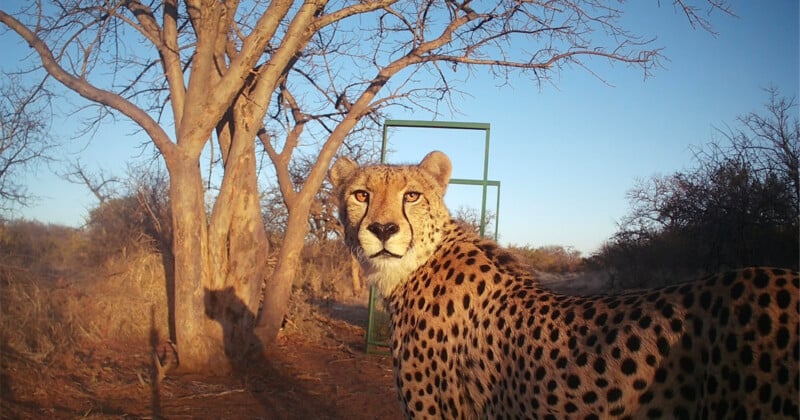
In early 2023, the Ashia Cheetah Conservation team initiated the systematic deployment of camera traps. Over the next three years, field teams navigated challenging terrains to ensure consistent coverage of known cheetah corridors. By mid-2026, the data collection phase concluded, followed by several months of rigorous AI-assisted image analysis and human verification. The release of the final report in the third quarter of 2026 served as a catalyst for a national debate regarding the efficacy of current predator management policies.
The Conflict of Coexistence
A significant portion of the study explores why the free-roaming population remains so fragile. Cheetahs are frequently scapegoated by farmers for livestock losses, particularly among smaller herds. However, biological and behavioral data often contradict these perceptions. Marna Smit emphasizes that caracals and jackals are frequently the primary predators of small livestock, while leopards are more often responsible for losses among larger animals.
"Cheetahs get blamed because you see them more often," Smit stated in a report to the Daily Maverick. This visibility is a result of the cheetah’s diurnal hunting habits, which contrast with the nocturnal behavior of other predators. Because cheetahs are frequently spotted in open areas during daylight hours, they become the visible target for retaliatory measures, including shooting or trapping. This ongoing human-wildlife conflict is a primary driver of the population suppression observed in the study.
Biological Insights and Rare Sightings
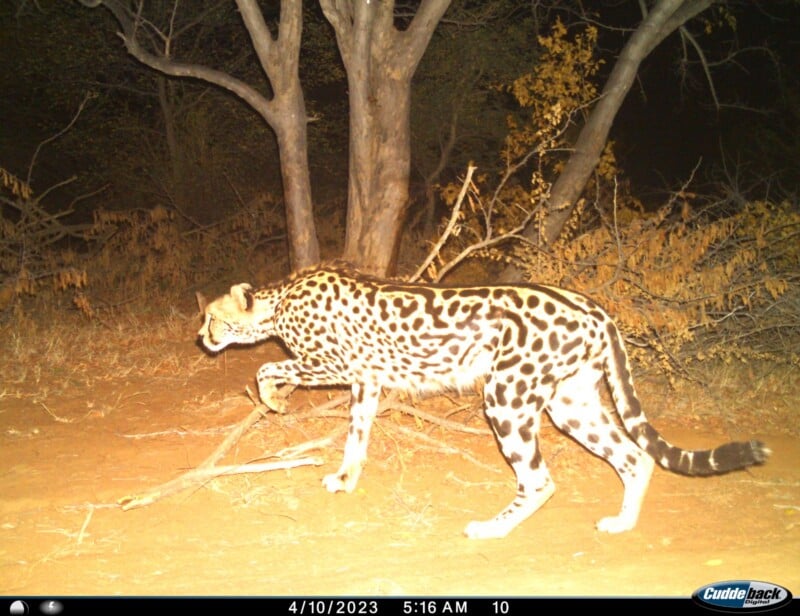
The vast dataset gathered by the camera traps provided more than just a population count; it offered a window into the elusive behaviors of these cats. Among the millions of frames, researchers were startled to capture footage of an ultra-rare "king cheetah." Distinguished by a distinct, blotchy coat pattern and dorsal stripes resulting from a rare recessive mutation, the presence of this individual highlights the genetic diversity that remains within the population—if the habitat can be preserved.
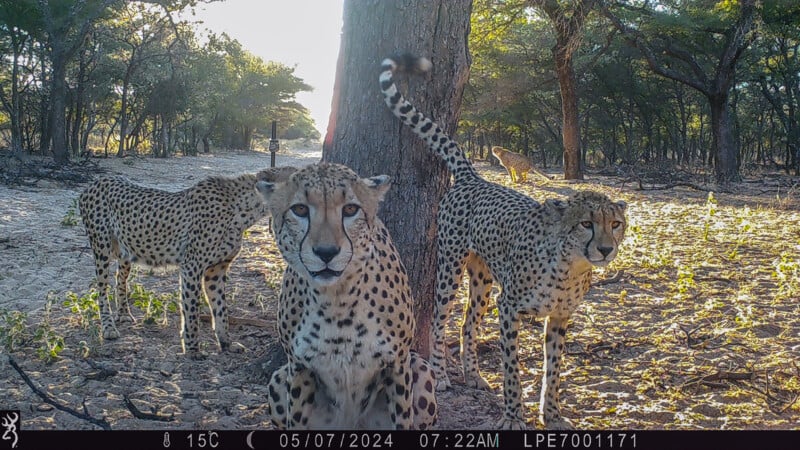
The study also documented the social dynamics of the species, including observations of adult males forming coalitions and sub-adults navigating the transition to independence. These visual records provide crucial evidence of how cheetahs utilize fragmented landscapes, moving through "islands" of vegetation that serve as the only remaining conduits for dispersal.
Scientific Implications and Future Policy
The revelation that there may be only 83 mature adults in the free-roaming population has profound implications for conservation strategy. Previous models, which suggested a population of 600, may have been based on optimistic carrying-capacity estimates that failed to account for the reality of land use in the region.
"This is the first correct, or the most correct, baseline that we’ve ever had," Smit explained. "Maybe we’ve always had low numbers and the estimates were ridiculously high." The shift from a perceived population of 600 to a verified count of 83 necessitates an immediate reassessment of the conservation status of these animals.
If the population is truly this low, every individual death—whether through human conflict or environmental stress—has a massive impact on the genetic viability of the group. The fragmentation of the landscape means that these cats have limited opportunities to find mates or expand their territory, leading to potential inbreeding and a decrease in resilience against disease.
The Path Forward: Conservation and Coexistence
The Ashia Cheetah Conservation report serves as both a warning and a tool. By establishing an accurate baseline, researchers can now monitor the population with precision. The next phase of the project will focus on determining whether the population is in a state of rapid decline or if it has reached an equilibrium dictated by the current state of habitat fragmentation in South Africa.
Implications for policymakers are clear: conservation efforts must move beyond protected parks and into the agricultural sector. Programs that incentivize "predator-friendly" farming practices, such as the use of livestock guarding dogs or improved kraal management, are essential if the free-roaming population is to survive. The study suggests that if these cheetahs are to persist, they require more than just protection from hunting; they require the restoration of biological corridors that allow them to move safely between protected areas and private lands.
The reality uncovered by the three-and-a-half-year survey is that the "illusion" of a larger population has masked a quiet, ongoing crisis. The cheetahs that live on the fringes of human civilization are not just symbols of the African wild; they are a critical component of the ecosystem. Whether they remain a feature of the South African landscape will depend on the willingness of local communities and government bodies to address the realities of a fragmented, crowded, and increasingly hostile environment.
As the scientific community digests these findings, the focus remains on the 83 individuals identified by the cameras. Each image, whether of a solitary hunter or a coalition of brothers, represents a fragile link to a future that is currently hanging in the balance. The Free-Roaming Cheetah Census has stripped away the assumptions of the past, providing the hard, cold data necessary to craft a more effective and honest approach to the preservation of one of the world’s most charismatic predators.

