


Avian veterinarians and nutritionists emphasize that providing a varied diet is paramount to the health, longevity, and psychological well-being of companion budgerigars (commonly known as budgies or parakeets). While commercial seed mixes and pelleted formulas form the cornerstone of a standard captive diet, supplementing these staples with fresh, single-ingredient human foods offers essential micronutrients and vital behavioral enrichment. However, navigating the vast array of household foods can present a challenge for pet owners, particularly when distinguishing between safe culinary treats and hazardous substances.
Understanding Avian Nutritional Requirements in Captivity
In the wild, Australian budgies forage across arid grasslands, consuming a diverse array of native grass seeds, emerging shoots, occasional insects, and seasonal vegetation. Replicating this dynamic nutritional landscape in a domestic setting requires careful consideration. According to avian care guidelines established by veterinary specialists, modern pet birds thrive when their primary diet is supplemented with high-grade vegetables, controlled portions of fruit, wholesome grains, and appropriate household staples.
When commercial avian feed is depleted, many owners turn to their own pantries. Fortunately, standard household kitchens frequently harbor numerous safe, single-ingredient food items that can serve as viable substitutes or rewarding training treats. To maintain optimal health, veterinarians strongly advise avoiding heavily processed human foods—such as chips, french fries, pizza, and cookies—which contain excessive levels of sodium, refined sugars, saturated fats, and chemical preservatives that can severely strain an avian digestive system.
Safe Household Foods for Budgies: 19 Pantry Staples
For owners looking to diversify their parakeet’s diet or manage a temporary shortage of standard bird seed, nineteen common household foods have been evaluated and deemed safe for consumption when prepared and served correctly.
Bread: Budgies may safely consume small portions of bread, provided it is unrefined and minimalist in composition. Whole-wheat bread that lacks excessive added sugars and hydrogenated fats is acceptable. Highly processed white breads or sweet brioche products should be strictly avoided due to their high glycemic index and lack of nutritional value. Any natural seeds embedded in the crust, such as sesame or poppy seeds, provide an added nutritional bonus.
Sunflower Seeds: As a favorite of psittacines, sunflower seeds are readily accepted. However, commercially roasted and salted varieties marketed for human consumption must be avoided due to sodium toxicity risks. Furthermore, because sunflower seeds possess a high fat content, they should be strictly rationed as intermittent training rewards rather than incorporated into daily meals.
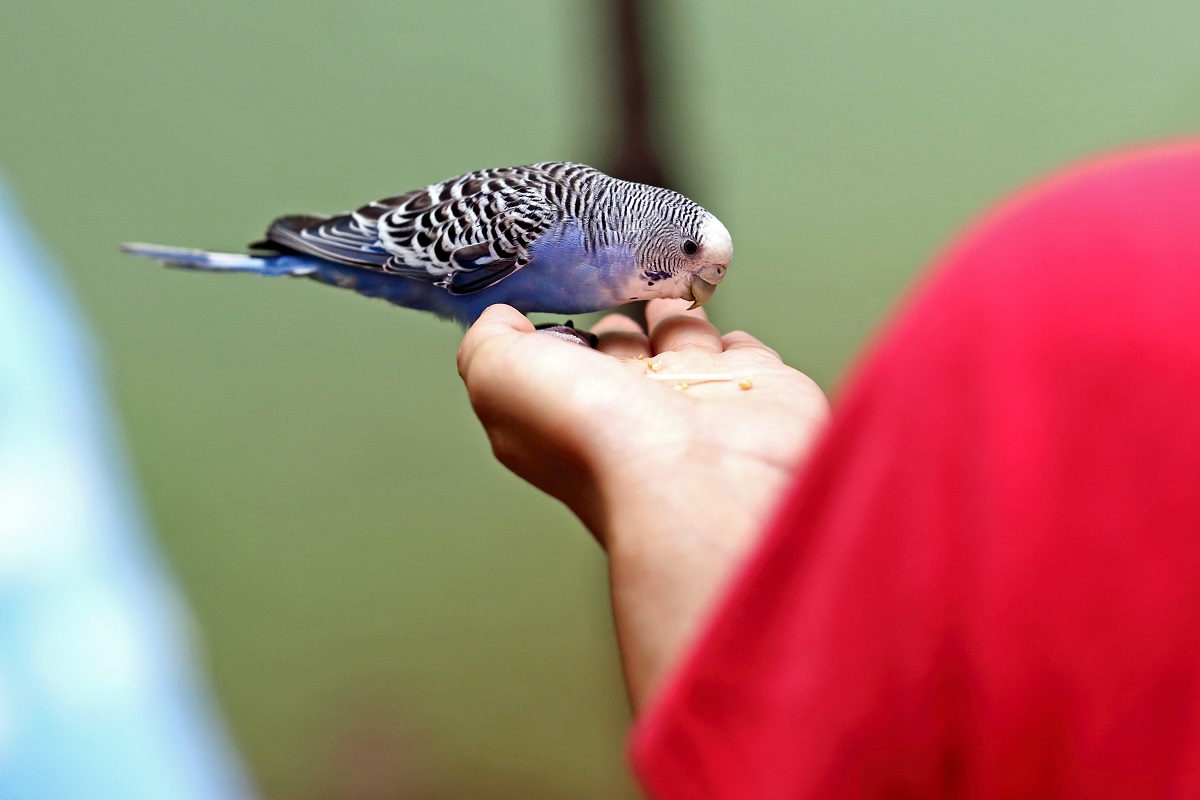
Natural Peanut Butter: Natural peanut butter—consisting exclusively of peanuts and trace amounts of salt—is safe in moderation. Highly processed commercial peanut spreads containing hydrogenated vegetable oils and refined sugars are unsuitable. Beyond nutrition, a microscopic dab of natural peanut butter serves as an effective behavioral lure, helping timid birds acclimate to novel objects or foraging toys.
Boiled Eggs: Cooked eggs provide valuable avian protein, particularly for breeding hens whose bodies deplete significant nutritional reserves during egg production. Both hard-boiled and plain scrambled eggs (prepared entirely without oil, butter, or salt) can be shared in small quantities.
Chia Seeds: Although native to Mexico rather than Australia, chia seeds are exceptionally well-tolerated by granivorous birds. Owners can sprinkle a quarter-teaspoon of dry chia seeds directly over regular feed to supply healthy plant-based nutrients.
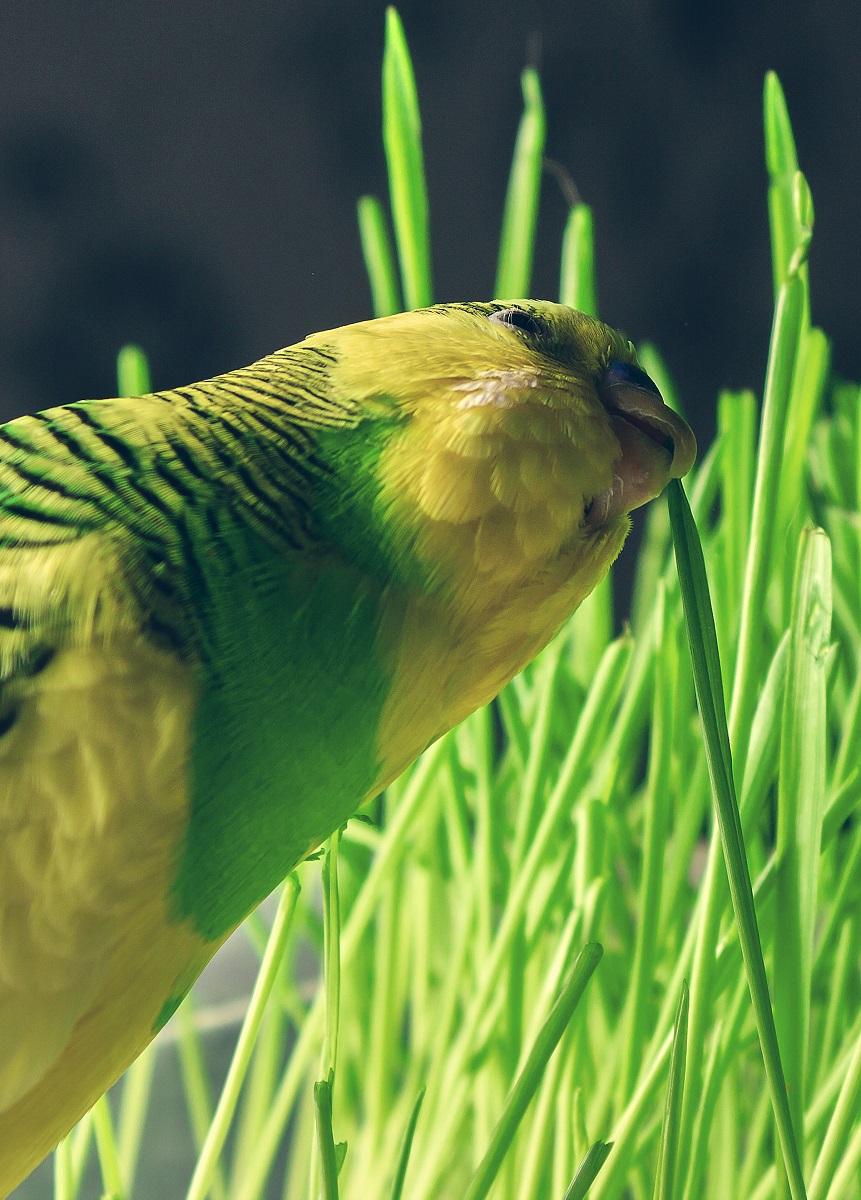
Wheatgrass: Both sprouted wheatgrass and wheatgrass seeds offer exceptional nutritional value and encourage natural foraging behaviors. To prevent fungal contamination or exposure to chemical fertilizers and bacteria from potting soil, wheatgrass should ideally be sprouted through specialized mesh systems rather than soil.
Cashews: Unsalted cashews—either raw or dry-roasted—are safe when meticulously portioned. Given their high fat content, a quarter of a crushed cashew nut is more than sufficient for a single serving.
Cheerios: Plain whole-grain oat and corn starch cereal rings can be offered occasionally. Because they contain minor amounts of added sugar and sodium, consumption should be limited to small fractional pieces.
Pumpkin Seeds: Similar to sunflower seeds, pumpkin seeds are rich in fats and should be offered sparingly. Because of their robust outer husk, owners may need to crack larger pumpkin seeds for smaller parakeets.
Almonds: Raw, unsalted, and unflavored almonds provide healthy fats and proteins. Chopping a quarter of an almond into fine fragments ensures safe ingestion. Raw almonds can also be sprouted to maximize bioavailability.
Chicken: Plain, thoroughly cooked chicken breast or thigh meat without any seasoning, oils, or additives can be offered to provide supplemental protein, particularly for breeding or recovering birds.
Dried Fruit: Unsweetened, preservative-free dried fruits can be shared in moderation. Because dehydration concentrates natural fruit sugars, portions must be kept exceptionally small to prevent obesity and digestive upset.
Hemp Seeds: Widely utilized in commercial bird seed formulations, hemp seeds are completely free of psychoactive compounds and provide beneficial Omega-3 fatty acids.
Pasta: Unsalted, plain boiled pasta—preferably whole-wheat or legume-based variants—can be served in small amounts. Dried pasta pieces also double as durable, edible foraging toys.
Pine Nuts: Like other tree nuts, pine nuts are safe in strictly controlled, micro-quantities devoid of added salt.
Peanuts: High-quality, human-grade, unsalted peanuts are permissible if stored correctly. Historically, improperly stored peanuts contaminated with fungal spores have been linked to aspergillosis, a severe respiratory infection in parrots. Introducing peanuts in their shells encourages natural foraging behavior.
Popcorn: Air-popped, unseasoned popcorn mimics the texture of natural grains and is readily consumed. It serves a dual purpose as both a dietary supplement and an interactive toy component.
Quinoa: A pseudocereal belonging to the amaranth family, quinoa can be served in either its cooked or raw state, delivering a broad spectrum of micronutrients.
Rolled Oats: Plain rolled or steel-cut oats integrate seamlessly into daily diets. While they can be served dry or soaked, sticky oatmeal preparations should be monitored to prevent residue accumulation on the bird’s beak.
Emergency Feeding Strategies and Nutritional Balance
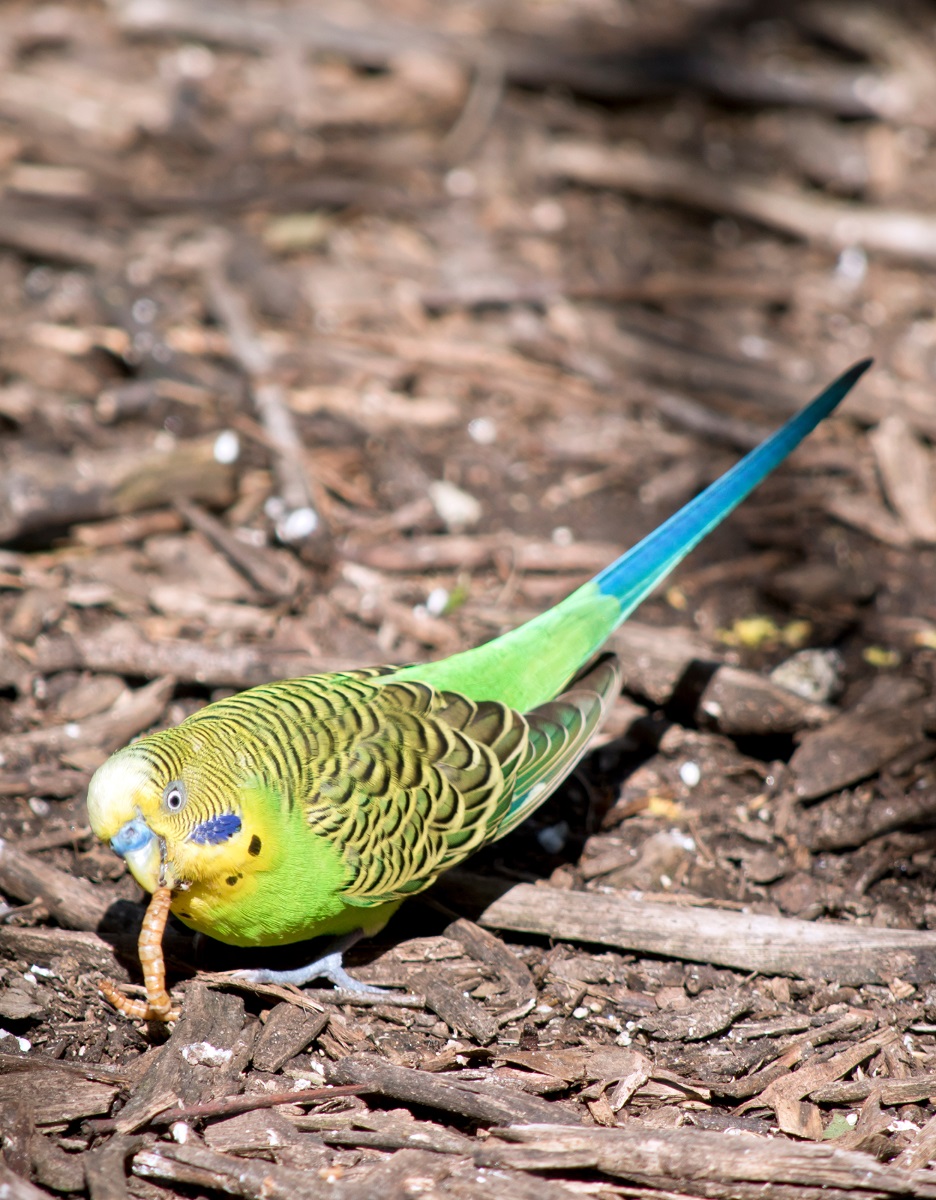
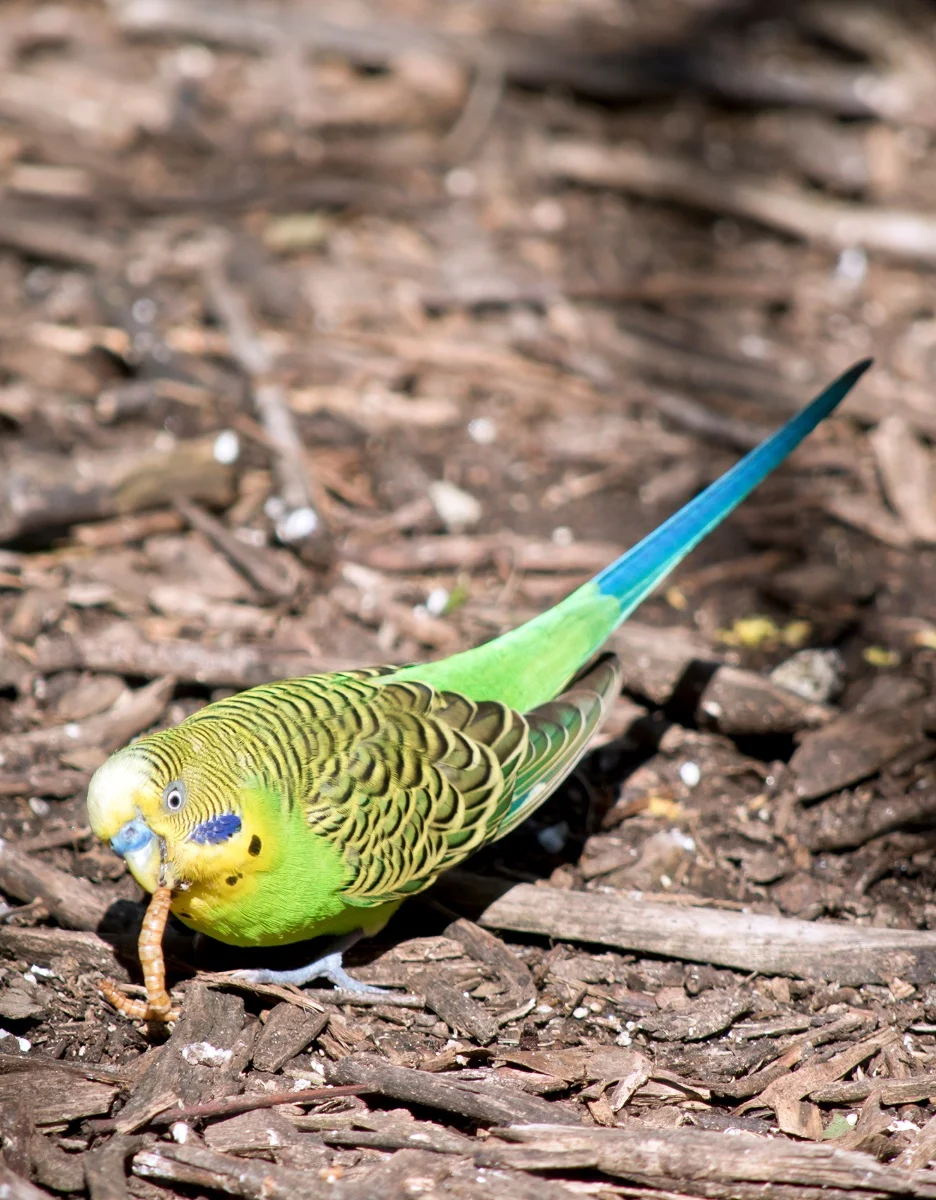
In scenarios where commercial budgie food is entirely unavailable, avian specialists recommend creating a balanced emergency ration. Owners can combine finely chopped safe vegetables, a minimal portion of fresh fruit, and cooked or soaked grains such as oats, quinoa, and rice. Integrating hemp or chia seeds alongside a dusting of crushed plain nuts delivers a nutritionally complete feast that sustains the bird safely until standard supplies are replenished. Furthermore, wild budgies occasionally consume insects; thus, an occasional clean, captive-raised mealworm can provide a natural protein boost.
Hazardous and Toxic Foods: 9 Items to Strictly Avoid
While many pantry items are beneficial, several common household foods pose severe health risks, ranging from gastrointestinal distress to acute mortality.
Avocado: Avocado is universally recognized as highly toxic to budgies and most other companion animals. Avocados contain persin, a fungicidal toxin that causes acute myocardial necrosis and death in sensitive avian species. Ingesting even trace amounts warrants immediate veterinary intervention.
Chocolate: Containing both theobromine and caffeine, chocolate is strictly poisonous to parakeets. Metabolism of these stimulants is extremely slow in birds, leading to central nervous system toxicity, cardiac arrhythmias, and potential fatality.
Honey: Raw honey and commercial corn syrup carry a risk of contamination with Clostridium botulinum spores. The resulting botulism toxin is exceptionally lethal to birds. Additionally, the concentrated sugar content is entirely inappropriate for avian metabolism.
Additional toxic agents that must be permanently excluded from a budgie’s environment include alcoholic beverages, coffee, caffeinated teas, onions, garlic, apple seeds (which contain cyanogenic glycosides), and products sweetened with xylitol.
Processed and Unhealthy Pantry Snacks
Certain foods are not immediately lethal but cause chronic health deterioration due to excessive fat, sodium, sugar, or chemical additives.
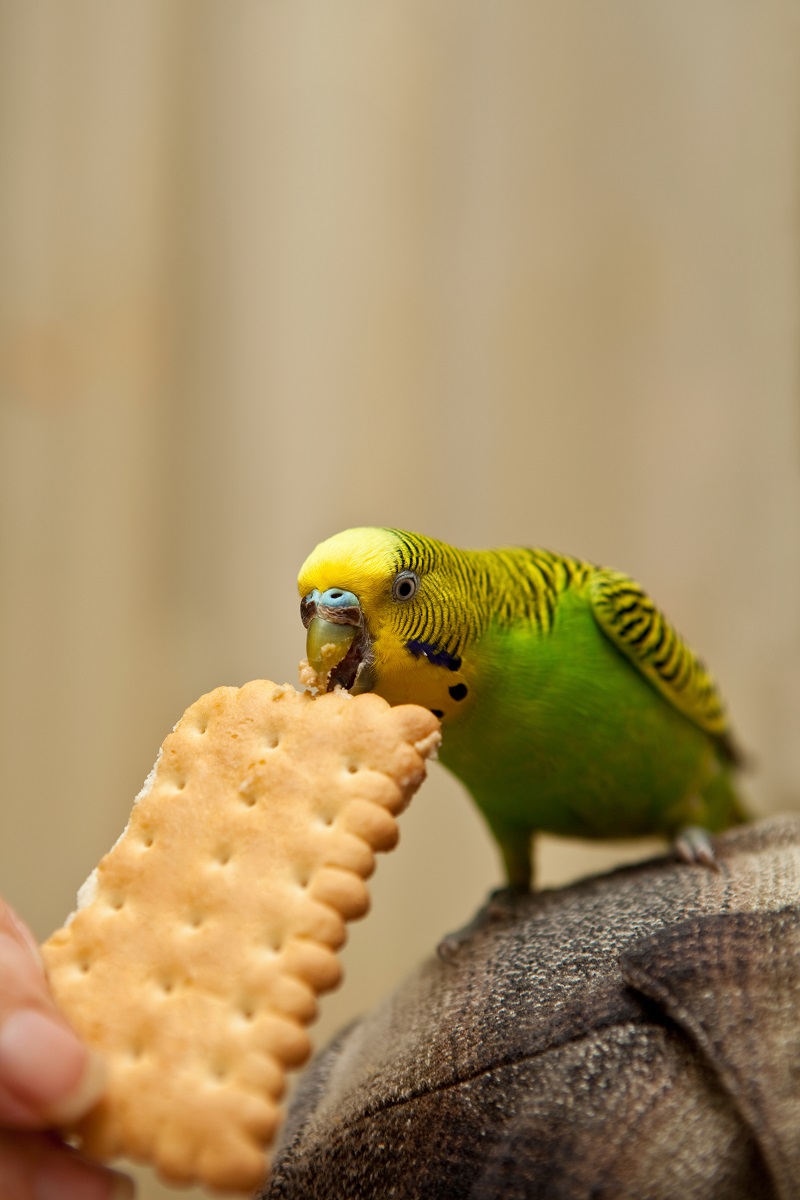
Chips: Potato and corn tortilla chips contain high levels of sodium, trans fats, and artificial flavorings that overtax avian kidneys and digestive tracts.
Aloe Vera: While the clear internal gel of the Aloe vera plant possesses soothing properties, the surrounding green leaf rind contains aloin, a potent laxative compound that induces severe gastrointestinal irritation in birds.
Ice Cream: Parakeets are lactose intolerant. Consuming dairy-based ice cream results in acute digestive upset, compounded by excessive sugar and fat content.
Cheese: Although aged hard cheeses contain reduced lactose levels, they remain unsuitably high in sodium and fats. Soft cheeses are entirely indigestible and should be withheld.
Crackers: Savory biscuits and crackers processed with vegetable oils and sea salt lack nutritional value and contribute to nutritional imbalance.
Biscuits and Cookies: Sugary baked goods are excessively high in refined carbohydrates, fats, and preservatives, making them strictly unsuitable for regular consumption.
Frequently Asked Questions
Avian behavioral patterns often prompt specific husbandry questions from owners. For instance, when a budgie appears to eat paper, it is typically engaging in natural shredding and nesting behaviors rather than true ingestion; providing dedicated paper and safe toys satisfies this urge. Conversely, coprophagia (stool consumption) may signal underlying nutritional deficiencies, such as an improper all-seed diet leading to malnutrition, or may simply stem from boredom or perching hygiene behaviors. Finally, while budgies can safely consume cockatiel seed and pellet formulations—as wild dietary profiles overlap significantly—avian nutritionists recommend pelleted formulas as the optimal foundational diet for long-term health.

