



The prospect of summer travel often presents a logistical dilemma for pet owners, particularly those who care for small exotic mammals such as rats. While conventional pet-sitting services are widely available for dogs and cats, finding experienced, reliable care for rats—animals that require specific dietary, environmental, and social considerations—can be significantly more challenging. For many owners, the stress of ensuring their pets are adequately cared for in their absence outweighs the benefits of a vacation. Consequently, an increasing number of rat owners are opting to integrate their pets into their travel plans, transforming the traditional road trip into an unconventional but potentially rewarding experience.
The Rationale for Travel Integration
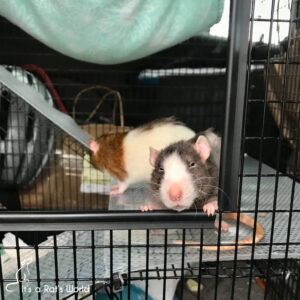
Research into the behavioral patterns of Rattus norvegicus indicates that these animals thrive on consistency and established social structures. Because rats are highly social, intelligent, and territorial, sudden changes in their living environment can induce physiological stress, potentially impacting their immune systems. However, experts in exotic animal welfare suggest that if the travel environment mimics the home environment—maintaining familiar scents, routines, and cage configurations—the negative impact of travel can be mitigated.
For owners like Brandi Saxton, an advocate for rat welfare, the decision to travel with pets is often born from necessity. In 2018, when faced with a seven-week displacement due to professional commitments in Washington, D.C., Saxton determined that the risks of leaving her colony in the care of unfamiliar individuals were greater than the risks of a long-distance road trip. This experience, which spanned multiple states and varying climates, serves as a primary case study for the feasibility of long-term travel with small mammals.

Chronology and Preparation: A Phased Approach
Successful travel with rats is rarely an impulsive decision; it requires a structured, multi-phase approach to acclimatization. The initial phase involves "desensitization," where the animal is exposed to the sights, sounds, and physical sensations of travel in a controlled, low-stakes environment.
- Initial Exposure: Owners are advised to introduce their rats to the concept of travel through short, non-stressful excursions. The use of a specialized bonding pouch or a ventilated, secure carrier allows the rat to remain in close proximity to the owner, providing a sense of security. Short, 15-to-30-minute car rides are recommended to assess the animal’s reaction to vibration, engine noise, and temperature fluctuations.
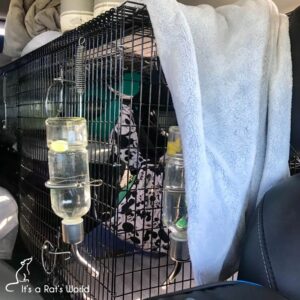
- Environmental Stabilization: The transition from a static home cage to a mobile environment requires careful selection of equipment. A travel cage must prioritize security and stability over aesthetics. The chosen enclosure should be large enough to allow for natural behaviors, such as climbing and nesting, but compact enough to be securely fastened within the vehicle to prevent injury during sudden stops or turns.
- Logistical Planning: Before departure, owners must conduct a thorough audit of their route. This includes identifying pet-friendly lodging and ensuring that the vehicle’s internal climate can be maintained within the optimal range for rats, typically between 65°F and 75°F (18°C to 24°C).
Supporting Data and Essential Logistics
The logistical burden of traveling with rats is significant. According to field reports from experienced owners, a "go-bag" for rats should contain more than just food and water. It must function as a mobile pharmacy and survival kit. Essential supplies include:

- Hydration Systems: Two or more high-quality water bottles are mandatory. The motion of a vehicle can affect the pressure-seal of standard ball-bearing bottles, leading to either leakage or, more dangerously, the inability of the pet to access water.
- Dietary Consistency: A supply of the animal’s standard dry food should be packed, along with a cooler containing fresh fruits and vegetables. Notably, bananas have been observed to assist in stabilizing digestion during periods of stress-induced gastrointestinal upset.
- Sanitation Equipment: Daily cleaning of water bottles and spot-cleaning of the cage is required to prevent the accumulation of ammonia and bacteria. Supplies such as unscented wet wipes, paper towels, and non-toxic antibacterial cleaners are non-negotiable.
- Safety Barriers: Reflective window shades and heavy blankets are necessary to mitigate the impact of direct sunlight, which can lead to overheating, and to dampen external noise that may cause auditory stress.
Official Guidelines and Welfare Implications
The American Veterinary Medical Association (AVMA) emphasizes that the health of any animal during transit is dependent on the owner’s ability to monitor vital signs. Signs of distress in rats—such as porphyrin discharge around the eyes or nose, labored breathing, or extreme lethargy—require immediate cessation of travel and, if necessary, veterinary intervention.
Veterinary professionals often suggest that before embarking on a trip, owners should consult with their regular veterinarian to discuss the risks, particularly if the rat is elderly or has a history of respiratory illness. The "emergency kit" should be prepared in consultation with a professional, including necessary medications for common conditions like respiratory flare-ups or digestive issues.
Broader Impact and Industry Trends
The trend of traveling with exotic pets has prompted some adjustments in the hospitality industry. While many hotel chains maintain strict "dog-only" pet policies, organizations like PetsWelcome are increasingly cataloging venues that offer more inclusive pet policies. However, the onus remains on the owner to confirm in writing that rodents are permitted.
The societal implication of this trend is a shifting perception of rats from "lab animals" or "pests" to companion animals worthy of the same level of care as traditional pets. This evolution in the human-animal bond is driving a demand for better-designed transport carriers, safer travel-friendly cage accessories, and more comprehensive veterinary literature regarding the transit of non-traditional species.

Conclusion: Weighing the Risks and Rewards
While the logistical effort required to transport rats across the country is substantial, the practice offers a significant benefit: the maintenance of the bond between owner and pet. For many, the ability to keep their animals in a familiar, controlled environment—even while moving through new landscapes—is preferable to the trauma of abandonment or the uncertainty of professional boarding.
Ultimately, a road trip with pet rats is an exercise in meticulous preparation and unwavering attentiveness. The success of such an endeavor is predicated on the owner’s ability to prioritize the animal’s physiological and psychological comfort above the convenience of the journey. For those who invest the necessary time into planning, the result is not only a successful trip but a deeper, more resilient connection with their pets. As society continues to embrace the diversity of companion animals, the infrastructure for such travel is likely to improve, making the "rat-friendly road trip" a increasingly viable reality for enthusiasts worldwide.

