


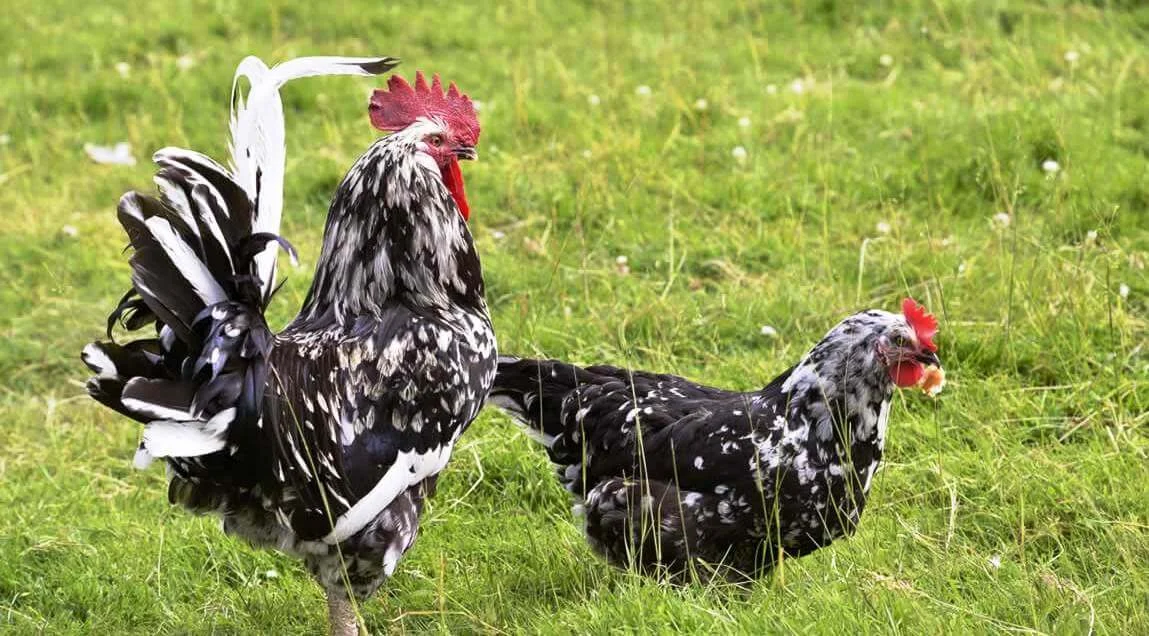
As the solemn period of the Jewish High Holy Days approaches, communities around the world prepare for Yom Kippur, the Day of Atonement. Known as the holiest day of the year in Judaism, Yom Kippur is traditionally dedicated to deep spiritual reflection, fasting, prayer, charity, and seeking forgiveness for past transgressions. However, the days leading up to the holiday have increasingly become a focal point of debate surrounding an ancient, optional custom known as kapparot. While some traditional groups continue to practice the ritual using live chickens, a rapidly growing movement within Jewish communities is advocating for a shift toward monetary charity, aligning the pre-holiday custom with core values of mercy, empathy, and tza’ar ba’alei chayim—the Jewish ethical mandate to prevent animal suffering.
Understanding Kapparot: Origins, Evolution, and Modern Practice
Kapparot, which translates loosely to "atonements," is a symbolic custom historically practiced on the eve of Yom Kippur. The ritual typically involves holding a live chicken by its feet and swinging it in a circle above a person’s head while reciting traditional passages. The symbolic intent is to transfer one’s sins and wrongdoings onto the bird, which is then slaughtered, traditionally donated to the poor as charity, or in modern contexts, discarded.
Historical records indicate that the practice of kapparot dates back to the Geonic period in Babylonia during the 9th century, though it faced skepticism and criticism from several prominent medieval rabbinic authorities. Prominent scholars, including Rabbi Shlomo ben Aderet (the Rashba) and Rabbi Joseph Karo, author of the authoritative Code of Jewish Law (Shulchan Aruch), questioned the custom, noting that it bore an uncomfortable resemblance to non-Jewish sacrificial practices. Despite these early reservations, the custom gained popularity over subsequent centuries, particularly among communities in Eastern Europe, and was preserved by various immigrant populations who relocated to North America, Israel, and other parts of the diaspora following the upheavals of the 20th century.
Crucially, rabbinic scholars emphasize that kapparot is a custom (minhag) rather than a strict biblical commandment (mitzvah) originating from the Torah or the Talmud. Because it holds the status of a custom rather than a mandatory religious law, communities and individuals retain the religious flexibility to adapt or replace the practice when circumstances or ethical considerations warrant it.
The Shift Toward Tzedakah: Generosity in Place of Animal Use
For generations, an alternative and historically recognized method of performing kapparot has existed: the donation of money, known as tzedakah, to the poor. Instead of handling and slaughtering a live animal, practitioners distribute funds equivalent to the market value of a chicken—or a more substantial sum—to charitable organizations dedicated to feeding the hungry and supporting vulnerable populations.
Advocates for this charitable alternative argue that monetary distribution captures the true spirit of the High Holy Days far more effectively than animal slaughter. The central spiritual labor of the season is teshuvah, a term that translates to "returning" or repentance, wherein individuals recalibrate their moral compass and commit to ethical improvement in the coming year. Proponents of the charity-based approach assert that channeling resources directly into feeding the impoverished honors the biblical mandate of charity far more purely than a ritual that causes distress to sentient creatures.
Furthermore, changing social norms and urban logistics have made the use of live chickens increasingly impractical and controversial in modern metropolitan settings. The temporary slaughter stations set up in densely populated areas like Brooklyn, New York, and various neighborhoods in Israel often draw intense scrutiny from municipal health departments, animal welfare organizations, and local residents concerned with public health, sanitation, and humane treatment standards.
Sentience and Welfare: The Biological Reality of Chickens
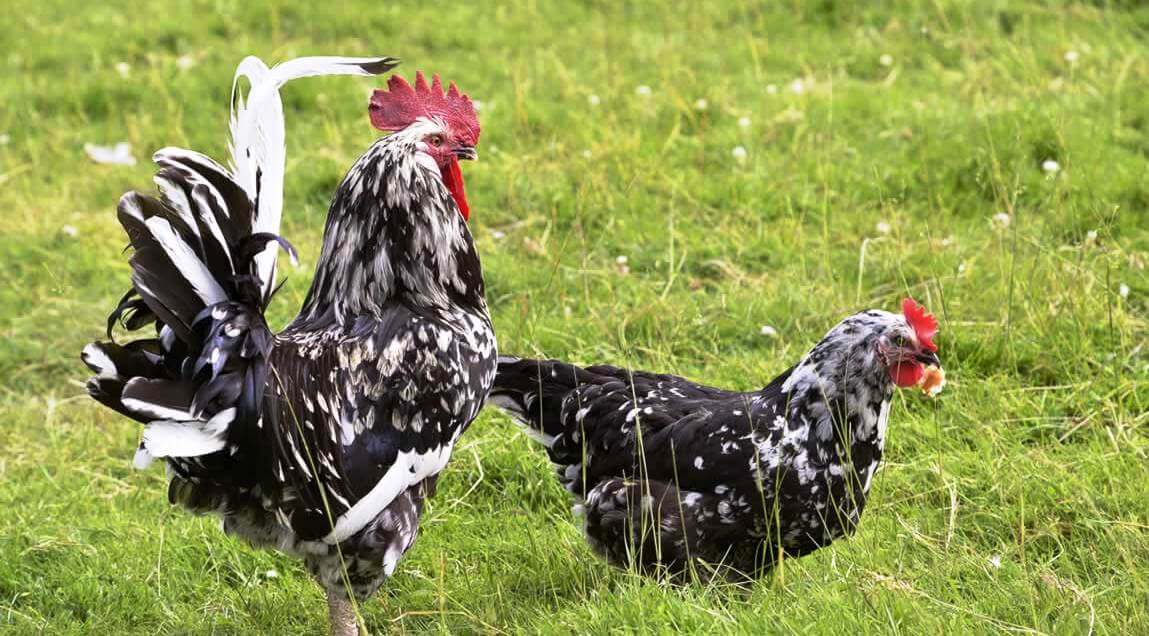
In tandem with the ethical and religious discussions surrounding kapparot, modern ethology and animal behavior science have shed new light on the inner lives of chickens. Far from the unfeeling commodities they were once widely perceived to be, scientific research confirms that chickens are complex, social, and sentient beings capable of experiencing a wide spectrum of emotions, including fear, distress, joy, and pain.
Behavioral studies demonstrate that chickens possess sophisticated cognitive abilities. They are capable of recognizing individual humans and fellow flock members, maintaining complex social hierarchies, communicating through a diverse vocabulary of distinct vocalizations, and forming deep emotional bonds. When subjected to the confinement, handling, and chaotic environment of traditional kapparot setups, chickens experience acute psychological stress and physical vulnerability. Animal welfare advocates emphasize that causing deliberate fear and distress to these animals directly contradicts the broader ethical teachings embedded within Jewish tradition regarding compassion toward all living creatures.
Jewish Ethical Teachings on Animal Welfare
Jewish tradition contains a robust framework of legal and ethical principles governing the treatment of animals. The overarching concept of tza’ar ba’alei chayim—literally meaning "the suffering of living creatures"—is a biblical mandate derived from various verses in the Torah that prohibit causing unnecessary pain to animals. This principle has historically been invoked by rabbinic authorities to mandate humane handling in agricultural and ritual contexts.
In addition to preventing cruelty, Jewish tradition places a high premium on stewardship and empathy. Modern Jewish thought leaders, rabbis, and scholars from diverse denominations—including Orthodox, Conservative, Reform, and Renewal movements—have increasingly spoken out against the use of live chickens for kapparot, encouraging their congregants to embrace the monetary alternative. Organizations such as Shamayim: Jewish Animal Advocacy and Jewish Vegan Life have spearheaded educational campaigns providing resources, alternative guides, and rabbinic endorsements to help communities transition away from animal-based rituals.
Broader Implications and Public Response
The annual debate over kapparot typically reaches its peak in the weeks preceding Yom Kippur, drawing media coverage and intensifying dialogue between traditionalists, animal rights activists, and progressive religious leaders. While some ultra-Orthodox enclaves maintain that preserving ancient folk customs precisely as practiced in Eastern Europe is paramount to maintaining tradition, a growing demographic of observant Jews views the adoption of the charity-based alternative as a sign of spiritual and moral evolution.
Public health and municipal authorities have also stepped up oversight in recent years. In various jurisdictions, activists and local citizens petition courts or work alongside city councils to enforce health codes, zoning laws, and animal cruelty statutes during the days leading up to the holiday. These regulatory pressures have contributed to a gradual decline in the visible presence of live-chicken kapparot in several urban centers, encouraging communities to seek cleaner, quieter, and more ethically sound ways to fulfill the holiday’s obligations.
A Path Forward for Yom Kippur
As communities worldwide prepare for the introspection of Yom Kippur, the conversation surrounding kapparot serves as a broader meditation on how ancient traditions can adapt to contemporary ethical understandings without losing their spiritual potency. By redirecting the funds traditionally spent on purchasing and processing chickens directly into charitable endeavors, practitioners can fulfill the underlying purpose of kapparot—fostering repentance, mercy, and support for the needy—while simultaneously upholding the foundational Jewish value of compassion for all living creatures.
Religious leaders and animal welfare advocates alike continue to urge individuals, families, and synagogue leadership to choose charity over chickens. In doing so, they argue, worshippers can ensure that the solemn days of repentance reflect a commitment to building a kinder, more empathetic world for humans and animals alike.

