


Integrating a parrot into a domestic household introduces a unique set of logistical and safety challenges that distinguish avian pet ownership from caring for more traditional companion animals like dogs and cats. While preparing for a new bird typically involves selecting an appropriate enclosure, acquiring foraging toys, and establishing a feeding routine, the preliminary checklist must prioritize comprehensive domestic risk mitigation. Parrots are characterized by exceptional cognitive capabilities, intense curiosity, and an instinctive drive to investigate their surroundings. However, these same traits frequently place them in peril within a human-engineered environment, which lacks the inherent safety parameters of their natural habitats.
Veterinary behaviorists and avian specialists emphasize that prospective parrot owners bear the sole responsibility for executing a thorough environmental assessment and modification process, commonly referred to as parrot-proofing, prior to the arrival of the animal. Because birds interact with their environment primarily through their beaks and possess specialized physiological systems, standard household items that pose minimal threat to humans or mammals can prove rapidly fatal to an avian companion. Establishing a secure living space requires a methodical approach across multiple domestic domains, supported by a clear understanding of avian physiology, behavioral psychology, and emergency veterinary protocols.
Avian Physiology and the Hidden Dangers of Indoor Air Quality
One of the most critical yet frequently overlooked aspects of avian husbandry pertains to the unique respiratory architecture of birds. Unlike mammals, avian respiratory systems feature a complex network of air sacs that allow for a continuous, unidirectional flow of air through the lungs. This hyper-efficient system extracts oxygen with extraordinary effectiveness, but it simultaneously renders parrots exceptionally vulnerable to airborne toxins, particulate matter, and volatile organic compounds. Historical precedents, such as the use of canaries in coal mines to detect lethal odorless gases, underscore the extreme sensitivity of avian respiratory tissues to environmental hazards.
In a modern residential setting, this physiological vulnerability translates to a strict prohibition against a wide array of common household substances. Scented products, including aerosol sprays, air fresheners, scented candles, and incense, release fine particulate matter and synthetic chemicals that can induce acute respiratory distress, pulmonary hemorrhage, or sudden death in caged birds. Furthermore, kitchen safety is a paramount concern; the polytetrafluoroethylene (PTFE) coatings found on non-stick cookware—commonly known by brand names such as Teflon—emit invisible, odorless fumes when overheated. These pyrolysis products are profoundly toxic to birds, often causing fatal pulmonary edema within minutes of exposure.
Beyond consumer products, general indoor air quality metrics heavily influence avian health. Smoke from tobacco products, particulate matter generated by burning or charring food, and ambient pollution filtering indoors from exterior wildfires can severely compromise a parrot’s respiratory tract. Consequently, avian veterinarians mandate the installation of functioning carbon monoxide and smoke detectors in proximity to bird enclosures, alongside the total elimination of aerosolized chemicals, chemical cleaning agents, and non-stick culinary equipment from the immediate living area.
Managing Mastication: Electrical Hazards and Ingestion Risks
The natural behavior of parrots is heavily defined by their need to manipulate and chew objects. In the wild, psittacines chew wood to excavate and maintain their nesting hollows, a behavior that also serves the functional purpose of wearing down their continuously growing keratin beaks. Transferred to a domestic interior, this compulsive gnawing instinct extends indiscriminately to picture frames, drywall, furniture, and, most dangerously, electrical infrastructure.
Exposed electrical cords present a dual hazard: the risk of severe thermal and electrical burns from the current, and the potential for heavy metal poisoning or internal trauma if copper wiring and synthetic insulation are ingested. Avian care standards dictate that all electrical cables traversing rooms accessible to a free-roaming parrot must be concealed within protective conduits, such as heavy-duty PVC piping, or routed entirely out of reach.
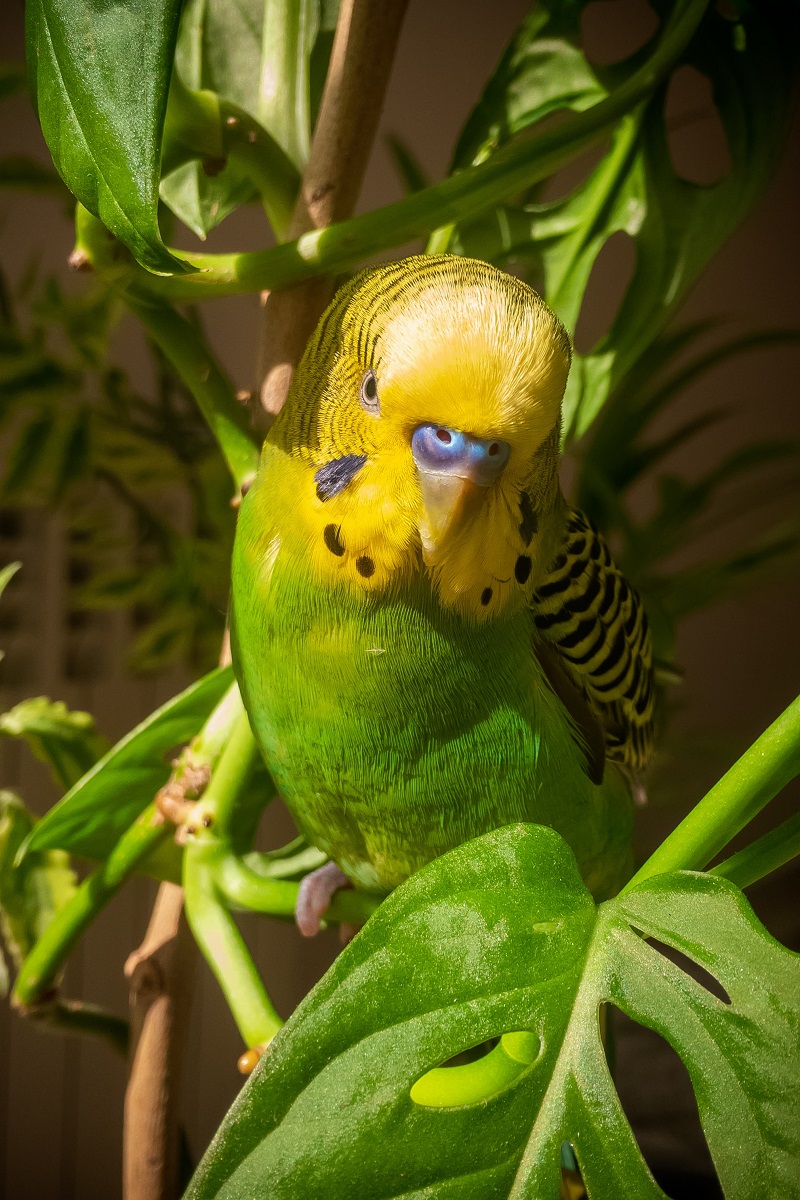
Simultaneously, the propensity for exploratory ingestion introduces significant gastrointestinal risks. Parrots regularly sample novel textures with their tongues and mandibles, frequently swallowing foreign material. Household items containing heavy metals, particularly zinc and lead found in certain paints, galvanized wire, costume jewelry, and older hardware, can lead to heavy metal toxicosis—a condition characterized by neurological deficits, gastrointestinal stasis, and systemic organ failure. Furthermore, common household items such as human pharmaceuticals, recreational cannabis products, alcoholic beverages, and specific botanicals (including toxic houseplants like lilies, philodendrons, and dieffenbachia) must be strictly isolated. While numerous plant species are safe for avian interaction, verifying the exact botanical classification of every item within the bird’s flight radius is a non-negotiable prerequisite for ownership.
Structural and Spatial Hazards: Openings, Reflections, and Furniture
The physical architecture of a human residence presents numerous spatial traps for an active bird. Unsecured doors and windows remain a primary cause of accidental escapes, which frequently end in starvation, predation, or environmental trauma for captive-bred birds unequipped to forage or evade local predators. Avian welfare organizations recommend the implementation of redundant security measures, such as installing specialized mosquito or security netting over windows in avian-designated rooms, placing visual reminder notices on primary exit doors, and establishing strict behavioral protocols among household residents and visitors regarding door management.
Reflective surfaces represent another insidious architectural hazard. Interior mirrors, polished glass partitions, and large windows can disorient a flying parrot, preventing the bird from recognizing a solid barrier. High-speed impacts with glass frequently result in severe cranial trauma, broken sternums, or fatal neck injuries. Best practices require the strategic covering or obscuring of large mirrors and reflective panes, particularly during out-of-cage exercise periods. Additionally, interior doors must be managed with extreme care; parrots frequently utilize the top edge of open doors as a perch, creating a severe risk of crushed toes, fractures, or tail-feather loss if the door is inadvertently swung shut.
Beyond vertical surfaces, low-level spatial exploration poses entrapment risks. Influenced by hormonal cycles or instinctive nesting drives, parrots actively seek dark, enclosed cavities that mimic hollow trees. Without proactive intervention, birds may crawl behind heavy appliances, into unmonitored drawers, or beneath upholstery, where they risk being crushed by human occupants moving furniture or sitting down. Blocking all nooks, gaps, and enclosed recesses is essential to prevent fatal crush injuries and entrapment.
Enclosure Integrity and Toy Safety Standards
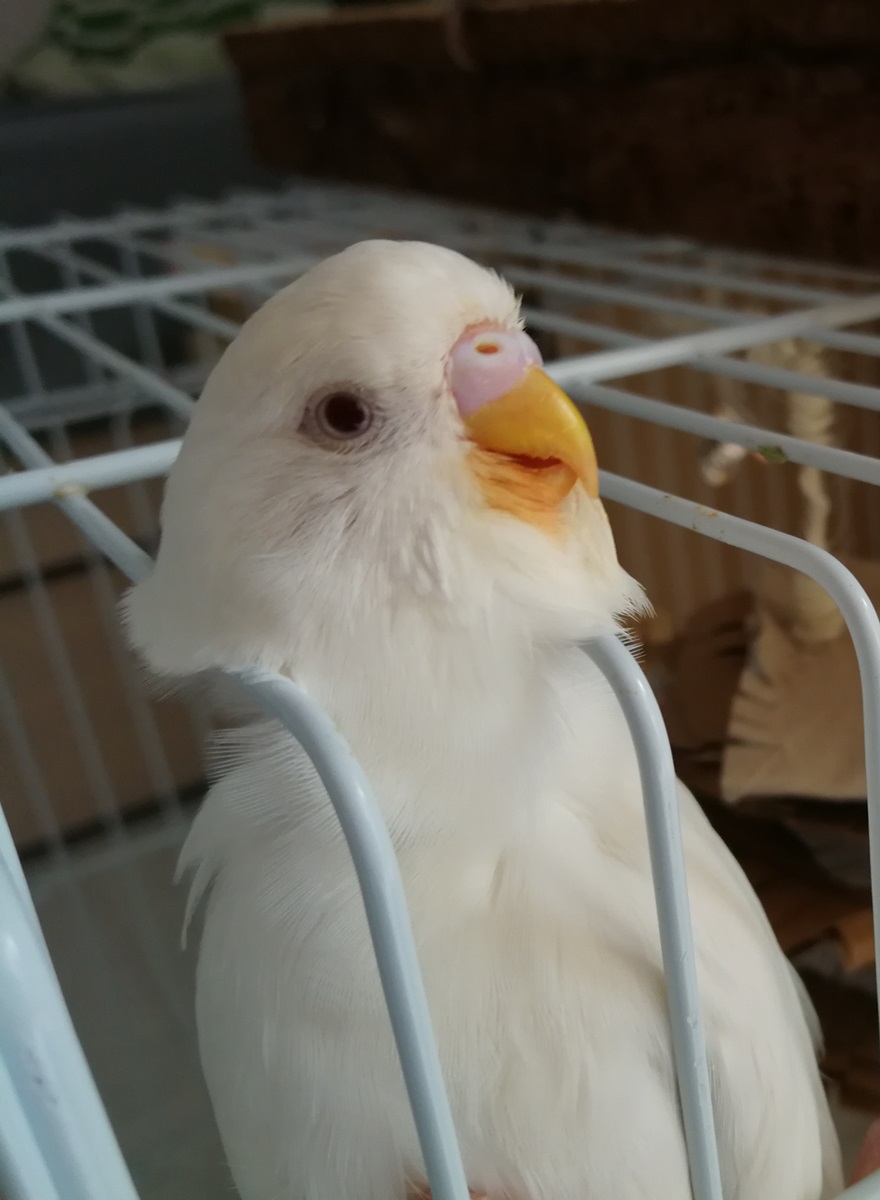
While the broader environment demands rigorous modification, the parrot’s primary enclosure and associated accessories require equally stringent evaluation. The selection of an appropriate cage must be governed by structural dimensions and bar spacing. An enclosure should maximize spatial volume to accommodate physical movement and wing stretching, yet feature bar spacing narrow enough to prevent the bird from inserting its head. Instances of parrots forcing their heads through overly wide bars and subsequently becoming trapped—often leading to asphyxiation or panic-induced trauma—are well-documented in veterinary literature.
Furthermore, the materials utilized in cage construction and toy manufacturing must be carefully vetted. Academic research published in veterinary journals highlights the ongoing risk of zinc and heavy metal toxicity originating from substandard cage coatings and galvanized hardware. Toys purchased from unverified sources or commercial markets have historically been implicated in cases of fatal heavy metal ingestion and mechanical entrapment, wherein loops of rope, chain links, or improperly sized clips trap a bird’s beak, toes, or limbs. Owners must conduct routine structural audits of cages and toys, immediately removing rusted enclosures, frayed ropes, and heavily splintered or compromised play items to mitigate these documented hazards.
Water Safety and Interspecies Dynamics
Drowning represents an acute, preventable hazard within the domestic environment. Due to their inquisitive nature, parrots investigating a home may approach open bodies of water. Uncovered toilets, unshielded aquariums, deep mixing bowls, sinks filled with water, and bathtubs present significant drowning risks. Because avian plumage absorbs water rapidly when submerged, a bird that falls into an open water source can quickly become waterlogged, exhausted, and unable to escape. Strict protocols requiring closed toilet lids, secured aquarium hoods, and the immediate drainage of sinks and basins are foundational to avian safety.
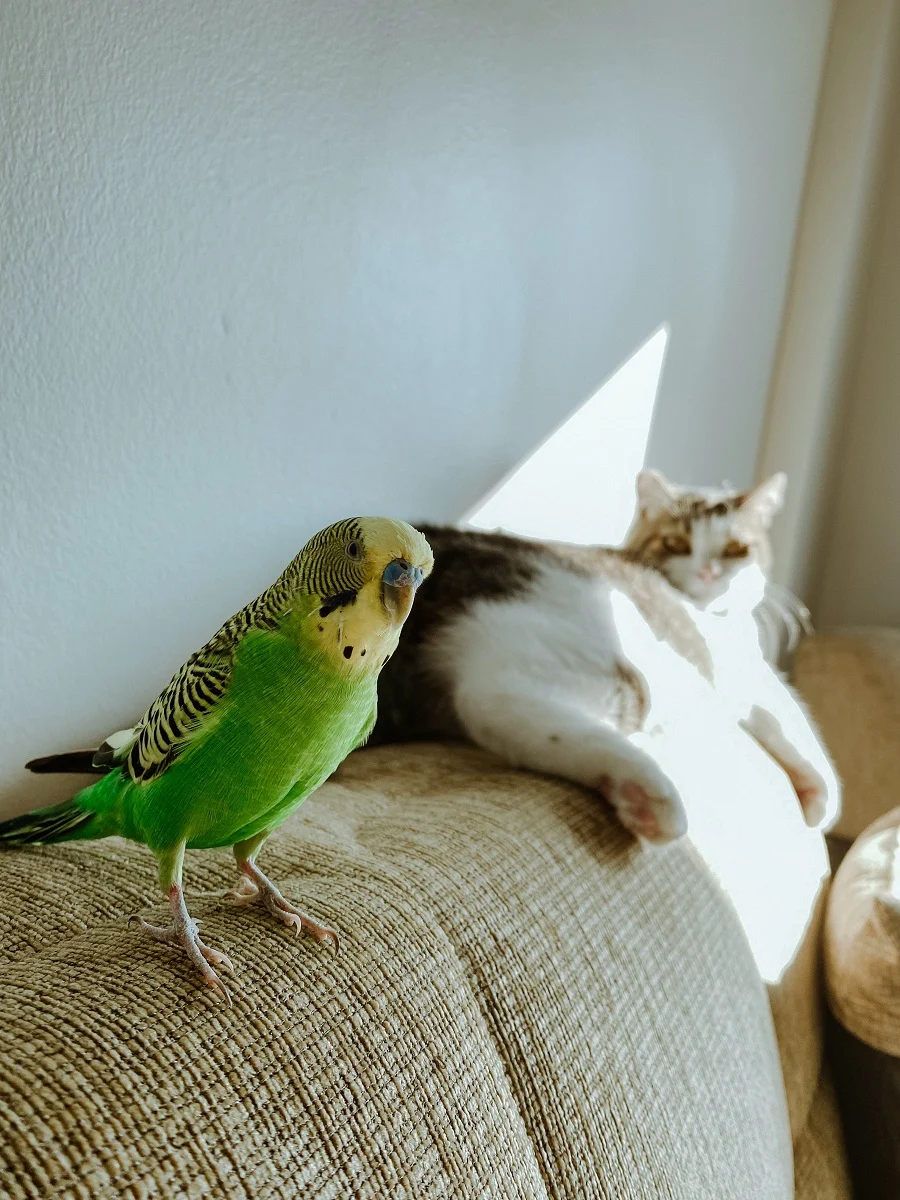
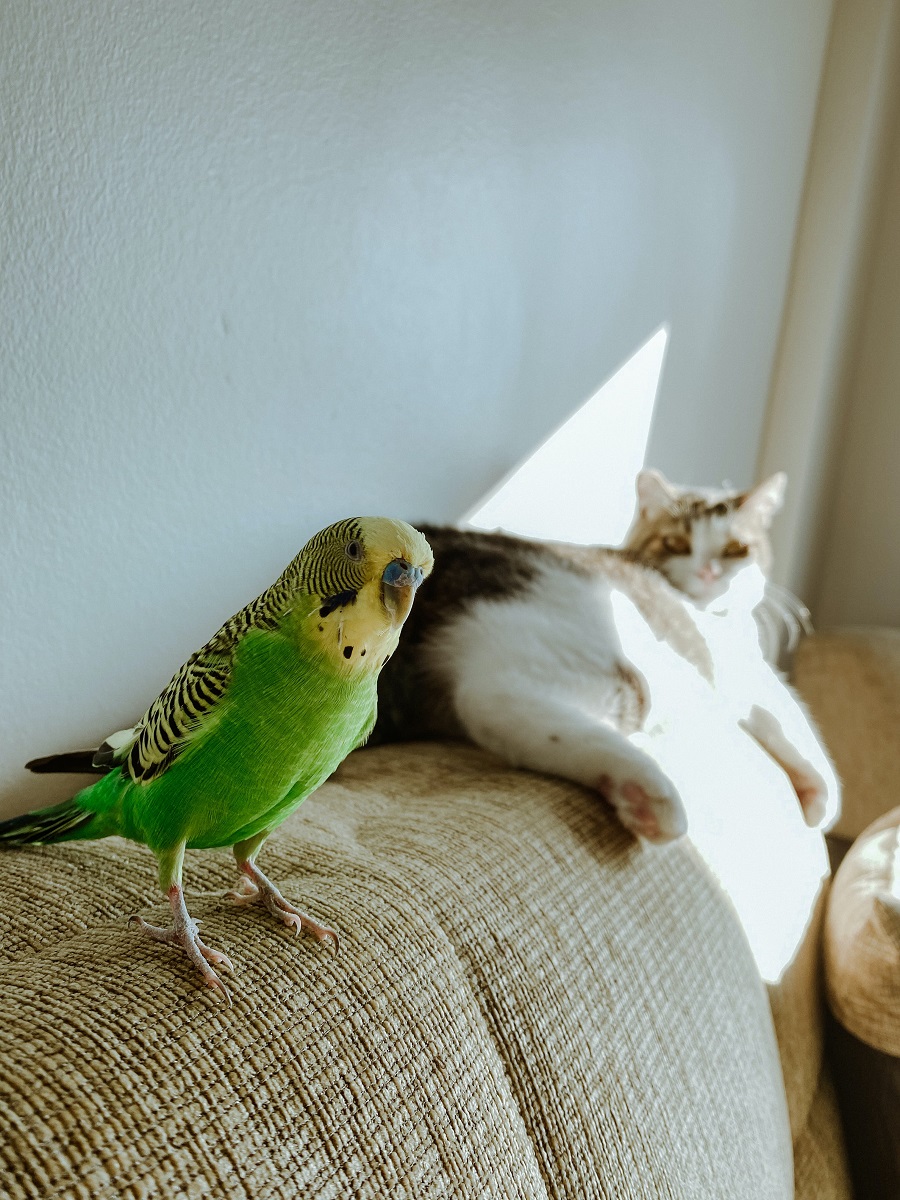
Finally, the coexistence of parrots with other household pets—such as dogs, cats, ferrets, and rabbits—requires uncompromising supervision and spatial separation. Despite anecdotal accounts of harmonious relationships between avian pets and mammalian predators, veterinary data indicates that even the most thoroughly trained domestic animals retain predatory instincts that can be triggered by the sudden, erratic fluttering of a bird. Furthermore, mammalian saliva contains bacteria (such as Pasteurella multocida) that are highly pathogenic to birds; a minor, seemingly superficial scratch or nick from a cat or dog can introduce a rapidly fatal systemic infection into a parrot’s fragile physiological system. Maintaining absolute physical separation between avian pets and other household animals is essential to prevent catastrophic trauma.
Broader Implications and Veterinary Consensus
The cumulative evidence compiled by avian veterinarians and animal welfare organizations demonstrates that successful parrot ownership hinges on proactive, preventative environmental design rather than reactive crisis management. Because psittacines possess cognitive and emotional complexities comparable to those of young human children, alongside specialized physiological vulnerabilities, standard domestic spaces are inherently hazardous without systematic intervention. Veterinary professionals universally advocate for comprehensive pre-acquisition preparation, the establishment of emergency response protocols, and the integration of specialized avian veterinary contact information into every household safety plan. Through rigorous adherence to these eight foundational safety measures, owners can significantly reduce morbidity and mortality rates, ensuring a secure domestic habitat that accommodates the high-energy, exploratory nature of companion parrots.

